
What Causes Dementia?
A Metabolic, Nutritional and Biochemical Approach
Dementia often develops after years of accumulated vascular, metabolic, inflammatory, nutritional and oxidative stress. Once established, neurodegeneration may not always be reversed, many factors that reduce brain function and resilience can still be identified, treated, stabilized or improved.
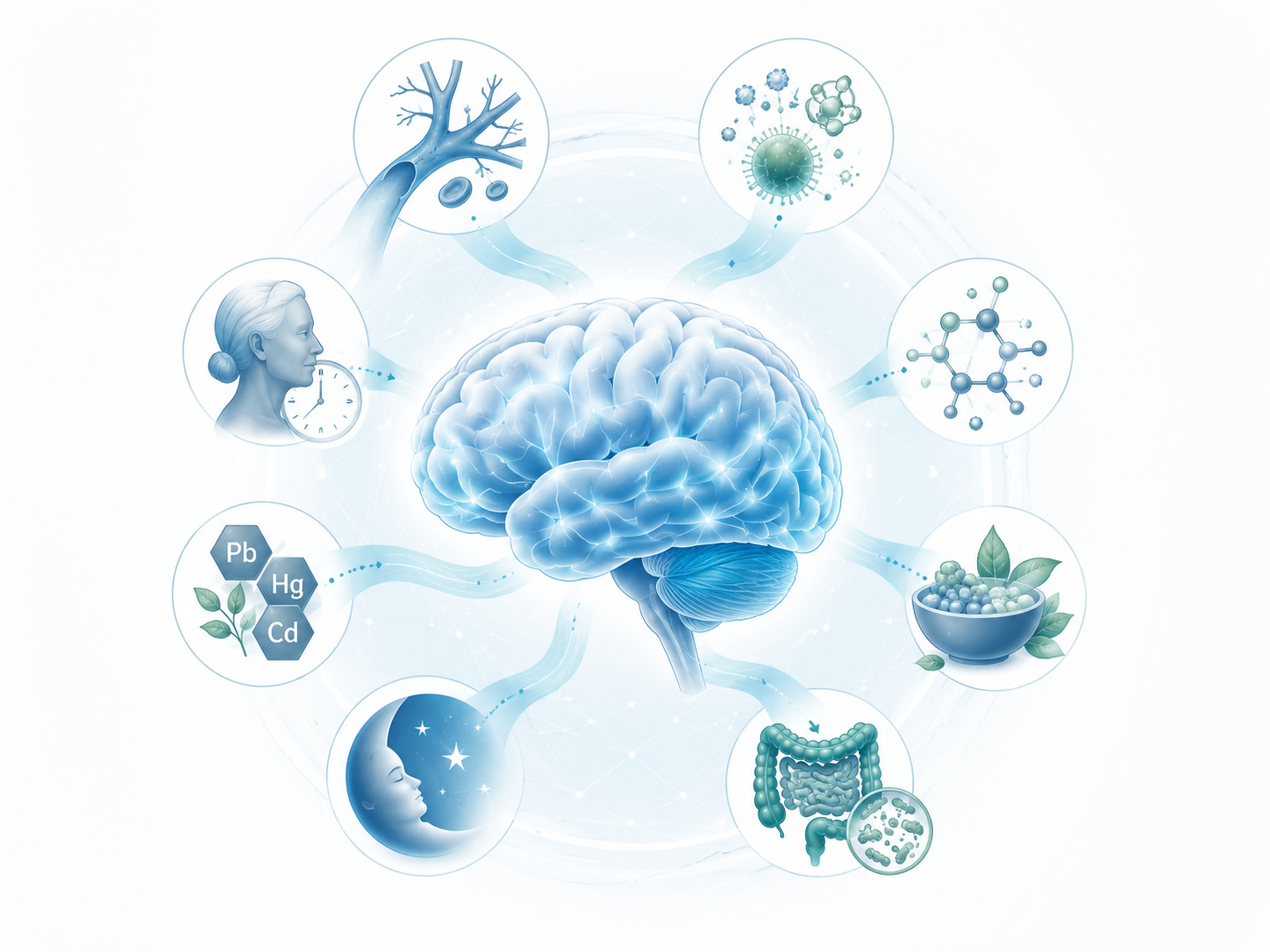
Dementia Is Not One Disease
Dementia is a general term describing a decline in memory, reasoning, language, judgment or other cognitive abilities severe enough to interfere with daily life. Alzheimer’s disease is the most recognized form, but cognitive decline can also result from vascular disease, Lewy-body disease, frontotemporal degeneration, Parkinsonian disorders, repeated strokes, traumatic brain injury and mixed causes.
In older adults, the cause is often not purely one disease. A person may have Alzheimer-type changes together with diabetes, reduced cerebral blood flow, sleep apnea, chronic inflammation, medication burden, malnutrition, kidney impairment and prior small strokes.
Dementia Often Reflects a Progressive Loss of Brain Resilience
The brain must continually produce energy, maintain cell membranes, regulate minerals, remove damaged proteins, control inflammation, repair DNA, synthesize neurotransmitters and adapt to new demands. These processes require oxygen, circulation, amino acids, healthy fats, minerals, vitamins and functioning mitochondria.
Aging gradually reduces physiological reserve. Appetite may fall, digestion may weaken, thirst becomes less reliable, kidney clearance changes, muscle mass declines and medications accumulate. A brain that once compensated for several abnormalities may eventually lose that ability.
This loss of resilience helps explain why the same infection, hospitalization, medication change or period of poor intake may have little effect on a younger adult but cause confusion, weakness or rapid decline in an older person.
Which Contributors to Dementia May Be Modifiable?
Not every cause of dementia can be reversed. However, many factors that influence cognitive function, rate of decline and independence are potentially modifiable.
Vascular and metabolic factors
- Diabetes and insulin resistance
- Repeated hypoglycemia
- Hypertension or excessive blood-pressure lowering
- Prior strokes and small-vessel disease
- Obesity and physical inactivity
Nutritional factors
- Low protein and amino-acid intake
- Vitamin B12 or folate deficiency
- Vitamin D insufficiency
- Low zinc or magnesium
- Insufficient essential fats
Inflammatory and environmental factors
- Gut inflammation and dysbiosis
- Sleep apnea and poor sleep
- Chronic infection
- Smoking and alcohol
- Supported concerns about mold, metals or toxic exposure
Medication-related factors
- Polypharmacy
- Anticholinergic effects
- Sedatives and sleep medications
- Renally cleared drugs accumulating with age
- Hypoglycemia or excessive hypotension
Physical factors
- Sarcopenia and frailty
- Deconditioning after hospitalization
- Poor balance and repeated falls
- Inadequate stroke rehabilitation
- Loss of daily activity and social stimulation
Biochemical factors
- Elevated homocysteine
- Low SAM or elevated SAH
- Copper and zinc imbalance
- Oxidative stress
- Reduced antioxidant capacity
How Does the Walsh Approach View Dementia?
A biochemical-resilience model
A Walsh-oriented assessment places particular emphasis on oxidative stress, copper and zinc regulation, metallothionein biology, antioxidant capacity, methylation, amino-acid availability and nutrient-dependent cellular repair.
This model does not claim that one mineral imbalance causes all dementia. It asks whether impaired biochemical protection may leave neurons more vulnerable to inflammation, vascular injury, toxins, abnormal protein accumulation and age-related metabolic stress.
The Walsh framework may prioritize investigation of:
These findings are interpreted together rather than in isolation. A serum copper result, for example, is more meaningful when reviewed with ceruloplasmin, zinc, inflammation, liver function, medications and clinical history.
How Does the Bredesen Model Overlap With the Walsh Approach?
Dementia as a multifactorial network disorder
Dr. Dale Bredesen’s precision-medicine model proposes that cognitive decline may result from numerous interacting abnormalities rather than one universal cause. Evaluations may include insulin resistance, inflammation, vascular disease, chronic infection, dysbiosis, nutrient deficiency, hormone imbalance, sleep-related hypoxia and toxic exposure.
The Bredesen and Walsh approaches overlap in their emphasis on biochemical individuality. Both argue that two patients with similar memory symptoms may have very different combinations of contributing factors.
| Area | Walsh-oriented emphasis | Bredesen-oriented emphasis |
|---|---|---|
| Minerals | Copper, zinc, metallothionein and oxidative protection | Mineral sufficiency and reduction of metabolic contributors |
| Methylation | Histamine patterns, homocysteine, SAM, SAH and amino acids | Homocysteine, nutrient status, genetics and network support |
| Metabolism | Nutrient-dependent neurotransmitter and antioxidant pathways | Insulin resistance, glucose regulation and metabolic flexibility |
| Inflammation | Oxidative stress, nutrient depletion and impaired cellular defense | Infection, dysbiosis, toxins, sleep apnea and systemic inflammation |
| Treatment principle | Correct measured biochemical imbalances | Identify and address multiple individualized contributors |
A small proof-of-concept precision-medicine study reported cognitive and metabolic improvements in selected patients with mild cognitive impairment or early dementia. These findings are encouraging but do not establish that every form or stage of dementia can be reversed. Larger controlled trials remain necessary.
Why Are Oxidative Stress and Inflammation Important in Dementia?
The brain uses large amounts of oxygen and contains lipid-rich cell membranes that are vulnerable to oxidative damage. Reactive oxygen species are produced normally during energy generation, but excessive production or inadequate antioxidant defense can injure mitochondria, proteins, DNA and neuronal membranes.
Oxidative stress and inflammation reinforce one another. Inflammation can increase reactive molecules, while damaged cells can produce signals that activate microglia and additional inflammatory pathways.
Antioxidant protection depends on more than taking one supplement. Glutathione production requires amino acids, especially cysteine, glutamate and glycine. Selenium supports glutathione-peroxidase enzymes. Zinc influences antioxidant and cellular-regulatory systems. Adequate protein, digestion and absorption therefore matter as much as individual antioxidant products.
Can Copper Imbalance Contribute to Dementia?
Copper is essential for energy production, connective tissue, antioxidant enzymes and nervous-system function. Both copper deficiency and dysregulated or excessive redox-active copper can be harmful.
In Alzheimer’s disease research, abnormal copper handling has been linked with oxidative stress, mitochondrial dysfunction, inflammation and interactions with amyloid proteins. This does not mean that every patient with dementia has copper overload or should receive copper-lowering treatment.
The clinically useful question is whether copper is being transported and regulated appropriately. This requires reviewing serum copper together with ceruloplasmin, zinc, liver function, inflammatory status and the overall clinical picture.
Do not treat copper from one isolated result
Copper is biologically complex. Aggressive copper restriction or chelation without confirmation may create deficiency, anemia, neurological problems or other complications. Treatment should be based on a coherent pattern rather than a single calculation.
Related reading: copper overload and copper, ceruloplasmin and zinc testing.
What Is Metallothionein and Why Might It Matter?
Metallothioneins are small, cysteine-rich proteins that bind metals, participate in zinc and copper regulation and help protect cells from oxidative stress. Metallothionein-3 is especially relevant to the brain and has been studied in relation to neurodegeneration, metal homeostasis and neuronal survival.
The Walsh model places importance on adequate metallothionein expression or induction. Nutrients involved in antioxidant protection and normal protein synthesis—including zinc, selenium, amino acids and glutathione precursors—may support the broader cellular environment in which these protective systems function.
Zinc
Supports numerous enzymes, gene-regulatory proteins and antioxidant defenses while interacting closely with copper metabolism.
Selenium
Supports selenium-dependent antioxidant enzymes, including glutathione peroxidases.
Amino acids
Provide the building blocks for glutathione, enzymes, structural proteins and tissue repair.
Glutathione
Helps control oxidative stress and detoxification but depends on adequate nutrient and amino-acid availability.
How Could Low Zinc Increase Cellular Vulnerability?
Zinc participates in DNA repair, immune regulation, antioxidant defense, protein synthesis, cell signaling and regulation of programmed cell death. Severe or persistent deficiency can impair cellular repair and make tissues less resilient to oxidative or inflammatory injury.
The relationship is not simply “more zinc is better.” Excess zinc can lower copper, impair immune function and cause other problems. Plasma zinc, copper, ceruloplasmin, diet, supplements and kidney function should be reviewed together.
In an older adult with low appetite, poor protein intake, intestinal disease or long-term medication use, low zinc may be one marker of a much larger nutritional problem.
Selected Sources for Part 1
- Cong C, et al. Copper homeostasis and copper-dependent mechanisms in Alzheimer’s disease. Review article .
- Juárez-Rebollar D, et al. Metallothionein in brain disorders. Review article .
- Koh JY, et al. Metallothionein-3 in metal regulation, oxidative stress and neurodegenerative disease. Review article .
- Rao RV, et al. Rationale for a multifactorial approach to cognitive decline. Systematic review .
- Toups K, et al. Precision medicine approach to Alzheimer’s disease: proof-of-concept study. Clinical study .
- Bredesen DE. Precision medicine approach to Alzheimer’s disease. Review article .
How Do Methylation and Amino Acids Support Brain Resilience?
Methylation is a basic biochemical process used throughout the body. It contributes to DNA regulation, neurotransmitter metabolism, phospholipid production, cellular repair, detoxification and the maintenance of healthy cell membranes.
The brain depends on these reactions to preserve synapses, regulate gene expression, maintain myelin and adapt to metabolic or inflammatory stress. Impaired methylation does not by itself prove the cause of dementia, but it may reduce the brain’s ability to compensate for other injuries.
Methionine is an essential amino acid obtained from protein. It is converted into S-adenosylmethionine, or SAM, the body’s principal methyl donor. After SAM transfers a methyl group, it becomes S-adenosylhomocysteine, or SAH.
SAH must then be cleared through pathways involving homocysteine and adenosine. When SAH accumulates, it can inhibit methyltransferase enzymes even when the homocysteine result is not dramatically elevated.
What might reduce methylation capacity in an older adult?
Inadequate protein intake
Low intake of methionine and other amino acids may limit the substrates needed for SAM, glutathione, enzymes, muscle and tissue repair.
Poor digestion or absorption
Dental problems, low appetite, intestinal disease, pancreatic insufficiency, acid-suppressing medication and gastrointestinal surgery may reduce nutrient availability.
Vitamin deficiencies
Vitamin B12, folate, vitamin B6 and riboflavin participate in one-carbon metabolism and homocysteine processing.
Kidney dysfunction
Declining kidney function may increase homocysteine and alter the handling of nutrients, medications and metabolic byproducts.
Oxidative and inflammatory stress
Chronic cellular stress may increase repair demands while disrupting enzymes involved in methylation and antioxidant protection.
High creatine demand
The body uses a large share of methylation activity to manufacture creatine. Low dietary creatine may increase dependence on internal synthesis.
Related reading: what causes undermethylation, elevated SAH and methylation inhibition and creatine and methylation demand.
Why Is Homocysteine Important in Dementia?
Elevated homocysteine has been associated with vascular disease, white matter injury, brain atrophy, cognitive decline and increased dementia risk. It may affect blood vessels, oxidative stress, endothelial function and neuronal health.
Homocysteine can rise for many reasons, including vitamin B12 or folate deficiency, impaired kidney function, hypothyroidism, low vitamin B6, genetic variants, medication effects and inadequate nutrition.
Lowering the number does not guarantee cognitive recovery
B vitamins often lower homocysteine, but clinical trials have not shown uniform cognitive improvement. The result should therefore be interpreted as part of a larger biochemical and vascular assessment rather than as a stand-alone treatment target.
Before prescribing large amounts of folate, it is important to evaluate vitamin B12 status, methylation pattern, medications, kidney function, neurological symptoms and prior reactions. Serum B12 alone may be insufficient when deficiency remains clinically possible; methylmalonic acid can sometimes provide additional information.
When homocysteine is elevated
- Check vitamin B12 and consider methylmalonic acid
- Review folate and vitamin B6 status
- Review creatinine and estimated kidney function
- Evaluate thyroid function
- Review diet, alcohol and medications
- Consider SAM and SAH when methylation remains unclear
When homocysteine is normal
- Do not assume methylation is necessarily optimal
- Low SAM may still reduce methyl-donor availability
- Elevated SAH may still inhibit methylation
- Protein or amino-acid inadequacy may still be present
- Other vascular and inflammatory contributors still require review
Why Do Older Adults Need Better Protein Nutrition?
Calorie needs often decline with age, but the need for nutrient-dense food does not disappear. Older adults may become less efficient at digesting, absorbing and using dietary protein. This reduced anabolic response makes preserving muscle and tissue more difficult.
At the same time, many older adults eat less because of poor appetite, depression, dental problems, difficulty shopping or cooking, swallowing problems, altered taste, gastrointestinal illness or fear of dietary fat and protein.
A breakfast consisting mainly of toast or cereal, a light sandwich at lunch and a small dinner may provide calories without enough amino acids to preserve muscle, synthesize glutathione or maintain tissue repair.
Protein serves more than muscle
Neurotransmitters
Amino acids provide precursors used in dopamine, norepinephrine, serotonin, histamine and inhibitory signaling pathways.
Glutathione
Cysteine, glycine and glutamate are required to manufacture the body’s principal intracellular antioxidant.
Methylation
Methionine provides the starting material for SAM and methyl-donor reactions.
Immune and tissue repair
Enzymes, antibodies, transport proteins and structural tissues all depend on adequate amino acids.
Assess the ability to eat and digest protein
Simply instructing an older patient to “eat more protein” may not solve the problem. The evaluation should include chewing, swallowing, stomach and intestinal symptoms, bowel function, meal preparation, food access, appetite and the ability to digest ordinary meals.
Depending on the patient, useful options may include eggs, fish, poultry, meat, yogurt or cottage cheese when tolerated, slow-cooked proteins, protein-rich soups, whey protein, collagen combined with complete protein, or an essential amino-acid formula.
Why Might Creatine Matter in Aging and Dementia?
Creatine helps cells rapidly regenerate adenosine triphosphate, or ATP, during periods of increased energy demand. Most creatine is stored in skeletal muscle, but the brain also uses the creatine-phosphocreatine system to stabilize cellular energy.
The body can make creatine from the amino acids glycine, arginine and methionine. It also obtains creatine from meat and seafood. Older adults who eat very little animal protein may have lower dietary creatine intake and become more dependent on internal synthesis.
Brain energy
Creatine may help buffer ATP availability during high demand, mitochondrial stress, sleep deprivation or reduced metabolic reserve.
Muscle and function
When combined with resistance exercise, creatine may improve strength, lean mass and performance in some older adults.
Methylation demand
Supplying creatine may reduce the amount the body must manufacture, potentially preserving methyl groups for other biochemical reactions.
Studies of creatine and cognition are encouraging but not definitive. Reviews suggest possible benefits in memory and selected cognitive tasks, particularly in older adults or under metabolic stress. Creatine should not be presented as a cure for Alzheimer’s disease or vascular dementia.
Creatine and kidney testing require proper interpretation
Creatine supplementation can increase serum creatinine because creatinine is a breakdown product of creatine. A modest rise does not automatically prove kidney injury, but it can complicate interpretation of creatinine-based estimated glomerular filtration rate.
Older adults with known kidney disease, dehydration, rapidly changing renal function or extensive medication use should be medically assessed before supplementation. Cystatin C, urinalysis and trends in kidney function may sometimes help clarify the picture.
Related reading: how creatine may reduce methylation demand .
What Does Muscle Loss Have to Do With Dementia?
Sarcopenia is the age-related loss of muscle strength, mass and physical performance. It increases the risk of falls, disability, hospitalization and loss of independence. It is also associated with a higher likelihood of cognitive impairment.
This association does not prove that muscle loss directly causes dementia. Muscle and brain decline may share many of the same drivers, including inactivity, inflammation, insulin resistance, vitamin D deficiency, poor circulation, inadequate protein and mitochondrial dysfunction.
Skeletal muscle is also an active endocrine and metabolic organ. During contraction it releases signaling molecules, often called myokines, that may influence inflammation, glucose control, vascular function and the nervous system.
Signs that muscle loss requires attention
Body weight alone can conceal sarcopenia. An older adult may remain overweight while losing substantial muscle and accumulating more metabolically harmful abdominal fat.
Which Exercise Is Most Important for Dementia?
Walking is useful, but walking alone may not adequately preserve strength, balance or muscle. A complete program typically combines aerobic activity, progressive resistance training, balance work and task-specific rehabilitation.
Resistance exercise
Strengthens the legs, hips, back, chest and arms and helps preserve the ability to stand, transfer, climb steps and perform daily activities.
Aerobic activity
Walking, cycling, swimming or other appropriate movement supports cardiovascular fitness, circulation and glucose regulation.
Balance training
Reduces fall risk and may include supported standing, directional movement, stepping practice and physical therapy.
Cognitive-motor tasks
Activities combining movement with attention, memory, rhythm or coordination may support functional engagement.
The program must match the person’s medical status. Severe frailty, unstable heart disease, recent stroke, recurrent falls or advanced cognitive impairment may require supervision by physical, occupational or cardiac-rehabilitation professionals.
Can Dementia or Cognitive Decline After a Stroke Improve?
Stroke can impair memory, language, attention, executive function, movement, balance and the ability to perform ordinary tasks. Recovery depends on the location and severity of injury, prior brain health, medical complications, rehabilitation intensity and the patient’s overall metabolic reserve.
Cognitive impairment after a stroke should not automatically be treated as a fixed and untreatable dementia. The brain can reorganize through neuroplasticity, and meaningful gains may occur with structured, repetitive, task-specific rehabilitation.
Physical therapy
Addresses walking, transfers, balance, endurance, strength and coordinated movement.
Occupational therapy
Rebuilds practical skills such as dressing, bathing, cooking, writing, medication management and household tasks.
Speech and cognitive therapy
Addresses language, swallowing, memory strategies, attention, communication and executive function.
Why nutrition influences rehabilitation
Rehabilitation requires energy, protein synthesis, repeated learning and muscular adaptation. A dehydrated, anemic, vitamin-deficient or protein-malnourished patient may not have the reserve to participate fully in therapy.
Correcting glucose instability, low protein intake, vitamin deficiencies, sleep disturbance, infection, depression, pain and medication-related sedation may make rehabilitation more productive.
Do not confuse lack of opportunity with lack of potential
Some patients receive intensive therapy only during the first weeks after stroke and then become increasingly sedentary. Although recovery is often fastest early, rehabilitation potential does not necessarily end after a few months. Continued task-specific practice may still improve function, safety and independence.
What Should Memory Care Include Beyond Supervision?
Memory care should do more than prevent wandering and distribute medication. The environment should preserve function, movement, nutrition, relationships and familiar routines for as long as possible.
Daily movement
Scheduled walking, sit-to-stand practice, supervised strengthening and balance activities help prevent rapid deconditioning.
Nutrient-dense meals
Meals should provide adequate protein, healthy fats, vegetables and hydration rather than relying predominantly on bread, desserts and refined starch.
Meaningful engagement
Music, conversation, household tasks, gardening, photographs, pets and familiar activities can preserve identity and participation.
Hearing and vision support
Untreated hearing or visual impairment increases isolation, confusion and apparent cognitive dysfunction.
Sleep and daylight exposure
Morning light, daytime activity and consistent routines may improve circadian organization and nighttime behavior.
Regular medication review
Sedation, low blood pressure, hypoglycemia, constipation, dehydration and anticholinergic effects should not be mistaken for inevitable progression.
Why Older Adults Often Need More Nutrient Density, Not Less
Aging generally lowers calorie expenditure, especially when physical activity and muscle mass decline. This sometimes leads families or facilities to provide very small meals. The result may be fewer calories but also inadequate protein, minerals, essential fats and vitamins.
Older adults commonly face a combination of reduced appetite, lower fluid intake, impaired taste, constipation, chewing difficulty, medication burden and reduced digestive efficiency. Their meals therefore need to deliver more nutritional value in a smaller volume.
| Common aging-related problem | Possible consequence | Practical consideration |
|---|---|---|
| Reduced appetite | Low protein, vitamin and mineral intake | Use smaller nutrient-dense meals and protein-rich snacks. |
| Lower thirst sensation | Dehydration, confusion, constipation and medication toxicity | Provide fluids regularly rather than waiting for thirst. |
| Chewing or swallowing difficulty | Avoidance of meat, vegetables and normal meals | Evaluate dental care and swallowing; modify texture without eliminating protein. |
| Reduced digestive tolerance | Bloating, early fullness and avoidance of food | Investigate constipation, reflux, medication effects, pancreatic or intestinal disorders. |
| Fear of dietary fat | Low-calorie meals and excessive dependence on starch | Use appropriate intact fats to provide energy and improve meal satisfaction. |
| Loss of muscle | Lower metabolic reserve, falls and reduced independence | Combine adequate protein with progressive resistance exercise. |
Nutrition should be reassessed after hospitalization, stroke, infection, bereavement, relocation to assisted living, a major medication change or any rapid decline in weight or function.
Selected Sources for Part 2
- Smith AD, et al. Homocysteine and dementia: an international consensus statement. Consensus review .
- Clarke R, et al. Effects of homocysteine lowering with B vitamins on cognitive aging. Meta-analysis of randomized trials .
- Xu C, et al. Effects of creatine supplementation on cognitive function in adults. Systematic review and meta-analysis .
- Candow DG, et al. Creatine monohydrate supplementation for older adults and clinical populations. Review article .
- Arosio B, et al. Sarcopenia and cognitive decline in older adults. Review article .
- Sui SX, et al. Skeletal muscle health and cognitive function. Review article .
- Zhao H, et al. Resistance training in the rehabilitation of age-related sarcopenia. Systematic review and meta-analysis .
- Mulhern M, et al. Cognitive rehabilitation interventions for post-stroke populations. Clinical review .
- National Institute of Neurological Disorders and Stroke. Stroke recovery and rehabilitation .
How Do Diabetes and Insulin Resistance Affect the Brain?
Diabetes is one of the most important modifiable contributors to cognitive decline. The brain requires a continuous energy supply, healthy blood vessels and effective metabolic signaling. Chronic hyperglycemia and insulin resistance may disrupt all three.
Diabetes can damage large and small blood vessels, increase inflammation, impair mitochondrial function and raise the risk of stroke. Glucose may be abundant in the bloodstream while neurons become less able to use it efficiently.
Is Alzheimer’s disease “type 3 diabetes”?
The phrase type 3 diabetes is sometimes used to describe impaired insulin signaling and glucose metabolism in Alzheimer’s disease. It is a useful educational concept, but it is not an official diagnosis and does not mean that every person with dementia has diabetes.
Brain insulin resistance may influence mitochondrial energy production, inflammation, synaptic function and the processing of amyloid and tau. These relationships help explain why metabolic health deserves attention even when fasting glucose is not dramatically elevated.
Chronic hyperglycemia
Long-term high glucose may injure blood vessels, increase glycation and oxidative stress, and accelerate small-vessel disease.
Insulin resistance
High insulin may precede overt diabetes and can be associated with abdominal fat, inflammation, fatty liver and impaired metabolic flexibility.
Glucose variability
Large swings between high and low glucose may be particularly stressful for an older brain with limited metabolic reserve.
Laboratory markers to consider
Hemoglobin A1c can be misleading in anemia, kidney disease, recent blood loss, transfusion or abnormal red-blood-cell turnover. Glucose assessment should therefore be interpreted together with the CBC, medical history and direct glucose measurements.
Can Diabetes Medication Worsen Confusion or Memory?
Diabetes medications do not all affect the brain in the same way. The most immediate concern in a frail older adult is often not the medication name itself, but whether the treatment is producing recurrent hypoglycemia, inadequate food intake, dehydration or excessive weight loss.
Sulfonylureas such as glipizide, glimepiride and glyburide stimulate insulin release. They can be effective glucose-lowering drugs, but their effect may continue even when a patient skips a meal or eats very little. The risk becomes more important with dementia, irregular eating, declining kidney function and loss of body mass.
Recurrent hypoglycemia may look like worsening dementia
Low glucose can cause confusion, weakness, sweating, tremor, behavior change, falls, visual disturbance, seizures or loss of consciousness. Older adults may have few warning symptoms and may not be able to report what is happening.
Repeated episodes of severe hypoglycemia are associated with poorer cognitive outcomes. Cognitive impairment also makes medication errors, missed meals and hypoglycemia more likely, creating a dangerous cycle.
When diabetes treatment should be reassessed
- The patient is losing weight or eating substantially less.
- Meals are skipped or depend on caregiver availability.
- Kidney function has declined.
- There are unexplained falls, sweating, tremor or morning confusion.
- Glucose readings repeatedly fall below the individualized target.
- A previously appropriate A1c target has become unnecessarily strict.
- The patient can no longer administer medication reliably.
- A low-carbohydrate diet or fasting program has reduced medication needs.
How Do Stroke and Poor Circulation Contribute to Dementia?
The brain receives a large share of the body’s blood flow. Large strokes, repeated small strokes, microvascular disease and impaired circulation can damage networks responsible for memory, judgment, language, movement and executive function.
Vascular cognitive impairment may develop suddenly after a stroke or progress gradually as small-vessel injury accumulates. Many patients have a mixed pattern involving both vascular damage and Alzheimer-type neurodegeneration.
High blood pressure
Long-term hypertension damages small vessels and raises stroke risk. Appropriate blood-pressure control is generally protective.
Excessive blood-pressure reduction
Frail adults may become dizzy, weak or confused if blood pressure falls too low, particularly with dehydration or multiple medications.
Atrial fibrillation and clotting risk
Anticoagulation may reduce embolic stroke risk in appropriately selected patients, but bleeding risk and dosing must be reviewed regularly.
Blood pressure goals should change with the patient
Antihypertensive medication may help protect the brain by preventing stroke and vascular injury. However, a regimen designed years earlier may require revision after substantial weight loss, reduced fluid intake, kidney decline, recurrent falls or advanced frailty.
Sitting and standing blood pressures are often more informative than one seated office reading. Symptoms such as lightheadedness, falls, weakness after meals and morning confusion may warrant evaluation for orthostatic hypotension.
Do not discontinue blood thinners or heart medication without review
Anticoagulants, antiplatelet drugs, blood-pressure medications and other cardiovascular treatments may prevent disabling or fatal events. The appropriate response to aging is a structured medication review—not unsupervised discontinuation.
Which Diet Best Supports an Aging Brain?
There is no single diet proven to reverse all dementia. The most practical strategy is to reduce metabolic injury while ensuring that the patient receives enough protein, energy, essential fats, vitamins, minerals and fluids.
A diet can look “healthy” on paper and still be inadequate if an older adult eats only a few bites, cannot chew the food, dislikes the menu or loses weight while following it.
Prioritize protein
Include digestible protein at each meal to support muscle, amino acids, methylation, glutathione and rehabilitation.
Reduce refined carbohydrate
Minimize sugar, sweet drinks, pastries, white bread, refined cereal and other foods that produce large glucose excursions.
Use intact fats
Eggs, fish, olive oil, avocado, nuts, seeds and other tolerated fats can supply energy without relying primarily on refined starch.
Include nutrient-rich plants
Vegetables, herbs, berries and selected low-glycemic fruits provide fiber and diverse phytonutrients when tolerated.
Protect hydration
Food plans should include regular fluids, broths and moisture-rich foods rather than assuming thirst will prompt adequate intake.
Make the plan practical
Texture, cost, caregiver support, cultural preferences and the ability to prepare food determine whether a plan succeeds.
Should dementia patients eat a very-low-carbohydrate diet?
Reducing refined carbohydrate may improve glucose stability and insulin resistance. Some patients may benefit from a more intensive low-carbohydrate or ketogenic strategy, but the degree of restriction should match nutritional status, medications and the ability to maintain adequate protein and calories.
A thin, frail patient who is already eating poorly should not be placed on a restrictive program that causes further weight and muscle loss. In that setting, restoring nutrition may be more important than achieving a particular ketone measurement.
Can Ketones Provide Alternative Fuel for the Aging Brain?
Brain glucose uptake can decline in mild cognitive impairment and Alzheimer’s disease. The ability to use ketones may remain relatively preserved, creating interest in ketogenic diets, medium-chain triglycerides and other ketone-producing strategies.
Early clinical studies have reported improvements in selected cognitive measures among some patients with mild cognitive impairment or early Alzheimer’s disease. The evidence is promising but remains preliminary, and responses are not uniform.
Possible metabolic benefit
Ketones may provide an alternative energy substrate when brain glucose use is impaired.
Possible signaling benefit
Ketosis may influence mitochondrial function, inflammation, oxidative stress and neuronal signaling.
Important limitations
Long-term adherence, medication changes, nutritional adequacy and effects on lipids vary substantially.
Who requires additional caution?
- Patients taking insulin, sulfonylureas or multiple diabetes drugs
- Patients with advanced kidney or liver disease
- Patients with low body weight, malnutrition or swallowing difficulty
- Patients taking diuretics or medications affected by dehydration
- Patients unable to report symptoms reliably
- Patients with a history of eating disorders
- Patients whose caregivers cannot monitor food, fluids and medications
Carbohydrate reduction may rapidly change medication needs
Glucose can fall quickly after refined carbohydrates are reduced. Diabetes medication may need adjustment before or during the dietary transition. Waiting for symptomatic hypoglycemia is not a safe monitoring strategy.
Mediterranean-style versus ketogenic nutrition
| Approach | Potential strengths | Potential limitations |
|---|---|---|
| Mediterranean-style diet | Emphasizes vegetables, olive oil, fish, legumes, nuts and minimally processed food. It is generally practical and supports vascular health. | Can remain high in carbohydrate if bread, pasta, grains and fruit dominate the diet or if protein intake is inadequate. |
| Lower-carbohydrate Mediterranean diet | Preserves many Mediterranean foods while improving glucose stability and emphasizing protein and healthy fats. | Requires individualized planning to avoid insufficient calories, constipation or unwanted weight loss. |
| Ketogenic diet | Produces sustained nutritional ketosis and may provide alternative brain fuel. | More restrictive; requires monitoring of medications, hydration, weight, kidney function, bowel function and nutritional adequacy. |
| MCT or ketone supplementation | May raise ketones without requiring complete dietary ketosis. | Can cause diarrhea, cramping or excess calories and does not correct a poor overall diet. |
Is Intermittent Fasting Appropriate for Dementia?
Time-restricted eating may improve insulin sensitivity and reduce late-night eating in selected metabolically stable adults. It is not automatically appropriate for an older person with dementia.
Long fasting windows can worsen dehydration, hypoglycemia, medication timing problems, inadequate protein intake and unintended weight loss. Patients who forget to eat are already fasting unintentionally and do not need a more restrictive schedule.
Fasting may be considered when:
- The patient is overweight and metabolically stable.
- Protein and calorie intake remain adequate.
- Diabetes medications can be safely adjusted.
- Hydration is reliable.
- A caregiver can supervise meals and medication.
Fasting should usually be avoided when:
- There is frailty or recent weight loss.
- The patient frequently skips meals unintentionally.
- Hypoglycemia has occurred.
- Kidney function is unstable.
- Swallowing, appetite or food access is impaired.
A modest overnight interval that eliminates continuous evening snacking may be reasonable for some patients. The goal is improved metabolism without compromising nutrition or safety.
How Might Gut Health Influence Dementia?
The gut communicates with the brain through immune signaling, microbial metabolites, the vagus nerve, bile-acid metabolism and nutrient absorption. Research has identified associations among cognitive impairment, altered gut microbial patterns, systemic inflammation and markers of impaired intestinal barrier function.
These findings do not prove that dysbiosis is the primary cause of Alzheimer’s disease. They support evaluating gastrointestinal dysfunction when symptoms and history suggest it may be adding inflammatory or nutritional burden.
Impaired nutrient absorption
Chronic intestinal disease may reduce absorption of protein, vitamin B12, folate, zinc, magnesium, iron and fat-soluble nutrients.
Microbial metabolites
Gut organisms produce short-chain fatty acids, neurotransmitter-related compounds, gases and inflammatory molecules that may affect systemic physiology.
Barrier dysfunction
Increased intestinal permeability may permit greater exposure to microbial products that activate immune and inflammatory pathways.
When should gut investigation be considered?
Basic evaluation often begins with medication review, bowel history, diet, CBC, CMP, vitamin B12, iron studies and screening for conditions such as celiac disease when appropriate. Specialized stool or permeability testing should answer a specific clinical question rather than be ordered automatically.
Related reading: gut health and the brain.
Does Histamine Affect Memory, Sleep and Behavior?
Histamine functions both as an immune mediator and as a neurotransmitter. Brain histamine participates in wakefulness, attention, appetite and cognition. Histamine biology is therefore more complex than simply labeling it “high” or “low.”
Within the Walsh framework, whole-blood histamine is used as one piece of information when evaluating methylation patterns. It should not be treated as a direct measurement of brain histamine or as a stand-alone dementia test.
Antihistamines and cognition
Some older antihistamines readily enter the brain and have strong anticholinergic and sedating effects. Diphenhydramine and similar drugs may worsen confusion, dry mouth, constipation, urinary retention and falls in susceptible older adults.
Food reactions, mast-cell symptoms and histamine intolerance may deserve evaluation in selected patients, but broad long-term food restriction can worsen malnutrition. Any elimination diet should be purposeful and periodically reassessed.
Which Sources of Inflammation Should Be Investigated?
Inflammation is not one laboratory result. It can arise from metabolic disease, infection, poor oral health, autoimmune disease, obesity, sleep apnea, smoking, intestinal dysfunction, tissue injury or environmental exposure.
Metabolic inflammation
Insulin resistance, visceral fat, fatty liver and unstable glucose may promote chronic inflammatory signaling.
Dental inflammation
Periodontal disease, infected teeth and impaired oral hygiene may create ongoing systemic inflammatory burden.
Sleep-related inflammation
Sleep apnea produces intermittent oxygen deprivation and may worsen vascular risk, fatigue and cognition.
Infection and immune activation
Urinary, respiratory, dental and other infections can produce abrupt confusion or delirium in vulnerable older adults.
hs-CRP, sedimentation rate and other blood markers may help identify systemic inflammation, but normal results do not exclude every inflammatory process. Testing should be guided by symptoms and examination.
Can Toxic Burden Reduce Brain Resilience?
The term toxic burden should not be used to explain every symptom. It is most useful when there is a credible exposure history, impaired clearance, oxidative stress or a medical condition that increases vulnerability.
Lead, mercury, solvents, pesticides, smoke, carbon monoxide, mold-related exposures and occupational chemicals can affect neurological health under particular circumstances. The appropriate investigation depends on the actual exposure rather than a generic detoxification panel.
Identify current exposure
Review housing, water, hobbies, occupation, supplements, smoking, renovation, contaminated food and mold history.
Assess normal clearance
Kidney function, liver function, hydration, bowel regularity, protein intake and medication interactions affect the handling of many substances.
Use targeted testing
Test for a suspected exposure using an appropriate validated method rather than assuming every patient requires provoked metal testing.
Aggressive detoxification can harm frail patients
Chelation, prolonged fasting, excessive sauna use, laxative regimens and large supplement combinations may produce dehydration, electrolyte imbalance, medication toxicity, weight loss or kidney stress. Exposure reduction and restoration of normal nutrition come first.
Related reading: toxic burden and neurological health.
Why Is Dehydration So Dangerous in Dementia?
Thirst perception often weakens with age. A person with dementia may also forget to drink, be unable to obtain water, avoid fluids because of incontinence or depend on staff members who offer drinks infrequently.
Dehydration can contribute to low blood pressure, kidney dysfunction, constipation, urinary infection, medication accumulation, delirium, weakness and falls.
Practical hydration support
- Offer fluids routinely rather than waiting for the person to ask.
- Place drinks within view and physical reach.
- Offer broth, milk, flavored water or other tolerated fluids.
- Increase support during heat, fever, diarrhea or medication changes.
- Review diuretics, laxatives and medications that cause dry mouth.
- Track intake when recurrent dehydration is suspected.
- Individualize fluid goals in heart failure or advanced kidney disease.
Can Sauna Support Brain Health or Detoxification?
Sauna may support relaxation, circulation, heat adaptation and sweating in medically appropriate patients. Observational studies have reported associations between regular sauna use and better cardiovascular or cognitive outcomes, but this does not establish sauna as a treatment for dementia.
For a stable, well-hydrated adult, carefully supervised sauna use may be one component of a broader health program. It should not replace exercise, nutrition, sleep, medication review or investigation of a known exposure.
Many dementia patients are poor sauna candidates
Sauna may be unsafe when there is dehydration, unstable blood pressure, severe heart disease, inability to communicate distress, advanced frailty, acute illness or use of medications that impair heat tolerance or fluid balance.
Shorter sessions, lower heat, direct supervision, careful hydration and avoidance during acute illness are essential. A patient should never be left alone in a sauna because of memory impairment.
How Do Sleep and Sleep Apnea Affect Dementia?
Sleep is essential for memory consolidation, metabolic regulation, immune balance and normal brain maintenance. Fragmented sleep may worsen daytime confusion, glucose control, blood pressure, appetite and behavior.
Obstructive sleep apnea repeatedly lowers oxygen during sleep and is associated with cardiovascular disease, stroke and cognitive impairment. Loud snoring, witnessed pauses in breathing, morning headaches, daytime sleepiness and resistant hypertension should prompt evaluation.
Protect circadian rhythm
Use morning daylight, daytime activity, consistent meals and regular sleep and wake times.
Investigate sleep disruption
Pain, nocturia, reflux, apnea, restless legs, medication effects and nighttime hypoglycemia may fragment sleep.
Avoid reflexive sedation
Sedating medication may suppress behavior without correcting the cause and may worsen falls, breathing, constipation or daytime cognition.
Sundowning is not always simply progression
Evening agitation may be worsened by fatigue, poor lighting, hunger, dehydration, pain, constipation, infection, overstimulation, medication timing or disrupted sleep. A structured search for triggers may reveal treatable contributors.
Sudden Confusion Is Not the Same as Gradual Dementia
Dementia usually progresses over months or years. A sudden change over hours or days should raise concern for delirium or another acute medical problem.
Seek prompt medical assessment for sudden decline
Potential causes include infection, dehydration, stroke, hypoglycemia, medication toxicity, urinary retention, constipation, low oxygen, electrolyte imbalance, head injury or uncontrolled pain.
Families are sometimes told that a sudden deterioration is “just the dementia.” That assumption can delay treatment of a reversible and potentially dangerous medical condition.
Selected Sources for Part 3
- Husain KH, et al. Dementia in diabetes and the role of hypoglycemia. Review article .
- Umegaki H. Management of older adults with diabetes mellitus. Clinical review .
- Chen NC, et al. Risk factors for severe hypoglycemia in older patients with dementia and type 2 diabetes. Observational study .
- Phillips MCL, et al. Randomized crossover trial of a modified ketogenic diet in Alzheimer’s disease. Randomized clinical trial .
- Fortier M, et al. A ketogenic drink improves cognition in mild cognitive impairment. Randomized clinical trial .
- Bohnen JLB, et al. Ketogenic interventions in mild cognitive impairment and neurodegenerative disease. Evidence review .
- Tarawneh R, et al. The gut microbiome and Alzheimer’s disease. Review article .
- Stadlbauer V, et al. Dysbiosis, gut-barrier dysfunction and inflammation in dementia. Clinical study .
- National Institute on Aging. Preventing Alzheimer’s disease: current evidence for vascular health, physical activity and healthy nutrition. Patient and caregiver guidance .
- National Institute on Aging. Common medical problems in Alzheimer’s disease, including dehydration and acute behavior change. Caregiver guidance .
Which Laboratory Tests May Help Evaluate Dementia?
No single blood test diagnoses Alzheimer’s disease or explains every case of dementia. Laboratory testing is useful for identifying nutritional, vascular, metabolic, hormonal, inflammatory and medication-related abnormalities that may worsen cognition or reduce rehabilitation potential.
Testing should be individualized according to the patient’s history, symptoms, diet, medications, physical examination, prior stroke risk and rate of decline.
| Laboratory test | Why it may matter | Important interpretation issues |
|---|---|---|
| CBC | Screens for anemia, infection, macrocytosis and abnormalities in red and white blood cells. | Macrocytosis may warrant evaluation of vitamin B12, folate, thyroid, liver, alcohol and medication-related causes. |
| Comprehensive metabolic panel | Reviews glucose, electrolytes, calcium, liver enzymes, albumin, creatinine and estimated kidney function. | Dehydration and low muscle mass can complicate interpretation of creatinine and kidney function. |
| Vitamin B12 and methylmalonic acid | Vitamin B12 deficiency may contribute to neuropathy, anemia, balance problems and cognitive symptoms. | Serum B12 can appear adequate despite functional deficiency. Methylmalonic acid is also affected by kidney function. |
| Folate | Supports nucleotide synthesis and one-carbon metabolism. | Folate should be interpreted with vitamin B12, medications, homocysteine and the broader methylation pattern. |
| Homocysteine | Elevated levels are associated with vascular risk, brain atrophy and cognitive decline. | May rise with vitamin deficiencies, kidney dysfunction, hypothyroidism, genetics, medications or poor nutrition. |
| SAM, SAH and SAM-to-SAH ratio | Provide a more direct assessment of methyl-donor availability and possible methylation inhibition by elevated SAH. | Results should be interpreted with methionine, homocysteine, kidney function, diet and supplement use. |
| Serum copper and ceruloplasmin | Evaluate copper transport and permit calculation of estimated non-ceruloplasmin-bound copper. | Inflammation, liver disease, estrogen and nutritional status may affect results. One isolated calculation should not determine treatment. |
| Plasma zinc | Zinc supports antioxidant systems, immune regulation, protein synthesis and cellular repair. | Interpret with copper, ceruloplasmin, albumin, diet and current supplementation. |
| Whole-blood histamine | Used within the Walsh framework as one marker when considering possible methylation patterns. | It is not a direct measurement of brain histamine and does not diagnose dementia. |
| 25-hydroxy vitamin D | Relevant to immune regulation, muscle function, falls, bone health and neurological health. | Correct deficiency according to measured levels, calcium balance, kidney function and total intake. |
| TSH and free T4 | Thyroid dysfunction may contribute to fatigue, depression, weakness, slowed thinking or agitation. | Medication timing, illness and thyroid replacement can affect interpretation. |
| Fasting glucose and hemoglobin A1c | Evaluate diabetes and chronic glucose exposure. | A1c may be misleading with anemia, kidney disease, transfusion or altered red-cell turnover. |
| Fasting insulin or C-peptide | May reveal insulin resistance before severe fasting hyperglycemia develops. | Interpret with glucose, medications, body composition and meal timing. |
| Lipid panel | Helps evaluate cardiovascular and vascular-dementia risk. | Treatment should consider total vascular risk, frailty, nutrition, medication tolerance and prior cardiovascular disease. |
| hs-CRP and selected inflammatory markers | May identify systemic inflammatory burden. | Normal routine markers do not exclude every source of inflammation or neuroinflammation. |
| Ferritin and iron studies | Evaluate iron deficiency, anemia and selected inflammatory or iron-overload patterns. | Ferritin may rise with inflammation even when usable iron is limited. |
| Magnesium | Magnesium supports neuromuscular function, energy production and numerous enzymatic reactions. | Serum magnesium may not fully reflect intracellular status. Kidney function affects supplement safety. |
| Albumin and total protein | May provide clues about nutrition, liver function, inflammation and protein status. | Normal values do not exclude inadequate dietary protein or sarcopenia. |
| Urinalysis and urine albumin | May identify infection, kidney disease, protein loss, glucose or dehydration-related abnormalities. | Urinary infection should be interpreted with symptoms rather than assumed from colonization alone. |
Additional testing based on the history
Sleep evaluation
Sleep testing may be appropriate when there is loud snoring, witnessed apnea, daytime sleepiness, morning headache or unexplained nighttime behavior.
Gut evaluation
Celiac testing, stool testing, malabsorption evaluation or other gastrointestinal studies may be appropriate when supported by symptoms.
Exposure testing
Heavy-metal, mold or environmental testing should be selected according to a credible exposure history rather than ordered indiscriminately.
Hormonal evaluation
Selected patients may benefit from assessment of testosterone, estradiol, cortisol or other hormonal factors when clinically relevant.
Cardiovascular evaluation
ECG, rhythm monitoring, carotid evaluation or cardiac testing may be appropriate when stroke, atrial fibrillation or poor circulation is suspected.
Neurological imaging
MRI or CT may identify stroke, hemorrhage, tumor, hydrocephalus, structural injury or patterns of neurodegeneration.
Review available dementia, methylation and Walsh laboratory testing.
Why Should Medications Be Reconsidered as a Patient Ages?
A medication that was appropriate at age 55 may require a different dose, schedule or risk-benefit assessment at age 80. Aging can reduce total body water, muscle mass, kidney clearance, liver metabolism, appetite and blood pressure reserve.
A patient may also accumulate medications from several specialists without one clinician periodically evaluating the entire regimen. The result can be sedation, dizziness, constipation, low blood pressure, hypoglycemia, dehydration or drug interactions that resemble worsening dementia.
Questions to ask about every medication
- What problem is this medication currently treating?
- Is the original indication still present?
- Is the dose appropriate for current kidney and liver function?
- Could the drug be contributing to sedation or confusion?
- Could it be lowering blood pressure or glucose excessively?
- Does it worsen constipation, urinary retention or dehydration?
- Does it interact with another prescription or supplement?
- Is there a safer or simpler alternative?
- What monitoring is required?
- Would stopping it abruptly create withdrawal or medical risk?
Which Medications May Worsen Cognition in Older Adults?
Medication effects vary by patient and dose. Particular caution is warranted with drugs that have anticholinergic effects, produce sedation, lower glucose, reduce blood pressure or accumulate when kidney function declines.
| Medication group | Possible concern | Examples of questions to review |
|---|---|---|
| Anticholinergic medications | May worsen dry mouth, constipation, urinary retention, blurred vision, confusion and memory. | Is the drug still necessary? Is a less anticholinergic alternative available? |
| Sedating antihistamines | May impair alertness and increase falls, constipation and daytime confusion. | Is an over-the-counter allergy or sleep medication being used nightly? |
| Benzodiazepines | May cause sedation, impaired balance, memory difficulty, dependence and withdrawal. | Is long-term treatment still necessary? Any reduction must usually be slow and supervised. |
| Sleep medications | May contribute to nighttime falls, morning sedation and abnormal sleep behaviors. | Have pain, apnea, nocturia, glucose and environmental causes of insomnia been addressed? |
| Opioids | Can cause sedation, constipation, low respiratory drive and delirium, especially during illness or kidney decline. | Is pain being reassessed? Is the dose accumulating or interacting with another sedative? |
| Muscle relaxants | Often produce sedation, weakness and anticholinergic effects. | Is continued use improving function enough to justify the risk? |
| Antipsychotic medications | May reduce dangerous agitation or psychosis but can cause sedation, movement disorders, metabolic effects and increased cerebrovascular or mortality risk in dementia. | Is there a clearly documented target symptom? Are non-drug causes of behavior being treated? Is the lowest effective dose used? |
| Blood-pressure medications | Appropriate treatment reduces vascular risk, but excessive lowering may produce weakness, falls or cerebral hypoperfusion. | Are sitting and standing pressures being measured? Has weight or fluid intake changed? |
| Diuretics | May contribute to dehydration, low sodium, low potassium, low magnesium, kidney stress and orthostatic symptoms. | Is swelling or heart failure still present? Are electrolytes and fluid intake being monitored? |
| Sulfonylureas and insulin | Can produce hypoglycemia when food intake, kidney function or medication needs change. | Are glucose targets too strict? Are meals reliable? Is continuous glucose monitoring appropriate? |
| Acid-suppressing medication | Long-term use may be associated with reduced absorption of selected nutrients in some patients. | Is there a continuing indication? Have magnesium, iron and vitamin B12 been reviewed when clinically appropriate? |
Do not abruptly discontinue long-term medications
Benzodiazepines, antidepressants, antipsychotics, seizure medications, beta blockers, corticosteroids and several other drugs may cause serious withdrawal or rebound symptoms when stopped suddenly. Medication changes require an individualized plan.
Do Heart Medications and Blood Thinners Cause Dementia?
It would be inaccurate to claim that cardiovascular medications generally cause dementia. Hypertension, atrial fibrillation, vascular disease and stroke are themselves major threats to cognitive function. Appropriate treatment may help protect the brain.
The concern is whether the current combination and dose remain appropriate as weight, kidney function, blood pressure, diet, mobility and fall risk change.
Antihypertensive medication
Often reduces stroke risk. Review when there is orthostatic hypotension, recurrent falls, dehydration or substantial weight loss.
Anticoagulants
May prevent embolic stroke in atrial fibrillation and other high-risk conditions. Dose and bleeding risk may change with kidney function, age, weight and interacting drugs.
Antiplatelet medication
May be appropriate after selected vascular events but also increases bleeding risk. The original indication and combined therapy should be reviewed.
Statins
May reduce cardiovascular events in appropriately selected patients. Treatment decisions should consider prior vascular disease, frailty, side effects, nutrition and overall goals.
Beta blockers and rate-control drugs
May be important for arrhythmia, heart failure or blood pressure but can contribute to fatigue, low pulse or low pressure in some patients.
Diuretics
Can be essential for heart failure or edema but require monitoring of volume status, sodium, potassium, magnesium and kidney function.
Medication optimization often requires collaboration among primary care, cardiology, neurology, nephrology, pharmacy and the caregiving family.
Why Does Kidney Function Matter So Much in Dementia?
The kidneys remove many medications and metabolic byproducts. When kidney function declines, a standard dose may remain in the body longer and produce greater effects.
Creatinine-based kidney estimates may be less reliable in a very thin or sarcopenic older adult because low muscle mass reduces creatinine production. A seemingly reassuring creatinine value may therefore overestimate renal reserve.
Kidney function is especially important when reviewing diabetes drugs, anticoagulants, antibiotics, pain medications, magnesium, sedatives, lithium and other renally cleared treatments.
Which Medications Are Used to Treat Dementia?
Current medications may improve symptoms or slow progression in selected patients, but they do not correct every metabolic, nutritional, vascular or inflammatory contributor.
| Medication type | Potential role | Important considerations |
|---|---|---|
| Donepezil | Cholinesterase inhibitor used for symptomatic treatment of Alzheimer-type dementia across several stages. | May cause nausea, diarrhea, vivid dreams, loss of appetite, fainting or slow heart rate in susceptible patients. |
| Rivastigmine | Cholinesterase inhibitor available in oral and transdermal forms; also used in Parkinson’s disease dementia. | Gastrointestinal effects, weight loss, dizziness and heart-rate effects require monitoring. |
| Galantamine | Cholinesterase inhibitor used for mild to moderate Alzheimer-type dementia. | Appetite, weight, gastrointestinal tolerance, pulse and kidney function should be considered. |
| Memantine | NMDA-receptor antagonist used for moderate to severe Alzheimer-type dementia, alone or with a cholinesterase inhibitor. | May cause dizziness, constipation, confusion or headache. Dose adjustment may be necessary with significant kidney impairment. |
| Anti-amyloid monoclonal antibodies | May slow decline modestly in selected patients with early Alzheimer’s disease and confirmed amyloid pathology. | Require specialist selection, brain imaging and monitoring for amyloid-related imaging abnormalities, edema or bleeding. |
A medication should be continued when it provides meaningful benefit and remains well tolerated. If cognition, appetite, pulse, weight or function worsens after initiation, the possibility of an adverse effect deserves review rather than assuming the disease suddenly progressed.
Can dementia medications be combined with functional treatment?
Yes. Medication and metabolic treatment address different aspects of the problem. A patient taking donepezil or memantine may still require attention to glucose, blood pressure, sleep apnea, methylation, protein intake, muscle loss, gut health, vitamin status and medication burden.
Which Nutrients May Support Brain Resilience?
Nutrients should be selected according to laboratory findings, medications, diet, kidney function and the suspected biochemical pattern. A large collection of supplements is not automatically better than a smaller, targeted program.
Protein and essential amino acids
Support muscle, enzymes, glutathione, neurotransmitter precursors, immune function, methionine and tissue repair.
Creatine
Supports muscle and brain energy and may reduce the body’s methylation demand for internal creatine synthesis.
Zinc
Supports protein synthesis, gene regulation, immunity and antioxidant defense. Copper and ceruloplasmin should be considered during replacement.
Selenium
Supports selenium-dependent antioxidant enzymes. Excessive intake can be toxic, making total intake important.
NAC and glutathione support
N-acetylcysteine provides cysteine used in glutathione synthesis. Glycine, glutamate, selenium and adequate protein are also required.
Vitamin D
Supports muscle, bone, immune and neurological health. Use measured levels to guide treatment.
Vitamin B12
Important for myelin, blood formation and neurological function. Absorption can decline with age or gastrointestinal disease.
Omega-3 fatty acids
Provide membrane components and may support vascular and inflammatory balance.
Magnesium
Supports energy production, muscle and nervous-system function. Dosing requires caution when kidney function is impaired.
Methionine, SAMe and methylation support
Low methionine or low SAM may reflect inadequate amino-acid intake, increased metabolic demand, impaired methionine cycling or other biochemical abnormalities. Treatment should be directed by the full methylation pattern rather than an MTHFR result alone.
Methionine and SAMe may be inappropriate when homocysteine is elevated, bipolar activation is possible, kidney function is impaired or medications create interaction concerns. Folate may also affect patients differently according to the underlying methylation pattern.
Correct deficiencies gradually
Frail older adults may tolerate change poorly. Large doses, multiple new supplements and abrupt dietary changes can cause nausea, diarrhea, insomnia, medication interactions or reduced food intake. Introduce treatment in a way that allows benefits and adverse effects to be identified.
How Might an MT-Promoter Strategy Be Used?
Within the Walsh framework, an MT-promoter strategy is intended to support metallothionein activity, metal regulation, antioxidant capacity and the cellular environment required for tissue protection.
The exact formulation and sequence should be individualized. Relevant components may include:
Zinc and copper balance
Zinc may support metallothionein expression, but replacement should be guided by copper, ceruloplasmin, plasma zinc and clinical response.
Selenium
Supports glutathione-peroxidase activity and broader antioxidant protection.
Amino-acid sufficiency
Adequate digested protein supplies cysteine and other amino acids needed for glutathione, enzymes and protective proteins.
Glutathione support
May involve NAC, glycine, selenium, vitamin C and correction of factors that increase oxidative demand.
Vitamin and mineral sufficiency
Vitamin D, magnesium, B vitamins and other nutrients may be corrected according to laboratory findings and medical status.
Reduce ongoing oxidative stress
Improve glucose, diet, sleep, infections, gut health, smoking, environmental exposure and vascular risk.
How Much Can Dementia Improve?
Improvement depends on what is causing the symptoms, how advanced the neurological damage is and how much functional reserve remains.
A patient with established Alzheimer’s disease may not recover all lost memory. However, treating dehydration, hypoglycemia, sleep apnea, vitamin deficiency, infection, excessive sedation, poor nutrition, constipation, depression, inactivity or low blood pressure may still produce meaningful improvements in alertness, mobility, participation and quality of life.
Potentially reversible contributors
Medication effects, dehydration, vitamin deficiency, thyroid disease, hypoglycemia, infection, depression and sleep disturbance may improve substantially when recognized.
Potentially modifiable contributors
Diabetes, vascular risk, inflammation, frailty, inactivity, poor diet and gut dysfunction may be improved even when they are not completely reversible.
Established neurodegeneration
Lost neurons may not be restored, but remaining networks may function better when metabolic stress is reduced and rehabilitation continues.
The practical goal is not to promise reversal. It is to determine how much function can be recovered or preserved by correcting the factors that are still modifiable.
Dementia, Alzheimer’s and Cognoscopy Resources
Use these broader topic pages, clearly labeled articles, videos and laboratory categories to continue reading without being directed to an unrelated or overly narrow post.
Browse Related Topics
Cognitive Decline and Alzheimer’sAll articles in the cognitive decline and Alzheimer’s category. Mitochondria and Energy DisordersBrain energy, ATP, oxidative stress and cellular resilience. Methylation PathwaySAM, SAH, homocysteine, folate, B12 and creatine demand. Laboratory InterpretationCopper, zinc, ceruloplasmin, vitamin D and metabolic markers. Diet and NutritionProtein, Mediterranean nutrition, ketones and metabolic support.Featured Articles and Videos
Bredesen Cognoscopy Alzheimer’s TestWhat the Cognoscopy evaluates and how the panels are organized. The End of Alzheimer’s — Bredesen VideoA clearly labeled interview about the Bredesen approach. Bredesen Testing and Treatment VideoTesting priorities and individualized treatment concepts. Alzheimer’s and MT-Promoter TherapyA Walsh-focused article about metallothionein, zinc and oxidative stress. Homocysteine and MethylationVascular risk, methionine cycling, SAM and SAH context.Minerals and Nutrient Reading
How to Increase Ceruloplasmin NaturallyCopper binding, zinc, vitamin A, liver function and inflammation. Zinc Deficiency: Symptoms and TestingLow zinc, immune function, repair and copper balance. Benefits of Vitamin D — VideoVitamin D, muscle, immune and neurological health. Creatine and MethylationBrain and muscle energy plus reduced internal methylation demand. High Copper Symptoms and TestingCopper, zinc, ceruloplasmin and estimated free-copper interpretation.Cognoscopy Testing
All Cognoscopy PanelsOverview of the Alzheimer’s and dementia laboratory series. Cognoscopy Panel #1Primary markers including copper, zinc, ceruloplasmin, homocysteine, vitamin D and histamine. Cognoscopy Panel #3Glucose, lipids, insulin and inflammatory markers. Cognoscopy Panel #4Gut permeability and celiac-related testing. Cognoscopy Panel #5Minerals and vitamins relevant to neurological resilience.Targeted Laboratory Categories
Methylation TestingSAM, SAH, methionine and homocysteine testing. Individual Biotype TestsCopper, ceruloplasmin, zinc, histamine and related markers. Cellular Stress and ResilienceOxidative stress, mitochondria and antioxidant reserve panels. Other Laboratory PanelsAdditional metabolic, hormonal, gastrointestinal and functional testing.Assessment and Consultation
Patient QuestionnairesChoose the appropriate WalshDoc or functional-health intake. Free Pre-ConsultationClarify which questionnaire, laboratory panel or consultation fits the case. Comprehensive Functional AssessmentReview complex cognitive, metabolic, nutritional and medication factors. Appointment SchedulerSchedule a clinical discussion.The Second Opinion Physician Functional Dementia Evaluation
A functional dementia evaluation expands the investigation beyond the diagnostic label. It looks for the interacting factors that influence brain energy, circulation, cellular repair, nutrition, inflammation and daily function.
Neurological and functional history
- Timing and pattern of cognitive decline
- Prior stroke, head injury or neurological disease
- Changes in speech, gait, balance or behavior
- Daily-living skills and caregiver observations
- Hearing, vision and sleep
- Rehabilitation history and remaining abilities
Medication and safety review
- Anticholinergic and sedating medications
- Blood-pressure and glucose-lowering treatment
- Anticoagulant and antiplatelet dosing
- Kidney and liver dosing considerations
- Medication duplication and interactions
- Risk of withdrawal from abrupt discontinuation
Biochemical evaluation
- Whole-blood histamine and methylation pattern
- Homocysteine, SAM and SAH
- Copper, ceruloplasmin and estimated free copper
- Zinc and vitamin D status
- Vitamin B12, folate and methylmalonic acid
- Oxidative stress and antioxidant reserve
Whole-body contributors
- Gut health and nutrient absorption
- Inflammation, infection and dental disease
- Diabetes and insulin resistance
- Kidney, liver and thyroid function
- Sleep apnea, hydration and nutrition
- Muscle loss, mobility and rehabilitation capacity
Frequently Asked Questions About Dementia
Is dementia a metabolic condition?
Dementia is not one disease, and not every form has the same cause. Metabolic abnormalities such as diabetes, insulin resistance, vascular disease, nutritional deficiency, mitochondrial dysfunction and inflammation may contribute to cognitive decline and reduce brain resilience.
Can dementia improve with treatment?
Improvement depends on the cause and stage. Medication effects, dehydration, vitamin deficiency, hypoglycemia, thyroid disease, infection, sleep apnea, depression and malnutrition may be partially or substantially reversible. Established neurodegeneration may not be reversible, but function and quality of life may still improve.
Can copper imbalance contribute to dementia?
Abnormal copper regulation is being studied in relation to oxidative stress, mitochondrial injury and Alzheimer’s disease. Copper should be evaluated with ceruloplasmin, zinc, liver function, inflammation and the clinical history rather than treated from one isolated result.
What is an MT-promoter approach?
The Walsh-oriented MT-promoter approach is intended to support metallothionein biology, metal regulation and antioxidant protection. It may include zinc, selenium, amino-acid and glutathione support selected according to laboratory findings. It is not an established stand-alone cure for dementia.
Why are SAM and SAH important for dementia?
SAM supplies methyl groups used in DNA regulation, neurotransmitter metabolism, membrane production and cellular repair. Elevated SAH can inhibit methylation. Measuring SAM and SAH may provide information not available from homocysteine or MTHFR testing alone.
Can creatine help memory?
Creatine supports cellular energy in muscle and the brain. Research suggests possible benefits for memory and selected cognitive functions, particularly in older adults or during metabolic stress, but it is not a proven cure for Alzheimer’s disease.
Can glipizide worsen dementia?
Glipizide does not directly cause every case of cognitive decline. Because it stimulates insulin release, it can cause hypoglycemia when food intake, medication needs or kidney function change. Recurrent low glucose may cause confusion, falls and neurological stress, making regular medication review important.
Should blood-pressure medication be stopped in dementia?
No. Appropriate blood-pressure treatment may prevent stroke and vascular injury. Medication should be reassessed when there is low standing blood pressure, dehydration, falls, kidney decline or major weight loss, but it should not be stopped without medical supervision.
Do blood thinners cause dementia?
Blood thinners do not generally cause dementia and may prevent embolic strokes in appropriately selected patients. Their dose and continuing indication should be reviewed as age, kidney function, weight, bleeding risk and fall risk change.
Which diet is best for dementia?
The diet should provide adequate protein, healthy fats, vegetables, micronutrients and hydration while reducing refined carbohydrates and metabolic stress. Lower-carbohydrate, Mediterranean-style or ketogenic approaches may be appropriate for selected patients, but frailty, medications and unwanted weight loss must be considered.
What should be checked when dementia suddenly worsens?
Sudden decline may indicate delirium caused by infection, dehydration, hypoglycemia, medication toxicity, stroke, urinary retention, constipation, low oxygen, electrolyte disturbance or another acute medical problem. Prompt medical assessment is appropriate.
Which laboratory tests may be useful for dementia?
Testing may include CBC, CMP, vitamin B12, methylmalonic acid, folate, homocysteine, SAM, SAH, copper, ceruloplasmin, zinc, vitamin D, thyroid testing, glucose, A1c, insulin, lipids, iron studies, inflammatory markers, urinalysis and selected gut, sleep or exposure studies.
Looking for Modifiable Causes of Cognitive Decline
A detailed history, medication review and targeted laboratory assessment may identify metabolic, nutritional, vascular and biochemical factors that are reducing brain resilience.
Selected Sources for Part 4
- National Institute on Aging. How Alzheimer’s disease is treated. Treatment overview .
- National Institute on Aging. Medicines and older adults’ brain function. Medication and cognition guidance .
- American Diabetes Association Professional Practice Committee. Older Adults: Standards of Care in Diabetes—2026. Current diabetes guidance .
- Kidney Disease: Improving Global Outcomes. KDIGO 2024 Clinical Practice Guideline for the Evaluation and Management of Chronic Kidney Disease. Kidney and medication guidance .
- U.S. Food and Drug Administration. Alzheimer’s disease drug-development and treatment information. FDA treatment overview .