
Thomas Levy MD, Liposomal Vitamin C Protocol
Dr. Thomas Levy’s work on vitamin C is best understood within a larger field of redox biology: how cells manage oxidation, antioxidant capacity, infection, inflammation, mitochondrial energy, minerals, hormones and tissue repair. His protocols emphasize high-dose and liposomal vitamin C, magnesium, glutathione, ozone and correction of persistent sources of oxidative stress.
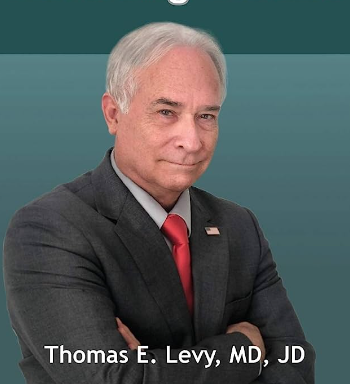
Many of those individual mechanisms have substantial research behind them, even when Levy’s broader conclusions extend beyond what clinical trials have established.
This article looks at the science behind the protocol—not just what Levy recommends. We examine oral, liposomal and intravenous vitamin C, human vitamin C physiology, antioxidant and pro-oxidant effects, magnesium, inflammation, immune function, biofilms, dental infection, ozone, Lyme disease, cancer research, thyroid function, cortisol, aging and laboratory testing that can help determine which mechanisms are actually relevant.
Vitamin C, Redox Biology & Chronic Disease: Thomas Levy Interview
This interview provides a useful introduction to vitamin C as part of a broader metabolic and redox strategy. Topics include oral and liposomal vitamin C, high-dose IV vitamin C, magnesium, cortisol, chronic inflammation, infection, detoxification, aging and cellular antioxidant capacity.
What Is Dr. Thomas Levy’s Vitamin C Protocol?
The Thomas Levy vitamin C protocol combines several forms of vitamin C with treatment directed at the metabolic processes that continually consume antioxidant capacity.
The strategy typically includes:
- Oral vitamin C for repeated daily exposure
- Liposomal vitamin C for improved oral absorption and cellular delivery
- High-dose IV vitamin C for pharmacologic blood concentrations
- Glutathione and other antioxidant systems
- Magnesium and mineral cofactors
- Correction of vitamin D and other nutrient deficiencies
- Attention to thyroid, adrenal and sex-hormone physiology
- Identification of chronic infection and inflammatory triggers
- Medical ozone or other oxidative therapies in selected protocols
- Treatment of persistent sources of oxidative stress rather than antioxidant replacement alone
Infection + Inflammation + Toxins + Metabolic Stress
↓
Increased Oxidation & Antioxidant Demand
↓
Vitamin C + Glutathione + Magnesium + Nutrient Support
↓
Identify and Correct the Ongoing Driver
Human Vitamin C Physiology: Why We Depend on Dietary Vitamin C
Humans cannot synthesize vitamin C internally. Most mammals can convert glucose to ascorbate through a series of liver enzymes, but humans lack a functioning final enzyme in this pathway. Vitamin C therefore must come from food or supplementation.
This matters because vitamin C participates in far more than antioxidant protection. It is required for enzymes involved in:
- Collagen formation and connective-tissue integrity
- Carnitine synthesis and fatty-acid transport
- Catecholamine synthesis
- Iron metabolism
- Immune-cell function
- Antioxidant recycling
- Cellular redox signaling
Tissue vitamin C requirements also rise during infection, inflammation, physical stress and increased oxidative demand.
Dr. Thomas Levy Vitamin C Dosage: Why Route Matters
There is no single meaningful “vitamin C dose” without first specifying the route. An oral dose, a liposomal dose and an IV dose produce dramatically different pharmacokinetics.
Standard Vitamin C
Ordinary oral vitamin C depends on intestinal transport. Fractional absorption declines as a single dose becomes larger, which is why repeated smaller doses are often better tolerated.
Liposomal Vitamin C
Phospholipid encapsulation can increase bioavailability and cellular exposure compared with conventional oral vitamin C.
Intravenous Vitamin C
IV delivery bypasses intestinal absorption and can produce pharmacologic plasma concentrations impossible to reach with ordinary oral supplementation.
Why Divided Oral Vitamin C Doses Make Sense
Intestinal vitamin C transport becomes progressively saturated as the amount taken at one time increases. A large unabsorbed dose remains within the intestinal tract, where its osmotic effect can produce loose stools.
Dividing vitamin C throughout the day therefore has two practical advantages: better gastrointestinal tolerance and more sustained exposure.
In the interview, Levy discusses several grams daily in divided doses as part of his nutritional approach. The larger principle is more important than any single number: oral vitamin C is generally better suited to repeated dosing than to one very large bolus.
Dr. Thomas Levy Liposomal Vitamin C: Absorption & Cellular Delivery
Liposomal vitamin C uses phospholipids to encapsulate ascorbate. The goal is to improve passage through the gastrointestinal environment and increase delivery into blood and cells.
This is no longer only a theoretical advantage. Human randomized pharmacokinetic research has demonstrated higher plasma and leukocyte vitamin C exposure after a liposomal preparation compared with the same dose of conventional oral vitamin C.
Liposomal vitamin C still does not reproduce the pharmacologic concentrations of IV vitamin C. The two approaches serve different purposes and can be complementary.
High-Dose IV Vitamin C: A Different Metabolic Therapy
Intravenous vitamin C changes the pharmacology completely. By bypassing intestinal transport, IV administration can produce millimolar plasma concentrations far above those achieved orally.
At ordinary nutritional concentrations, vitamin C primarily functions as a reducing agent and antioxidant cofactor. At pharmacologic IV concentrations, ascorbate can also generate extracellular hydrogen peroxide in the presence of catalytic metals.
This concentration-dependent shift helps explain why high-dose IV vitamin C has been studied not only for antioxidant support but also as a pharmacologic redox treatment.
High-Dose IV Vitamin C and Cancer
Cancer research is one of the clearest examples of why route and concentration matter. Oral vitamin C cannot produce the plasma concentrations achieved intravenously. Pharmacologic IV ascorbate therefore represents a different intervention from nutritional supplementation.
At high concentrations, ascorbate can generate extracellular hydrogen peroxide and alter redox metabolism in susceptible tumor cells. Cancer cells may also differ from normal cells in iron metabolism, antioxidant capacity, glucose metabolism and mitochondrial function, creating potential metabolic vulnerabilities.
Clinical research has evaluated IV vitamin C alongside chemotherapy and other conventional treatments in pancreatic, ovarian, prostate, brain and other cancers. Recent randomized work in metastatic pancreatic cancer has added to the evidence that pharmacologic ascorbate can be clinically relevant in selected settings.
Antioxidants Are Part of a Redox Network
The term “antioxidant” can be misleading if it suggests that the goal is simply to eliminate oxidation. Oxidation is essential to normal physiology. Immune cells use reactive oxygen species to kill microorganisms, mitochondria use electron transfer to produce energy, and redox signals regulate gene expression and cellular adaptation.
The problem arises when oxidative demand chronically exceeds antioxidant and repair capacity.
Oxidative Pressure
Infection, inflammation, mitochondrial dysfunction, environmental toxins and damaged biomolecules can increase oxidant production.
Reducing Capacity
Vitamin C, glutathione, vitamin E, NADPH-dependent systems and antioxidant enzymes help restore molecules to their reduced state.
Glutathione and Vitamin C Work Together
Vitamin C and glutathione operate in overlapping but different cellular compartments. Vitamin C is prominent in extracellular fluids and also concentrates within cells, while glutathione is one of the major intracellular reducing systems.
Glutathione participates in peroxide removal, detoxification and maintenance of protein thiol groups. Vitamin C can interact with this network and contribute to recycling of other antioxidants.
This is why persistent oxidative stress may require more than additional vitamin C. Methylation, transsulfuration, sulfur amino acids, selenium, mitochondrial function and nutrient status can all influence intracellular antioxidant capacity.
Why Dr. Thomas Levy Uses Magnesium
Magnesium has a strong biochemical reason for being part of a redox and mitochondrial protocol. It is required for hundreds of enzymatic reactions and is fundamental to ATP utilization, membrane transport, nerve conduction, muscle function and intracellular calcium regulation.
Most ATP inside the body functions as a magnesium–ATP complex. Low magnesium can therefore impair energy-dependent processes even when ATP itself is available.
Magnesium also helps regulate calcium movement across cell membranes. This becomes relevant because persistent intracellular calcium elevation can increase mitochondrial stress, excitability and oxidative pressure.
Clinical trials and meta-analyses have also found reductions in CRP in some magnesium-supplemented populations, particularly when baseline inflammation or magnesium deficiency is present.
Vitamin C and Immune Function
Vitamin C accumulates in leukocytes at concentrations well above plasma levels. Neutrophils, monocytes and lymphocytes all use vitamin C during normal immune activity.
Vitamin C contributes to:
- Neutrophil chemotaxis
- Phagocytosis
- Controlled microbial killing
- Protection of immune cells from excessive oxidative injury
- Clearance of spent neutrophils
- Epithelial barrier function
- Resolution of inflammation
During infection and systemic inflammation, vitamin C utilization can increase substantially. Maintaining adequate vitamin C therefore supports both antimicrobial defense and recovery from the oxidative burst generated during that defense.
Biofilms: Why Some Infections Become Persistent
Biofilms are organized microbial communities embedded within an extracellular matrix. They are a normal part of microbial biology and help explain why some infections behave very differently from free-floating organisms in a laboratory culture.
The biofilm environment can:
- Reduce penetration of antimicrobial agents
- Alter microbial metabolism
- Protect organisms from immune attack
- Promote communication between microorganisms
- Support persistence on tissues and medical devices
Biofilms are especially relevant in dental plaque, periodontal disease, chronic wounds, sinuses and implanted-device infections.
Oxidative therapies attract interest partly because reactive oxygen species can damage microbial membranes, proteins and biofilm structure. This provides a mechanistic link between infection, oxidative therapy and subsequent antioxidant recovery.
Dental Infection, Periodontal Disease & Systemic Inflammation
The mouth can be an important source of chronic inflammatory burden. Periodontitis is a persistent microbial-inflammatory disease that can increase systemic inflammatory markers and allow periodic bacterial entry into the circulation.
Periodontal disease has been associated with cardiovascular disease, metabolic dysfunction and other systemic conditions, with inflammation and bacterial translocation among the proposed mechanisms.
Recent randomized-trial meta-analysis also suggests that treating periodontal disease can reduce systemic CRP and improve vascular measures.
Medical Ozone: Oxidative Therapy & Hormesis
Ozone is a highly reactive form of oxygen. Its antimicrobial activity comes from oxidation of microbial membranes, proteins and other vulnerable structures.
When used in controlled medical settings, ozone also creates a short-lived oxidative signal that can activate endogenous antioxidant and stress-response pathways. This type of adaptive response is often described as oxidative hormesis.
Oxidative Effect
Reactive oxygen products can damage microorganisms and modify the local biochemical environment.
Antioxidant Response
Cells respond to a controlled oxidative challenge by increasing endogenous protective and antioxidant pathways.
This helps explain the apparent paradox of combining an oxidative therapy with vitamin C, glutathione and nutritional antioxidant support. One creates a controlled oxidative signal; the other supports restoration and recovery.
Chronic Infection, Inflammation & Oxidative Stress
Infection and oxidative stress are closely connected. Activated neutrophils and macrophages deliberately generate reactive oxygen species as part of antimicrobial defense.
When infection persists, this response can become a continuing metabolic burden. Inflammatory cytokines, mitochondrial dysfunction, tissue injury and oxidized biomolecules can then reinforce one another.
↓
Immune Activation
↓
Reactive Oxygen Species + Inflammation
↓
Mitochondrial Stress
↓
Higher Antioxidant & Repair Demand
Lyme Disease: Infection, Neuroinflammation & Metabolic Recovery
Lyme disease provides a useful example of the overlap between infection, immune activation, neurological symptoms and metabolic stress.
Borrelia infection can produce substantial inflammatory signaling, and persistent symptoms may involve more than one physiologic system. A comprehensive evaluation can therefore look beyond the organism itself and assess:
- Inflammatory burden
- Mitochondrial function
- Oxidative stress
- Nutritional status
- Sleep and autonomic function
- Other tick-borne infections
- GI and immune dysfunction
Cortisol, the Adrenal Gland & Vitamin C
The relationship between vitamin C and the adrenal gland is physiologically important. The adrenal glands contain some of the highest vitamin C concentrations in the body.
Human research has demonstrated rapid adrenal secretion of vitamin C following ACTH stimulation, with ascorbate release occurring as part of the adrenal stress response.
Cortisol and vitamin C therefore participate in overlapping stress physiology: cortisol mobilizes energy and modifies inflammatory activity, while vitamin C supports adrenal biochemistry, catecholamine synthesis and protection against oxidative stress.
This relationship becomes especially relevant in chronic illness, where prolonged inflammatory or physiologic stress can alter cortisol rhythm, sleep, glucose metabolism and antioxidant demand.
Circadian Cortisol Matters
Healthy cortisol output follows a strong circadian rhythm: highest shortly after waking and progressively lower toward evening and sleep.
A flattened, delayed or otherwise abnormal cortisol pattern can accompany chronic stress, sleep disturbance, endocrine disease and chronic illness. This is why time-of-day cortisol measurements can provide more information than a single random cortisol value in selected patients.
Vitamin C, Thyroid Function & Levothyroxine Absorption
Thyroid function directly influences metabolic rate, mitochondrial activity, body temperature, lipid metabolism and energy production. An antioxidant or mitochondrial strategy may therefore underperform when significant hypothyroidism remains untreated.
Vitamin C also has a practical relationship with thyroid treatment. In patients with hypothyroidism and gastritis, clinical studies found that taking levothyroxine with vitamin C improved thyroid-hormone absorption and substantially lowered TSH.
The likely mechanism is straightforward: ascorbic acid lowers gastric pH and improves dissolution and absorption of levothyroxine when abnormal stomach acidity is interfering with the medication.
Vitamin C, Inflammation & Oxidative Stress
Inflammation and oxidative stress continuously interact. Activated immune cells generate oxidants, while excess oxidant production can activate inflammatory signaling and damage lipids, proteins, mitochondria and DNA.
Vitamin C is consumed more rapidly during significant illness and inflammatory stress. Adequate vitamin C supports antioxidant recycling, immune-cell function and restoration of redox balance.
This also explains why simply measuring vitamin intake may not tell the whole story. Two people eating the same amount of vitamin C may have very different metabolic demand because of infection, inflammation, smoking, environmental exposures, metabolic disease or other sources of oxidative stress.
Mitochondria: Where Energy & Oxidative Stress Meet
Mitochondria use controlled electron transfer to produce ATP. They are therefore simultaneously a major source of cellular energy and an important site of redox activity.
When mitochondrial function becomes inefficient, more electrons may escape the respiratory chain and contribute to reactive oxygen formation. Oxidative damage can then further impair mitochondrial membranes and enzymes, creating a self-reinforcing cycle.
Magnesium, glutathione, vitamin C, CoQ10, B vitamins, carnitine and adequate mineral status all intersect with this system.
Vitamin C, Collagen & Healthy Aging
Vitamin C is essential for collagen maturation. The enzymes that hydroxylate proline and lysine during collagen synthesis depend on vitamin C to maintain their iron-containing catalytic centers in the proper reduced state.
This gives vitamin C direct relevance to:
- Skin structure
- Blood vessels
- Bone matrix
- Tendons and ligaments
- Wound healing
- Connective-tissue integrity
Aging also involves progressive mitochondrial dysfunction, low-grade inflammation, oxidative damage, changes in protein turnover and loss of physiologic reserve. Maintaining adequate vitamin C, magnesium, protein, exercise capacity and mitochondrial function therefore fits naturally into a healthy-aging strategy.
Detoxification, Glutathione & Metabolic Clearance
Detoxification is not one pathway. The liver, kidneys, gastrointestinal tract, glutathione system and multiple enzyme families all participate in transforming and eliminating endogenous metabolites and environmental compounds.
Glutathione is particularly important because it can conjugate reactive compounds and also protect cells during oxidative metabolism. Vitamin C helps maintain a reducing environment, while amino acids, minerals and adequate energy production support the enzymes that perform detoxification.
The practical goal is therefore not simply taking “detox” products. It is identifying ongoing exposure, supporting elimination and correcting the nutritional or metabolic limitations that impair normal clearance.
What Should Be Tested Before Building a Redox Protocol?
The most useful way to apply this physiology is to identify which biochemical problems are actually present.
Mitochondrial & Oxidative Stress Testing
Useful for fatigue, poor exercise tolerance, brain fog, oxidative stress and impaired cellular energy.
View Mitochondrial PanelRBC Magnesium
Evaluates intracellular-oriented magnesium status when energy, muscle, nervous-system or mineral symptoms suggest deficiency.
RBC MagnesiumSAM / SAH & Methylation
Evaluates methylation chemistry that intersects with homocysteine, transsulfuration and antioxidant metabolism.
Genova Methylation PanelGI360
Useful when dysbiosis, inflammation, poor digestion or nutrient absorption may contribute to systemic stress.
GI360Lyme Disease Testing
Appropriate when exposure history and symptoms justify targeted evaluation.
Lyme TestingCystatin C
Provides another measure of renal filtration when kidney function is important to treatment planning.
Cystatin CPutting the Pieces Together
The vitamin C/redox model becomes most useful when it is not reduced to one supplement. The major components interact:
| Area | Why It Matters |
|---|---|
| Vitamin C | Redox regulation, collagen, immune function, enzyme support and pharmacologic effects at high IV concentrations |
| Glutathione | Intracellular redox control, peroxide metabolism and detoxification |
| Magnesium | ATP, calcium regulation, membrane function and mitochondrial metabolism |
| Mitochondria | ATP production and a major interface between energy metabolism and oxidative stress |
| Inflammation | Raises oxidative demand and can consume antioxidant resources |
| Infection / Biofilms | Can sustain immune activation and ongoing oxidative stress |
| Dental Health | Periodontal and focal oral inflammation can contribute to systemic inflammatory burden |
| Thyroid | Controls metabolic rate and influences mitochondrial energy production |
| Cortisol | Coordinates stress physiology, glucose availability and inflammatory responses |
| Gut Function | Influences nutrient absorption, immune activity and inflammatory load |
How We Apply This at Second Opinion Physician
Rather than assuming everyone with chronic fatigue, brain fog, inflammation or recurrent infection needs the same protocol, we look for the biochemical pattern that is driving the problem.
- Is oxidative stress elevated?
- Is mitochondrial energy production impaired?
- Is inflammation measurably increased?
- Is infection supported by history or laboratory testing?
- Is magnesium low?
- Is glutathione or transsulfuration impaired?
- Is methylation abnormal?
- Is GI dysfunction limiting nutrient absorption?
- Are thyroid or cortisol abnormalities contributing?
- Is there an unresolved dental or other inflammatory source?
Which Parts of This Protocol Apply to You?
Vitamin C, magnesium, glutathione, mitochondrial support and treatment of infection or inflammation can address very different biochemical problems. The useful first step is identifying which of those problems is actually present.
Frequently Asked Questions About the Thomas Levy Vitamin C Protocol
What is the Thomas Levy vitamin C protocol?
It is a redox-oriented strategy combining oral, liposomal and intravenous vitamin C with magnesium, glutathione and other metabolic support, while also looking for sources of infection, inflammation and oxidative stress.
What vitamin C dosage does Thomas Levy recommend?
Levy commonly discusses several grams of oral vitamin C daily in divided doses and substantially higher pharmacologic doses when vitamin C is administered intravenously. The appropriate route and dose depend on the purpose of treatment.
Why is liposomal vitamin C absorbed differently?
Liposomal vitamin C encapsulates ascorbate within phospholipid structures. Human pharmacokinetic studies have shown increased plasma and leukocyte exposure with some liposomal formulations compared with conventional oral vitamin C.
Is liposomal vitamin C equivalent to IV vitamin C?
No. Liposomal delivery can improve oral absorption and cellular exposure, but intravenous vitamin C can reach much higher pharmacologic plasma concentrations.
Why is high-dose IV vitamin C used in cancer research?
At pharmacologic concentrations, ascorbate can alter tumor redox chemistry and generate extracellular hydrogen peroxide. It is being investigated as a metabolic adjunct in several cancers.
Why is magnesium part of the protocol?
Magnesium is required for ATP utilization, membrane transport, nerve and muscle function, intracellular calcium regulation and many mitochondrial reactions.
How do vitamin C and glutathione work together?
Both participate in cellular redox control. Vitamin C is prominent in extracellular fluids and also enters cells, while glutathione is one of the major intracellular reducing systems. They interact with a larger antioxidant network.
Why are biofilms relevant to chronic infection?
Biofilms surround microbial communities with an extracellular matrix that can alter metabolism, immune access and antimicrobial susceptibility. They are important in dental plaque, chronic wounds and many device-related infections.
Can dental disease increase systemic inflammation?
Yes. Periodontitis is associated with higher systemic inflammatory markers, and periodontal treatment can reduce inflammatory burden in some patients.
Why combine ozone with antioxidant support?
Ozone creates a controlled oxidative stimulus, while endogenous antioxidant systems and nutrients such as vitamin C and glutathione support restoration of redox balance afterward.
What is the relationship between vitamin C and cortisol?
The adrenal glands contain high concentrations of vitamin C, and human studies have demonstrated vitamin C release following ACTH stimulation. Vitamin C and cortisol therefore participate in overlapping stress-response physiology.
Can vitamin C affect thyroid medication absorption?
Yes. In patients with hypothyroidism and gastritis, vitamin C has been shown to improve levothyroxine absorption, likely by improving the gastric environment needed for tablet dissolution.
What testing is useful before building a redox protocol?
Depending on symptoms, useful testing may include kidney function, RBC magnesium, mitochondrial and oxidative-stress markers, methylation testing, nutritional testing, GI assessment and targeted testing for chronic infection.
Related Resources
Explore vitamin C support, mitochondrial testing, magnesium, ozone therapy, methylation and physician consultation.