
High Basophils: Causes, Histamine Symptoms and Blood Test Meaning
A high basophil result often reflects allergy or immune activation. This guide explains common causes, how basophils release histamine, and when mood symptoms may justify whole-blood histamine and methylation testing.
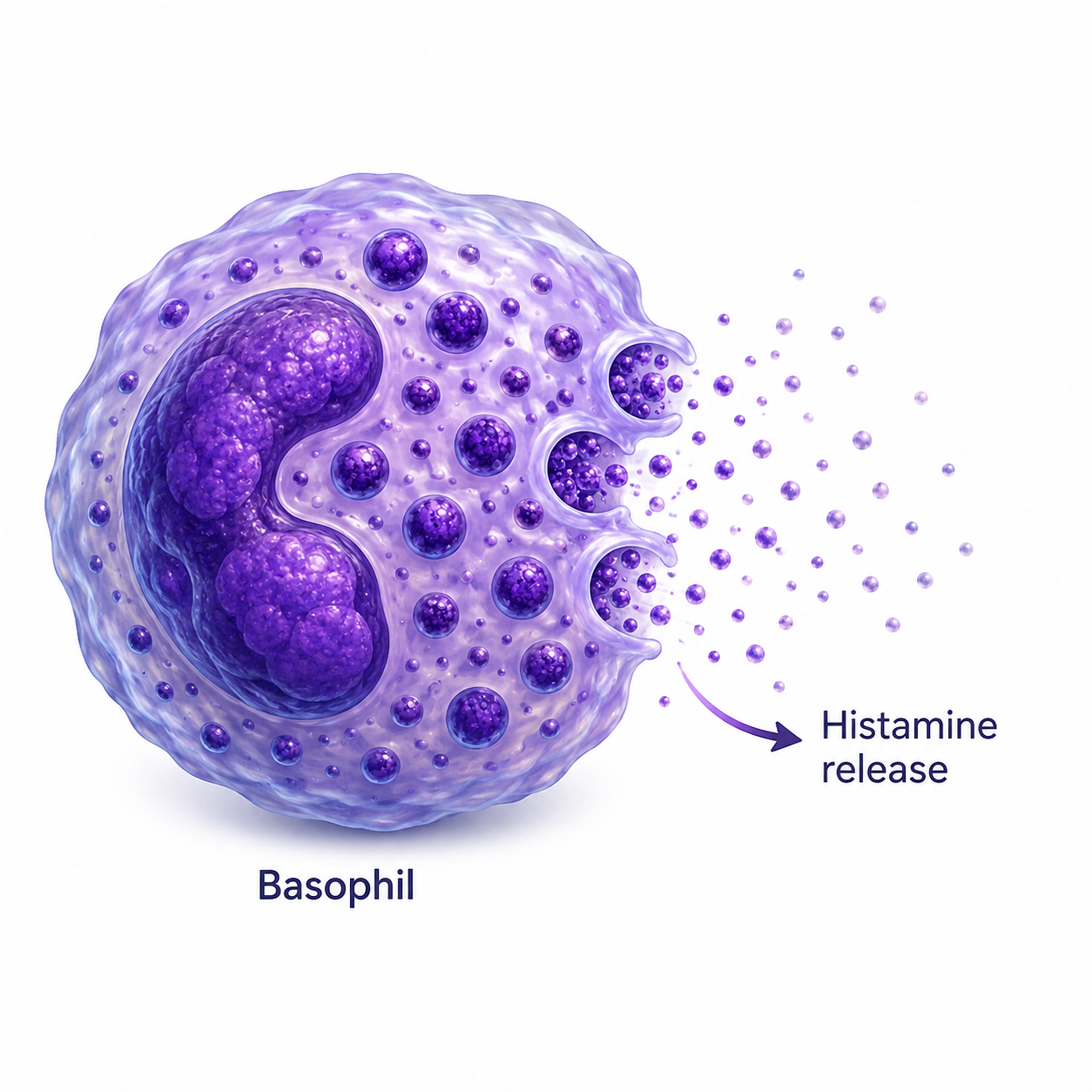
Basophils are uncommon white blood cells involved in allergic reactions, inflammation and histamine release. A mildly elevated result is often temporary, but persistent or marked elevation deserves a broader review.
A high basophil count is not the same test as high whole-blood histamine and does not by itself diagnose histamine intolerance, undermethylation, depression or a Walsh biotype.
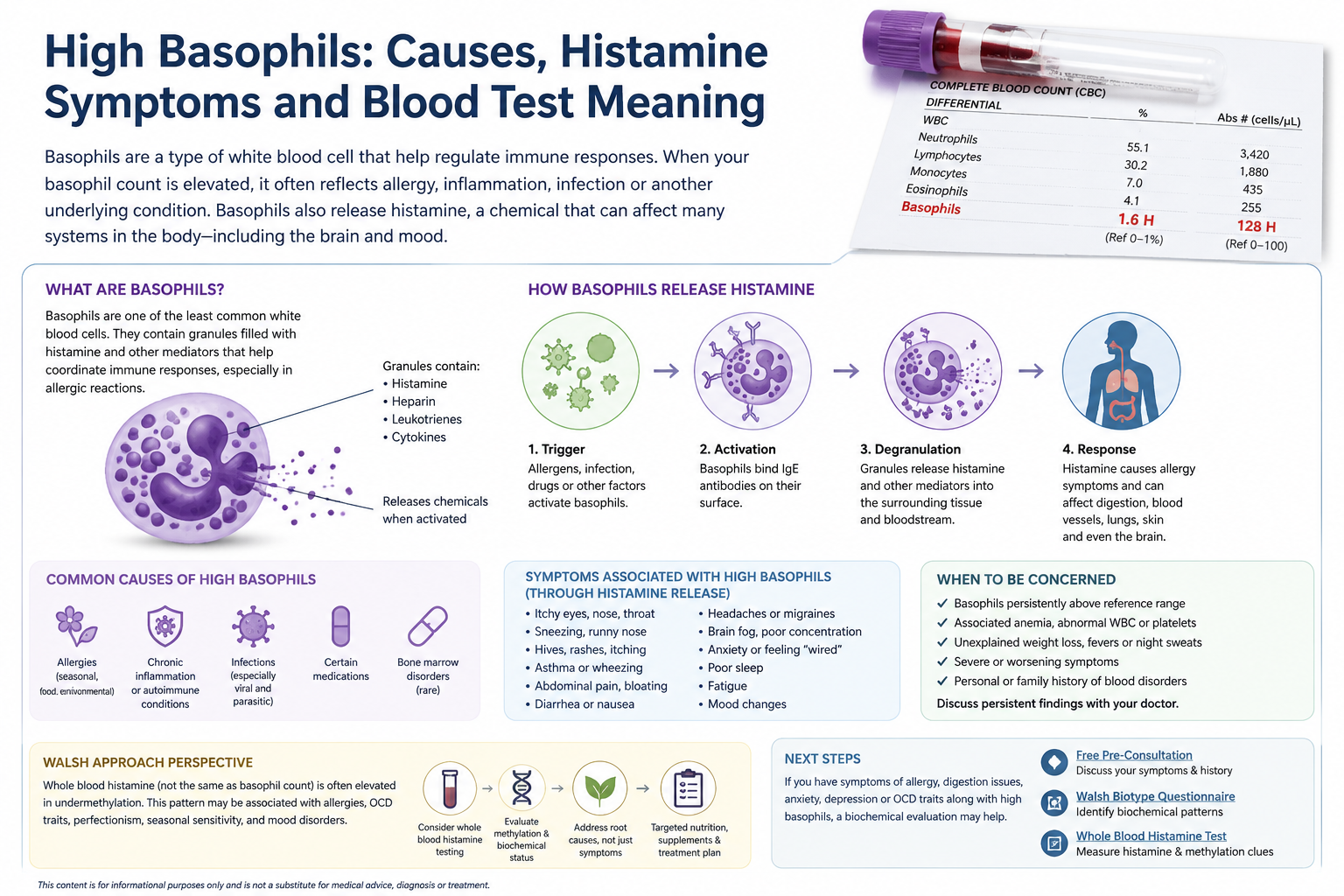
What Are Basophils?
Basophils are among the least common circulating white blood cells. Their granules contain histamine and other inflammatory signals released during allergic and immune responses.
Allergic signaling
Basophils participate in immediate hypersensitivity reactions and may rise with ongoing allergic stimulation.
Histamine release
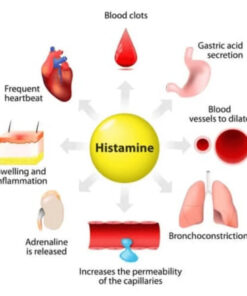
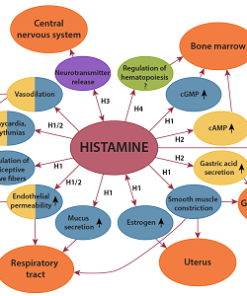
Activated basophils can contribute to itching, congestion, swelling and inflammatory signaling.
One part of the blood count
The result must be interpreted with the total white-cell count, absolute basophil count and the rest of the CBC.
What Does a High Basophil Result Mean?
A high percentage may reflect a true increase or a relative shift because another white-cell category decreased. The absolute basophil count is generally more informative.
Common contributors
- Seasonal or environmental allergies
- Chronic inflammatory activity
- Recovery from infection
- Medication effects
- Smoking or irritant exposure
Findings needing closer review
- Persistent elevation
- Markedly elevated absolute basophils
- Abnormal platelets, hemoglobin or other white cells
- Weight loss, fever, night sweats or enlarged spleen
- New bruising, fatigue or recurrent infections
Basophils, Histamine and Symptoms
Allergy
Itching, hives, congestion, sneezing, watery eyes and flushing.
Digestion
Bloating, nausea, diarrhea or food-triggered discomfort may coexist.
Neurological
Headache, poor sleep, agitation, tension or difficulty calming down.
Circulation
Palpitations, lightheadedness or variable blood pressure in susceptible patients.
Mood
Anxiety, irritability, obsessive thinking or depression may coexist but are not caused by basophils alone.
Mixed patterns
Food reactions, allergies and mood symptoms may reflect several overlapping mechanisms.
Basophils Are Not the Same as Whole-Blood Histamine
| Test | Measures | May suggest | Cannot prove |
|---|---|---|---|
| CBC basophils | Circulating basophil number or percentage | Allergic, inflammatory, infectious or hematologic activity | Histamine intolerance or undermethylation |
| Whole-blood histamine | Histamine in whole blood | A high-histamine pattern used in Walsh-oriented assessment | The cause of every allergy or mood symptom |
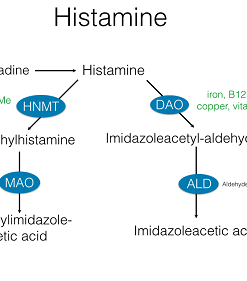
| DAO assessment | Gut-related histamine degradation | Difficulty handling histamine from food | HNMT function or undermethylation |
When Histamine May Point Toward Undermethylation
In the Walsh model, elevated whole-blood histamine may accompany an undermethylated biotype. The pattern is interpreted with symptoms and other testing rather than from basophils alone.
Possible traits
- Seasonal allergies
- Perfectionism or strong inner drive
- OCD traits or rumination
- Chronic depression with internal tension
- Adverse response to folate in some patients
Testing context
- Whole-blood histamine
- Homocysteine and CBC indices
- SAM, SAH and methionine when indicated
- Zinc, copper and ceruloplasmin
- Medication and supplement-response history
What to Do When Basophils Are High
Confirm the result
Review the absolute count, reference range and previous CBCs.
Review the CBC
Look for abnormalities in neutrophils, eosinophils, lymphocytes, hemoglobin and platelets.
Assess context
Consider allergy, infection, inflammation, medicines and systemic warning signs.
Separate pathways
DAO-related food intolerance and HNMT-related intracellular metabolism are different issues.
Test when justified
Whole-blood histamine may help when allergies coexist with depression or classic undermethylation traits.
Escalate concerns
Persistent marked basophilia or additional CBC abnormalities may require hematology evaluation.
From a CBC Finding to a Complete Assessment
A high basophil result should first be interpreted as a blood-count finding. When allergies, food reactions, depression, anxiety or obsessive traits are also present, separate immune activation, dietary histamine, DAO function and whole-blood histamine patterns.
Frequently Asked Questions
What are basophils?
Basophils are uncommon white blood cells involved in allergic reactions, inflammation and histamine release.
What does it mean when basophils are high?
Allergy and inflammation are common explanations, but persistent or marked elevation should be interpreted with the absolute count and the rest of the CBC.
Do high basophils mean histamine intolerance?
No. A high basophil count does not diagnose dietary histamine intolerance or DAO deficiency.
Do high basophils prove undermethylation?
No. Undermethylation is evaluated with symptoms, whole-blood histamine and other biochemical markers.
Educational information only. A high basophil result can have several causes and should not be used alone to diagnose histamine intolerance, undermethylation, depression or a blood disorder.
Thank you so much for sharing such an informative post!
A very informative article on what Histamines are and their role that they play on our overall health. Thank you for taking the time to explain and post this.