Second Opinion Physician Article Library

Functional Medicine, Mental Health, Walsh Approach and Nutrient Therapy Articles

This hub provides broad access to articles on depression, anxiety, OCD, bipolar disorder, autism, ADHD, dementia, medications, methylation, copper and zinc, mitochondrial dysfunction, dysautonomia, oxidative stress, gut health, toxic burden, diet and supportive therapies.

Broad topic buttons lead to categories or major subject hubs. Individual article links include a short description so readers know exactly what they are opening.

Learn by condition

Start with the symptom or diagnosis that led to the search.

Understand medication response

Review benefits, risks, side effects and biochemical context.

Explore biochemical patterns

Read about methylation, copper, zinc, pyroluria and cellular stress.

Move toward assessment

Use questionnaires, laboratory categories and consultation pathways.

Choose a Clinical Pathway

These starting points direct readers to the most relevant part of the library.

Mood and behavior

Depression, anxiety, OCD and bipolar disorder

Includes medication response, Walsh biotypes, methylation, copper, insomnia, panic and irritability.

Explore Articles
Pediatric

Autism, ADHD and neurodevelopment

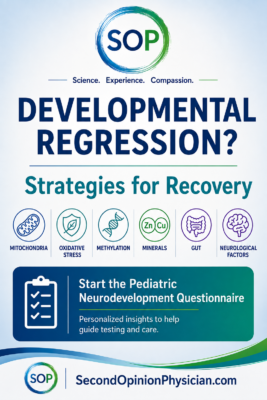
Includes developmental regression, FRAT, leucovorin, oxidative stress, mitochondria and nutrient balance.

Explore Articles
Energy and autonomic function

Mitochondria, dysautonomia and fatigue

Includes ATP production, exercise intolerance, autonomic symptoms, oxidative stress and metabolic brain disorders.

Explore Articles
Nonresponse

Gut barriers, toxic burden and poor tolerance

Includes dysbiosis, histamine, malabsorption, toxic load, kidney/liver clearance and supplement intolerance.

Explore Articles

The Walsh Approach and Biochemical Patterns

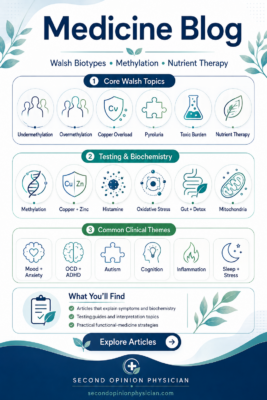
Core reading on nutrient individuality, undermethylation, overmethylation, copper overload, pyroluria, toxic burden and the limitations of any single biochemical model.

Walsh biotypes overview including undermethylation, overmethylation, copper overload, pyroluria and toxic burden
Broad topic hub

The Walsh Approach

Start here for an overview of biochemical patterns, testing, nutrient treatment and the expanded Second Opinion Physician framework.

Explore the Walsh Approach Browse Walsh Articles
WWalsh Protocol ExplainedGeneral introduction to biochemical testing and nutrient individuality. REVWalsh Protocol ReviewBenefits, limitations and reasons some patients fail to respond. 5Five Biotypes of DepressionOverview of the major Walsh biochemical patterns. UMWhat Causes Undermethylation?Methionine, SAM, SAH, histamine, creatine demand and clearance. UMUndermethylation PatternCommon traits, symptoms, testing and nutrient context. OMOvermethylation, Folate and SerotoninAnxiety, chemical sensitivity and medication activation. CuCopper Overload Signs and SymptomsCopper, zinc, ceruloplasmin, anxiety and hormonal patterns. B6Pyroluria, Anxiety and InsomniaZinc/B6 loss, oxidative stress and urine testing. TOXToxic OverloadThe Walsh toxic pattern and broader functional burden. SAHDr. Walsh’s Analysis of SAHMethylation inhibition and functional undermethylation.
Clinical next steps

Move from general education to symptom organization, laboratory testing or clinical discussion.

Questionnaires Walsh Testing Pre-Consultation

Depression, Anxiety, OCD, Bipolar Disorder and Medications

Condition and medication guides explaining benefits, side effects, biochemical fit, treatment nonresponse and why the same medication may help one patient while worsening another.

Condition hub

Mental Health Conditions

Browse depression, anxiety, OCD, ADHD, bipolar disorder, insomnia, autism and related symptom guides.

Browse Conditions
Medication hub

Mental Health Medications

Browse antidepressants, ADHD medications, mood stabilizers, antipsychotics and medication-response articles.

Browse Medication Guides
ADChoosing the Best AntidepressantBiochemical patterns, folate reactions, copper and medication response. SSRISSRIs ExplainedHow SSRIs work, common side effects and reasons they may activate symptoms. SNRISNRIs ExplainedSerotonin/norepinephrine effects, activation and withdrawal considerations. ADHDADHD Medications ExplainedStimulants, nonstimulants, appetite, sleep and rebound symptoms. MSMood Stabilizers ExplainedLithium, valproate, lamotrigine and other mood-maintenance drugs. APAntipsychotic Medications ExplainedUses, dopamine effects, metabolic risks and monitoring. BPWhat Causes Bipolar Disorder?Genetics, calcium channels, inflammation, mitochondria and sleep. DEPAlternative Therapies for DepressionWalsh testing, nutrient therapy and metabolic strategies. OCDOCD, Methylation and MitochondriaMethylation, glutamate, brain energy and metabolic approaches. BZDBenzodiazepine WithdrawalWithdrawal symptoms and the need for supervised tapering.
Medication safety

Necessary psychiatric medication should not be stopped abruptly. Stabilization and assessment should precede any prescriber-guided reduction.

Medication Hub Discuss Next Steps

Methylation, Histamine, Homocysteine and Folate

Articles on methionine, SAM, SAH, homocysteine, whole-blood histamine, folate, B12, creatine demand, kidney clearance and supplement reactions.

Methylation pathway showing methionine, SAM, SAH, homocysteine, folate, B12, B6, betaine and creatine
Broad category

Methylation Pathway Library

Browse all posts categorized under methylation, SAM/SAH, homocysteine, folate-B12 dynamics and creatine demand.

Browse Methylation Articles
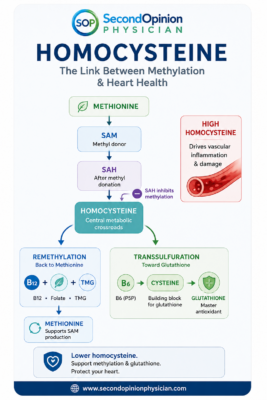
MMethylation ExplainedGeneral introduction to methylation, symptoms, histamine and testing. LABHow to Test MethylationWhole-blood histamine, SAM, SAH, methionine and homocysteine. HCYHomocysteine and MethylationHomocysteine, methionine recycling and transsulfuration. SAHElevated SAH and Methylation InhibitionHow SAH may inhibit methylation despite a normal homocysteine result. CrCreatine and MethylationHow creatine synthesis uses methyl groups and increases demand. pHSodium Bicarbonate and MethylationAlkalinity, kidney handling and SAH-related clinical theory. HISHigh Basophils and HistamineBasophils, histamine symptoms and undermethylation clues. HHistamine Intolerance and MethylationHistamine symptoms, DAO, nutrients and functional contributors. DAODAO Supplements and Histamine TestingDAO support, testing and diagnostic limitations. MTHWhy MTHFR Testing Can MisleadWhy a gene variant alone does not establish methylation status.
Clinical next steps

Use methylation and histamine testing when symptoms or supplement reactions require clarification.

Methylation Tests Individual Biotype Tests

Copper, Zinc, Ceruloplasmin and Pyroluria

Articles on anxiety, insomnia, postpartum mood changes, zinc deficiency, copper binding, free copper, pyroluria and nutrient repletion.

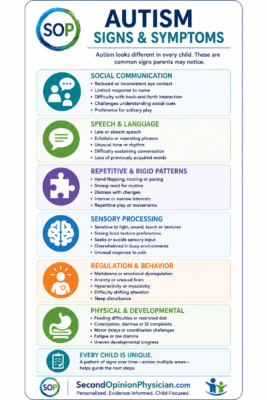
Autism, ADHD and Pediatric Neurodevelopment

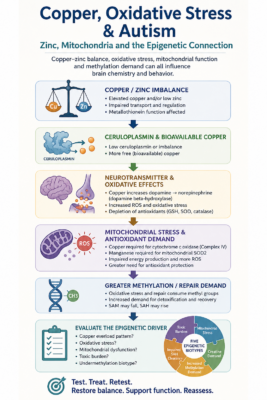
Articles on developmental regression, autism, ADHD, Fragile X, FRAT, leucovorin, oxidative stress, mitochondria, copper-zinc balance and family resources.

Pediatric neurodevelopment assessment overview
Broad category

Pediatric Neurodevelopment Library

Browse the full category covering regression, oxidative stress, folate transport, autism, ADHD and pediatric functional testing.

Browse Pediatric Articles
DEVDevelopmental Regression in ChildrenWhat to evaluate when language, behavior or other skills are lost. ROSOxidative Stress in Autism8-OHdG, glutathione, SOD enzymes and mitochondria. FRAFolate Receptor Antibodies and AutismFRAT/FRAA testing, cerebral folate transport and methylation. LVLeucovorin, FRAT and AutismFolinic acid treatment in FRAT-positive cases. ASDSigns and Symptoms of AutismAutism traits, biochemical patterns and individualized assessment. TXTreating Autism Spectrum DisordersFunctional and nutritional considerations within broader care. ADHDADHD and Nutrient ImbalanceZinc, copper, methylation and nutrition. FXFragile X Syndrome ExplainedGenetic testing, symptoms and developmental concerns. MTAutism, Mitochondria and DetoxificationMitochondrial strain, oxidative stress and detox burden. RESAutism Resources for FamiliesEducational and practical resources for families.
Clinical next steps

Use the pediatric questionnaire hub and targeted testing when the history spans multiple developmental domains.

Pediatric Questionnaires FRAT Testing Cellular Stress Tests

Mitochondria, Dysautonomia, Fatigue and Cellular Resilience

Broad access to articles on ATP production, autonomic dysfunction, exercise intolerance, metabolic brain disorders, oxidative stress, glutathione, ketones and mitochondrial support.

Gut Health, Histamine, Toxic Burden and Treatment Barriers

Articles on dysbiosis, histamine intolerance, mast-cell activation, poor absorption, toxic exposure, kidney/liver clearance, hydration and reasons supplements may be poorly tolerated.

Gut and histamine

Gut Health and Absorption

Start here when digestion, food reactions, histamine symptoms or nutrient absorption may be blocking response.

Browse Gut Health Articles
Toxic and clearance

Toxic Burden and Detoxification

Browse toxic exposure, oxidative stress, kidney/liver clearance, sauna and detoxification topics.

Explore Toxic Overload Detox and Immune Articles
DAOHistamine Intolerance, DAO and TestingDAO function, symptoms, testing and supplement considerations. DIETLow-Histamine Diet and DAO FoodsFood selection and histamine-load strategies. HFoods and Supplements That Lower HistamineDietary and nutrient approaches to histamine burden. HISWhat Are Histamines?General introduction to histamine biology and symptoms. MCASMast-Cell Activation Signs and SymptomsMulti-system symptoms and diagnostic overlap. LABMast-Cell Activation Laboratory TestingTesting and diagnostic challenges in suspected MCAS. TOXToxins and MethylationToxic burden, methylation inhibition and treatment nonresponse. KIDKidney Detoxification and MethylationKidney clearance, minerals and methylation-related theory. LIVLiver Support with Vitamin U and CabbageA focused nutritional article on liver and gut support. HOTSauna Benefits and DetoxificationHeat exposure, circulation, sweating and recovery support.
Clinical next steps

Use broader functional evaluation when gut, toxic, hydration or clearance barriers may be limiting improvement.

Toxic Burden Questionnaire Other Lab Panels Pre-Consultation

Diet, Glutamate, Ketones and Metabolic Therapy

Articles on low-glycemic nutrition, Mediterranean diet, ketogenic therapy, glutamate/NMDA activity, creatine, vitamin D and metabolic influences on mood and cognition.

Dementia, Alzheimer’s Disease and Cognitive Decline

Articles on metabolic, vascular, nutritional, inflammatory, mitochondrial and toxic contributors to cognitive decline, together with Bredesen-related testing and treatment concepts.

Broad condition category

Cognitive Decline and Alzheimer’s

Browse the full category rather than being directed to only one treatment, interview or laboratory article.

Browse Cognitive Articles
Testing hub

Cognoscopy and Dementia Testing

Browse current Cognoscopy and dementia-related laboratory categories when testing is the next question.

Cognoscopy Panels
DEMWhat Causes Dementia?Metabolic, vascular, inflammatory, nutritional and toxic contributors. COGBredesen Cognoscopy TestingLaboratory evaluation of potentially modifiable contributors. VIDThe End of Alzheimer’s InterviewA focused video discussing Dale Bredesen’s approach. MTAlzheimer’s and MT Promoter TherapyMetallothionein, zinc, oxidative stress and cognitive vulnerability. BREDBredesen Alzheimer’s Testing and Treatment VideoTesting and treatment concepts in cognitive decline. HCYHomocysteine and MethylationVascular risk, methylation and neurological context. CPCeruloplasmin and Copper RegulationCopper binding, zinc, vitamin A and liver support. ZnZinc Deficiency and TestingZinc status, antioxidant defenses and neurological health.
Clinical next steps

Use Cognoscopy and related testing categories when moving from education to laboratory evaluation.

Cognoscopy Panels Methylation Tests

Ozone Therapy, Inflammation, Infections and Supportive Therapies

Educational material on ozone therapy, sauna, infections, inflammation, Lyme-related biofilms, COVID-related topics and other integrative therapies.

Latest Articles

Place the Beaver Builder Posts or Post Grid module directly below this section. Use three columns on desktop, featured images, category labels, short excerpts and pagination. The organized hub above provides durable access by topic, while the post grid keeps recently published material visible.

Educational information only. Articles do not replace urgent medical, psychiatric or emergency evaluation. Medication changes should be directed by the prescribing clinician. Laboratory findings and nutrient protocols require interpretation in the context of medical history, symptoms, medications and treatment goals.
  • Folinic Acid for Autism – FRAT Testing

    By David Epstein, D.O. | August 6, 2026

    Leucovorin for Autism: What Parents and Clinicians Should Know Families and clinicians are exploring whether folate receptor autoantibodies (FRα) contribute to low brain folate-and when folinic acid (leucovorin) may help. This article explains FRAT testing, what the evidence shows, and how we personalize decisions at Second Opinion Physician. What Are Folate Receptor Antibodies? FRα transports […]

  • Understanding the Methylation Test

    By David Epstein, D.O. | July 31, 2026

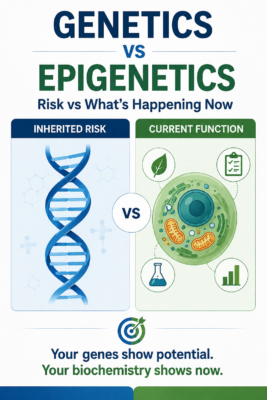
    How to Read a Methylation Panel Report: SAM, SAH, Homocysteine and Nutrient Needs Learning how to read a methylation panel report begins with understanding that the test measures current biochemistry-not merely genetic potential. Functional panels from Genova Diagnostics and Doctor’s Data evaluate metabolites such as methionine, SAM, SAH, homocysteine, cystathionine and cysteine, while the broader […]

  • Trauma, TBI, & Hormones – Mark Gordon, MD

    By David Epstein, D.O. | July 29, 2026

    The Mark Gordon Approach to Traumatic Brain Injury: Hormones, Neuro-Inflammation, Biomarkers and Peptides Dr. Mark Gordon’s approach to traumatic brain injury and post-concussion syndrome focuses on the biochemical consequences that may persist after a concussion, blast exposure or repetitive head trauma. Rather than viewing depression, fatigue, insomnia, irritability, cognitive decline and PTSD-like symptoms only as […]

  • Insomnia

    By David Epstein, D.O. | July 25, 2026

    Insomnia Causes and Treatment: Types of Insomnia, Medication Side Effects, Cortisol and Walsh Biotypes Insomnia causes and treatment vary because difficulty falling asleep, repeated awakenings, early-morning waking and nonrestorative sleep do not arise from one mechanism. The main types of insomnia may reflect hyperarousal, cortisol and glucose dysregulation, trauma, medication effects, intestinal problems or circadian […]

  • Alkaline Diet and Kidney Function

    By David Epstein, D.O. | July 24, 2026

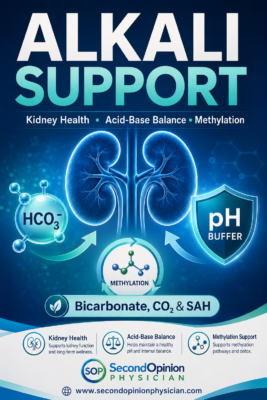
    Alkaline Diet, Body pH and Kidney Function: How Acid Load May Affect Filtration and Methylation An alkaline-forming diet does not directly change blood pH, which is tightly regulated by the lungs and kidneys. It can, however, reduce dietary acid load and increase the supply of potassium, magnesium, citrate and bicarbonate precursors used for buffering. In […]

  • How Toxic Overload Causes Mood Disorders

    By David Epstein, D.O. | July 24, 2026

    Can Toxic Overload Cause Depression? Elevated SAH, Glutathione and Undermethylation Toxic overload and depression may be connected when environmental exposures, gut-derived toxins, oxidative stress, glutathione depletion and impaired clearance reduce neurological resilience. In susceptible patients, these pressures may increase mitochondrial stress, raise SAH, lower the SAM-to-SAH ratio and create a functional undermethylation pattern that contributes […]

  • Liver Detoxification Pathways: Phases, Glutathione and Bile

    By David Epstein, D.O. | July 24, 2026

    Liver Detoxification Pathways: How Methylation, Glutathione and Bile Remove Toxins The liver transforms medications, alcohol, hormones, environmental chemicals, microbial products and metabolic waste so they can be eliminated through urine or bile. These liver detoxification pathways depend on coordinated Phase I transformation, Phase II conjugation and Phase III transport, together with adequate methylation, homocysteine metabolism, […]

  • Kidney Detoxification, Elevated SAH and Methylation

    By David Epstein, D.O. | July 23, 2026

    How Kidney Detoxification May Improve Methylation The kidneys do far more than filter blood. They regulate acid-base balance, electrolytes and the removal of metabolic waste that can interfere with methylation. When kidney filtration, buffering capacity or downstream disposal is impaired, SAH, homocysteine and adenosine may accumulate, slowing methylation and contributing to fatigue, inflammation and toxic […]

  • Five Epigenetic Biotypes of Undermethylation | Beyond MTHFR

    By David Epstein, D.O. | July 23, 2026

    The Five Epigenetic Biotypes of Undermethylation Dr. William Walsh identified five major biochemical biotypes associated with mood and behavior disorders: undermethylation, overmethylation, copper overload, pyroluria and toxic overload. Toxic overload-the fifth Walsh biotype-can inhibit methylation through elevated SAH and impaired SAH-hydrolase pathway function, ultimately contributing to an undermethylated state. The Five Epigenetic Biotypes of Undermethylation […]

  • Walsh Toxic Overload Biotype: Elevated SAH, Zinc and the SAHH Bottleneck

    By David Epstein, D.O. | July 22, 2026

    Elevated SAH, Zinc and the SAH Hydrolase Pathway Dr. William Walsh’s interpretation of elevated SAH centers on a bottleneck at the SAH hydrolase (SAHH) pathway. SAH is reversibly connected to homocysteine and adenosine, so the pathway does not continue moving away from SAH unless both downstream products are adequately processed. In the Walsh model, zinc […]