Walsh Protocol Practitioner | Telemedicine Biotype Assessment
Looking for a Walsh Protocol practitioner? Second Opinion Physician provides physician-reviewed Walsh Protocol consultations and biochemical assessments by telemedicine. Evaluation may include symptoms, physical traits, family history, medication response and laboratory findings associated with undermethylation, overmethylation, copper overload, pyroluria and toxic burden.
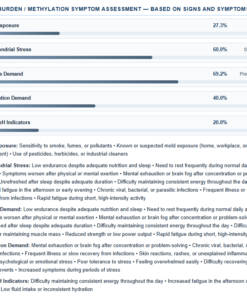
Walsh biotype assessments can also be combined with methylation testing and physician interpretation of SAM, SAH, methionine, homocysteine and related laboratory findings. Telemedicine allows patients searching for a Walsh Protocol practitioner near me to obtain an evaluation without needing a local Walsh-trained practitioner.




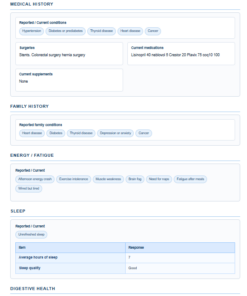

Choosing a Walsh Protocol Consultation
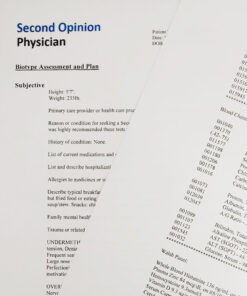
Second Opinion Physician offers several ways to begin or continue a Walsh Protocol evaluation. New patients may start with a free pre-consultation or a physician-reviewed Walsh biotype assessment. Patients who already have methylation testing, or who need a more detailed biochemical review, may benefit from a combined biotype and methylation assessment.
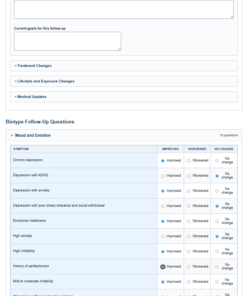
Follow-up consultations are designed for patients who have already completed an initial assessment and need review of symptoms, laboratory changes, treatment progress, or updated methylation findings.
Walsh Protocol Practitioner & Testing FAQs
What does a Walsh Protocol practitioner evaluate?
A Walsh Protocol evaluation considers symptoms, physical traits, family history, medication response, and laboratory findings that may support biochemical patterns such as undermethylation, overmethylation, copper overload, pyroluria, and toxic burden.
How can I find a Walsh Protocol practitioner near me?
Walsh-trained practitioners are not available in every community. Telemedicine can provide access to physician-reviewed Walsh Protocol consultations without requiring the practitioner to be located nearby, subject to applicable telemedicine requirements.
What is a Walsh biotype assessment?
A Walsh biotype assessment combines questionnaire findings with clinical history and, when available, laboratory testing to evaluate patterns associated with undermethylation, overmethylation, copper overload, pyroluria, and related biochemical findings.
What laboratory tests are commonly reviewed?
Depending on the clinical situation, review may include whole-blood histamine, copper, ceruloplasmin, zinc, homocysteine, vitamin D, and other laboratory findings relevant to Walsh biotype interpretation.
What is methylation testing?
Methylation evaluation may include markers such as SAM, SAH, methionine, homocysteine, and related findings. These results can provide additional information about methylation function beyond symptom-based biotype assessment alone.
Can existing laboratory results be reviewed?
Yes. Existing laboratory results may be reviewed when they contain the markers needed for the selected consultation. Additional testing may be recommended when important information is missing.
What is the difference between a biotype assessment and a biotype plus methylation assessment?
The biotype assessment focuses on the traditional Walsh biochemical patterns. The combined assessment adds interpretation of methylation markers such as SAM and SAH when those laboratory results are available.