
Insomnia Causes and Treatment: Types of Insomnia, Medication Side Effects, Cortisol and Walsh Biotypes
Insomnia causes and treatment vary because difficulty falling asleep, repeated awakenings, early-morning waking and nonrestorative sleep do not arise from one mechanism. The main types of insomnia may reflect hyperarousal, cortisol and glucose dysregulation, trauma, medication effects, intestinal problems or circadian disruption. Insomnia medications may provide short-term relief but can also cause daytime impairment, tolerance, dependence or withdrawal. The Walsh Approach to insomnia adds targeted biochemical evaluation for copper overload, pyroluria, overmethylation, severe undermethylation, elevated SAH and the Five Epigenetic Biotypes of Undermethylation.
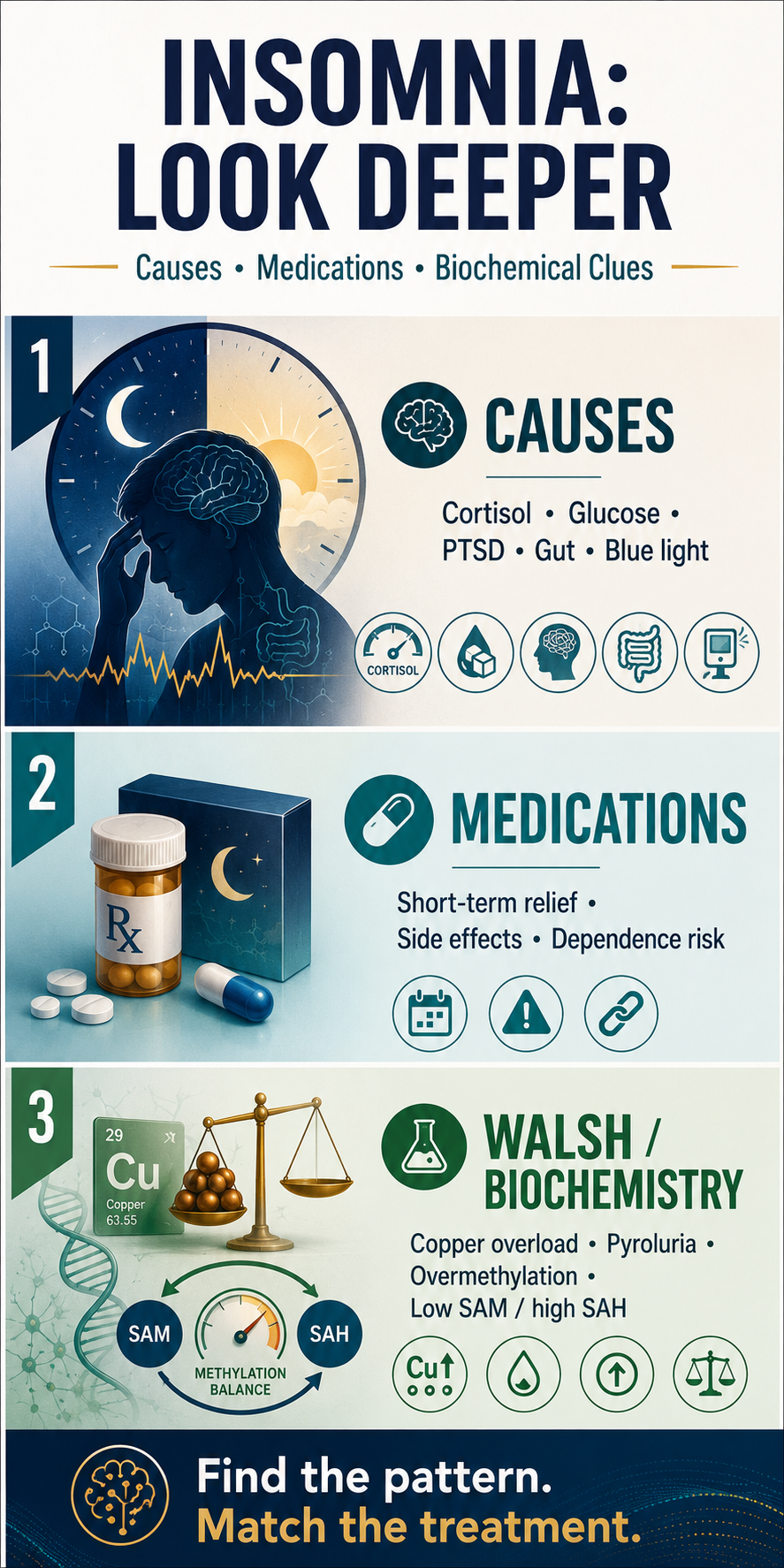

The central clinical idea: insomnia is often treated as a shortage of sedation, but many patients remain awake because the brain is activated by stress chemistry, circadian disruption, metabolic instability, trauma, medication effects or a treatable biochemical pattern. Treatment should identify the type of insomnia and the mechanism keeping the nervous system awake.
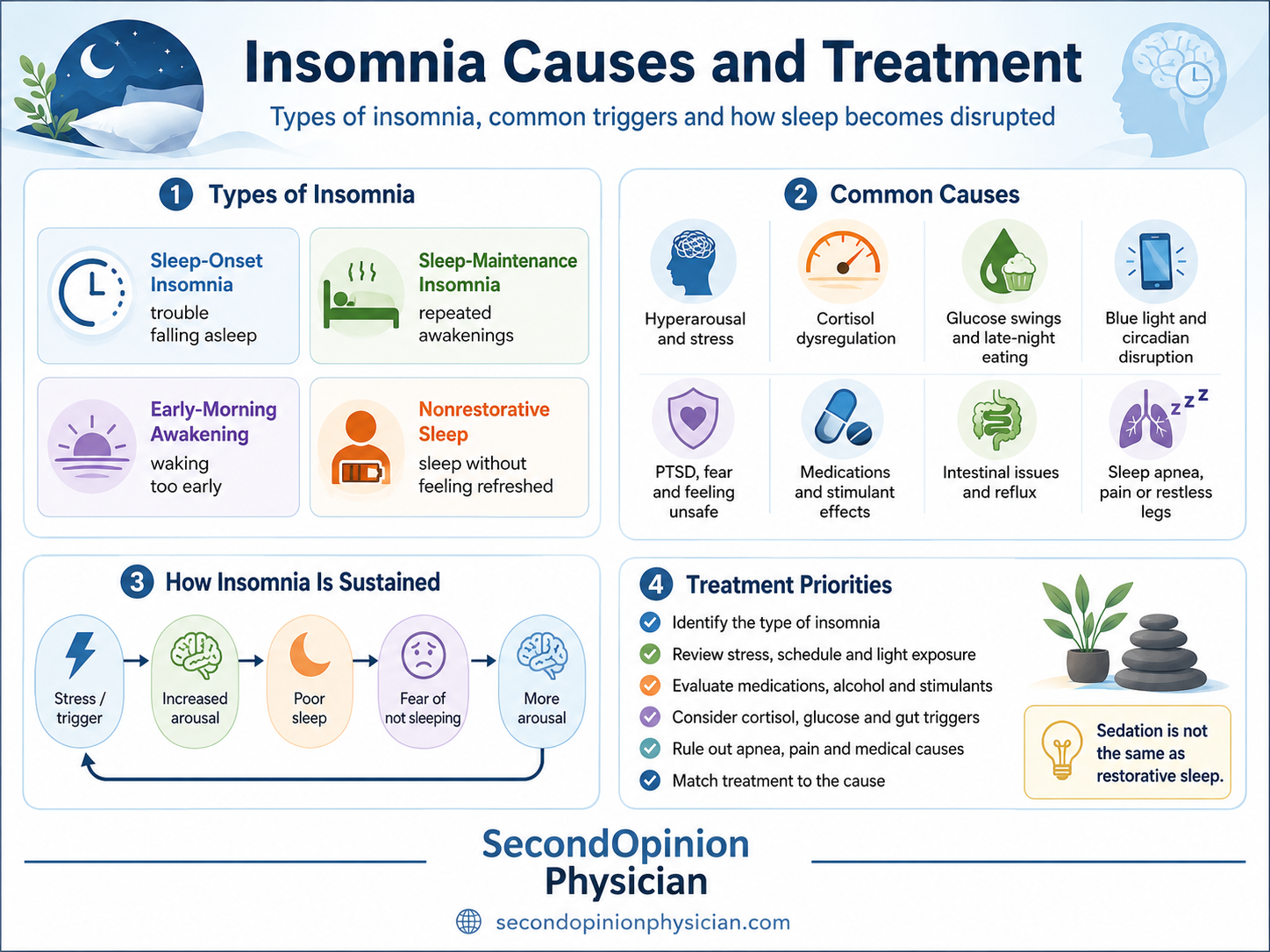
Different types of insomnia may arise from circadian, psychological, metabolic, medical or biochemical causes.
What Are the Most Common Biochemical Causes of Insomnia?
Insomnia causes and treatment should not be reduced to sleep hygiene or sedation. Biochemical hyperarousal may arise from copper-driven norepinephrine excess, zinc and vitamin B6 depletion, overmethylation, severe undermethylation, low SAM, elevated SAH, mitochondrial stress, cortisol dysregulation or impaired clearance.
Copper and Catecholamine Activation
Copper overload may increase conversion of dopamine toward norepinephrine, contributing to anxiety, panic, irritability and a nervous system that remains activated at night.
Zinc, B6 and Stress Tolerance
Pyroluria may be associated with chronic zinc and vitamin B6 demand, reduced stress tolerance, inner tension and difficulty settling after emotional or physiological stress.
Methylation and Catecholamine Clearance
Severe undermethylation with low SAM or elevated SAH may reduce SAM-dependent methyltransferase activity involved in catecholamine metabolism, potentially prolonging nighttime arousal.
The Walsh Approach to insomnia begins early in the evaluation—not after conventional treatment fails. Sleep pattern, anxiety type, medication response, sensory sensitivity, family traits, hormone history and targeted laboratory testing may identify a treatable biochemical driver.
What Are the Main Types of Insomnia?
The main types of insomnia may be short-term or chronic. It may involve trouble initiating sleep, maintaining sleep, waking too early or obtaining sleep that feels restorative. The pattern often provides the first clue to the underlying mechanism.
Sleep-Onset Insomnia
Difficulty settling or falling asleep. Racing thoughts, delayed circadian timing, evening light, stimulants, high cortisol, anxiety and catecholamine excess may contribute.
Sleep-Maintenance Insomnia
Repeated awakenings. Pain, reflux, apnea, glucose shifts, alcohol, medication rebound, cortisol activation and urinary symptoms may contribute.
Early-Morning Awakening
Waking hours before the intended time. Depression, circadian phase advance, cortisol, medication withdrawal and metabolic changes may be relevant.
Nonrestorative Sleep
Sleep occurs but does not refresh. Apnea, restless legs, bruxism, pain, inflammation, medication effects and fragmented sleep should be considered.
Insomnia is different from sleep deprivation. Insomnia occurs despite adequate opportunity for sleep.
How Does the Walsh Approach to Insomnia Identify Treatable Biochemical Causes?
The Walsh Approach asks which biochemical pattern is driving arousal, poor stress tolerance, neurotransmitter imbalance, nutrient depletion or medication sensitivity.
One patient may have copper-driven norepinephrine excess, another zinc and B6 depletion from pyroluria, another low-histamine overmethylation with chemical sensitivity, and another severe undermethylation with inadequate SAM-dependent catecholamine metabolism.
Insomnia can be a biochemical clue. Sleep pattern, anxiety type, sensory sensitivity, medication response, family traits, hormone history, digestive symptoms and targeted labs may reveal a more treatable mechanism than the diagnosis alone.
Related reading: the Walsh Approach and the WalshDoc Biotype Questionnaire.
Which Walsh Biotypes Are Most Commonly Associated With Insomnia?
Copper Overload
Copper overload may increase dopamine-beta-hydroxylase activity and shift dopamine toward norepinephrine. Anxiety, panic, irritability, emotional intensity, hormone sensitivity and nighttime hyperarousal may occur.
Common treatment priorities: confirm copper and zinc status, reduce free-copper burden gradually, restore zinc and antioxidant support, and address hormone or medication contributors.
Testing may include serum copper, plasma zinc, ceruloplasmin, calculated free copper and CBC.
Pyroluria
Pyroluria is associated in the Walsh model with chronic zinc and vitamin B6 demand, poor stress tolerance, inner tension, social anxiety and sleep disruption. Secondary copper imbalance may amplify arousal.
Common treatment priorities: confirm urine pyrroles, restore zinc and vitamin B6 carefully, support magnesium and antioxidants, and treat associated copper imbalance or stress triggers.
Overmethylation
Overmethylation may involve low whole-blood histamine, nervous energy, sensory or chemical sensitivity, unusual medication reactions, rapid thoughts and poor tolerance of methyl donors.
Common treatment priorities: avoid reflexive use of SAMe, methionine or strong methyl donors; evaluate histamine pattern, folate or niacin response, sensory triggers and medication sensitivity.
Severe Undermethylation
Severe undermethylation may combine high whole-blood histamine, obsessive thinking and inner tension. When SAM is low or SAH is elevated, COMT and other SAM-dependent methyltransferases may have reduced capacity to metabolize catecholamines, potentially prolonging nighttime arousal.
Common treatment priorities: distinguish low SAM from elevated SAH, evaluate whole-blood histamine and homocysteine, support ATP and creatine balance, and avoid assuming that folate is appropriate.
The same supplement may help one biotype and aggravate another. Folate, niacin, SAMe, methionine, tryptophan, zinc and B6 should not be chosen solely because insomnia is present.
Related reading: copper overload, pyroluria, and undermethylation.
How Can the Five Epigenetic Biotypes of Undermethylation Cause Insomnia?
The Five Epigenetic Biotypes describe acquired barriers that may lower SAM, raise SAH or increase methylation demand. They can overlap with classic Walsh biotypes and may explain why a longstanding tendency suddenly becomes severe insomnia.
Toxin Exposure
Environmental toxicants, alcohol, medication burden and gut-derived compounds may increase oxidative stress, glutathione demand and methylation workload.
Mitochondrial Stress
Reduced ATP may impair conversion of methionine to SAM, antioxidant recycling and recovery from arousal.
Creatine Demand
Endogenous creatine synthesis consumes SAM-derived methyl groups and may reduce reserve in susceptible patients.
High Methylation Demand
Stress, inflammation, repair, hormone metabolism and neurotransmitter processing may consume methyl capacity faster than it is restored.
Acidic pH and Impaired Clearance
Kidney stress, low bicarbonate, impaired adenosine handling and elevated SAH may inhibit methylation and prolong hyperarousal.
Combined Pattern
Severe insomnia may emerge when classic undermethylation overlaps mitochondrial stress, elevated SAH and impaired clearance.
Related reading: the Five Epigenetic Biotypes and low SAM versus elevated SAH.
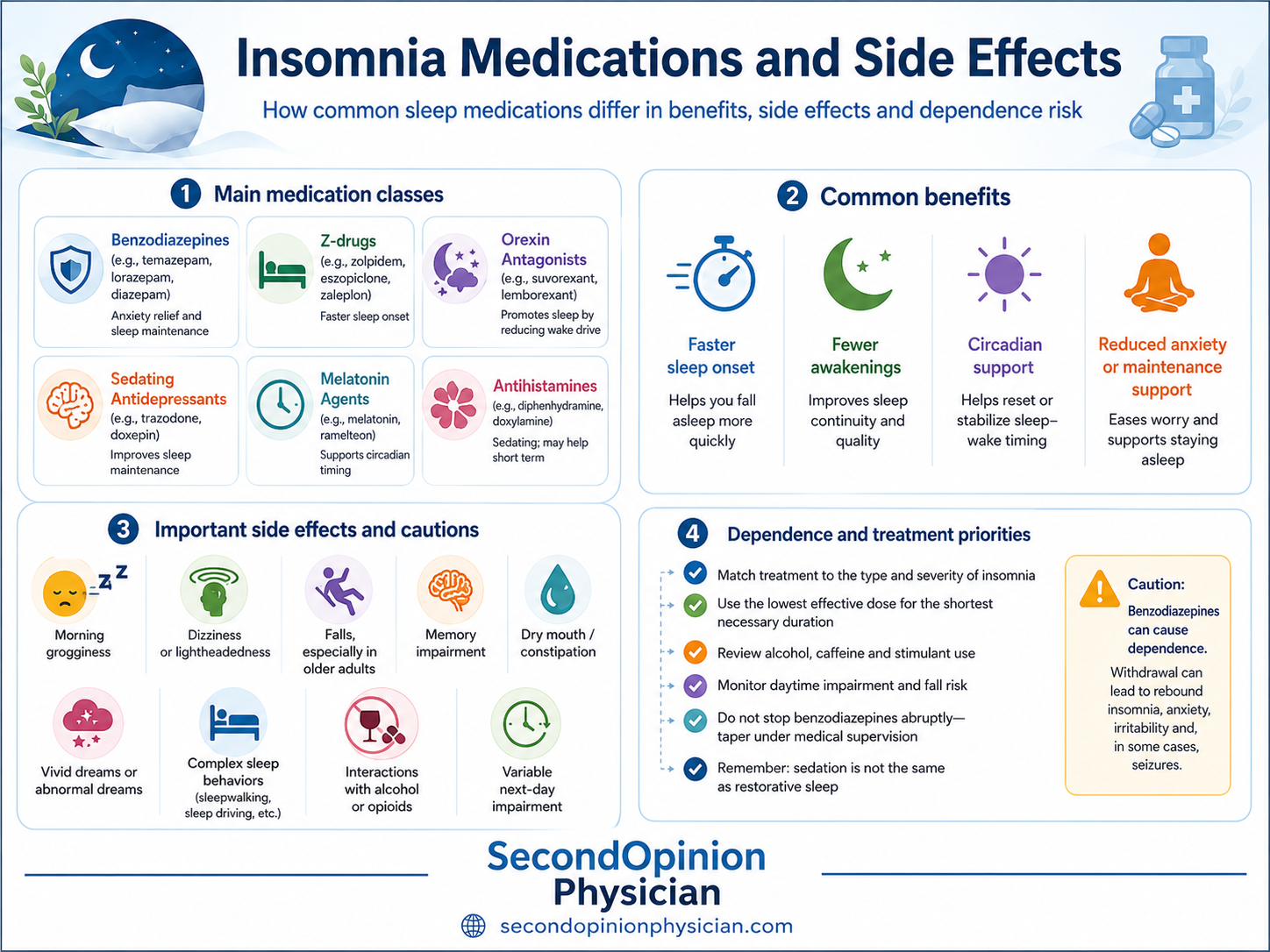
Copper overload, pyroluria, overmethylation and severe undermethylation can disrupt sleep through different mechanisms and require different treatment priorities.
Which Insomnia Causes and Treatment Options Should Be Considered First?
When reviewing insomnia causes and treatment, cognitive behavioral therapy for insomnia, or CBT-I, is generally recommended as first-line treatment for chronic insomnia. It combines stimulus control, sleep restriction or compression, cognitive restructuring, relaxation and correction of habits that perpetuate insomnia.
CBT-I
Targets conditioned wakefulness, fear of sleeplessness, irregular schedules and behaviors that weaken sleep drive.
Circadian Treatment
Timed morning light, evening light reduction, schedule stabilization and selected melatonin use may help when sleep timing is shifted.
Medical Treatment
Medication, apnea treatment, restless-leg treatment, pain control, reflux treatment or hormone and metabolic evaluation may be needed.
Sleep hygiene can support treatment but is often insufficient in severe chronic insomnia. Conditioned hyperarousal may require direct treatment rather than another list of bedtime rules.
Which Insomnia Medications and Side Effects Should Patients Understand?
| Class | Examples | Potential benefit | Important limitations |
|---|---|---|---|
| Benzodiazepines | Temazepam, triazolam, lorazepam, clonazepam | Rapid reduction of anxiety and sleep-onset difficulty | Tolerance, physical dependence, withdrawal insomnia, cognitive impairment, falls and dangerous interaction with alcohol or opioids |
| Z-drugs | Zolpidem, eszopiclone, zaleplon | May reduce sleep latency or awakenings | Next-day impairment, amnesia, dizziness, falls and rare complex sleep behaviors |
| Orexin antagonists | Suvorexant, lemborexant, daridorexant | Reduce wake signaling | Daytime sleepiness, abnormal dreams, sleep paralysis and drug interactions |
| Sedating antidepressants | Low-dose doxepin, trazodone, mirtazapine | May help when insomnia overlaps mood or maintenance problems | Morning sedation, dizziness, dry mouth, constipation, weight or appetite changes and withdrawal effects depending on the drug |
| Melatonin agents | Ramelteon, melatonin | May assist sleep onset and circadian timing | Variable response; timing may matter more than dose |
| Antihistamines | Diphenhydramine, doxylamine, hydroxyzine | Short-term sedation | Tolerance, dry mouth, constipation, urinary retention, confusion and next-day impairment |
| Other off-label agents | Gabapentin, quetiapine, clonidine | May address another coexisting condition | Dizziness, edema, weight or metabolic effects, low blood pressure and withdrawal-related rebound |
Sedation is not identical to restorative sleep. A medication may reduce awareness of wakefulness while leaving apnea, trauma, glucose instability or the biochemical driver untreated.
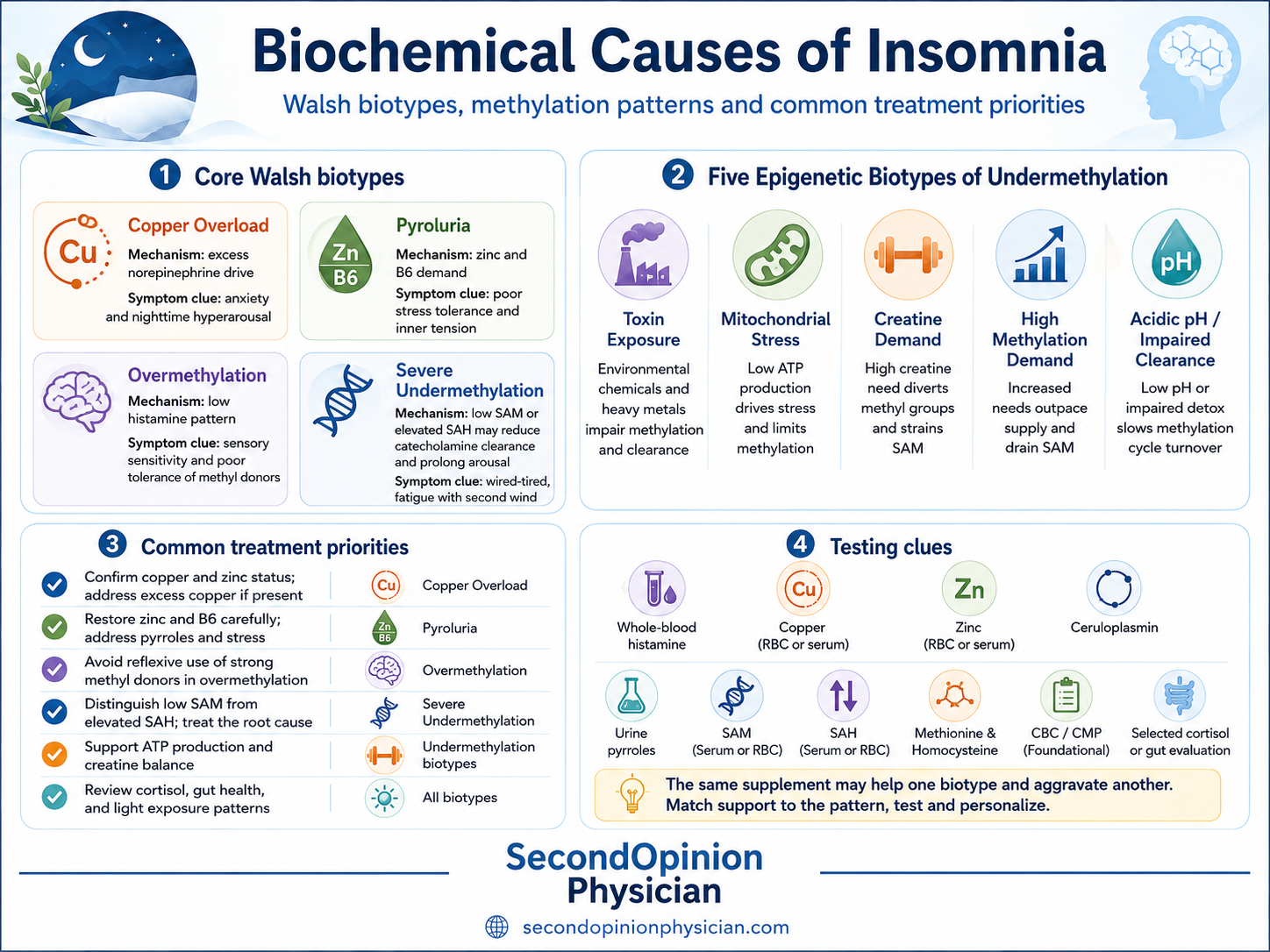
Sleep medications differ in mechanism, benefits, next-day effects, dependence potential and withdrawal risk.
Why Can Benzodiazepines Cause Dependence and Withdrawal Insomnia?
Benzodiazepines enhance GABA-A signaling. With repeated use, the nervous system adapts. A dose that once produced sleep may become less effective, while abrupt reduction may expose an overactive excitatory state.
Withdrawal may cause rebound insomnia, anxiety, sensory sensitivity, tremor, agitation, panic, perceptual disturbance and, in severe cases, seizures or delirium.
Benzodiazepines should not be stopped abruptly after regular use. Tapering should be individualized and medically supervised.
Related reading: benzodiazepine dependence, tapering and withdrawal insomnia.
How Do Hyperarousal and Emotional Stress Cause Insomnia?
Chronic insomnia is often a disorder of persistent arousal rather than a simple inability to become tired. The brain may continue scanning for danger, solving problems, rehearsing conversations or monitoring whether sleep is occurring.
Emotional Stress
Grief, conflict, caregiving, relationship instability and fear of illness may keep the stress system activated.
Financial and Work Stress
Debt, employment insecurity, legal concerns and responsibility for others can produce repetitive nighttime planning.
Fear of Not Sleeping
After repeated bad nights, the bed itself may become associated with effort, failure and danger.
How Are Cortisol and Insomnia Connected?
Cortisol and insomnia are connected through the circadian stress-response system. Cortisol normally rises toward morning and falls at night. Some patients with chronic insomnia show increased twenty-four-hour or evening cortisol consistent with hyperarousal, although patterns vary.
Nighttime cortisol activation may occur with emotional stress, pain, infection, inflammation, glucose instability, excessive exercise, apnea, medication effects or trauma.
Cortisol testing must be interpreted by time of day. Selected patients may benefit from a multi-point saliva or urine profile rather than one isolated measurement.
Can a Low-Inflammation Diet Improve Insomnia?
Diet may influence insomnia through blood-glucose stability, reflux, histamine exposure, gut inflammation, mitochondrial energy and the timing of meals. A low-inflammation diet emphasizes whole foods, adequate protein, vegetables, healthy fats and fewer refined carbohydrates, added sugars, ultra-processed foods and excessive alcohol.
A low-glycemic Mediterranean-style diet is often the most practical starting point. It supports steadier glucose, provides magnesium, zinc, B vitamins, antioxidants and omega-3 fats, and may reduce inflammatory and metabolic stress without requiring severe carbohydrate restriction.
A ketogenic diet may be considered selectively when metabolic dysfunction, glucose instability, mitochondrial stress, glutamate excess or treatment- resistant neuropsychiatric symptoms suggest that a shift toward ketone fuel may be useful. Ketogenic therapy is not automatically appropriate for every patient with insomnia and may initially worsen sleep, constipation, irritability, dehydration, mineral loss or low bicarbonate if poorly implemented.
Diet should match the pattern. Late-night eating, histamine intolerance, reflux, dysbiosis, reactive hypoglycemia and excessive carbohydrate restriction can each disrupt sleep through different mechanisms.
How Do Glucose Dysregulation and Late-Night Eating Affect Sleep?
Insufficient or fragmented sleep can worsen insulin sensitivity, while large late meals may impair nighttime glucose handling and disrupt peripheral clocks in the liver, pancreas and gut.
Some patients awaken with sweating, palpitations, hunger or an adrenaline sensation. Contributors may include glucose fluctuation, alcohol, reactive hypoglycemia, cortisol activation or medication effects.
Large Late Dinner
May worsen reflux, nocturnal glucose tolerance and sleep fragmentation.
High-Sugar Evening Intake
Rapid glucose changes may contribute to hunger or sympathetic activation.
Under-Eating During the Day
Restriction followed by nighttime eating may destabilize appetite, glucose and circadian timing.
The solution is not automatically a bedtime snack. Meal timing, total intake, protein, alcohol use and symptom timing should be reviewed together.
How Does Blue Light Exposure Affect Melatonin and Sleep Timing?
Light is the strongest external signal to the central circadian clock. Bright evening light—particularly short-wavelength light—can suppress or delay melatonin and shift sleep timing later.
Phones are not the only concern. Bright overhead lighting, televisions, monitors and illuminated rooms may maintain an alerting signal. Morning outdoor light helps anchor the clock.
Practical circadian signal: bright light and activity in the morning; progressively dimmer, warmer light in the evening; and a stable wake time.
How Do PTSD, Hypervigilance and Feeling Unsafe Disrupt Sleep?
Sleep requires reduced environmental monitoring. PTSD, prior violence, medical trauma, unstable housing, caregiving responsibility or persistent fear may prevent the nervous system from fully standing down.
PTSD-related sleep disturbance may include insomnia, nightmares, panic at sleep onset, exaggerated startle and avoidance of sleep. Treatment may require trauma therapy, CBT-I, nightmare-focused treatment and evaluation for apnea or movement disorders.
Safety is physiological as well as psychological. Noise, temperature, an unpredictable household, fear of intrusion or responsibility for another person may sustain nighttime vigilance.
Which Medications, Medical Conditions and Intestinal Problems Cause Insomnia?
Medication Effects
Stimulants, corticosteroids, decongestants, thyroid medication, activating antidepressants, some asthma medications, diuretics and withdrawal may interfere with sleep.
Medical and Sleep Disorders
Apnea, restless legs, pain, menopause, hyperthyroidism, cardiac symptoms, urinary frequency and neurological disease may produce or mimic insomnia.
Intestinal Causes
Reflux, bloating, constipation, diarrhea, histamine reactions, dysbiosis, food intolerance and abdominal pain may fragment sleep.
Alcohol may shorten sleep latency while worsening sleep architecture, snoring, apnea, early awakening and rebound sympathetic activation.
Which Tests May Help Identify the Cause of Severe or Chronic Insomnia?
| Test or evaluation | What it may clarify |
|---|---|
| Sleep history and diary | Sleep onset, awakenings, early waking, schedule, triggers and conditioned patterns |
| Apnea or movement evaluation | Snoring, oxygen disruption, restless legs and fragmented sleep |
| Multi-point cortisol | Morning, daytime and evening HPA-axis patterns in selected patients |
| Glucose and insulin markers | Diabetes risk, reactive patterns and nighttime metabolic stress |
| Whole-blood histamine | Classic undermethylation versus overmethylation pattern |
| Copper, zinc and ceruloplasmin | Copper overload, low zinc and calculated free copper |
| Urine pyrroles with specific gravity | Pyroluria and zinc/B6 stress pattern |
| SAM, SAH, methionine and homocysteine | Low SAM, elevated SAH and methylation barriers |
| CBC, CMP, vitamin D and thyroid | Anemia, organ function, electrolytes, nutrient status and thyroid contribution |
| Gut and inflammation evaluation | Reflux, dysbiosis, malabsorption, food reactions and inflammatory burden |
Review available Walsh, methylation and functional laboratory testing.
How Should Insomnia Treatment Be Prioritized?
Acute mania, psychosis, suicidal risk, severe withdrawal, dangerous sleep deprivation or inability to function may require urgent stabilization.
Do not abruptly discontinue sleep or psychiatric medications. Withdrawal from benzodiazepines, alcohol or selected medications can be medically dangerous.
Frequently Asked Questions About Insomnia Causes and Treatment
What are the main types of insomnia?
The main patterns are sleep-onset insomnia, sleep-maintenance insomnia, early-morning awakening and nonrestorative sleep.
What is the first-line treatment for chronic insomnia?
CBT-I is generally recommended first because it treats conditioned arousal, sleep-related fear, schedule problems and behaviors that perpetuate insomnia.
Can insomnia medications cause dependence?
Benzodiazepines can cause physical dependence and withdrawal insomnia. Other medications may cause tolerance, rebound symptoms or discontinuation effects.
Can cortisol cause nighttime awakenings?
Cortisol and sympathetic activation may contribute, but pain, emotional stress, glucose changes, apnea, medication effects and inflammation should also be considered.
Can eating late at night worsen insomnia?
Large or high-sugar meals near bedtime may worsen reflux, nocturnal glucose handling and circadian misalignment.
Which Walsh biotypes are associated with insomnia?
Copper overload, pyroluria, overmethylation and severe undermethylation may all produce insomnia through different biochemical mechanisms.
How can severe undermethylation affect sleep?
Low SAM or elevated SAH may reduce SAM-dependent methyltransferase activity involved in catecholamine metabolism, potentially prolonging inner tension and nighttime arousal.
Can PTSD cause insomnia even when the person feels safe now?
Yes. Trauma can condition the nervous system to remain vigilant during the transition into sleep.
Investigating the Causes of Chronic Insomnia and Treatment Options
A structured sleep history and biochemical assessment may distinguish circadian disruption, hyperarousal, cortisol or glucose problems, medication effects, gut dysfunction, copper overload, pyroluria, overmethylation, severe undermethylation and elevated SAH.
Selected Sources and Further Reading
- Qaseem A, et al. Management of chronic insomnia disorder in adults.
- Sateia MJ, et al. Pharmacologic treatment of chronic insomnia.
- Kalmbach DA, et al. Hyperarousal and sleep reactivity.
- Nicolaides NC, et al. HPA axis and sleep.
- St-Onge MP, et al. Sleep, diet and glucose metabolism.
- Rubino F, et al. Metabolic effects of late dinner.
- Shechter A, et al. Blue-light blocking for insomnia.
- Germain A. Sleep disturbance in PTSD.
- U.S. FDA. Boxed warning for complex sleep behaviors.
- Lader M. Benzodiazepine dependence and withdrawal.