Liver Detoxification Pathways: How Methylation, Glutathione and Bile Remove Toxins
The liver transforms medications, alcohol, hormones, environmental chemicals, microbial products and metabolic waste so they can be eliminated through urine or bile. These liver detoxification pathways depend on coordinated Phase I transformation, Phase II conjugation and Phase III transport, together with adequate methylation, homocysteine metabolism, transsulfuration, glutathione, taurine and other sulfur compounds. When toxic exposure, gut-derived inflammation, low zinc, oxidative stress, low SAM or elevated SAH exceed the liver’s metabolic reserve, detoxification may become less efficient and contribute to fatigue, brain fog, mood symptoms and toxic overload.

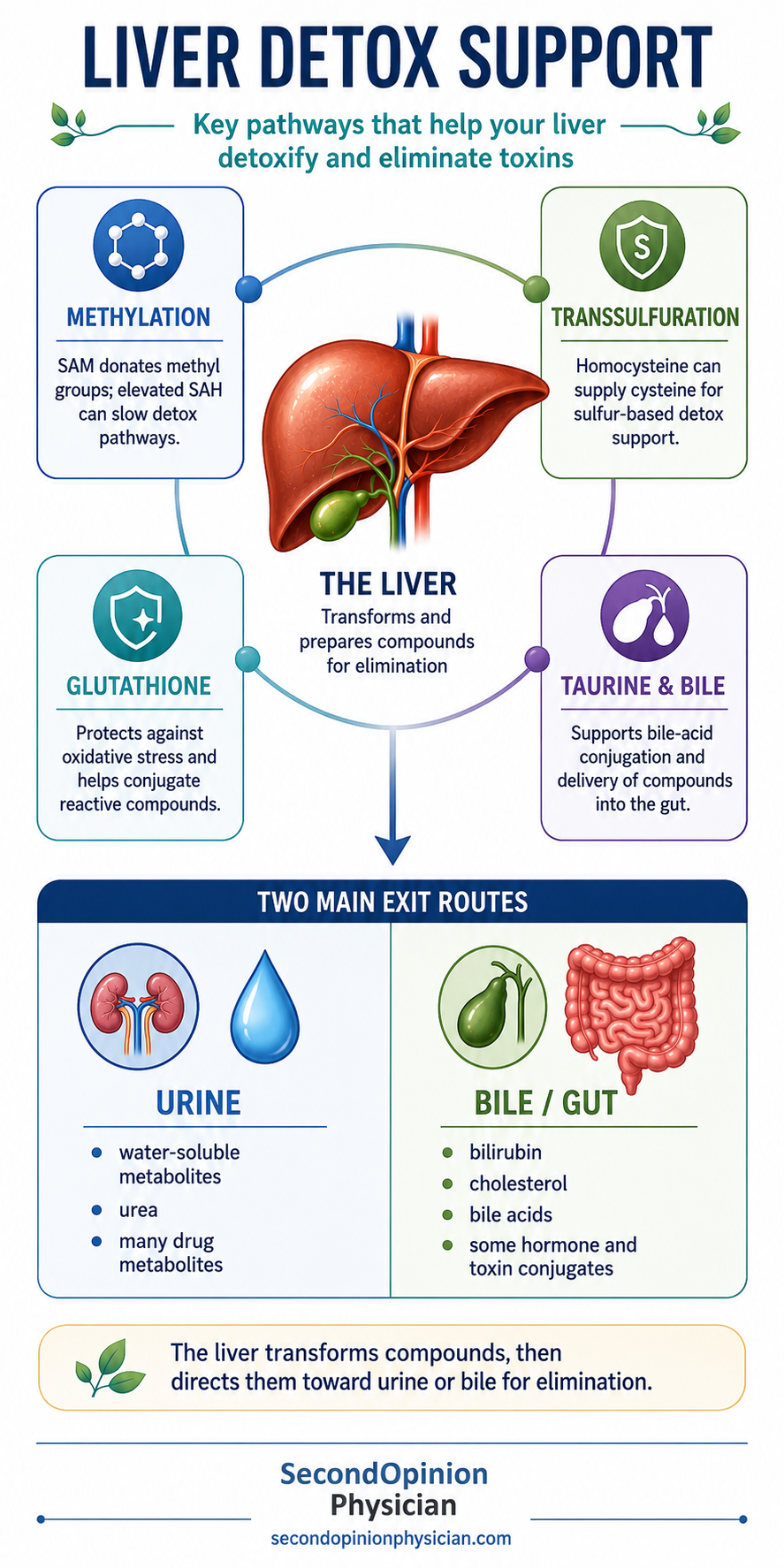
The central clinical idea: the liver depends on the methionine cycle and transsulfuration pathway to balance methylation, homocysteine disposal, glutathione production and sulfur metabolism. Elevated SAH may inhibit methylation, while inadequate movement of homocysteine into transsulfuration can reduce cysteine and glutathione availability. The liver must also conjugate and transport processed compounds into urine or bile for final elimination.

What Does Liver Detoxification Actually Mean?
Liver detoxification is more accurately called biotransformation and elimination. Hepatocytes take up medications, environmental chemicals, steroid hormones, bilirubin and metabolic products from the blood. Enzymes then modify or conjugate these compounds so they can be transported out of the liver.
Some substances are made less active and more water-soluble. Others are temporarily converted into reactive intermediates that must be rapidly neutralized by glutathione or another conjugation pathway. Final products leave through the kidneys into urine or through bile into the intestine.
The liver does not simply “filter toxins.” It performs enzyme-dependent chemical reactions, supplies antioxidants, packages compounds for transport and coordinates their removal through the kidneys or digestive tract.
How Can Liver Detoxification Affect Mood, Brain Function and Toxic Overload?
The liver influences neurological function indirectly by regulating medications, steroid hormones, inflammatory compounds, ammonia, bilirubin, copper transport and many products absorbed from the gut. When liver metabolism is overburdened, oxidative stress may rise while glutathione, methylation capacity and cellular energy are consumed more rapidly.
In the Walsh model, toxic overload may contribute to depression, irritability, poor concentration and other neuropsychiatric symptoms. The symptoms do not identify a specific toxin, but they may justify a targeted review of environmental exposure, medications, alcohol, gut dysfunction, copper–zinc balance, methylation and organ clearance.
Oxidative Stress
Reactive drug metabolites, alcohol, metals and environmental toxicants may increase demand for glutathione and other antioxidant systems.
Methylation Demand
The liver produces and uses substantial SAM. Elevated SAH can inhibit methyltransferases even when methyl donors remain available.
Gut-Derived Burden
Endotoxin and microbial metabolites travel from the intestine to the liver through the portal circulation and may increase inflammatory and metabolic workload.
Medication Sensitivity
Hepatic enzyme activity, drug interactions, nutrition and liver function influence medication concentrations and side-effect risk.
Related reading: toxic overload, elevated SAH and impaired methylation .
What Are Phase I, Phase II and Phase III Liver Detoxification?
Phase I: Transformation
Cytochrome P450 enzymes and related systems perform oxidation, reduction and hydrolysis. These reactions may deactivate a compound, activate a medication or create a reactive intermediate requiring rapid conjugation.
Phase II: Conjugation
The liver attaches glutathione, glucuronic acid, sulfate, glycine, taurine, acetyl groups or methyl groups. Conjugation usually increases water solubility and prepares the compound for transport.
Phase III: Transport and Excretion
Membrane transporters move metabolites into blood for renal removal or across the canalicular membrane into bile for intestinal elimination.
“Stimulating Phase I” is not always beneficial. If a reactive intermediate is produced faster than glutathione and other Phase II systems can neutralize it, oxidative stress and liver injury may increase.
Why Does Liver Detoxification Depend on the Methylation Pathway?
The liver is a major site of methionine metabolism and SAM production. Methionine combines with ATP to form S-adenosylmethionine, or SAM. SAM supplies methyl groups for hundreds of reactions involving DNA, phospholipids, neurotransmitter metabolism, creatine synthesis, hormone metabolism and selected detoxification reactions.
After SAM donates a methyl group, it becomes S-adenosylhomocysteine, or SAH. SAH must then be converted toward homocysteine and adenosine. Because SAH inhibits methyltransferases, the balance between SAM and SAH is more important than either value alone.
How Can Elevated SAH Affect Liver Detoxification?
Elevated SAH acts as a biochemical brake on many SAM-dependent methyltransferases. This may reduce methylation capacity even when methionine, folate or other methyl donors are available.
The liver is especially relevant because it produces and uses large amounts of SAM, manages homocysteine through both remethylation and transsulfuration, synthesizes glutathione and carries out methylation- dependent reactions. Liver disease can disrupt SAM production, SAH disposal and the normal balance between methyl-group supply and demand.
Methylation Inhibition
Accumulated SAH can inhibit methyltransferases involved in cellular regulation, membrane metabolism and selected detoxification pathways.
Reduced SAM-to-SAH Ratio
A low ratio suggests less effective methylation potential even when a single SAM value appears adequate.
Impaired Pathway Flow
Poor removal of homocysteine or adenosine may favor the reversible SAH-hydrolase reaction moving back toward SAH.
Related reading: Dr. Walsh’s elevated SAH and SAH-hydrolase model .
What Does the Liver Do With Homocysteine?
Homocysteine occupies a branch point. It can be recycled back to methionine through remethylation or irreversibly directed into transsulfuration to produce cysteine and downstream sulfur compounds.
Remethylation
Methionine synthase uses methylcobalamin and 5-methyl-THF to recycle homocysteine to methionine. The liver also expresses betaine-homocysteine methyltransferase, which uses betaine derived from choline to remethylate homocysteine.
Transsulfuration
CBS combines homocysteine with serine to form cystathionine. Cystathionine gamma-lyase then produces cysteine, which can support glutathione, taurine, sulfate and hydrogen-sulfide metabolism.
Homocysteine is not merely a cardiovascular marker. It also reflects the distribution of sulfur and one-carbon metabolism between methionine recycling, methylation and antioxidant production.
How Does the Transsulfuration Pathway Support Liver Detoxification?
Transsulfuration transfers sulfur from homocysteine into cysteine. This provides a metabolic connection between the methylation cycle and the liver’s major antioxidant and sulfur-conjugation systems.
Vitamin B6 is required for both major transsulfuration enzymes. Serine supplies the carbon skeleton used by CBS. Riboflavin, folate, vitamin B12, choline, betaine, magnesium, zinc and adequate protein also influence the larger methionine and sulfur-amino-acid network.
A blocked methylation cycle can also become a detoxification problem. If SAH accumulates, homocysteine is poorly managed or sulfur-amino-acid substrate is inadequate, the liver may have less flexibility to maintain methylation while also supplying cysteine for glutathione and taurine.
Why Is Glutathione Central to Liver Detoxification?
Glutathione is made from glutamate, cysteine and glycine. Cysteine is usually the rate-limiting amino acid, linking glutathione production directly to dietary protein, cysteine availability and transsulfuration.
Conjugation
Glutathione-S-transferases attach glutathione to electrophilic drugs, chemical metabolites and other reactive compounds, preparing them for further processing and excretion.
Antioxidant Defense
Glutathione peroxidases use glutathione to reduce peroxides and limit oxidative damage to proteins, membranes and mitochondria.
Reactive-Metabolite Protection
Glutathione neutralizes reactive intermediates such as NAPQI formed during acetaminophen metabolism. Severe glutathione depletion permits these intermediates to damage hepatocytes.
Glutathione must also be recycled from its oxidized form. This requires NADPH, making mitochondrial and cellular energy metabolism relevant to antioxidant resilience.
How Does Taurine Support Bile and Liver Detoxification?
Taurine is a sulfur-containing amino acid derived partly from cysteine. In the liver, taurine conjugates with bile acids to form more water- compatible bile salts. Glycine is the other major conjugating amino acid in humans.
Conjugated bile acids are more efficiently secreted into bile and are important for fat digestion, cholesterol disposal and the delivery of biliary compounds into the intestine. Taurine also participates in cell volume regulation, membrane stability and antioxidant and inflammatory signaling.
Taurine is not a stand-alone liver cleanse. Its value must be understood within bile-acid synthesis, gallbladder function, sulfur-amino-acid metabolism, kidney status and the overall nutritional pattern.
Which Sulfur Compounds Are Important for Liver Detoxification?
| Sulfur compound | Primary role | Relevance to liver detoxification |
|---|---|---|
| Methionine | Essential amino acid and precursor to SAM | Supplies methylation capacity and sulfur for downstream pathways. |
| SAM | Principal methyl donor | Supports methylation, phospholipid metabolism and regulation of transsulfuration. |
| SAH | Product of methyl donation | Inhibits methyltransferases when it accumulates. |
| Homocysteine | Branch-point intermediate | Can be remethylated or directed toward cysteine and glutathione. |
| Cystathionine | Transsulfuration intermediate | Links homocysteine disposal to cysteine production. |
| Cysteine | Glutathione and taurine precursor | Often limits glutathione synthesis and supplies sulfur for multiple reactions. |
| Glutathione | Antioxidant and conjugating molecule | Neutralizes peroxides and reactive xenobiotic metabolites. |
| Taurine | Bile-acid conjugation and cellular regulation | Supports formation and function of conjugated bile salts. |
| Sulfate | Phase II conjugation donor | Supports sulfation of selected hormones, drugs and phenolic compounds. |
| Hydrogen sulfide | Signaling molecule | Produced through sulfur metabolism and involved in vascular, mitochondrial and redox regulation. |
Which Medications, Toxins and Metabolic Compounds Does the Liver Process?
The liver processes both foreign compounds and substances produced within the body. A medication requiring hepatic metabolism is not automatically a toxin, and the metabolic pathway differs according to the compound, dose, genetics, nutrition, liver function and drug interactions.
| Compound or exposure | Examples of liver processing | Primary route of final elimination |
|---|---|---|
| Acetaminophen | Primarily glucuronidation and sulfation; a smaller CYP-mediated pathway forms reactive NAPQI, which requires glutathione. | Mostly urine after conjugation |
| Alcohol | Alcohol dehydrogenase, aldehyde dehydrogenase and CYP2E1 convert ethanol through acetaldehyde toward acetate. | Mostly metabolic conversion; small amounts through breath and urine |
| Prescription medications | CYP oxidation, glucuronidation, sulfation, acetylation, methylation or glutathione conjugation depending on the drug. | Urine, bile or both |
| Steroid hormones and estrogens | Hydroxylation followed by glucuronidation, sulfation or selected methylation reactions. | Urine and bile |
| Bilirubin | Conjugated mainly with glucuronic acid to permit biliary secretion. | Bile and stool |
| Cholesterol | Converted partly to bile acids and also secreted directly into bile. | Bile and stool |
| Smoke and charred-food PAHs | CYP oxidation followed by glutathione conjugation, glucuronidation or sulfation. | Urine and bile |
| Pesticides, solvents and other xenobiotics | Compound-specific Phase I transformation followed by one or more conjugation and transport pathways. | Urine, bile or both |
| Copper | Incorporated into proteins such as ceruloplasmin and transported into bile when present in excess. | Bile and stool |
| Ammonia | Converted mainly to urea through the hepatic urea cycle. | Urine through the kidneys |
| Gut-derived microbial products | Portal blood delivers endotoxin, ammonia, indoles, phenols and other microbial metabolites for hepatic processing. | Metabolism, urine, bile or exhalation depending on the compound |
Biotransformation can temporarily increase reactivity. Some Phase I reactions produce electrophiles or free radicals that must be rapidly neutralized through glutathione and other Phase II pathways. Faster Phase I activity is not necessarily safer when conjugation and antioxidant capacity are inadequate.
Which Toxins Does the Liver Send Into Bile and the Gut?
Bile is not only a digestive fluid. It is also an excretory route for cholesterol, bilirubin and many compounds that are too large, lipid- soluble or transporter-dependent for direct renal elimination.
| Compound entering bile | What the liver does | What happens in the gut |
|---|---|---|
| Bilirubin | Conjugates bilirubin mainly with glucuronic acid. | Gut bacteria convert it into pigments and metabolites eliminated largely in stool. |
| Cholesterol | Secretes free cholesterol and converts cholesterol into bile acids. | A portion is lost in stool; much of the bile-acid pool is reabsorbed. |
| Bile acids | Conjugates bile acids mainly with glycine or taurine. | They aid fat absorption; most are reabsorbed, while a smaller portion is excreted. |
| Drug and xenobiotic conjugates | Uses glucuronidation, glutathione conjugation and other pathways before biliary transport. | Some remain bound and leave in stool; others may be deconjugated and reabsorbed. |
| Steroid-hormone metabolites | Conjugates estrogens and other hormone metabolites. | Microbial enzymes may deconjugate some metabolites, allowing enterohepatic recycling. |
| Selected metals and mineral complexes | Biliary transport contributes to elimination of copper and selected metal complexes. | Excretion depends on bile flow and intestinal removal; different metals use different routes. |
The liver also converts ammonia to urea, but urea is released into blood and removed mainly by the kidneys rather than through bile.
How Do Copper, Zinc, Metallothionein and Ceruloplasmin Affect Liver Detoxification?
The liver has a central role in copper transport and elimination. Hepatocytes incorporate copper into ceruloplasmin and excrete excess copper through bile. When copper handling is impaired, reactive copper may increase oxidative stress and place greater demand on glutathione and other antioxidant defenses.
Zinc supports metallothionein, a cysteine-rich protein involved in intracellular metal regulation and antioxidant protection. Low zinc may reduce metallothionein support and worsen the functional imbalance between zinc and copper.
Ceruloplasmin
Produced mainly by the liver, ceruloplasmin transports most circulating copper and also participates in iron metabolism.
Metallothionein
This sulfur-rich protein binds zinc, copper and selected metals while contributing to cellular protection against oxidative stress.
Biliary Copper Excretion
Bile is the major physiologic route for eliminating excess copper. Significant impairment of biliary copper transport can permit copper accumulation in the liver.
Copper and zinc should be interpreted together. Serum copper, ceruloplasmin, plasma zinc, CBC, liver markers and the clinical pattern provide more useful context than either mineral alone.
Related reading: copper overload, zinc and ceruloplasmin.
How Can Gut Dysfunction Interfere With Liver Detoxification?
Compounds excreted into bile enter the intestine, but entry into the gut does not guarantee final removal. Microbial beta-glucuronidase and other enzymes can deconjugate selected metabolites, allowing them to be reabsorbed through enterohepatic circulation.
Dysbiosis
Altered microbial metabolism may increase endotoxin and other compounds delivered directly to the liver through the portal vein.
Constipation
Slow transit may prolong intestinal contact with biliary metabolites and increase the opportunity for deconjugation and reabsorption.
Impaired Bile Flow
Cholestasis, gallstones or reduced bile delivery can interfere with fat digestion and the biliary elimination of selected compounds.
This is why liver detoxification depends partly on gut health, microbial balance and regular bowel elimination.
The gut–liver cycle: dysbiosis and intestinal permeability can increase delivery of endotoxin and microbial metabolites to the liver. Liver conjugates excreted into bile may then be deconjugated by intestinal enzymes and reabsorbed, creating enterohepatic recirculation instead of final elimination.
Obesity, insulin resistance and fatty liver may further amplify this cycle by increasing inflammatory signaling, altering bile-acid metabolism and reducing metabolic reserve.
Which Tests May Clarify Liver Detoxification and Sulfur Metabolism?
| Test | What it evaluates | Clinical relevance |
|---|---|---|
| AST, ALT, GGT and alkaline phosphatase | Patterns of hepatocyte or biliary injury | Abnormal values may identify liver stress but do not directly measure detoxification capacity. |
| Total and direct bilirubin | Bilirubin processing and biliary excretion | Helps distinguish conjugation, transport and obstruction patterns. |
| Albumin and INR | Hepatic synthetic function | More relevant to significant or advanced liver dysfunction. |
| SAM, SAH and SAM-to-SAH ratio | Methyl-donor availability and methylation inhibition | May identify elevated SAH or low effective methylation potential. |
| Methionine and homocysteine | Methionine-cycle balance | Provides context for remethylation, transsulfuration and substrate availability. |
| Cysteine, cystine, glutathione or related markers | Sulfur-amino-acid and antioxidant status | May help evaluate glutathione substrate and redox balance. |
| CBC and comprehensive metabolic panel | Blood counts, electrolytes, kidney function and protein status | Provides safety context before nutritional or detoxification treatment. |
| Ultrasound or elastography | Fatty liver, biliary obstruction and fibrosis risk | Useful when laboratory findings or history suggest structural liver disease. |
| Exposure-specific testing | Selected drugs, metals or environmental compounds | Should follow a credible history rather than a generic detox panel. |
Review available methylation, Walsh and functional laboratory testing.
How Can Liver Detoxification Be Supported Safely?
Reduce Ongoing Liver Stress
Alcohol, unnecessary supplements, contaminated products, excessive acetaminophen and medication interactions should be reviewed. Prescribed medications should not be stopped without the prescribing clinician.
Provide Adequate Protein and Sulfur Amino Acids
Methionine, cysteine, glycine and serine support SAM production, transsulfuration and glutathione synthesis. Broad restrictive diets may worsen these pathways if protein and micronutrient intake become inadequate.
Correct Relevant Nutrient Deficiencies
Vitamin B6, B12, folate, riboflavin, choline, betaine, magnesium, zinc, selenium, glycine and cysteine availability may influence methylation, antioxidant protection and sulfur metabolism. Nutrient treatment should follow laboratory findings and the patient’s biochemical pattern.
Support Glutathione Production
N-acetylcysteine supplies cysteine and is an established antidote for acetaminophen poisoning. Glycine, adequate protein, selenium and cellular energy are also required for glutathione synthesis and function.
Support the Gut and Final Elimination
Regular bowel function, adequate fiber, hydration and treatment of dysbiosis may reduce enterohepatic recirculation and the delivery of gut-derived inflammatory compounds to the liver.
“Detox” symptoms should not be assumed to be beneficial. Nausea, jaundice, dark urine, pale stool, severe abdominal pain, confusion, swelling or rapidly worsening fatigue require medical evaluation rather than more supplements or fasting.
Frequently Asked Questions About Liver Detoxification
Can impaired liver detoxification contribute to depression or brain fog?
Liver dysfunction does not explain every mood or cognitive symptom, but oxidative stress, altered medication metabolism, gut-derived inflammation, ammonia, copper imbalance, low glutathione and impaired methylation may reduce neurological resilience in selected patients.
How are copper and zinc connected to liver detoxification?
The liver produces ceruloplasmin and excretes excess copper through bile. Zinc supports metallothionein and antioxidant defenses. Low zinc, poor ceruloplasmin production or impaired biliary copper excretion may worsen copper-related oxidative stress.
What are the main liver detoxification pathways?
Phase I reactions transform compounds through oxidation, reduction or hydrolysis. Phase II pathways attach glutathione, glucuronic acid, sulfate, glycine, taurine, acetyl groups or methyl groups. Phase III transporters then move the metabolites into urine or bile.
How are methylation and liver detoxification connected?
The liver is a major site of SAM production and methionine metabolism. SAM supports methylation reactions, while homocysteine can be directed into transsulfuration to produce cysteine, glutathione and taurine.
Can elevated SAH impair liver detoxification?
Elevated SAH inhibits many methyltransferases and lowers effective methylation potential. It may therefore interfere with methylation- dependent metabolism and indicate poor flow through the methionine cycle.
How does homocysteine support glutathione production?
Homocysteine enters transsulfuration through CBS and becomes cystathionine and then cysteine. Cysteine combines with glutamate and glycine to produce glutathione.
Why is glutathione important for the liver?
Glutathione neutralizes peroxides, protects liver cells from oxidative stress and conjugates reactive drug and chemical metabolites so they can be safely processed and excreted.
What does taurine do for liver detoxification?
Taurine conjugates bile acids, helping create bile salts that support fat digestion, bile secretion and the movement of cholesterol and selected compounds into the intestine.
Which toxins are eliminated through bile?
Bile carries bilirubin, cholesterol, bile acids, selected drug and xenobiotic conjugates, hormone metabolites and some metal complexes into the intestine. Some compounds leave in stool, while others may be deconjugated and reabsorbed.
Can constipation interfere with liver detoxification?
Slow intestinal transit may prolong contact with biliary metabolites and increase opportunities for microbial deconjugation and enterohepatic reabsorption.
Do normal liver enzymes prove that detoxification is normal?
No. AST and ALT primarily identify hepatocyte injury rather than the efficiency of every methylation, conjugation or transport pathway. Normal enzymes do not exclude elevated SAH, low glutathione or impaired metabolic reserve.
What is the safest way to support liver detoxification?
Begin by reducing ongoing exposure, reviewing medications and alcohol, confirming liver and kidney safety, restoring adequate protein and nutrients, supporting bowel elimination and treating confirmed methylation, gut or biliary abnormalities.
Investigating Liver Detoxification and Methylation
A targeted history and laboratory assessment may help distinguish excessive exposure from impaired methylation, elevated SAH, poor transsulfuration, low glutathione, biliary dysfunction or gut-derived toxic burden.
Selected Sources and Further Reading
- Grant DM. Detoxification pathways in the liver. Review article.
- Mato JM, et al. S-adenosylmethionine metabolism and liver disease. Review article.
- Tehlivets O, et al. S-adenosylhomocysteine hydrolase and methylation-related disorders. Review article.
- Sbodio JI, et al. Regulators of the transsulfuration pathway. Review article.
- Vairetti M, et al. Changes in glutathione content in liver diseases. Review article.
- Boyer JL. Bile formation and secretion. Review article.
- Klaassen CD, et al. Xenobiotic, bile acid and cholesterol transporters. Review article.
- Yang G, et al. Glucuronidation and chemical disposition. Review article.
- Cousins RJ. Hepatic metabolism of copper and zinc, with special reference to metallothionein and ceruloplasmin. Physiological review.
- Yang R, et al. Metallothionein in metal regulation and antioxidant protection. Review article.
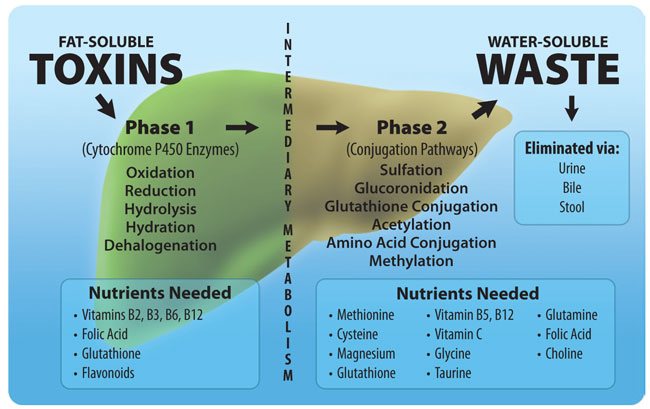
Toxic Overload and Depression: The Effect of Toxins on Methylation and Glutathione Depletion
This article delves into the relationship between toxins, methylation pathways, and depression. Methylation is a crucial biochemical process for various bodily functions, including detoxification, gene expression, and neurotransmitter synthesis. However, toxins such as environmental pollutants, drugs, and chemicals in food can impair the methylation pathway by interfering with the enzymes involved in the process and depleting the body's stores of crucial components like SAMe and methionine. As a result, methylation may be disrupted, leading to a range of health issues, including mood disorders associated with undermethylation and copper overload. This article also discusses the impact of toxins on glutathione, a vital antioxidant that is involved in protecting cells from oxidative stress and detoxifying harmful substances like heavy metals, drugs, and environmental toxins. A decrease in glutathione levels can lead to a decrease in methylation, which can have serious implications for cellular health and function. A list of common foods and chemicals that can contribute to toxic overload is shown along with their common source and the detoxification pathway they engage.
The Body's Primary Detoxification Pathways:
| Detox Mechanism Affected | Biochemical Processes Affected |
| Methylation | DNA Methylation, Histone Methylation, Neurotransmitter Synthesis, Myelin Production, Detoxification of Toxins and Drugs |
| Glutathione | Detoxification of Toxins and Drugs, Protection Against Oxidative Stress, Immune Function |
| P450 | Detoxification of Toxins and Drugs, Metabolism of Drugs, Steroid Hormones, and Cholesterol |
| Metallothionein | Detoxification of Heavy Metals, Regulation of Zinc and Copper Levels, Protection Against Oxidative Stress |
| Ceruloplasmin | Regulation of Iron Levels, Protection Against Oxidative Stress |
Methylation Pathway Disruption
Methylation is a vital biochemical process that occurs in every cell of the body, involving the transfer of a methyl group (CH3) from one molecule to another. It has various critical functions, including DNA synthesis, gene expression, neurotransmitter synthesis, and detoxification. Additionally, methylation plays a crucial role in epigenetic modifications, which can alter the expression of genes without changing the DNA sequence. This process is essential for maintaining overall health and wellbeing, regulating neurotransmitters, hormones, and enzymes, and controlling gene expression. Gene expression, influenced by methylation, is the primary mechanism of influence on the activity of serotonin and dopamine per the Walsh Approach, practiced here by Second Opinion Physician, to treating mood disorders.
Primary Benefits of Methylation
Methylation is involved in many critical bodily functions. Some of the primary benefits of methylation include:
- DNA synthesis and repair
- Gene expression
- Neurotransmitter synthesis
- Hormone regulation
- Detoxification
- Immune system function
- Energy production
Toxins and Their Impact on Methylation, Glutathione, and Antioxidant Production
Toxins, including environmental pollutants, drugs, and chemicals in food, can impair the methylation pathway by interfering with the enzymes involved in the process. Toxins can also deplete the body's stores of SAMe and methionine, which are crucial components of the methylation pathway. As a result, methylation may be disrupted.
SAMe and Methionine Depletion on the Body
SAMe (S-adenosylmethionine) and methionine are essential components of the methylation pathway, a critical process involved in many essential bodily functions. SAMe is the primary methyl donor in the body, while methionine is an essential amino acid that is converted to SAMe in the body. Depletion of SAMe and methionine can have significant consequences for health, disrupting the methylation pathway and leading to various health issues.
Impact on DNA Synthesis, Repair, and Cancer Risk
Low levels of SAMe and methionine can impair DNA synthesis and repair, leading to genetic mutations and increasing the risk of cancer. The methylation of DNA plays a crucial role in regulating gene expression and maintaining genomic stability. Depletion of SAMe and methionine can lead to changes in DNA methylation patterns, potentially leading to the formation of cancer cells.
Impact on Neurotransmitter Synthesis and Mood Disorders
SAMe is involved in the synthesis of neurotransmitters, which are essential for maintaining a balanced mood and cognitive function. Depletion of SAMe and methionine can lead to imbalances in neurotransmitters, leading to mood disorders and cognitive dysfunction. Additionally, SAMe has been shown to have antidepressant effects and may be useful in treating depression and anxiety disorders.
Undermethylation: Genetic Predisposition or Environmental Depletion of Methyl Compounds?
The Liver's Detoxification Process: The Role of Methylation and Glutathione
The liver plays a vital role in the body's detoxification processes, and two important mechanisms it employs are methylation and glutathione. Methylation involves the addition of a methyl group to a harmful substance, which makes it more water-soluble and easier to excrete from the body. Enzymes called methyltransferases catalyze this process, using SAMe as a methyl donor. Meanwhile, glutathione uses a process called reduction to eliminate free radicals and harmful substances. It donates an electron to the harmful substance, neutralizing it and turning it into a less harmful compound. Glutathione also binds to harmful substances, such as heavy metals, drugs, and environmental toxins, making them easier to excrete from the body. These two mechanisms work together to effectively detoxify harmful substances in the liver.
The Relationship between Methylation and Glutathione
Methylation is necessary for the synthesis of glutathione. The production of glutathione relies on SAMe, which is produced through the methylation pathway. Methylation is also involved in the recycling of glutathione, which is required to eliminate free radicals and harmful substances from the body. Therefore, maintaining healthy levels of SAMe and glutathione is crucial for optimal liver function and effective detoxification.
Impact of Toxins on Methylation and Glutathione
Exposure to toxins, drugs, and chemicals in food can impact glutathione levels and methylation. Heavy metals, such as lead, mercury, and cadmium, can deplete glutathione levels, impairing the body's ability to detoxify harmful substances and reducing the availability of SAMe for methylation. Exposure to environmental toxins such as pesticides and air pollutants can also impact glutathione levels, leading to a decrease in methylation. Certain drugs, such as aspirin and ibuprofen, have been shown to deplete glutathione levels, impairing the body's ability to detoxify harmful substances and reducing the availability of SAMe for methylation. Similarly, alcohol consumption has been shown to reduce glutathione levels, leading to a decrease in methylation.
The Health Implications of Reduced Methylation and Glutathione Levels
The impact of toxins on methylation and glutathione can have serious implications for health. Reduced glutathione levels can lead to increased oxidative stress and impaired detoxification, while decreased methylation can lead to a range of health issues, including mood disorders, cognitive dysfunction, and cancer. Therefore, it is important to prioritize reducing exposure to toxins and supporting optimal detoxification mechanisms to maintain overall health and prevent chronic disease.
Other therapies and beyond antioxidants that can provide significant help to the body's detoxificaton process include ozone therapy, dry sauna treatments, exercise, hydrogen therapy, colon irrigation and liver cleansing.
The Role of P450 Enzymes in Detoxification and Methylation Pathways
In addition to the previously discussed detoxification pathways of methylation and glutathione, P450 enzymes also play a crucial role in detoxification. P450 enzymes are responsible for the oxidation of toxic compounds, making them more water-soluble and easier for the body to excrete. The liver is the primary site of P450 enzyme activity, and there are over 50 different P450 enzymes with unique substrate specificity.
P450 enzymes are involved in the metabolism of a wide range of compounds, including drugs, steroid hormones, fatty acids, and bile acids. These enzymes are responsible for the metabolism of both exogenous and endogenous compounds. P450 enzymes are also involved in the first step of the methylation pathway, where they convert methionine to S-adenosylmethionine (SAMe).
The Role of P450 in Methylation
SAMe is a critical molecule in the body, playing a key role in the methylation of DNA, RNA, proteins, and neurotransmitters. P450 enzymes are involved in the conversion of methionine to SAMe, which is a critical component of the methylation pathway. The methylation of DNA is particularly important, as it helps to regulate gene expression and maintain the integrity of the genome.
Impact of Toxins on P450 Enzymes and Methylation
Exposure to toxins, drugs, and alcohol can impair the activity of P450 enzymes, leading to a decrease in SAMe production and impaired methylation. Polycyclic aromatic hydrocarbons (PAHs) found in cigarette smoke, for example, have been shown to decrease the activity of P450 enzymes, leading to a decrease in SAMe production and impaired DNA methylation.
Similarly, some drugs can impact P450 enzyme activity. Rifampin, an antibiotic, has been shown to increase the activity of P450 enzymes, leading to an increase in SAMe production and increased DNA methylation. Conversely, the antifungal drug ketoconazole has been shown to inhibit P450 activity, leading to a decrease in SAMe production and impaired methylation.
Reduced P450 enzyme activity can lead to a decrease in SAMe production, which can impair the methylation pathway. Impaired methylation can have significant consequences for health, including mood disorders, cognitive dysfunction, and cancer.
Copper Overload, Metallothionein, Ceruloplasmin, and Zinc Deficiencies: The Effects on Methylation and Glutathione Pathways
Copper is a vital mineral in the body, playing a crucial role in various biological processes. However, excessive levels of copper in the body can lead to a condition called copper overload, which can have severe consequences. Copper overload can affect the methylation pathway, which can have a domino effect on various other systems in the body.
Metallothionein and Ceruloplasmin
Metallothionein is a protein that binds to metals such as copper and zinc, playing a crucial role in their regulation in the body. It also acts as an antioxidant and scavenges free radicals. On the other hand, ceruloplasmin is a protein that carries copper in the bloodstream. The balance between copper and zinc is essential for the proper functioning of metallothionein and ceruloplasmin. If this balance is disrupted, it can lead to copper overload and zinc deficiency.
Effects of Copper Overload on Methylation and Glutathione Pathways
Copper overload can have a significant impact on the methylation pathway. High levels of copper can lead to increased levels of oxidants, causing damage to DNA and other cellular components. Elevated copper levels can also lead to a decrease in S-adenosylmethionine (SAMe) and glutathione levels, which can affect methylation and toxin removal from the body. This can lead to further accumulation of toxins, which can cause further damage to DNA and other cellular components.
Furthermore, copper can stimulate the activity of an enzyme called cystathionine beta-synthase (CBS), which converts homocysteine to cystathionine in the methionine cycle. This can lead to an increase in homocysteine levels, which can inhibit the activity of methionine synthase (MS), the enzyme that converts homocysteine to methionine in the methylation cycle. As a result, SAMe production is decreased, which, in turn, can lead to decreased glutathione synthesis since SAMe is required for the production of glutathione.
Moreover, excess copper can directly oxidize glutathione, leading to its depletion. When copper is in excess, it can cause oxidative stress and damage to cells, which increases the demand for glutathione to neutralize the free radicals produced. This can lead to the depletion of glutathione, which can further compromise the body's ability to detoxify toxins and heavy metals.
Effects of Zinc Deficiency on Methylation and Glutathione Pathways
Zinc deficiency can lead to a decrease in ceruloplasmin activity, leading to a decrease in copper levels. This can also have a significant impact on the methylation pathway. Zinc deficiency can lead to a decrease in SAMe levels, which can lead to impaired methylation. Zinc is also involved in the production of metallothionein, and a deficiency in zinc can lead to decreased metallothionein production, further exacerbating copper overload.
Effects of Copper and Zinc Imbalances on Neurotransmitters
The imbalances in copper and zinc can also have an impact on neurotransmitter levels. Dopamine and norepinephrine are catecholamines that are involved in the regulation of mood and behavior. Zinc deficiencies, which are very common, lead to increased copper levels, as well as low ceruloplasmin, all of which translates into elevated 'free copper'. Free copper is a cofactor in the conversion of dopamine to noradrenalin in the brain. Such an imbalance is a primary driver for mood disorders such as anxiety, insomnia, paranoia, irritability, depression and psychosis, as well as common conditions such as ADHD, Panic Disorders and Post Partum Depression.
Foods, Chemicals Sources in Our Diet and Environment plus Detoxification Pathway Required to Detoxify:
| Chemical | Sources | Common Foods/Drugs | Detox System Affected |
| Acetaminophen | Pain reliever | Over-the-counter pain relievers | Glutathione |
| Alcohol | Beverage | Beer, wine, spirits | Methylation & Glutathione |
| Antibiotics | Medication | Prescribed antibiotics, antibiotic residues in food | Methylation |
| Antidepressants | Medication | SSRIs, MAOIs, tricyclic antidepressants | Methylation, P450 |
| Antipsychotics | Medication | Typical and atypical antipsychotics | Methylation, P450 |
| Artificial food dyes | Food coloring | Candy, soda, processed foods | Methylation & Glutathione |
| Aspartame | Artificial sweetener | Diet soda, sugar-free gum, other artificially sweetened products | Methylation & Glutathione |
| Bisphenol A (BPA) | Plastics, canned foods, cash register receipts | Canned foods, plastic containers, thermal paper receipts | Methylation & Glutathione |
| Caffeine | Stimulant | Coffee, tea, energy drinks | Methylation |
| Glyphosate | Herbicides | GMO crops, conventionally grown oats and wheat, wine, beer Also found in some non-GMO crops that are desiccated with glyphosate before harvesting. | Methylation & Glutathione |
| Heavy metals (lead, mercury, cadmium) | Pollution, contaminated water and soil | Shellfish, contaminated fish, cigarette smoke | Glutathione, P450, Metallothionein |
| Melatonin | Hormone | Produced naturally in the body, also available as a dietary supplement | Methylation & Glutathione |
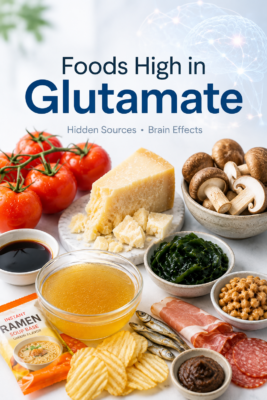
| Monosodium glutamate (MSG) | Flavor enhancer | Found in a wide variety of processed foods, including chips, soups, snack foods, and Chinese food. Also found in some protein powders and other dietary supplements. | Methylation & Glutathione |
| Nicotine | Stimulant | Cigarettes, vaping products | Methylation |
| NSAIDs (nonsteroidal anti-inflammatory drugs) | Medication | Over-the-counter pain relievers | Methylation & Glutathione |
| P450 | Enzymes | Involved in metabolizing many drugs and toxins | P450 |
| Perfluorooctanoic acid (PFOA) | Nonstick cookware, stain-resistant fabrics | Fast food wrappers, nonstick cookware, microwave popcorn bags | Methylation & Glutathione |
| Pesticides | Insecticides, herbicides, fungicides | Conventionally grown produce, non-organic grains | Methylation & Glutathione |
| Phthalates | Plastics, personal care products | Vinyl flooring, plastic food containers, personal care products | Methylation & Glutathione |
| Polychlorinated biphenyls (PCBs) | Industrial chemicals, electrical equipment | Farmed salmon, contaminated fish, electrical equipment | Methylation & Glutathione |
| Polycyclic aromatic hydrocarbons (PAHs) | Exhaust fumes, cigarette smoke, charred food | Grilled or charred food, cigarette smoke | Methylation & Glutathione |
| SAMe | Dietary supplement | Supplements and some foods, such as broccoli and spinach | Methylation |
| Statins | Medication | Cholesterol-lowering drugs | Methylation |
| Stimulants | Medication | ADHD medications, cocaine, methamphetamine | Methylation, P450 |
| Sulfites | Preservative | Wine, dried fruit, processed foods | Methylation |
| Volatile organic compounds (VOCs) | Cleaning products, paints, solvents | Cleaning products, paints, solvents | Methylation & Glutathione |
The Importance of Gut Microbiome in Detoxification Pathways and Obesity
The gut microbiome has a crucial role in maintaining our overall health, including supporting optimal detoxification mechanisms. Intestinal dysbiosis, which refers to an imbalance in the gut microbiome, has been linked to several health conditions, including obesity. Studies suggest that dysbiosis may affect the metabolism of dietary components, increase inflammation, and alter gut hormone signaling, leading to the development of obesity. Additionally, obesity itself can contribute to gut dysbiosis, creating a vicious cycle.
Endotoxins and Detoxification Mechanisms
Endotoxins are produced by certain bacteria in the gut, especially gram-negative bacteria, and can enter the bloodstream when the gut lining is compromised. This can lead to systemic inflammation and a range of symptoms, including fatigue, brain fog, headaches, joint pain, bloating, gas, and diarrhea. Endotoxin exposure can also contribute to the development of chronic diseases such as metabolic syndrome, diabetes, and cardiovascular disease.
Inflammatory bowel disease (IBD), irritable bowel syndrome (IBS), and leaky gut syndrome are some of the intestinal pathologies that can be caused by endotoxin exposure. In these conditions, the gut lining is compromised, allowing endotoxins and other antigens to leak into the bloodstream and trigger an immune response. The impact of endotoxins and leaking antigens on detoxification mechanisms can be significant. They can increase oxidative stress and inflammation, disrupt the gut microbiome, and impact the methylation pathway. These effects can lead to damage to cells and tissues, further burdening the liver and other organs involved in detoxification.
Effects of Endotoxins on Methylation Pathway and Glutathione Production
Endotoxin exposure can increase the production of pro-inflammatory cytokines, such as TNF-α, which can lead to an upregulation of CBS enzyme. This enzyme converts homocysteine to cystathionine in the methionine cycle, which can increase homocysteine levels. Elevated homocysteine levels can inhibit the activity of MS enzyme, leading to decreased SAMe production. SAMe is essential for the production of glutathione, which is crucial for detoxification. Endotoxins can also cause oxidative stress, increasing the demand for glutathione to neutralize free radicals produced. This can lead to the depletion of glutathione, further compromising the body's ability to detoxify toxins and heavy metals.
Promoting a Healthy Gut Microbiome for Optimal Detoxification
Addressing gut dysbiosis and reducing the production of endotoxins and leaking antigens is crucial for maintaining optimal health and supporting the body's detoxification mechanisms. It is essential to promote a healthy gut microbiome by consuming a balanced diet with fiber-rich foods, avoiding processed foods, and taking probiotics or fermented foods. Regular exercise and stress management techniques can also support a healthy gut microbiome.
Other Factors Affecting Methylation and Metal Management in the Body
Gluten and Casein Allergies
Food can also affect methylation and metal management by the body. Gluten is a protein found in wheat, barley, and rye, and casein is a protein found in milk and dairy products. Some individuals have an immune response to these proteins, leading to inflammation and gut dysbiosis. This inflammation can impact the methylation cycle, leading to decreased production of SAMe and glutathione. In addition, gut dysbiosis can also lead to increased levels of heavy metals and other toxins in the body, further compromising the body's ability to detoxify. However, while gluten and casein allergies can have an impact on detoxification, it is important to note that not everyone with these allergies will have methylation or metal management issues. It is also important to work with a healthcare provider to properly diagnose and address any food allergies or sensitivities.
Nutritional Deficiencies or Excesses
Diet and intestinal function can also affect methylation and metal management. For example, deficiencies in vitamins B6, B12, and folate can impair methylation processes, as these vitamins are required for the production of SAMe, a key methyl donor. On the other hand, excessive intake of certain nutrients, such as iron and copper, can increase oxidative stress and disrupt metal homeostasis, leading to tissue damage and impaired detoxification. It is important to maintain a balanced and varied diet to ensure adequate intake of all essential nutrients, and to avoid excessive intake of potentially harmful substances.
Stress and Adrenal Function
Chronic stress can have a variety of negative effects on the body, including the potential to increase cortisol levels. Cortisol is a hormone that is released by the adrenal gland in response to stress, and it plays a role in a number of physiological processes, including glucose metabolism and immune system function. Cortisol also has an impact on methylation and detoxification processes. Both excess and deficient levels of cortisol can disrupt the methylation cycle and affect the body's ability to detoxify harmful substances.
Excess cortisol levels, also known as hypercortisolism or Cushing's syndrome, can lead to a range of health issues, including impairments in methylation and detoxification. High cortisol levels can lead to depletion of glutathione, a critical antioxidant involved in the detoxification of harmful substances. Glutathione depletion can lead to increased oxidative stress, DNA damage, and impaired detoxification. Additionally, high cortisol levels have been shown to reduce SAMe levels, which are crucial components of the methylation pathway.
On the other hand, deficient cortisol levels, also known as hypocortisolism or Addison's disease, can also affect methylation and detoxification. Low cortisol levels can lead to an increase in inflammation, which can negatively impact methylation and impair detoxification mechanisms. Low cortisol levels have also been associated with an increase in oxidative stress and a decrease in glutathione levels, further impairing detoxification.
In Summary
In conclusion, this article has shed light on the harmful effects of toxins on metabolic pathways, leading to undermethylation and copper overload, which can ultimately lead to mood disorders and depression. The Walsh Approach to Depression recognizes Toxic Overload as a significant contributor to depression and emphasizes the importance of minimizing exposure to chemicals and maintaining a healthy diet. It is crucial to prioritize gut health and reduce exposure to toxins to support optimal detoxification and overall health. If you are looking for ways to mitigate the impact of toxins on your health, check out our follow-up article on diet and lifestyle therapies that can help.
More on Toxic Overload