
SECOND OPINION SERIES
High Copper Symptoms and the Biochemical Cause
If you are searching for high copper symptoms or copper overload symptoms, you may be trying to understand anxiety, panic attacks, insomnia, irritability, racing thoughts, OCD tendencies, depression, PMS, postpartum mood changes, ADHD symptoms, autism-related irritability, or other mood and behavioral patterns that relate to copper imbalance.

Copper does not explain every case—but copper overload and elevated can be part of the biochemical pattern in susceptible patients. The safest next step is testing and context, not guessing at supplements.
What Are High Copper Symptoms?
High copper symptoms and copper toxicity symptoms may include anxiety, panic attacks, irritability, insomnia, racing thoughts, emotional volatility, OCD tendencies, PMS/PMDD, postpartum mood changes, headaches, sensory overload, ADHD-like symptoms, and autism-related irritability.
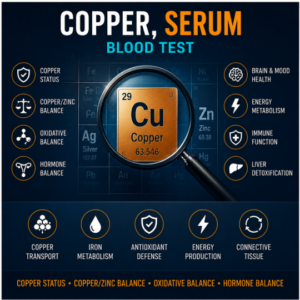
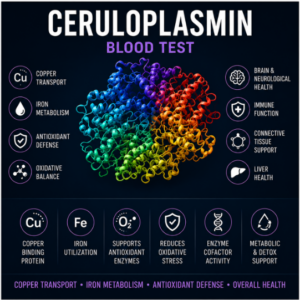
The most important step is not guessing at supplements—it is testing serum copper, ceruloplasmin, plasma zinc, zinc–copper balance, and estimated free copper, then interpreting the pattern in clinical context.
Could Copper Overload Be Only Part of the Picture?
Copper overload may overlap with undermethylation, overmethylation, pyroluria, or toxic overload. Many patients with similar copper symptoms can require different nutritional protocols.
From Copper Symptoms to Personalized Protocol
A structured WalshDoc/SOP workflow moves from symptoms to labs to a targeted plan—not a one-size-fits-all supplement list.
High Copper Symptoms and Copper Overload Symptoms
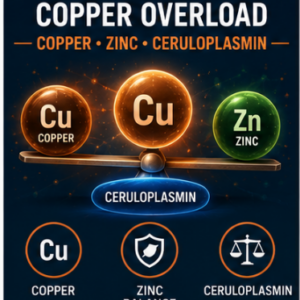
When copper rises beyond what the body can bind with ceruloplasmin, the nervous system may become overly reactive—a pattern some patients describe as feeling wired, overstimulated, or emotionally intense.
- Anxiety
- Panic attacks
- Insomnia
- Racing thoughts
- Irritability
- Emotional sensitivity
- OCD symptoms
- Intrusive thoughts
- PMS / PMDD
- Postpartum mood symptoms
- ADHD symptoms
- Autism-related irritability or sensory overload
- Headaches or migraines
- Poor stress tolerance
- Hormonal mood swings
- Poor supplement tolerance
Copper imbalance does not explain every case of anxiety, insomnia, OCD, ADHD, autism-related symptoms, or mood instability. Severe or unexplained psychiatric, neurological, or liver-related symptoms require medical evaluation.
Copper Anxiety and Nervous System Overstimulation
High copper and anxiety often feel different from quiet worry or rumination. Elevated free copper may contribute to overstimulation by affecting dopamine-to-norepinephrine conversion, glutamate activity, GABA balance, oxidative stress, and stress reactivity.
Patients may describe anxiety that feels physical, electrical, or internally pressured—and may respond poorly to standard psychiatric medications when the underlying copper pattern is not addressed.
- Norepinephrine dominance → hyper-alertness
- Dopamine instability → poor stress tolerance
- Glutamate excess → sensory overload
- Reduced GABA tone → difficulty relaxing
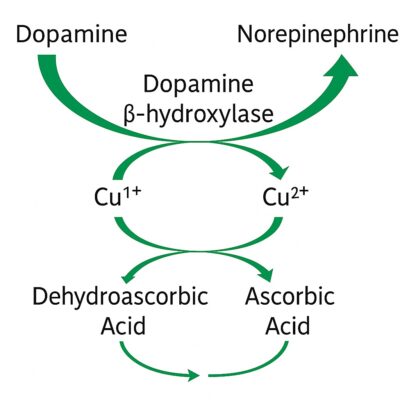
Copper is a cofactor for dopamine beta-hydroxylase, an enzyme involved in converting dopamine toward norepinephrine. This is one reason copper imbalance may be associated with anxiety, panic, irritability, and overstimulation in susceptible patients.
What Are Copper Dumping Symptoms?
Copper dumping symptoms may occur when stored or poorly bound copper shifts during hormonal changes, stress, illness, detoxification, zinc therapy, or protocol changes.
- Sudden anxiety
- Irritability
- Insomnia
- Headaches
- Nausea
- Emotional volatility
- Fatigue
- Flu-like feelings
- Worsening PMS
- Racing thoughts
Dumping does not always mean treatment failure—it can reflect copper moving toward elimination. Pacing, zinc stabilization, and ceruloplasmin support help keep shifts manageable.
Copper dumping should not be assumed without labs and clinical context. Symptoms can also reflect medication changes, hormone shifts, infections, detox reactions, or other medical issues.
Why Free Copper Matters More Than Total Copper Alone
Many patients have “normal” total copper but elevated unbound copper—the biologically reactive fraction.
Estimated free copper = serum copper − (ceruloplasmin × 3)
Caution: Units matter. This estimate should be interpreted with symptoms, copper, zinc, ceruloplasmin, liver markers, inflammation, and clinical history.
What Causes High Copper or Copper Overload?
Low Ceruloplasmin
When binding protein is low, more copper may circulate unbound as free copper.
Zinc Deficiency / Zinc–Copper Imbalance
Low zinc weakens metallothionein and copper regulation—even with normal intake.
Estrogen Excess or Hormone Sensitivity
Birth control, pregnancy, postpartum, and perimenopause may raise copper retention.
Pyroluria and Zinc/B6 Depletion
Pyrrole loss can destabilize zinc status and worsen copper handling.
Liver Stress or Impaired Copper Binding
Ceruloplasmin synthesis depends on healthy hepatic function.
Inflammation / Oxidative Stress
ROS and inflammatory signaling may lower ceruloplasmin and raise reactivity.
High Copper Intake or Exposure
Water, cookware, supplements, and high-copper foods matter most when regulation is weak.
Gut Dysfunction / Malabsorption
Poor zinc absorption and dysbiosis can worsen the copper pattern.
Copper Overload and Walsh Biotypes
In the Walsh Approach, copper overload is one biochemical pattern that may affect mood, behavior, sleep, attention, and stress tolerance. But it may overlap with undermethylation, overmethylation, pyroluria, and toxic overload—and that overlap changes the protocol.
Two patients with similar copper overload symptoms can need different nutrient emphasis, pacing, and follow-up labs.
How to Test for High Copper
Accurate evaluation requires more than total copper. Testing clarifies not only whether copper is elevated, but why.
Recommended Copper Balance Panel
What a Copper Protocol Usually Tries to Correct
Effective copper overload treatment focuses on regulation and pacing—not aggressive chelation unless medically indicated.
Reduce Excess Free Copper Activity
Lower reactive copper burden before pushing aggressive mobilization.
- Review copper intake and exposure
- Pace changes to avoid dumping flares
Correct Zinc–Copper Balance
Zinc is often the most impactful step in copper regulation.
- Measure plasma zinc with serum copper
- Monitor copper-to-zinc ratio over time
Support Ceruloplasmin and Copper Binding
Improve binding capacity so copper is less biologically reactive.
- Protein and sulfur amino acid support
- Vitamin A and liver support when indicated
Address Pyroluria When Present
Zinc and B6 depletion from pyrroles can keep copper dysregulation active.
- Evaluate pyrrole pattern in biotype context
- Support zinc and B6 thoughtfully
Support Antioxidant Defenses
Oxidative stress from free copper can intensify symptoms and lower ceruloplasmin.
- Vitamin C, E, selenium, glutathione precursors
- Reduce inflammatory load
Reduce Estrogen-Related Copper Reactivity
Hormonal shifts may destabilize copper binding in sensitive patients.
- Review contraception, HRT, pregnancy, postpartum context
- Support estrogen metabolism pathways
Improve Gut Absorption and Liver Function
Malabsorption and hepatic stress limit cofactors needed for copper regulation.
- Address dysbiosis and permeability
- Support liver conjugation and synthesis
Retest Key Markers and Adjust the Protocol
Copper protocols should be guided by repeat labs and symptom response.
- Recheck copper, ceruloplasmin, zinc, free copper
- Adjust pacing based on dumping symptoms
Common Questions About High Copper
What are common high copper symptoms?
Anxiety, irritability, insomnia, racing thoughts, emotional volatility, OCD tendencies, PMS/PMDD, postpartum mood shifts, sensory overload, ADHD-like symptoms, and poor stress tolerance may be associated with copper overload when labs support the pattern.
Can high copper cause anxiety?
Elevated free copper may contribute to anxiety and overstimulation in some patients by affecting catecholamine balance and excitatory neurotransmission—but anxiety has many causes and requires clinical evaluation.
What are copper dumping symptoms?
They may include sudden anxiety, irritability, insomnia, headaches, nausea, fatigue, and emotional volatility during copper mobilization—often during zinc therapy or hormonal shifts. Labs help confirm the pattern.
How do you test for high copper?
Test serum copper, ceruloplasmin, plasma zinc, estimated free copper, and copper-to-zinc ratio. Add homocysteine, histamine, or methylation panels when biotype context is needed.
What is free copper?
Free copper is the unbound fraction estimated from serum copper and ceruloplasmin. It is often more clinically relevant than total copper alone.
Can copper overload affect sleep?
Insomnia and restless sleep may be part of the copper overload symptom pattern when free copper is elevated, though many other medical factors also disrupt sleep.
Can copper overload affect PMS or postpartum mood?
Hormonal transitions may raise copper retention and affect binding proteins, which can be associated with cyclical or postpartum mood symptoms in susceptible patients.
Can zinc help copper overload?
Zinc is often central to copper regulation because it supports metallothionein and copper binding. It should be used with testing and careful pacing to avoid dumping flares.
Should I take copper supplements if ceruloplasmin is low?
Usually not when free copper is elevated. Low ceruloplasmin with high free copper often calls for binding support and zinc correction—not more copper. Testing and clinical guidance are essential.
High Copper Symptoms and Copper Overload Testing
Understanding high copper symptoms begins with evaluating copper, ceruloplasmin, zinc, and estimated free copper. Copper overload may contribute to anxiety, insomnia, irritability, OCD tendencies, PMS/PMDD, postpartum mood symptoms, ADHD-like symptoms, autism-related irritability, and poor stress tolerance in susceptible patients.
The safest approach is to test the copper pattern, evaluate Walsh biotypes, and use a targeted protocol rather than guessing at supplements. Educational content only—not a substitute for urgent medical or psychiatric evaluation.
Your Clinical Assessment Pathway
Lab Tests


Hi, have been struggling with extreme anxiety racing thoughts, intrusive thoughts, difficulty focusing, anxiety that doesn’t improve with normal things. I was taking Beef Liver Supplements for a while and this all started, went to dr with neuropathy and was sent to neurologist and has ruled out Wilson disease, I have low cerloplasim, low copper and low zinc. I truly believe my copper is not low, as I had supplements with such high copper in them. I have not had any malabsorption issues in the past and have just started taking zinc in the hopes of trying to fix this. I had a integrative test done which showed my free copper was high. However my 24hr urine test that was done during the investigation for Wilson’s come back as normal. Was hoping you might have some insight on what to do. thanks
As I am to speculate, though not knowing the dose or brand, the connection to liver supplements could be relevant. Liver is high in copper. Your symptoms suggest copper overload. There are ambiguities that should be clarified with a proper questionnaire and if available, proper labs. Zinc may help, but if copper is low and this is not the problem, it will lower copper and possibly complicate, depending on how low copper is. Another possibility is you are overmethylated, which presents similar symptoms to copper overload. Taking liver, high in methionine, could exacerbate overmethylation. If both copper overload and overmethylation, this can cause severe symptoms.