
Exogenous Ketone Therapy: Mitochondria, Inflammation, Glucose Metabolism & OCD
Ketone ester therapy provides beta-hydroxybutyrate (BHB) directly, allowing the brain and other tissues to use ketones as an alternative fuel without requiring prolonged fasting or a strict ketogenic diet.This can be particularly relevant when mitochondrial energy production is impaired, glucose metabolism is unstable, inflammation is elevated, or neurologic symptoms suggest high metabolic demand.
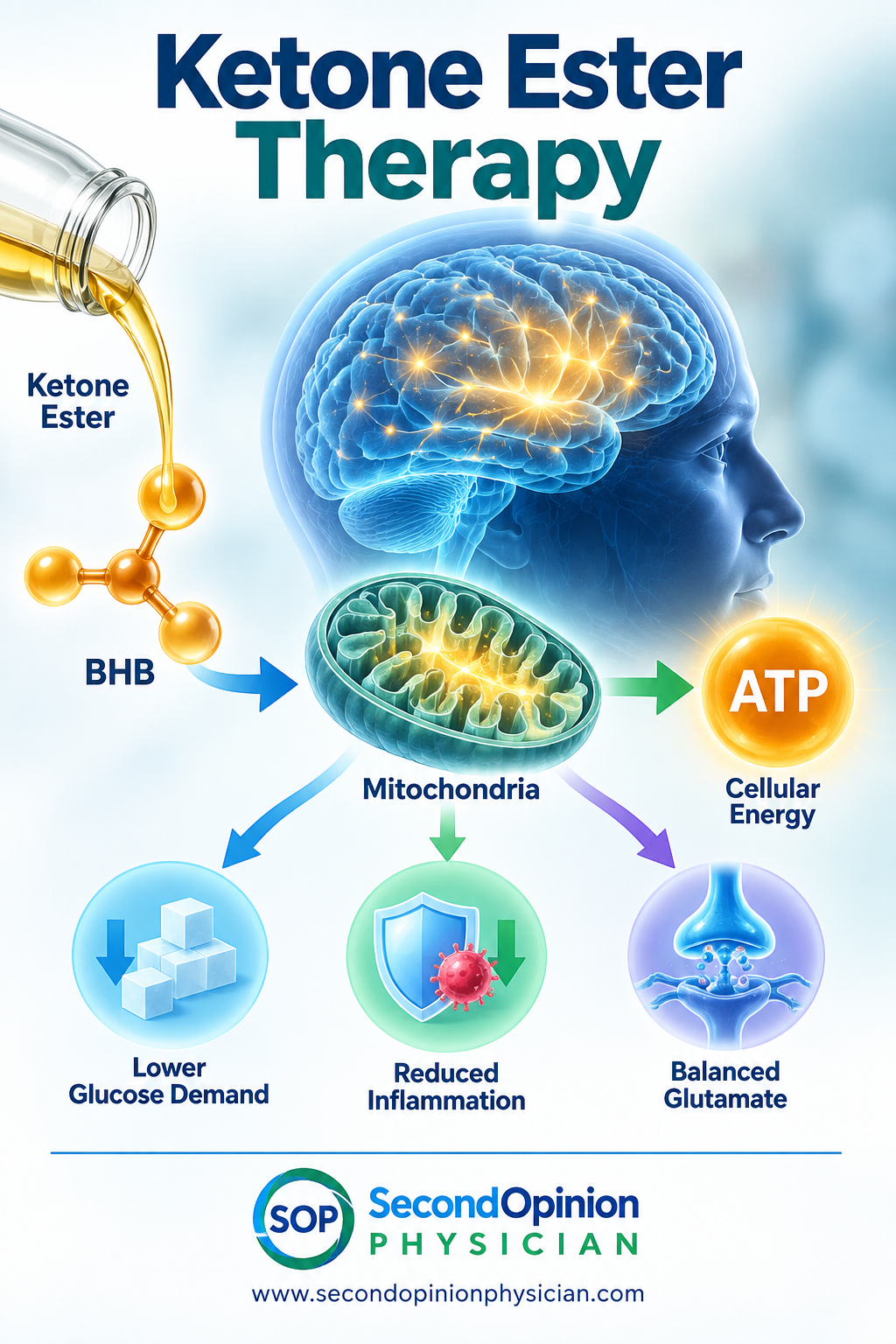

Ketone esters are best understood as one part of a broader metabolic strategy that may also include diet, glucose and insulin regulation, mitochondrial support, methylation assessment, exercise, sleep, and treatment of underlying inflammatory or endocrine contributors.
Why Ketone Esters Are More Than an Energy Supplement
Ketone esters rapidly provide beta-hydroxybutyrate (BHB), giving the brain and other tissues access to an alternative fuel source without requiring several days of fasting or strict carbohydrate restriction.
That can be relevant when glucose metabolism is inefficient, mitochondrial energy production is stressed, inflammation is high, or the brain is operating under unusually high energetic demand.
Ketone therapy is therefore best understood as a metabolic intervention. The important questions are not simply whether ketones increase, but whether energy production, glucose regulation, inflammatory signaling, cognitive function, and symptoms actually improve.
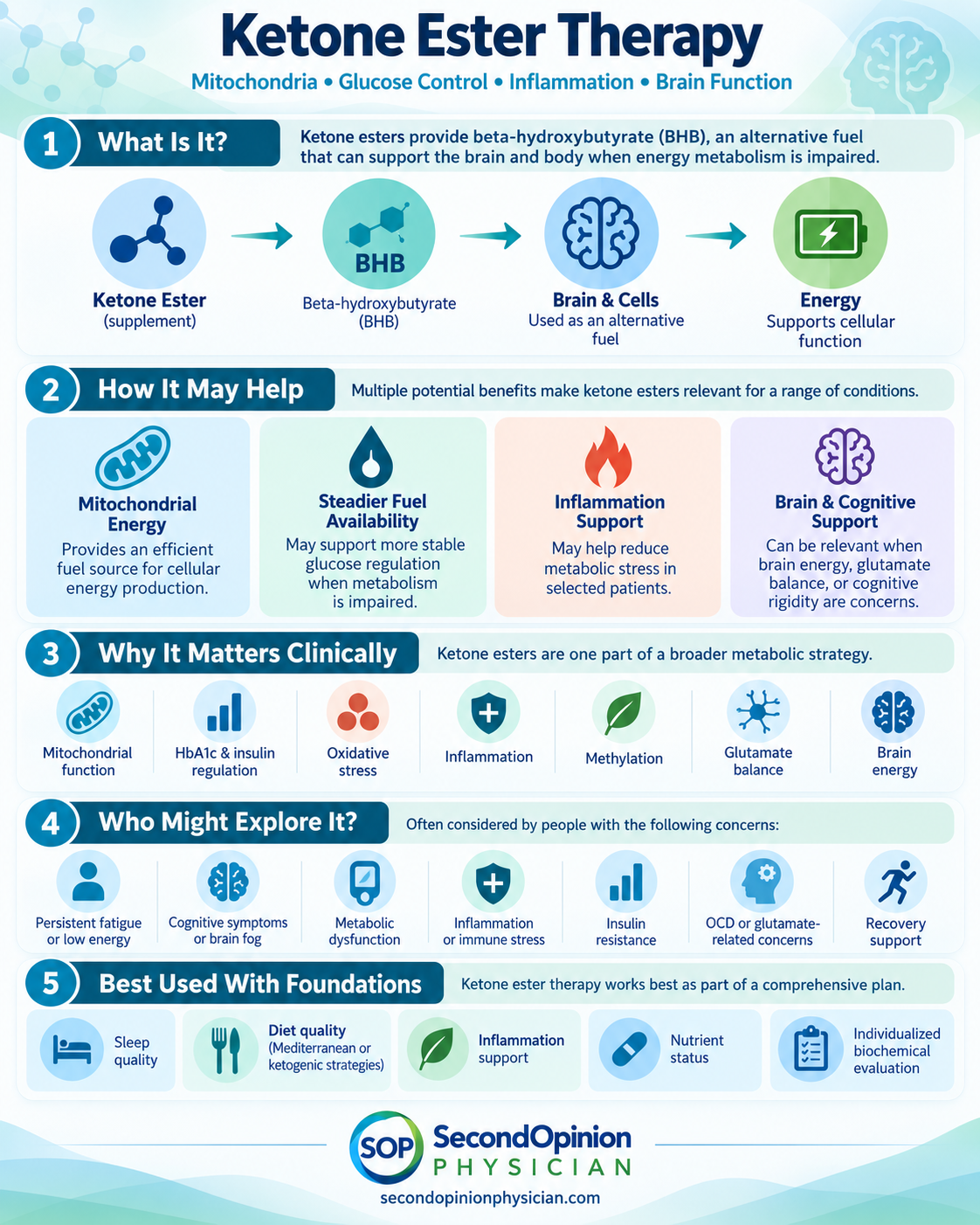
What Is a Ketone Ester?
Ketones are energy molecules produced naturally by the liver when carbohydrate availability is reduced, such as during fasting or a ketogenic diet.
The major circulating ketone body is beta-hydroxybutyrate, or BHB.
A ketone ester provides a concentrated source that can raise circulating ketones without requiring the body to first deplete glycogen and manufacture the ketones itself.
Why Mitochondria Are Central to Ketone Therapy
Mitochondria convert nutrients into ATP, the energy currency used to power cellular activity.
The brain has exceptionally high energy requirements. Neurons need continuous ATP to maintain electrical gradients, recycle neurotransmitters, control calcium, support synapses, and recover after firing.
Alternative Fuel
BHB enters mitochondrial energy pathways and can provide usable substrate when glucose utilization is impaired or unusually demanding.
Oxidative Stress
Ketone metabolism can alter cellular redox signaling and may reduce some sources of oxidative stress under selected metabolic conditions.
Stable Energy Supply
More stable neuronal energy availability may help support attention, cognitive endurance, inhibitory control, and recovery from metabolic stress.
This becomes particularly relevant when symptoms include:
- Fatigue or poor exercise tolerance
- Brain fog
- Variable energy
- Slow recovery after illness or stress
- Sensory overload
- Autonomic symptoms
- Cognitive fatigue
Ketones, ATP and Methylation
Methylation requires energy.
The conversion of methionine into SAM (S-adenosylmethionine) requires ATP. SAM then provides methyl groups for reactions involved in neurotransmitter regulation, phospholipid synthesis, creatine production, DNA regulation, and many other biochemical processes.
If mitochondrial ATP production is impaired, low cellular energy can become one factor limiting efficient methylation.
Ketone therapy therefore does not directly “methylate” the body. Its potential role is upstream: supporting the energy environment in which methylation occurs.
Creatine: Energy Buffering and Methylation Demand
Creatine complements mitochondrial energy production through a different mechanism.
The phosphocreatine system acts as a rapid energy buffer:
This becomes especially useful in tissues with rapidly changing energy demand, including brain and skeletal muscle.
Creatine also has an important methylation connection. The body's own synthesis of creatine consumes methyl groups. Supplemental creatine can reduce the amount that must be synthesized endogenously, potentially reducing methylation demand.
Ketone Esters and Glucose Metabolism
One of the most important reasons to evaluate metabolic ketone therapy is the relationship between brain energy and glucose regulation.
A person can have chronically elevated glucose or insulin long before developing obvious symptoms.
Poor glucose regulation may contribute to:
- Energy fluctuations
- Post-meal fatigue
- Inflammatory signaling
- Oxidative stress
- Metabolic syndrome
- Fatty liver
- Vascular dysfunction
- Impaired metabolic flexibility
Why HbA1c Matters Before and During Metabolic Therapy
Hemoglobin A1c, or HbA1c, estimates average glucose exposure over approximately the previous two to three months.
It therefore provides a longer-term view than a single glucose measurement.
Generally Normal Range
Typically considered within the normal screening range for diabetes, although insulin resistance can still occur before HbA1c becomes elevated.
Prediabetes Range
Indicates impaired long-term glucose regulation and increased metabolic risk.
Diabetes Range
Can meet a laboratory criterion for diabetes when appropriately confirmed and interpreted clinically.
HbA1c is useful, but it is not the whole metabolic story. A person can maintain a normal glucose or HbA1c by producing unusually high amounts of insulin.
When insulin resistance is a concern, fasting insulin, triglycerides, HDL, glucose, HbA1c, inflammatory markers, and other metabolic findings can provide a more complete picture.
Ketones and Inflammation
Inflammation can interfere with mitochondrial energy production, increase oxidative stress, alter insulin signaling, and change neurotransmitter function.
BHB is more than a fuel molecule. It also participates in cellular signaling pathways that can influence inflammatory activity.
Mitochondrial Stress
Inflammation can increase reactive oxygen species and interfere with efficient energy production.
Glucose & Insulin
Insulin resistance and chronic glucose elevation often occur alongside inflammatory signaling.
Brain Signaling
Neuroinflammation can influence glutamate signaling, microglial activity, oxidative stress, and neuronal excitability.
This is one reason ketone therapy may be more relevant when symptoms worsen during:
- Chronic infection
- Autoimmune flares
- Metabolic dysfunction
- Sleep deprivation
- Environmental exposures
- Inflammatory illness
Ketones, Glutamate and OCD
Glutamate is the brain's major excitatory neurotransmitter. It is essential for learning, memory, and neural plasticity.
Problems arise when excitatory signaling becomes excessive or poorly regulated.
In OCD and other high-arousal states, glutamatergic and NMDA-receptor pathways are areas of active research.
Glutamate / NMDA Pressure
Excessive excitatory signaling may contribute to intrusive thoughts, repetitive cognitive loops, internal tension, sensory overload, and difficulty disengaging from perceived threats.
Glutamate Clearance Requires Energy
Neurons and astrocytes require substantial energy to maintain ion gradients, recycle neurotransmitters, and restore normal signaling after neuronal activation.
Mitochondrial dysfunction can therefore make an already excitatory nervous system harder to regulate.
Ketone metabolism may help by supporting cellular energy, changing glutamate/GABA handling, and reducing metabolic and inflammatory stress.
Ketone Esters vs a Ketogenic Diet
| Ketone Ester | Ketogenic Diet | |
|---|---|---|
| How ketones rise | BHB is consumed directly. | The liver produces ketones after carbohydrate restriction and lower insulin signaling. |
| Speed | Relatively rapid increase in circulating ketones. | Usually requires sustained dietary change. |
| Requires carbohydrate restriction? | No. | Yes, typically substantial restriction. |
| Tests metabolic response? | Useful as a shorter metabolic trial. | Represents a broader dietary metabolic intervention. |
| Long-term dietary change? | Not required. | Yes. |
Ketone Esters, a Ketogenic Diet, and a Mediterranean Diet Are Not the Same Strategy
Ketone esters can raise circulating BHB quickly, but they do not reproduce every metabolic effect of a ketogenic diet and they do not replace the need for a healthy underlying diet.
For many patients, the larger question is which nutritional strategy best fits the goal: a temporary ketone supplement, sustained nutritional ketosis, or a lower-glycemic Mediterranean pattern that improves metabolic health without requiring strict ketosis.
Rapid BHB Without Full Dietary Ketosis
Ketone esters provide exogenous BHB directly. They can be useful as a metabolic trial or as an adjunct when the goal is to raise ketones without making a major dietary change.
Sustained Nutritional Ketosis
A therapeutic ketogenic diet restricts carbohydrate enough to lower insulin and stimulate ongoing ketone production by the liver. This creates a broader and more sustained metabolic shift than taking a ketone ester alone.
Metabolic Improvement Without Strict Ketosis
A low-glycemic Mediterranean diet emphasizes vegetables, adequate protein, olive oil, fish, nuts, legumes, and minimally processed carbohydrates while reducing sugar, refined starches, and ultra-processed foods.
Who May Be Most Interested in Ketone Ester Therapy?
Mitochondrial Symptoms
- Fatigue
- Poor exercise tolerance
- Brain fog
- Slow recovery
- Variable energy
Metabolic Issues
- Elevated HbA1c
- Insulin resistance
- Metabolic syndrome
- Glucose fluctuations
- Post-meal fatigue
Neurologic / Cognitive
- Cognitive fatigue
- Sensory overload
- Intrusive thoughts
- Cognitive rigidity
- Stress intolerance
Inflammation
- Chronic inflammatory patterns
- Symptoms that flare with illness
- Oxidative stress
- Immune activation
Methylation
- Low SAM
- Low SAM:SAH ratio
- High metabolic demand
- Undermethylation symptoms
OCD / Hyperarousal
- Rumination
- Intrusive thinking
- Internal tension
- Glutamate sensitivity
- Sleep-related hyperarousal
What Should Be Tested?
Ketone therapy is most informative when there is a baseline against which metabolic changes can be interpreted.
| Area | Useful Testing | Why It Matters |
|---|---|---|
| Glucose Regulation | HbA1c, fasting glucose, fasting insulin | Identifies glucose dysregulation and insulin resistance that may be driving metabolic stress. |
| Inflammation | hs-CRP and selected inflammatory markers | Helps determine whether inflammatory signaling is contributing to metabolic or neurologic symptoms. |
| Mitochondria | Organic acids, lactate/pyruvate, acylcarnitines, oxidative-stress markers | Looks for evidence of impaired energy metabolism, fatty-acid utilization, or oxidative stress. |
| Methylation | SAM, SAH, SAM:SAH ratio, methionine, homocysteine | Distinguishes low methyl-donor production from methylation inhibition or excess metabolic demand. |
| Antioxidant Status | Glutathione and oxidative-stress markers | Provides context for mitochondrial and inflammatory stress. |
Relevant Tests for Ketone Ester Therapy
Advanced Mitochondrial & Oxidative Stress Panel
Useful when fatigue, neurologic symptoms, poor exercise tolerance, or oxidative stress suggest that cellular energy metabolism should be evaluated directly.
View Mitochondrial PanelHbA1c
Provides a longer-term measure of glucose exposure and helps determine whether impaired glucose regulation is part of the metabolic picture.
View HbA1c TestInsulin, HbA1c, Lipids, hs-CRP & Glutathione
A broader option when insulin resistance, inflammation, oxidative stress, and metabolic health all need to be assessed together.
View Expanded Metabolic PanelPlasma Methylation Panel
Evaluates SAM, SAH and related methylation markers to determine whether impaired methylation reflects low substrate, excess inhibition, or another biochemical bottleneck.
View Methylation TestingMetabolomix+
Provides broader information about organic acids, nutrient status, oxidative stress, and metabolic pathways relevant to mitochondrial function.
View Metabolomix+Walsh Biotype Lab Panel
Useful when OCD, anxiety, cognitive rigidity, mood symptoms, copper/zinc imbalance, or undermethylation are part of the clinical picture.
View Walsh Lab PanelArticles to Read Before Starting Ketone Therapy
What Are Mitochondria?
Understand how mitochondrial ATP production relates to fatigue, brain function, oxidative stress, neurologic symptoms, and metabolic resilience.
Read Mitochondria ArticleKetogenic Therapy, Inflammation & Brain Metabolism
Learn why inflammation, oxidative stress, glucose metabolism, mitochondrial function, and glutamate signaling can converge in neurologic and psychiatric symptoms.
Read Inflammation & Ketone ArticleOCD, Glutamate & NMDAR Activity
Explore how glutamate, NMDA signaling, methylation, inflammation, oxidative stress, zinc, and mitochondrial function may contribute to intrusive thoughts and cognitive rigidity.
Read OCD ArticleUnderstanding Methylation
Learn how SAM, SAH, histamine, methyl donors, energy availability, and biochemical cofactors influence methylation and mental-health symptoms.
Read Methylation ArticleHow to Evaluate Whether Ketone Esters Are Helping
The most useful approach is to define what is being tested before beginning.
Depending on the reason for therapy, useful outcomes might include:
- Improved mental clarity
- More stable energy
- Reduced afternoon fatigue
- Improved exercise tolerance
- Reduced intrusive thinking or rumination
- Less sensory overload
- Improved stress tolerance
- Improved sleep quality
- Reduced dependence on frequent carbohydrate intake
Ketone Esters Are Not the Same as Treating the Cause
A favorable response to ketones can be clinically informative, but it does not by itself identify why energy metabolism was impaired.
Potential upstream contributors can include:
Metabolic
- Insulin resistance
- High glucose
- Low calorie intake
- Poor metabolic flexibility
Mitochondrial
- Nutrient deficiencies
- Oxidative stress
- Carnitine abnormalities
- Electron transport dysfunction
Inflammatory
- Chronic infection
- Autoimmune activity
- Gut inflammation
- Environmental exposures
Hormonal
- Thyroid dysfunction
- Cortisol abnormalities
- Menopause
- Androgen abnormalities
Methylation
- Low SAM
- Elevated SAH
- Methionine insufficiency
- Excess methylation demand
Lifestyle
- Sleep deprivation
- Circadian disruption
- Inactivity
- Excess alcohol
A Practical Metabolic Framework
Frequently Asked Questions
Do ketone esters put you into ketosis?
Ketone esters can raise circulating BHB relatively quickly and create temporary nutritional ketosis even when carbohydrate intake has not been reduced enough to produce endogenous ketosis.
Are ketone esters the same as a ketogenic diet?
No. A ketogenic diet changes the body's overall fuel environment through sustained carbohydrate restriction and lower insulin signaling. A ketone ester provides exogenous BHB directly and can increase ketones without reproducing every metabolic effect of a ketogenic diet.
Why test HbA1c if I am interested in ketones?
HbA1c provides a longer-term measure of glucose exposure. If glucose dysregulation or insulin resistance is one reason metabolic therapy is being considered, HbA1c provides a useful baseline and can be interpreted together with fasting glucose and insulin.
Can ketones help mitochondrial dysfunction?
Ketones provide an alternative mitochondrial fuel and may support energy production under selected conditions. A response to ketones does not determine the cause of mitochondrial dysfunction, so nutrient status, oxidative stress, organic acids, carnitines, inflammation, thyroid function, and other metabolic factors may still require evaluation.
Can ketone esters reduce inflammation?
BHB participates in metabolic and signaling pathways that can influence inflammatory activity. The clinical effect depends on the cause of inflammation and should not replace investigation of infection, autoimmunity, gut disease, metabolic dysfunction, or other inflammatory drivers.
Can ketone esters help OCD?
Ketone esters are not an established stand-alone OCD treatment. However, metabolic and ketogenic strategies are being studied for effects on brain energy, glutamate/GABA balance, oxidative stress, and inflammation. They may be particularly interesting when OCD symptoms overlap with metabolic or mitochondrial abnormalities.
What is the relationship between ketones and methylation?
SAM production requires ATP. Ketones may support the cellular energy environment needed for methylation, but they do not directly correct every cause of low SAM or elevated SAH. Methylation testing can help determine where the actual biochemical bottleneck occurs.
Should mitochondrial testing be done before ketone therapy?
Not everyone requires extensive mitochondrial testing before a trial. Testing becomes more useful when symptoms are severe, persistent, neurologic, associated with poor exercise tolerance, or when the goal is to understand why ketones appear to help.
OCD Methylation and Mitochondria: Ketone Ester Therapy & Metabolic Treatment
OCD methylation and mitochondria are deeply connected through energy-dependent methylation, glutamate regulation, and mitochondrial ATP production. Obsessive-compulsive symptoms, chronic rumination, cognitive rigidity, sensory overload, and trauma-linked looping behaviors are increasingly recognized as manifestations of deeper metabolic patterns involving methylation, mitochondrial function, and glutamate regulation. Traditional psychiatric models rarely address these pathways, yet clinical experience shows that many patients improve only when these biochemical foundations are treated directly.
This article outlines a comprehensive, metabolically informed approach that integrates methylation support, mitochondrial restoration, ketone ester therapy, creatine physiology, and glutamate/NMDA modulation. The model builds upon established principles from nutrient-based psychiatry while incorporating newer insights from metabolic neuroscience. Together, these components form a unified strategy for conditions where OCD-like symptoms, intrusive thoughts, attentional rigidity, and high stress reactivity dominate.
The Core Link: Undermethylation and Mitochondrial Dysfunction
A significant proportion of patients presenting with cognitive rigidity, looping thoughts, or internal tension show evidence of undermethylation and mitochondrial dysfunction. Methylation depends on adequate levels of methionine, SAM (S-adenosylmethionine), and critical cofactors — but its true limiting factor is ATP. The enzyme methionine adenosyltransferase requires ATP to convert methionine into SAM. When mitochondria under-produce ATP, SAM levels fall and methylation bottlenecks develop.
This explains why mitochondrial dysfunction symptoms — fatigue, cognitive slowdown, dysautonomia, heat intolerance, tremors, or sensory overload — often parallel the emotional and cognitive patterns seen in undermethylation. It also aligns with SAMe deficiency symptoms such as poor stress tolerance, mood rigidity, and slow emotional recovery. The overlap between undermethylation and mitochondrial impairment forms the foundational biochemical signature seen in many individuals with chronic cognitive rigidity.
Undermethylation as the Biochemical Foundation for OCD
Among individuals with obsessive thinking patterns, one of the clearest biochemical contributors is the link between OCD and undermethylation. When SAM levels are low, the brain’s capacity for neuroplasticity decreases. This affects synaptic pruning, neurotransmitter turnover, and emotional reset pathways.
Patients whose OCD patterns stem from undermethylation describe:
-
thoughts that “stick” or replay persistently
-
difficulty letting go of intrusive worries
-
perfectionistic control strategies
-
heightened internal tension
-
poor response to SSRIs
-
sensitivity to stress and novelty
These features make metabolic treatment for OCD an essential consideration. When undermethylation coexists with insufficient ATP, interventions that address only neurotransmitters fail to resolve the deeper biochemical patterns preventing cognitive flexibility and adaptive emotional processing.
NMDA Receptors, Glutamate, and the OCD Loop
Glutamate is the brain’s primary excitatory neurotransmitter, and NMDA receptors play a central role in learning, memory, sensory processing, and emotional adaptation. In many patients with OCD-like patterns, OCD and elevated NMDAR activity maintain a state of hyperarousal and overactivation within cortico-striatal loops.
When mitochondrial function is impaired, astrocytes struggle to clear glutamate effectively. This produces glutamate sensitivity symptoms, including:
-
heightened sensory awareness
-
agitation
-
emotional lability
-
insomnia
-
stress-triggered cognitive freezing
-
amplification of intrusive thoughts
Glutamate excess disrupts extinction learning — the ability to update or erase old threat associations. This is why OCD persists: the brain cannot fully encode “nothing is wrong.” The combination of glutamate overload, NMDA hyperactivation, and low SAM establishes a cycle that continuously reinforces intrusive thinking and rigid behavior patterns.
Mitochondria as the “Silver Bullet” in OCD and Cognitive Rigidity
Mitochondria power nearly every neurobiological process involved in emotional regulation, sensory processing, and cognitive control. When mitochondria falter, both methylation and glutamate balance suffer. This makes undermethylation and mitochondrial dysfunction a potent driver of psychiatric and neurological symptoms.
Clinically, mitochondrial dysfunction symptoms include:
-
dysautonomia (orthostasis, heat intolerance, POTS-like symptoms)
-
muscle rigidity or tremors
-
variable energy levels
-
cognitive fog
-
heightened reactivity to stress
-
worsening symptoms during infection or inflammation
-
poor exercise tolerance
These same patterns appear in Parkinson’s disease, neurodegenerative disorders, dysautonomia, and trauma-linked hyperarousal. The overlap highlights why metabolic treatment for OCD can have broader benefits across neurological and autonomic disorders.
Ketone Esters and Mitochondria: Restoring ATP and Glutamate Balance
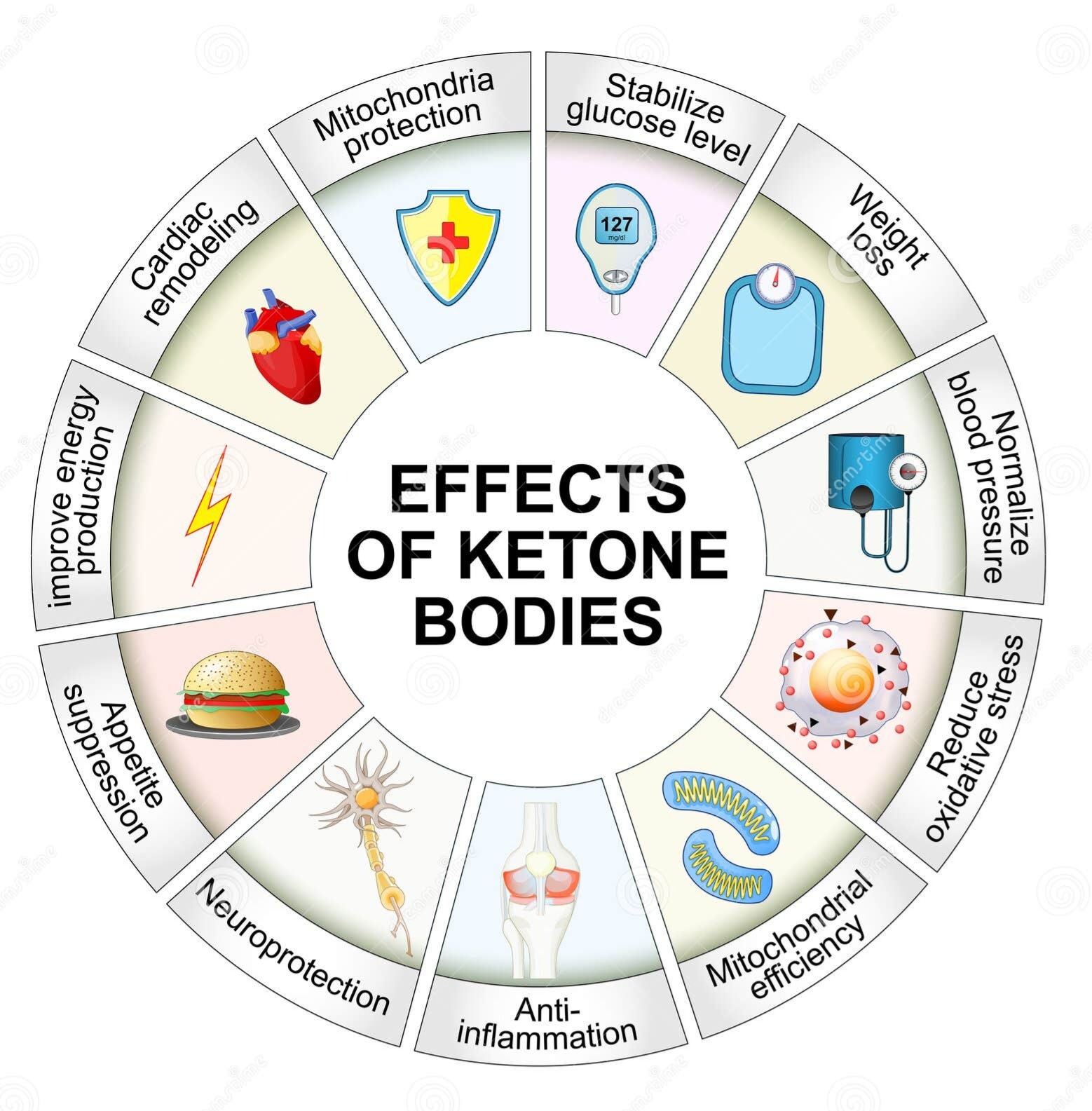
Ketone ester therapy addresses mitochondrial insufficiency by supplying beta-hydroxybutyrate (BHB), a high-efficiency fuel that produces more ATP per oxygen molecule than glucose. This makes ketone esters and mitochondria a powerful therapeutic pair, especially for individuals whose brain energy deficits contribute to cognitive rigidity and glutamate imbalance.
Ketones:
-
rapidly increase ATP availability
-
improve NAD⁺/NADH ratio
-
reduce oxidative stress
-
stabilize mitochondrial membrane potential
-
reduce glutamate release
-
support astrocytic glutamate recycling
These effects directly improve ketone supplements for brain function, especially in individuals with metabolic vulnerability, trauma history, or chronic neuroinflammation. Ketone esters help interrupt the energy-glutamate loop that drives OCD-like symptoms and restore conditions necessary for neuroplasticity and balanced emotional processing.
Ketone-based metabolic therapy is also being explored in cancer (as documented by Seyfried) because it supports healthy cell metabolism while selectively impairing cancer cell bioenergetics.
Ketone Esters and Brain Health: Supporting Methylation and Neuroplasticity
The relationship between ketone esters and brain health is especially important for undermethylated individuals. Because ketones provide a more efficient energy substrate, they support ATP production required for SAM synthesis. This enhances methylation capacity and improves the brain’s ability to shift out of rigid cognitive and emotional states.
Ketones also:
-
lower neuronal inflammation
-
improve signaling stability
-
enhance clearance of metabolic byproducts
-
reduce the “background noise” that drives sensory and emotional overload
This explains why many individuals with undermethylation, trauma loops, or sensory amplification experience improved calm, clarity, and adaptability when ketone ester therapy is added to their regimen.
Creatine, Phosphocreatine, and High-Demand Brains
Creatine plays a unique role in buffering brain energy, particularly in high-demand circuits responsible for working memory, inhibition, and emotional regulation. Deficiency or insufficient supply increases metabolic pressure on methylation since creatine synthesis consumes methyl groups.
This is why mitochondrial dysfunction symptoms such as tension, tremors, and cognitive fatigue often respond well to creatine. It also helps reduce glutamate sensitivity symptoms by stabilizing neuronal energy supply and reducing excitotoxic stress.
Patients who benefit from creatine often show:
-
high internal tension
-
muscle or motor rigidity
-
trauma-linked hypervigilance
-
sensory-driven exhaustion
-
high catecholamine turnover
-
chronic fatigue
-
difficulty with sustained cognitive effort
Creatine relieves metabolic bottlenecks, allowing methylation to operate more efficiently.
Mitochondrial Cofactor Therapy
A comprehensive metabolic strategy includes nutrients that support mitochondrial repair and redox balance:
-
Magnesium – stabilizes NMDA receptors
-
CoQ10 – supports the electron transport chain
-
Alpha-lipoic acid (ALA) – enhances mitochondrial redox cycling
-
Taurine – regulates calcium and inhibitory tone
-
Carnitine – transports fatty acids into mitochondria
-
NAC – boosts glutathione for detoxification and oxidative stress control
These cofactors complement mitochondrial repair and enhance metabolic treatment for OCD by improving energy availability and reducing excitatory overload.
Methylation Support Guided by Plasma or DD Testing
Effective methylation support begins with clear data. DD methylation analysis or plasma methionine/SAM/SAH panels reveal:
-
methylation efficiency
-
SAM/SAH ratio
-
methionine sufficiency
-
oxidative stress burden
-
zinc/copper ratios
-
presence of inflammation affecting the methylation cycle
Treatment may include:
-
methylcobalamin
-
methylfolate (in appropriate cases)
-
P5P
-
TMG or betaine
-
methionine support
-
zinc correction
-
gentle titration of SAMe
Because undermethylation is closely linked to OCD-like presentations, supporting methylation improves OCD and undermethylation symptoms when paired with mitochondrial stabilization.
Diet, Glutamate Reduction, and Circadian Repair
Nutrition and lifestyle patterns exert powerful effects on glutamate balance and mitochondrial health. Patients with glutamate sensitivity symptoms often improve by reducing intake of high-glutamate foods such as:
-
aged cheeses
-
soy
-
MSG-rich foods
-
heavily processed broths
-
processed meats
Glycemic stabilization prevents fluctuations in mitochondrial function and reduces excitatory neurotransmission. Anti-inflammatory diets further reduce oxidative stress, which is a driver of OCD glutamate imbalance and NMDA receptor instability.
Circadian repair — consistent sleep timing, light exposure, and autonomic stabilization — further enhances mitochondrial recovery.
Integrating All Components: A Unified Metabolic Treatment for OCD
The relationship between OCD and elevated NMDAR activity and mitochondrial impairment becomes clear when viewed through this metabolic lens. Elevating ATP through ketone therapy and targeted nutrients improves methylation, reduces glutamate toxicity, and stabilizes emotional circuitry. This is why combining methylation support with ketone esters and mitochondria-focused interventions offers transformative outcomes.
The same metabolic signature appears in:
-
Parkinson’s disease
-
neurodegenerative disorders
-
dysautonomia
-
chronic infections
-
metabolic cancer biology
These all share mitochondrial vulnerability as a core feature.
Summary and Clinical Roadmap
This integrated model identifies the central role of OCD and undermethylation in cognitive rigidity and intrusive thoughts, emphasizing that these patterns are amplified by undermethylation and mitochondrial dysfunction. Restoring ATP production, improving methylation capacity, lowering glutamate toxicity, and enhancing neuroplasticity form the foundation of a comprehensive metabolic plan.
Ketone esters, creatine, mitochondrial cofactors, and targeted methylation support work together to stabilize the brain’s energy systems, reduce excitotoxicity, and improve cognitive and emotional flexibility. This unified metabolic strategy provides a pathway for symptom improvement in complex cases where traditional psychiatric treatments fall short.
Research & References
-
SAM synthesis and ATP dependence: https://doi.org/10.1074/jbc.M110.212696
-
Ketones and NAD⁺ enhancement: https://doi.org/10.1016/j.cmet.2018.05.016
-
Glutamate in OCD: https://doi.org/10.1016/j.biopsych.2010.03.009
-
Extinction learning and NMDA: https://doi.org/10.1038/nrn1535
-
Ketone esters and cognitive function: https://doi.org/10.1152/japplphysiol.00717.2011
-
Cancer as a metabolic disease: https://doi.org/10.1002/cncr.27697
-
ALA/carnitine and mitochondrial repair: https://doi.org/10.1073/pnas.91.8.3265
Call to Action
If you struggle with intrusive thoughts, rigid thinking patterns, chronic anxiety, sensory overload, or symptoms that worsen under stress, these may reflect deeper metabolic pathways involving methylation and mitochondrial function.
A structured evaluation can clarify your biochemical profile and guide a personalized metabolic plan that supports brain energy, emotional regulation, and cognitive flexibility.
Begin your assessment with Second Opinion Physician and explore a metabolic approach to OCD and related symptoms.
I would like to inquire about ocd treatment using the metabolic approach. Currently taking care of my daughter who is on medical leave due to her condition.
Thank you for reaching out. I’m sorry your daughter is going through this, but there are promising metabolic approaches that may help.
Ketone esters can be useful as part of therapy because they may help reduce cerebral inflammation and improve brain energy metabolism. However, in many cases the priority is first addressing underlying biochemical imbalances such as oxidative stress, methylation function, and copper–zinc balance.
The most comprehensive approach begins with a full biochemical assessment including a comprehensive biotype panel, methylation pathway panel and consultation. My standard consultation with full lab review and report is $399. If starting more strategically or on a budget, a good first step is evaluating for copper overload. In that case, a comprehensive biotype panel with consultation, report, and phone call is $299.
After about 8 weeks, copper and zinc can be retested along with other imbalances identified on the initial panel. At that stage, proceeding with a methylation pathway panel and follow-up protocol is often appropriate. The follow-up consultation with report and phone call is $199.
If you would like, feel free to reach out through the contact form and we can discuss the best starting point.
— Dr. Dave