
telemedicine telehealth walsh approach to treat depression naturally

Personalized Nutrient Therapy for Mood and Behavior Disorders

Using Walsh Protocol Testing by a Functional Medicine Physician

With Detailed Biochemical Assessment and an Individualized Supplement Plan

Care provided by David Epstein, D.O.

Nationwide LabCorp testing • Secure telemedicine consultations • 35+ years clinical experience

telemedicine telehealth walsh approach to treat depression naturally

Understanding Root Causes When Standard Treatments Fall Short

Some mood and behavior conditions continue despite treatment because underlying biochemical factors were never evaluated.

The Walsh Protocol focuses on measurable lab markers, including copper balance, methylation activity, and nutrient status, to better explain persistent symptoms and help determine what needs to be addressed.

Walsh Protocol Specialist | Biotype Assessment for Mood and Behavior Disorders

Walsh Protocol Specialist evaluations provide a structured biochemical assessment for mood and behavior disorders using targeted laboratory testing and a biotype-based questionnaire.

The Walsh Approach identifies underlying nutrient and metabolic imbalances that contribute to persistent psychiatric symptoms. By evaluating factors such as methylation status, copper–zinc balance, and nutrient metabolism, it helps explain why conditions like depression, anxiety, ADHD, autism, and other complex disorders may persist. In many cases, correcting a relatively small number of nutrient imbalances can significantly influence neurotransmitter activity.

Testing is completed through LabCorp locations nationwide, with results summarized in a concise report that outlines practical next steps. Based on the work of William J. Walsh, PhD, this approach is designed for pateints seeking an individualized, lab-based nutrient strategy rather than a broad supplement regimen or a medication-only approach.

Common concerns addressed include chronic depression, severe anxiety, OCD, ADHD, autism, oppositional defiant disorder in children, addictions, and dementia.

How It Works

1

Step 1: Complete the Biotype Questionnaire

Start with a simple, structured intake form designed around the Walsh Approach. This questionnaire identifies patterns in mood, behavior, and physical health that point to specific biochemical imbalances. It’s the first step in uncovering whether neurotransmitter activity, copper/zinc balance, or methylation may be playing a role in symptoms.

2

Step 2: Get Lab Testing at Your Nearest LabCorp

When needed, we order targeted labs through LabCorp or specialty panels. These tests measure key analytes such as histamine, copper, zinc, homocysteine, and vitamin D—markers that reveal methylation status, oxidative stress, and nutrient imbalances. With objective data, we can confirm patterns suggested by the questionnaire and refine the assessment.

3

Step 3: Personalized Walsh Protocol Plan and Interpretation

During a one-on-one telemedicine consultation, results are reviewed in detail by a Walsh Protocol Specialist. Findings from laboratory testing and the biotype assessment are integrated into a personalized plan that may include targeted nutrient support, dietary guidance, and lifestyle recommendations. The goal is to address underlying biochemical drivers rather than relying solely on symptom management.


The Walsh Approach: A Foundation for Nutrient-Based Care

The Walsh Approach developed from decades of clinical research by Dr. William Walsh, whose work alongside Dr. Carl Pfeiffer examined the biochemical profiles of individuals with severe mental illness. This early research revealed consistent patterns of nutrient imbalance and neurotransmitter dysregulation that traditional psychiatric models often overlooked.

This research led to the identification of what Dr. Walsh termed the Five Biotypes of Depression—distinct biochemical patterns involving methylation, copper, zinc, pyrroles, and inflammatory processes. These biotypes provide a structured way to understand why conditions such as depression, anxiety, OCD, ADHD, or cognitive decline may persist despite conventional treatment.

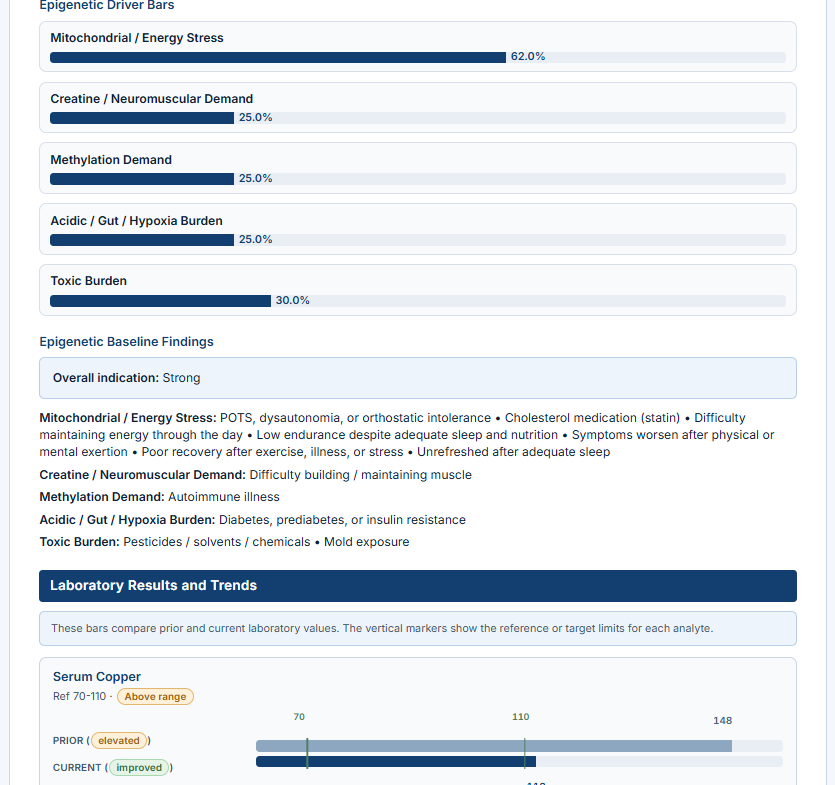
At Second Opinion Physician, this biotype framework serves as the starting point for assessment and is expanded through functional medicine evaluation. In addition to copper, zinc, and histamine, assessments may include gut dysbiosis, toxic burden, mitochondrial function, and hormone balance—factors that further influence brain chemistry and resilience. This integrated approach supports nutrient strategies that are targeted, practical, and sustainable.

The Five Biotypes of Depression

Undermethylation

Screened via the whole blood histamine test, and is clarified with a SAM:SAH methylation panel to pinpoint therapy. Undermethylation is highly correlated with  symptoms and can be explained by low serotonin and dopamine activity in association with chronic depression, concentration fatigue and competitiveness.


Overmethylation

Presents with higher methyl group availability, leading to higher serotonin and dopamine activity. Management is significanlty different from undermethylation therapy. And it is often a cause of counterproductive results in SSRI and SNRI strategies that similarly increase serotonin, dopamine and norepinephrine activity.


Copper Overload

Elevated copper, elevated ratio of copper to zinc, and or an elevated free copper ratio (copper to ceruloplasmin) are calculated to identify copper overload per the Walsh Approach. This is a common cause of high stress due to the increased production of noradrenalin brough about by elevated free copper.


Pyroluria

Due to a stress induced error in hemaglobin metabolism, pyrroles spill into the urine, much like sugar in a diabetic. Because pyrroles are bound to B6 and zinc, these key nutrients are depleted. A simple urine test will determine if stabilizing blood levels of these nutrients can improve a vast number of unexplained symptoms.

Toxic Overload

Burden from gut dysbiosis, excessive medications, environmental exposure, heavy metals and chronic inflammation raise oxidative stress, impairing liver methylation and kidney detoxification. Optimizied supplement strategies, lifestyle changes and liver/kidney detox can help tremendously.

A Different Path from Prescription Drugs

antidepressant alternative nutrient therapy

While medications may provide temporary symptom relief, they often do not address the underlying biochemical issues. This can leave people cycling through side effects, dose adjustments, or persistent symptoms. Nutrient therapy—rooted in the Walsh Approach—works at the cellular level to optimize neurotransmitter activity and support detox pathways. This provides a sustainable alternative to medication, focusing on long-term brain health and overall well-being.

Why Nutrient Therapy  Using The Walsh Approach

treat depression online doctor

Also known as the Walsh Approach, this method is applied by a Walsh Protocol Specialist to identify and correct biochemical imbalances that influence mood, behavior, and cognitive function. Rather than focusing only on symptoms, the evaluation examines nutrient status and key markers such as copper balance, histamine, and methylation activity. These findings help clarify how serotonin, dopamine, and norepinephrine signaling may be disrupted, and whether activity is too high or too low. By tailoring nutrient therapy to each biochemical profile, this approach addresses root causes and supports more stable mood, focus, and long-term resilience.

David Epstein, D.O. is a Walsh Protocol practitioner and functional medicine physician who integrates both approaches to evaluate complex mood and behavioral conditions. The Walsh Protocol provides a structured framework for assessing methylation, copper balance, and pyroluria, while functional medicine expands the evaluation to include toxic burden, gut health, detox capacity, mitochondrial function, and hormonal balance.

His approach is not about trading one pill for another. Instead, it focuses on identifying what interferes with the body’s ability to regulate mood, detoxify, and repair. For some individuals, this may involve correcting excess copper or restoring zinc and vitamin B6. For others, it may require targeted methylation support, mitochondrial optimization, or broader metabolic correction.

In every case, the goal is the same: to reduce unnecessary medications, restore biochemical balance, and support long-term resilience.

treat depression without drugs Walsh Protocol David Epstein, D.O. depression doctor online functional medicine

Ordering Supplements

Biotype Nutrients is a physician-directed supplement platform designed specifically for patients evaluated through Second Opinion Physician. Products are selected to align with Dr. Walsh’s Five Biotype model and tailored nutrient strategies.

While you may purchase from any source, this platform ensures
competitive pricing, and availability of the exact nutrients</em> used in your plan.

Patients who complete a Biotype Assessment receive a discount code for all Biotype Nutrients orders—making long-term support more accessible.