Histamine, Homocysteine
$129.00
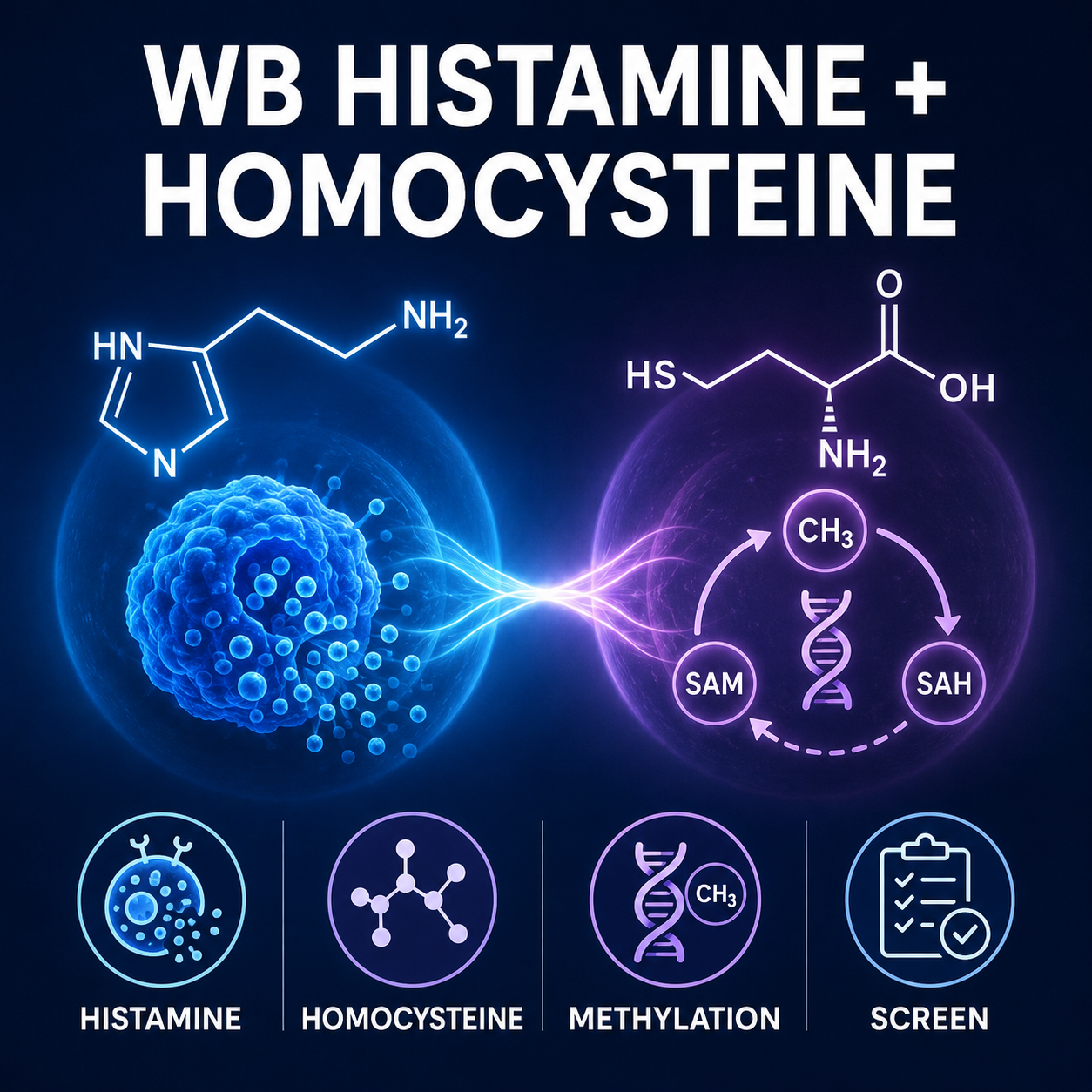
Whole-blood histamine and homocysteine provide a practical Walsh-oriented methylation assessment used to help identify patterns associated with undermethylation and overmethylation. Elevated whole-blood histamine commonly correlates with undermethylation, while low whole-blood histamine may support an overmethylation pattern.
This testing is especially useful when interpreted together with symptoms, medications, zinc/copper balance, and other Walsh laboratory markers. Because medications and other physiologic factors can sometimes affect histamine, patients requiring a more detailed methylation assessment may also benefit from expanded methylation testing.
Description
Whole-blood histamine and homocysteine testing provides a practical biochemical assessment used within the Walsh Approach to help identify methylation patterns associated with undermethylation and overmethylation.
Whole-blood histamine has historically been one of the principal laboratory markers used by Walsh-trained physicians when evaluating methylation status. Elevated whole-blood histamine commonly correlates with undermethylation, while lower whole-blood histamine may support an overmethylation pattern.
Adding homocysteine provides additional information about the methylation cycle and can help place the histamine finding into a broader biochemical context.
What Does This Test Measure?
This assessment includes two complementary markers:
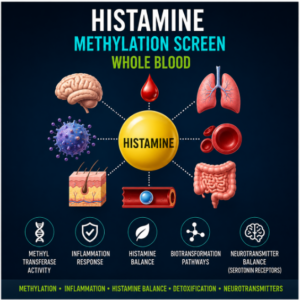
- Whole-Blood Histamine – used within the Walsh Approach as an indirect marker associated with methylation status.
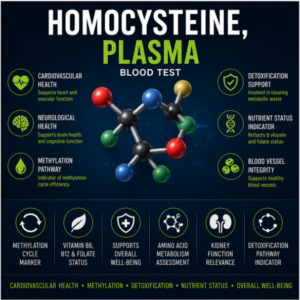
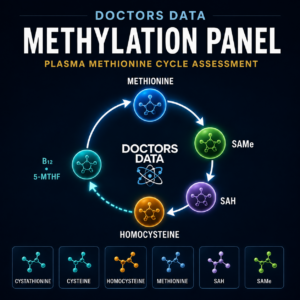
- Homocysteine – an important intermediate within the methionine and methylation cycles.
For reference, LabCorp Homocyst(e)ine Test #706994 is commonly used to assess circulating homocysteine.
How Whole-Blood Histamine Helps Assess Methylation
Histamine metabolism is influenced in part by methyl-dependent pathways. For this reason, whole-blood histamine has long been used as a functional biochemical marker within the Walsh Approach.
Elevated Whole-Blood Histamine
Often correlates with an undermethylation pattern, particularly when the clinical history also includes characteristic Walsh findings such as perfectionism, obsessive tendencies, seasonal allergies, high achievement, or certain patterns of depression and anxiety.
Lower Whole-Blood Histamine
May support an overmethylation pattern, especially when accompanied by chemical sensitivities, anxiety, low motivation, unusual medication responses, or other characteristic clinical features.
What Does Homocysteine Add?
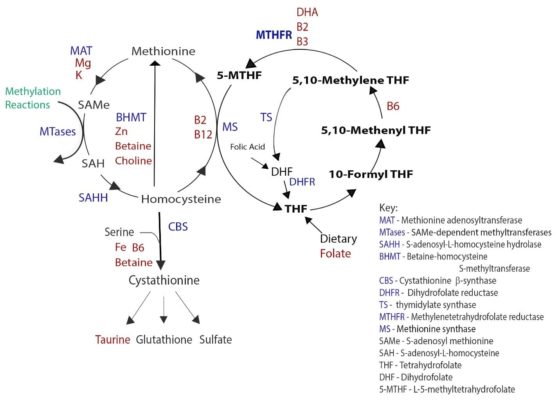
Homocysteine sits at an important junction within the methylation cycle.
It can be remethylated back toward methionine and SAM production or directed through the transsulfuration pathway toward cysteine and glutathione-related metabolism.
Measuring homocysteine alongside whole-blood histamine may therefore provide additional information about:
- Methylation-cycle function
- Remethylation
- B-vitamin and nutrient cofactor requirements
- Transsulfuration
- Oxidative stress
- Whether additional methylation testing may be useful
Why This Test Is Useful in the Walsh Approach
The Walsh Approach emphasizes biochemical individuality. Rather than assuming that every person with depression, anxiety, OCD, ADHD, or another neurobehavioral condition has the same biochemical pattern, laboratory testing is used to help identify underlying imbalances.
Whole-blood histamine and homocysteine can contribute to the assessment of:
- Undermethylation
- Overmethylation
- Nutrient requirements
- Neurotransmitter-related biochemical patterns
- Potential treatment direction
Results are most useful when interpreted together with symptoms, medications, zinc, copper, ceruloplasmin, vitamin D, urinary pyrroles, and other relevant laboratory findings.
Whole-Blood Histamine Is Different From Plasma Histamine
A whole-blood histamine test is not the same as a plasma histamine test.
Plasma histamine is more commonly used when evaluating circulating histamine release, allergic activity, mast-cell activation, or histamine intolerance.
Whole-blood histamine includes histamine contained within circulating blood cells and is the form traditionally used within the Walsh Approach when evaluating methylation patterns.
If the purpose of testing is Walsh methylation assessment, whole-blood histamine is the relevant histamine measurement.
How This Helps With an Individualized Assessment
The purpose of testing is not simply to label someone as an undermethylator or overmethylator. The goal is to combine laboratory findings with the clinical history to better understand which biochemical factors may be contributing to symptoms.
This information can help guide decisions regarding nutrients and metabolic support such as:
- Zinc and B6
- Methyl donors such as methionine or SAMe when appropriate
- Folate and niacin considerations
- Antioxidant support
- Homocysteine-related nutrient cofactors
- Additional testing when the biochemical picture is unclear
A Note About Histamine and Undermethylation
There is a strong clinical correlation between elevated whole-blood histamine and undermethylation, but the relationship is not absolute.
Medications and other physiologic factors can sometimes influence histamine levels, and some acquired or epigenetic causes of impaired methylation may not necessarily produce an elevated whole-blood histamine result.
For this reason, the result should always be interpreted together with symptoms, medication history, homocysteine, and other biochemical findings.
When a more detailed methylation assessment is needed, the Genova Methylation Panel may provide additional information about methylation biochemistry and nutrient needs. This can be especially useful when developing a more individualized protocol that also considers potential epigenetic drivers of undermethylation.
Before Your Blood Draw
- Follow the preparation instructions provided with your laboratory order.
- A fasting sample may be preferred for homocysteine when establishing a baseline.
- Bring a complete list of medications and supplements to your assessment.
- Do not discontinue prescription medications solely for this test unless instructed by your prescribing clinician.
- Recent allergic reactions, illness, or significant inflammatory activity should be considered when interpreting histamine results.
What Information Will This Test Provide?
Whole-blood histamine and homocysteine testing can help answer several clinically useful questions:
- Does the biochemical pattern support undermethylation?
- Does it support overmethylation?
- Is homocysteine elevated or otherwise abnormal?
- Are additional nutrient cofactors likely to need evaluation?
- Do symptoms and laboratory findings fit the same biochemical pattern?
- Would more detailed methylation testing be useful?
Frequently Asked Questions
Does elevated whole-blood histamine indicate undermethylation?
Elevated whole-blood histamine commonly correlates with undermethylation within the Walsh Approach, especially when the clinical history supports the same pattern. It should still be interpreted as part of the broader biochemical assessment rather than as an isolated diagnosis.
Why is homocysteine included?
Homocysteine provides additional information about the methionine and methylation cycles and may help identify nutrient, remethylation, or transsulfuration issues that are not apparent from histamine alone.
Is whole-blood histamine the same as plasma histamine?
No. Plasma histamine is generally used for different clinical questions, including circulating histamine release and mast-cell or allergic activity. Whole-blood histamine is the form traditionally used within the Walsh Approach for methylation assessment.
Can medications affect whole-blood histamine?
Yes. Certain medications and other physiologic factors can influence histamine levels. Medication history should therefore be considered when interpreting the test. Prescription medications should not be stopped solely for testing unless directed by the prescribing clinician.
Can I still have impaired methylation if whole-blood histamine is normal?
Yes. Histamine is an indirect marker, and not every form of impaired methylation will necessarily produce an abnormal whole-blood histamine result. When the clinical history strongly suggests undermethylation despite an unclear histamine result, expanded methylation testing may be useful.
Other Useful Methylation Tests and Free Consultation Links

Videos and Posts explaining Methylation Role in Depression

You may also like…