
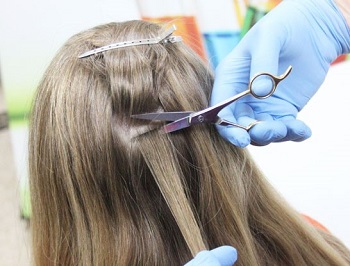
Hair Toxic and Essential Elements Analysis
$198.00
A noninvasive hair analysis that screens for recent or ongoing toxic-element exposure and evaluates selected essential minerals involved in methylation, antioxidant protection, metal regulation and mitochondrial function.
Elements measured: Aluminum, Antimony, Arsenic, Barium, Beryllium, Bismuth, Cadmium, Cesium, Chromium, Cobalt, Copper, Gadolinium, Germanium, Gold, Lead, Manganese, Mercury, Nickel, Palladium, Platinum, Selenium, Silver, Tellurium, Thallium, Thorium, Tin, Titanium, Tungsten, Uranium, Vanadium and Zinc.
Description
What Is Hair Toxic and Essential Elements Analysis?
Hair element analysis is a simple, noninvasive screening test that evaluates exposure to a broad range of toxic elements while also measuring selected essential minerals involved in enzyme function, antioxidant protection, methylation, mitochondrial energy and metal regulation.
Hair is primarily an excretory tissue, rather than a functional tissue. As hair protein forms in the follicle, elements are incorporated into the growing strand and remain relatively fixed. Because scalp hair grows approximately one to two centimeters per month, the sample may provide a broader record of recent or ongoing exposure than a single blood measurement.
Doctor’s Data has specialized in essential and toxic-element testing since 1972 and uses advanced elemental-analysis methods to evaluate metals and minerals in hair, blood, urine and other specimens.
Why Hair Analysis May Be Useful
Toxic-metal exposure
Hair can concentrate certain toxic elements at substantially higher levels than blood or urine, making it a useful screening matrix for recent or ongoing exposure. It is particularly useful for evaluating methylmercury exposure, often associated with fish consumption, and may also provide helpful exposure information for arsenic, aluminum, antimony, cadmium and lead.
Hair mercury has the strongest established clinical application. Other elevated toxic elements should be interpreted according to the suspected exposure and may require confirmation with blood, urine or another exposure-specific test.
Copper and zinc balance
Hair copper and zinc may provide useful screening information when plasma zinc, serum copper and ceruloplasmin are not available. They may also help identify broader trends during treatment of copper overload, zinc deficiency or abnormal metal handling.
For the most complete Walsh-oriented assessment, hair findings should ideally be interpreted with:
- Plasma zinc
- Serum copper
- Ceruloplasmin
- CBC
- Symptoms
- Supplement history
- Treatment response
Hair copper or zinc alone should not be used as definitive proof of copper overload or zinc deficiency.
Monitoring metal patterns during copper treatment
When elevated copper is being treated, it can be helpful to examine more than copper alone. Changes in zinc and other metals may provide additional information about overall metal burden, exposure reduction and the body’s evolving metal-handling pattern.
Metallothioneins are sulfur-rich proteins involved in zinc and copper regulation, antioxidant protection and the binding of selected metals. A broader hair-element pattern may offer indirect clues about metal regulation, but the test does not directly measure metallothionein production or function.
Toxic metals and methylation
Toxic metals may increase oxidative stress, impair enzymes, disrupt mitochondrial energy production and increase glutathione demand. These effects may raise methylation demand or aggravate an existing methylation block.
Hair analysis may therefore provide useful exposure context when investigating:
- Elevated SAH
- A low SAM-to-SAH ratio
- Toxic-overload patterns
- Poor response to methylation support
- Glutathione depletion
- Mitochondrial stress
- Persistent undermethylation symptoms
Hair analysis does not measure methylation directly. SAM, SAH, methionine and homocysteine require a dedicated methylation panel.
Manganese and Mitochondrial Function
Manganese is an essential trace element and a required cofactor for mitochondrial manganese superoxide dismutase, an important antioxidant enzyme.
However, excessive manganese accumulation may impair mitochondrial respiration, increase reactive oxygen species and interfere with ATP production. An abnormal hair manganese result can therefore be an important clue when there is relevant occupational, environmental or water exposure together with neurological or mitochondrial symptoms.
Hair manganese should be described as a screening marker for manganese exposure or handling, not as a stand-alone mitochondrial-function test.
When mitochondrial dysfunction is suspected, manganese should be interpreted with:
- Exposure history
- Neurological symptoms
- CBC and comprehensive metabolic panel
- Iron status
- Oxidative-stress markers
- Organic acids
- Methylation findings
- Other mitochondrial testing when appropriate
What Hair Analysis Does Best
- Provides a simple, noninvasive sample
- Screens many toxic elements at one time
- Reflects a longer exposure window than a single blood draw
- Is especially useful for methylmercury exposure
- Provides additional information about arsenic and selected other toxic metals
- Offers copper and zinc information when blood testing is unavailable
- Helps identify broader metal patterns during treatment
- May uncover exposures relevant to oxidative stress, methylation and mitochondrial function
- Helps guide confirmatory testing and exposure-reduction strategies
Important Limitations
Hair is vulnerable to external contamination from:
- Hair dye
- Bleach
- Perms and straightening treatments
- Medicated or mineral-containing shampoos
- Swimming-pool chemicals
- Dust
- Smoke
- Occupational exposure
- Topical hair products
Hair-treatment and exposure history should therefore be reviewed before interpreting an abnormal result. Doctor’s Data also emphasizes that hair analysis is a screening tool and should be interpreted with symptoms and other laboratory findings.
Hair analysis should not be used alone to diagnose:
- Copper overload
- Zinc deficiency
- Heavy-metal toxicity
- Metallothionein dysfunction
- Mitochondrial dysfunction
- Impaired methylation
Clinically significant or unexpected findings may require confirmation with blood, urine or another element-specific specimen.
Best Uses for This Test
This profile may be especially useful for:
- Suspected mercury or arsenic exposure
- Broad toxic-metal screening
- Unexplained neurological or cognitive symptoms
- Possible environmental or occupational exposure
- Copper–zinc pattern assessment when blood is unavailable
- Monitoring broad metal trends during copper treatment
- Toxic-overload and impaired-methylation evaluation
- Elevated SAH or poor response to methylation support
- Suspected mitochondrial stress involving manganese exposure
- Identifying which findings require confirmatory testing
Suggested highlighted statement
Most useful for: methylmercury and arsenic exposure screening, broad toxic-metal burden, copper–zinc pattern assessment, treatment trends and identifying metal-related clues relevant to oxidative stress, methylation and mitochondrial function.
Disclaimer
Hair Toxic and Essential Elements Analysis is a screening tool. Results should be interpreted with symptoms, exposure history, hair-treatment history and other laboratory findings. It does not replace plasma zinc, serum copper, ceruloplasmin, blood lead, exposure-specific mercury or arsenic testing, or dedicated methylation and mitochondrial evaluation.