Acute Mania
Lithium, valproate and several antipsychotics may be used. Severe agitation or psychosis may require combination treatment and hospitalization.

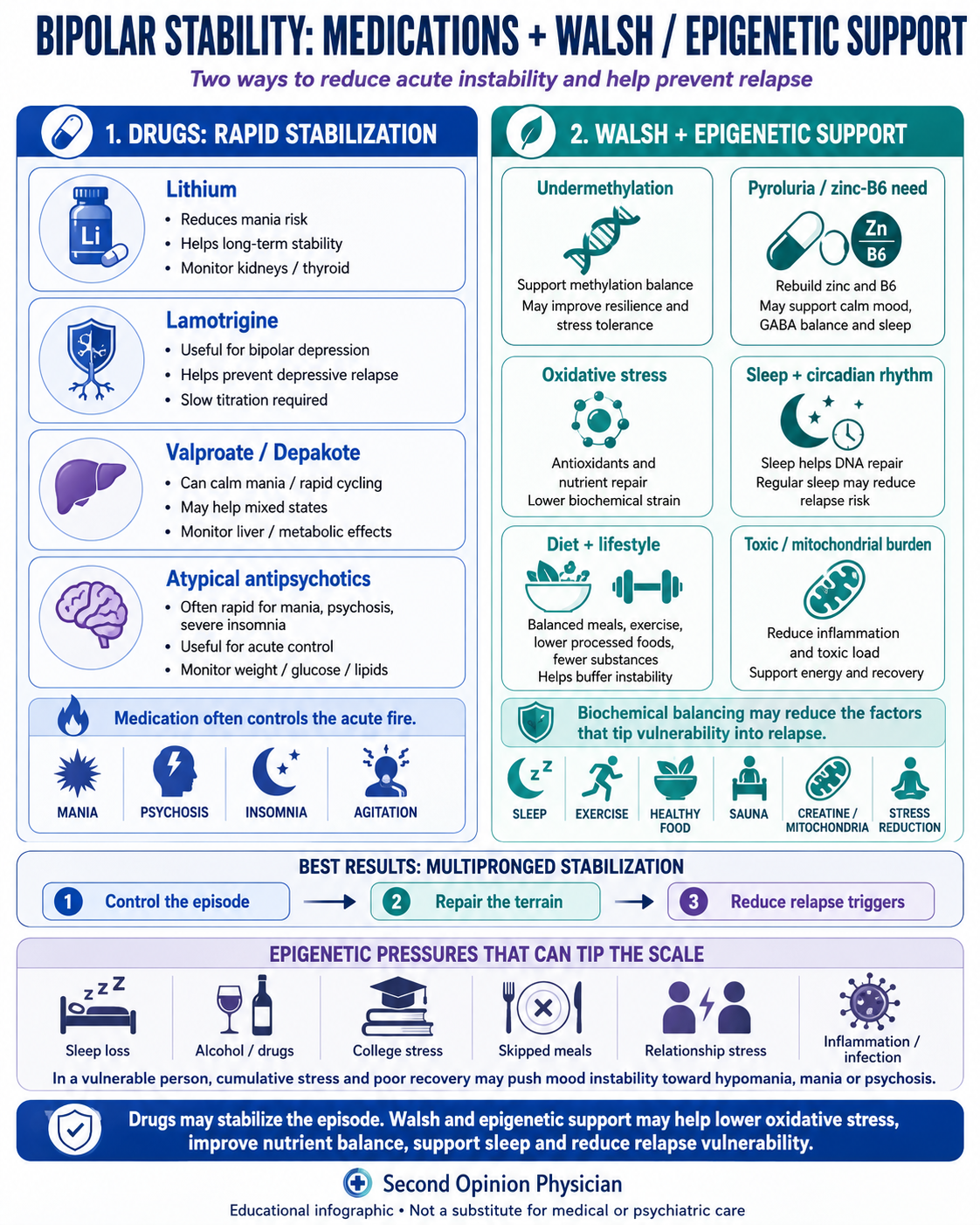
Mood stabilizers can be essential for controlling mania, hypomania, psychosis, rapid cycling and bipolar depression, but medication is only one part of long-term stability. Lithium, lamotrigine, valproate and atypical antipsychotics may help control the acute episode and reduce relapse, while Walsh and epigenetic strategies address the biochemical terrain that may make the brain easier to destabilize. Undermethylation, pyroluria-related zinc and vitamin B6 depletion, oxidative stress, high histamine, toxic burden, mitochondrial strain, poor nutrition and disrupted sleep may all reduce resilience. A comprehensive plan therefore combines appropriate medication with targeted nutrient rebalancing, antioxidant support, sleep protection, diet modification, exercise, stress reduction, avoidance of alcohol and recreational drugs, and treatment of metabolic and epigenetic factors that may increase vulnerability to future episodes.
The term mood stabilizer is used for medications that treat or prevent episodes of mania, hypomania, bipolar depression or recurrent mood cycling without consistently pushing the patient toward the opposite mood state.
The term does not refer to one pharmacological class. Lithium is a mineral salt. Lamotrigine, valproate and carbamazepine were originally developed as antiseizure medications. Several atypical antipsychotics are also used for acute or maintenance treatment of bipolar disorder.
“Mood stabilizer” does not mean that every medication treats every phase equally. Treatment should match the current problem: acute mania, mixed symptoms, bipolar depression or prevention of future episodes.
| Medication | Common clinical role | Potential strengths | Important monitoring or risks |
|---|---|---|---|
| Lithium | Acute mania, maintenance treatment and prevention of recurrent bipolar episodes | Strong long-term evidence and may benefit both manic and depressive recurrence in selected patients | Serum level, kidney function, thyroid, calcium, electrolytes, hydration and medication interactions |
| Lamotrigine | Maintenance treatment with particular value in preventing depressive recurrence | Generally less weight gain, sedation and metabolic burden than several alternatives | Slow titration and immediate assessment of rash because of rare serious skin reactions |
| Valproate / divalproex | Acute mania, mixed presentations and maintenance in selected patients | Often useful when mania includes agitation, rapid cycling or mixed symptoms | Liver, CBC, platelets, weight, metabolic effects, pancreatitis, ammonia and major fetal risks |
| Carbamazepine | Acute mania, mixed symptoms and selected treatment-resistant presentations | May help patients who do not respond adequately to other antimanic medications | CBC, liver, sodium, drug interactions, serious skin reactions and rare bone-marrow toxicity |
| Atypical antipsychotics | Acute mania, bipolar depression or maintenance depending on the specific medication | Often act more rapidly during severe mania, agitation or psychosis | Weight, glucose, lipids, movement effects, sedation, prolactin and cardiovascular effects |
There is no single best medication for every bipolar patient. The current phase, previous response, severity, psychosis, suicide risk, kidney and liver status, pregnancy potential and long-term goals all matter.
Lithium, valproate and several antipsychotics may be used. Severe agitation or psychosis may require combination treatment and hospitalization.
Depression occurring with racing thoughts, agitation, reduced sleep or impulsivity may respond differently from uncomplicated bipolar depression.
Lamotrigine and selected atypical antipsychotics may be considered, while antidepressants require caution because of activation risk.
The goal is to prevent both poles while preserving cognition, physical health, relationships, work and normal daily function.
Lithium has been used for decades as a treatment for mania and recurrent bipolar disorder. Its actions are complex and include effects on intracellular signaling, ion transport, glycogen-synthase-kinase pathways, neuroplasticity and circadian regulation.
Lithium can be highly effective, but the therapeutic and toxic concentrations are close enough that blood-level monitoring is essential. Kidney function, thyroid function, electrolytes, vital signs, current medications and pregnancy status should be reviewed before treatment. :contentReference[oaicite:0]{index=0}
Reduced mania, fewer recurrent episodes, improved sleep and reduced mood cycling in appropriately selected patients.
Tremor, thirst, frequent urination, nausea, diarrhea, fatigue, cognitive slowing, acne and weight change may occur.
Worsening tremor, vomiting, diarrhea, marked weakness, confusion, slurred speech, poor coordination or severe drowsiness require prompt assessment.
Lithium is handled by the kidneys in relation to sodium and fluid balance. Dehydration, vomiting, diarrhea, low sodium intake, fever or major dietary changes may raise lithium exposure.
Diuretics, nonsteroidal anti-inflammatory drugs and selected blood-pressure medications can also increase lithium levels or toxicity risk. Every new prescription and over-the-counter pain medication should be considered in the lithium review.
Lithium can impair the kidney’s ability to concentrate urine, producing excessive thirst and urination. Long-term therapy may also be associated with progressive kidney impairment in some patients, although the degree of risk varies.
FDA labeling recommends assessing kidney function before and during lithium therapy. Progressive or sudden changes in renal function warrant reassessment of lithium exposure, other medications and the continuing risk-benefit balance. :contentReference[oaicite:1]{index=1}
Sudden discontinuation can destabilize bipolar illness. The current kidney findings, lithium benefit, alternative treatments and relapse history should be reviewed with psychiatry and, when appropriate, nephrology.
Lithium may contribute to hypothyroidism or thyroid enlargement in susceptible patients. Thyroid function should be monitored during stabilization and maintenance treatment. Hypothyroidism may sometimes be treated while lithium is continued when lithium remains clinically valuable. :contentReference[oaicite:2]{index=2}
Lithium can also affect parathyroid function and calcium regulation. Persistent calcium elevation may require additional evaluation of parathyroid hormone, kidney function, vitamin D and bone health.
Lamotrigine is used primarily for maintenance treatment of bipolar I disorder and is often selected when prevention of depressive episodes is a major goal. It is generally not relied upon as the sole rapid treatment for severe acute mania.
Lamotrigine is often attractive because it usually causes less weight gain, sedation and metabolic burden than several other mood-stabilizing medications.
May help prevent depressive recurrence while preserving alertness, weight and metabolic function.
Dizziness, headache, blurred or double vision, nausea, coordination difficulty and sleep changes may occur.
The dose is increased gradually because rapid titration and selected medication combinations increase serious-rash risk.
Lamotrigine can cause rare but serious skin reactions requiring hospitalization and discontinuation. The risk is greater with excessive starting doses, rapid titration or concurrent valproate. A rash should not be assumed harmless without appropriate assessment. :contentReference[oaicite:3]{index=3}
Mouth sores, fever, facial swelling, blistering, peeling skin, eye irritation or systemic illness accompanying a rash are particularly concerning.
Valproic acid and divalproex are used for acute mania and selected maintenance treatment, particularly when symptoms include agitation, rapid cycling or mixed features.
May reduce manic activation, agitation, aggression, rapid thoughts and mixed mood symptoms.
Weight gain, tremor, sedation, nausea, hair changes, bruising and metabolic effects may occur.
Liver injury, platelet reduction, pancreatitis and elevated ammonia require clinical and laboratory awareness.
Baseline and follow-up monitoring commonly includes liver tests, CBC, platelets, weight and medication levels when clinically useful.
Current FDA labeling states that valproate should not be used for bipolar disorder in patients who are pregnant or planning pregnancy unless other medications have failed or are otherwise unacceptable. Risks include major congenital malformations, neural-tube defects, decreased IQ and neurodevelopmental disorders. :contentReference[oaicite:4]{index=4}
Valproate can increase ammonia, sometimes even when routine liver tests are not dramatically abnormal. New lethargy, vomiting, confusion, cognitive decline or reduced consciousness may warrant ammonia testing and urgent medication review.
Carnitine metabolism may be relevant in selected cases of valproate toxicity or hyperammonemia, but supplementation should be matched to the clinical situation rather than added routinely without review.
Carbamazepine may be used for acute manic or mixed episodes and selected treatment-resistant bipolar presentations. It has substantial drug-interaction and laboratory-monitoring requirements.
May reduce manic activation, irritability and mixed symptoms in selected patients.
Dizziness, sedation, nausea, double vision, poor coordination and cognitive slowing may occur.
Carbamazepine affects liver enzymes and can lower the concentrations of numerous medications, including hormonal contraceptives.
Monitoring may include CBC, liver tests, sodium and medication levels. Carbamazepine has boxed warnings for aplastic anemia and agranulocytosis, although these events remain uncommon. :contentReference[oaicite:5]{index=5}
Carbamazepine can cause Stevens-Johnson syndrome and toxic epidermal necrolysis. Genetic screening may be appropriate before treatment in patients with ancestry associated with higher prevalence of relevant HLA variants.
Carbamazepine may contribute to hyponatremia. Low sodium can cause headache, fatigue, confusion, unsteadiness, falls, seizures or apparent psychiatric deterioration.
Several atypical antipsychotics are used for acute mania, bipolar depression or maintenance treatment. They may act more rapidly than lithium or lamotrigine during severe agitation, psychosis or insomnia.
May reduce psychosis, dangerous agitation, severe insomnia and manic behavioral escalation.
Selected atypical antipsychotics have evidence or approval for bipolar depressive episodes.
Some may be continued to prevent relapse when benefits remain greater than metabolic, movement or cognitive risks.
Long-term monitoring may include weight, waist circumference, blood pressure, fasting glucose or A1c, lipids, movement symptoms and prolactin when clinically relevant.
Antidepressants may help selected bipolar patients, but they can also contribute to activation, mixed symptoms, rapid cycling, hypomania or mania in susceptible individuals.
Warning signs after starting or increasing an antidepressant include:
Feeling more energetic is not always recovery. Productive improvement usually includes better judgment, stable sleep and improved function. Escalating energy with less sleep and poorer judgment may indicate activation.
Related reading: Choosing the Correct Antidepressant and What Causes Bipolar Disorder? .
Pregnancy planning should occur before conception whenever possible. Risks vary by medication, dose, timing and the danger of untreated bipolar illness.
Carries particularly serious fetal and neurodevelopmental risks and should generally be avoided when safer effective alternatives are available.
May increase congenital-malformation risk and can reduce hormonal contraceptive effectiveness through drug interactions.
Requires individualized risk assessment, dose and level monitoring, especially as kidney handling changes during pregnancy and delivery.
May be considered in selected patients, but drug levels and clinical response can change substantially during pregnancy.
Abrupt discontinuation may provoke severe mania, depression, psychosis or hospitalization. Contact the prescribing clinician promptly for an individualized plan.
| Test | Medication relevance | What it may identify |
|---|---|---|
| Serum lithium level | Lithium | Whether exposure is within the clinician’s intended therapeutic range or approaching toxicity |
| Creatinine, eGFR, cystatin C and urinalysis | Lithium and other renally cleared medications | Kidney filtration, tubular effects and evolving renal impairment |
| TSH and free T4 | Lithium | Hypothyroidism or changing thyroid function |
| Calcium and parathyroid hormone when indicated | Lithium | Hypercalcemia and possible parathyroid dysfunction |
| CBC and platelets | Valproate and carbamazepine | Platelet reduction, anemia, leukopenia or rare marrow toxicity |
| Liver enzymes and bilirubin | Valproate and carbamazepine | Hepatic stress or injury |
| Serum sodium | Carbamazepine and other contributing medications | Hyponatremia that may present with confusion or neurological symptoms |
| Valproate or carbamazepine level | Selected patients | Medication exposure, adherence, interactions or suspected toxicity |
| Ammonia | Valproate when clinically indicated | Hyperammonemia in patients with lethargy, vomiting, confusion or reduced consciousness |
| Glucose, A1c, insulin and lipids | Valproate and atypical antipsychotics | Weight-related metabolic effects and insulin resistance |
| Pregnancy testing when appropriate | Valproate, carbamazepine, lithium and other relevant drugs | Supports safe medication planning before fetal exposure |
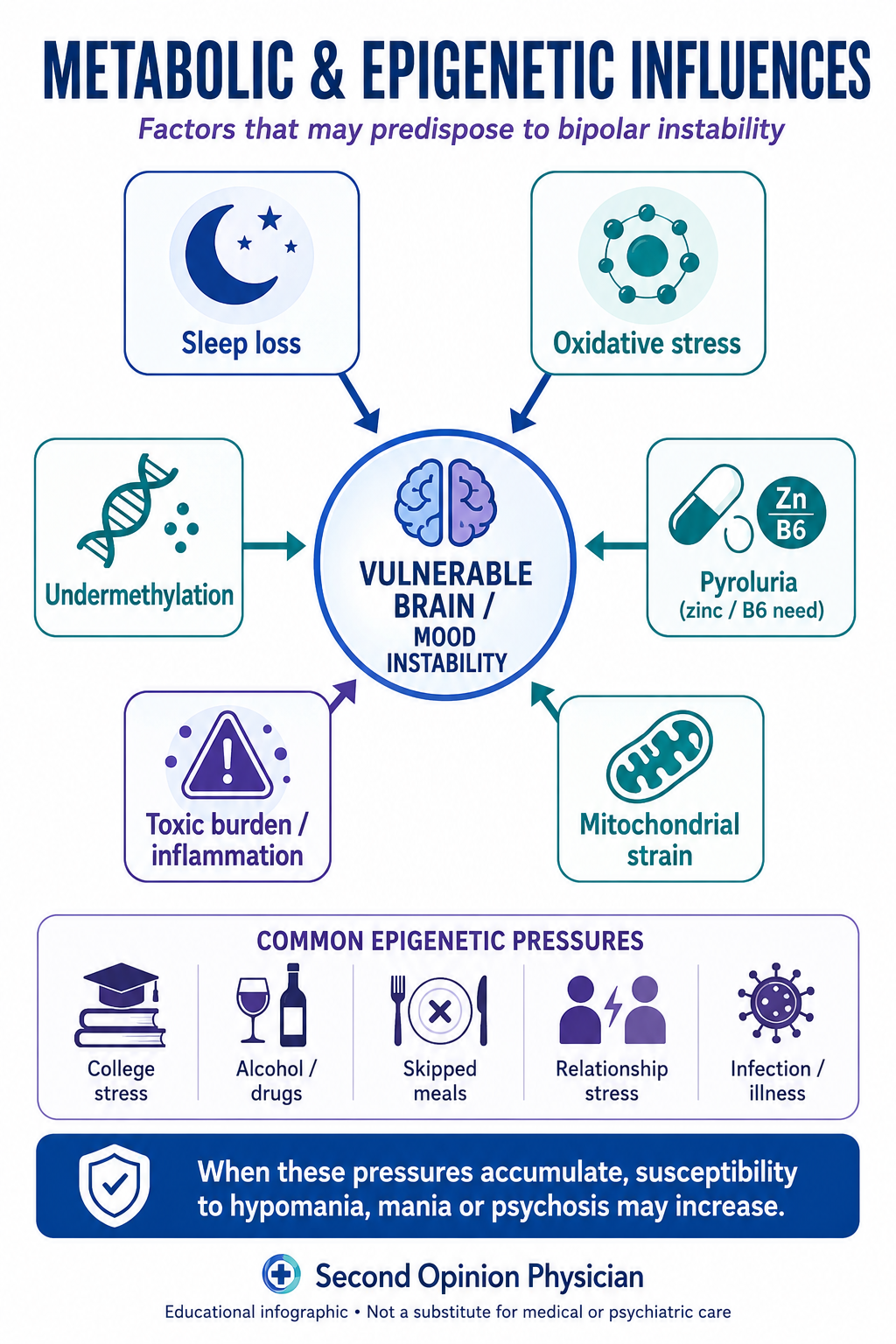
Bipolar disorder does not usually arise from one defective gene, one neurotransmitter or one stressful event. It is better understood as a vulnerability that develops through the interaction of genetics, brain signaling, circadian rhythm, inflammation, oxidative stress, mitochondrial function, nutrient balance and environmental or epigenetic pressures.
A family history may increase susceptibility, but genetics do not determine the outcome by themselves. Even identical twins do not always both develop bipolar disorder. Stress, trauma, sleep disruption and other environmental pressures may influence whether an inherited vulnerability ever becomes clinically apparent.
Bipolar disorder is highly heritable and involves many genes rather than one single bipolar gene. These genes may affect sleep, circadian timing, neurotransmission, stress response, inflammation and cellular energy.
Irregular sleep, overnight schedules, jet lag and prolonged sleep loss may destabilize circadian signaling. In susceptible patients, reduced sleep can precede or trigger hypomania, mania and psychosis.
Bipolar disorder has been associated with increased oxidative stress and oxidative injury to DNA, RNA, proteins and cell membranes. Inadequate antioxidant reserve may reduce the brain’s ability to recover from metabolic and emotional stress.
Neurons require large amounts of cellular energy to regulate electrical signaling, neurotransmitters and repair. Mitochondrial strain may impair stress tolerance and contribute to cycling, fatigue, cognitive symptoms and incomplete recovery.
Infection, mold, chemical exposure, gut-derived toxins, poor clearance and chronic inflammation can increase oxidative demand and alter brain, immune and metabolic signaling.
Undermethylation, pyroluria-related zinc and vitamin B6 need, copper-zinc imbalance, high histamine and impaired methylation may reduce the biochemical reserve needed to tolerate stress, maintain sleep and regulate mood.
A predisposed person may remain stable while sleep, meals, exercise, relationships and daily structure are reasonably balanced. Instability may emerge when several pressures arrive together and overwhelm the nervous system’s ability to compensate.
College is a common example of this threshold effect. Leaving a structured home environment may introduce irregular sleep, missed meals, stimulant use, alcohol or cannabis, academic pressure, financial strain and relationship stress at the same time. These factors do not create bipolar disorder in everyone, but they may uncover an inherited or biochemical vulnerability and trigger the first major episode.
Understanding these contributing causes changes the treatment goal. The objective is not only to suppress mania after it appears, but also to improve sleep, lower oxidative and inflammatory pressure, restore nutrient balance, support mitochondria and methylation, reduce toxic exposures and strengthen the patient’s ability to tolerate future stress.
Related reading: What Causes Bipolar Disorder?, Five Epigenetic Biotypes of Undermethylation , Toxic Overload, Creatine and Methylation and Insomnia and Sleep Disorders.
Sleep is one of the most powerful and modifiable buffers against mood instability. Reduced need for sleep is a defining sign of mania and hypomania, but sleep loss can also come first and help trigger the episode. In a vulnerable patient, protecting sleep may prevent or delay a manic, hypomanic or psychotic episode before it becomes established.
This does not mean that sleep alone erases an underlying bipolar vulnerability. It means that regular, restorative sleep may keep that vulnerability from being pushed past its threshold. Sleep protection therefore belongs at the center of prevention, alongside mood stabilization, Walsh biochemical treatment, nutrition and reduction of oxidative stress.
During sleep, neurons increase chromosome movement and activate repair pathways that help reduce DNA damage accumulated during waking activity. Poor sleep may therefore add to oxidative and cellular stress rather than merely causing next-day fatigue.
In vulnerable patients, even a short period of markedly reduced sleep may precede racing thoughts, unusual confidence, impulsivity, irritability, psychosis or a full manic episode.
A consistent bedtime, wake time, meal pattern and morning light exposure help anchor the circadian system that regulates mood, hormones, energy and medication response.
College is a common example. A young adult may leave a structured home environment and suddenly face irregular sleep, missed meals, stimulant use, alcohol or cannabis, recreational drugs, academic pressure, relationship conflict and financial stress. Each factor may be manageable alone. Together they can overwhelm an already vulnerable system and tip early activation into hypomania, mania or psychosis.
Research has repeatedly linked impaired sleep with the induction, prediction and recurrence of manic episodes. Behavioral and circadian sleep interventions have also shown potential to delay relapse.
Sleep should be restored early rather than waiting for the mood episode to become obvious. A practical plan reviews bedtime consistency, caffeine and stimulant timing, substance use, evening light, medication effects, nighttime anxiety, blood-sugar instability, pain, reflux, histamine symptoms and possible sleep-disordered breathing.
Bipolar treatment should do more than suppress the visible episode. The Walsh Approach asks what biochemical vulnerabilities made the nervous system easier to destabilize and which of them can be corrected before the next major stressor arrives. Undermethylation, pyroluria, zinc and vitamin B6 depletion, oxidative stress, toxic burden, high histamine, copper-zinc imbalance, mitochondrial strain and poor sleep may all reduce the margin of safety between ordinary stress and a major mood episode.
Rapid cycling, hypomania and mood instability may occur in patients with overlapping patterns of undermethylation, pyroluria-related zinc and vitamin B6 depletion, copper-zinc imbalance, oxidative stress, mitochondrial strain, high histamine, toxic burden and impaired methylation. These patterns do not replace the diagnosis of bipolar disorder, but they may help explain why sleep loss, drugs, alcohol, emotional stress, poor nutrition or inflammation produce such a severe response in one patient and not another.
The immediate goal is safety and control of mania, psychosis, severe insomnia or suicidal depression. The parallel goal is to reduce the oxidative, nutritional and metabolic pressure that may continue driving relapse, medication intolerance and incomplete recovery.
An undermethylated pattern may include high whole-blood histamine, obsessive or perfectionistic traits, inner tension, seasonal allergies, low serotonin activity and poor stress tolerance. In a vulnerable patient, prolonged stress and sleep disruption may add enough pressure to contribute to activation or mood cycling.
Pyroluria is interpreted within the Walsh model as increased need for zinc and vitamin B6, often accompanied by oxidative stress, poor dream recall, social withdrawal, sensory sensitivity and reduced tolerance for emotional pressure. Deficiency can worsen GABA balance, stress regulation and sleep.
Bipolar disorder has been associated with increased oxidative injury to lipids, proteins and nucleic acids. Zinc, B6, selenium, glutathione-related nutrients and other antioxidant supports may be considered when testing and the clinical pattern identify a need.
Elevated non-ceruloplasmin-bound copper or inadequate zinc may amplify norepinephrine activity, anxiety, irritability, insomnia and overstimulation. Plasma zinc, serum copper and ceruloplasmin help clarify this pattern.
Mold, chemical exposure, gut-derived toxins, medications, inflammation and impaired liver or kidney clearance may increase oxidative demand and interfere with methylation. SAM, SAH, homocysteine and organ function provide more information than an MTHFR result alone.
The brain requires substantial ATP to maintain ion gradients, neurotransmitter balance and cellular repair. Sleep loss, poor diet, inflammation and oxidative injury can reduce this reserve and make recovery from emotional or metabolic stress more difficult.
Walsh and epigenetic treatment should buffer the nervous system before, during and after periods of major stress. The goal is to lower inflammation and oxidative stress, restore zinc, vitamin B6 and antioxidant capacity, improve methylation and mitochondrial resilience, protect sleep and reduce the factors that make mood and behavior easier to destabilize.
This is especially important before predictable high-risk periods such as leaving home for college, examinations, relationship disruption, financial stress, postpartum change, prolonged sleep loss, infection, medication changes or exposure to alcohol and recreational drugs. Rebalancing the underlying terrain may reduce the chance that stress progresses into hypomania, mania, psychosis or rapid cycling.
Review: The Walsh Approach Insomnia and Sleep Disorders Five Epigenetic Biotypes of Undermethylation, Undermethylation, Pyroluria, Toxic Overload, Five Epigenetic Biotypes of Undermethylation and Walsh laboratory testing.
Bipolar disorder is strongly influenced by genetics, but the first major episode may appear only after years of apparent stability. In some patients, an underlying vulnerability—such as undermethylation, pyroluria-related nutrient loss, oxidative stress or circadian instability—may remain compensated until environmental and lifestyle pressures exceed the brain’s ability to adapt.
This transition is often seen during college or early adult life. A young person leaves a structured home environment and suddenly develops irregular sleep, skipped meals, greater alcohol or drug exposure, stimulant use, academic pressure, relationship conflict and financial stress. The combined epigenetic load may alter gene expression, inflammation, methylation, mitochondrial function and neurotransmitter regulation. In a susceptible patient, the result may be hypomania, psychosis or a first bipolar episode with long-term consequences.
The Five Epigenetic Biotypes of Undermethylation organize five common pathways that can sustain poor methylation: toxin exposure, mitochondrial stress, creatine demand, increased methylation demand, and acidic load with impaired clearance. These pathways help convert “lifestyle advice” into specific treatment targets.
Lifestyle treatment is not a promise that bipolar disorder can be permanently reversed. Its purpose is to lower the number and intensity of triggers, improve biological resilience and reduce the likelihood that an underlying vulnerability will again be pushed past its limit.
Related reading: Insomnia and Sleep Disorders, Low-Glycemic Mediterranean Diet, Ketogenic Diet for Mood and Mitochondrial Support, Sauna Benefits, Creatine and Methylation, Diet, Body pH and Alkalinity and Toxic Overload.
Nutrients affect neurotransmitter metabolism, cellular energy, antioxidant systems, membranes and inflammatory regulation. Selection should be based on measured need and the risk of activation.
SAMe, methionine, methylfolate and other activating products may worsen insomnia, agitation, hypomania or mania. They should not be added solely because an MTHFR variant is present.
Mood stabilizers may be essential when there is mania, psychosis, suicidal depression, dangerous impulsivity, severe aggression or an inability to care for basic needs.
The preferred sequence is:
Abrupt discontinuation may provoke mania, depression, psychosis, hospitalization or dangerous behavior. The absence of current symptoms may reflect successful treatment rather than absence of illness.
A mood stabilizer is a medication used to treat or prevent mania, hypomania, bipolar depression or recurrent mood cycling. Different medications are more effective for different phases of bipolar illness.
There is no single best medication for every patient. Selection depends on whether the problem is acute mania, mixed symptoms, bipolar depression or relapse prevention, as well as prior response, organ function, pregnancy potential and side effects.
Lithium may impair urine-concentrating ability and can contribute to declining kidney function in some long-term users. Kidney function, hydration, serum lithium and interacting medications should be reviewed regularly.
Yes. Lithium may contribute to hypothyroidism or thyroid enlargement. Thyroid function should be checked before and during treatment.
Slow titration reduces the risk of serious skin reactions. Any new rash, particularly with fever, mouth sores, facial swelling, blistering or systemic illness, requires prompt medical assessment.
Lamotrigine is used mainly for bipolar maintenance and prevention of depressive recurrence. It is generally not relied upon alone for rapid control of severe acute mania.
Prenatal valproate exposure is associated with neural-tube defects, other major malformations, lower IQ and neurodevelopmental disorders. Pregnancy planning should occur before conception whenever possible.
Valproate can cause liver injury and may reduce platelets. New abdominal pain, persistent vomiting, unusual bruising, jaundice or severe lethargy requires prompt review.
Carbamazepine may lower sodium and can affect blood-cell production. Confusion, unsteadiness, fever, sore throat, unusual bruising or rash requires medical assessment.
Antidepressants may trigger activation, mixed symptoms, hypomania or mania in susceptible patients. Reduced sleep, racing thoughts, impulsivity and unusual energy require prompt review.
Nutrient treatment may address contributing biochemical abnormalities, but it should not replace necessary medication during mania, psychosis, suicidal depression or dangerous instability.
Improvement may reflect successful treatment. Abrupt discontinuation can provoke relapse. Any reduction should occur gradually after sustained stability and under the direction of the prescribing clinician.
Yes. Sleep loss is a recognized trigger in susceptible patients and may precede hypomania, mania, rapid cycling or psychosis. A reduced need for sleep should be treated as an early warning sign rather than a harmless burst of productivity.
Sleep supports circadian regulation, mitochondrial recovery and neuronal DNA-repair activity. Regular sleep also reduces one of the most common triggers for manic activation.
The Walsh Approach may identify contributing patterns such as undermethylation, pyroluria, copper-zinc imbalance, oxidative stress, toxic burden and impaired methylation. These findings can guide adjunctive nutrient and lifestyle treatment while necessary psychiatric stabilization continues.
College does not cause bipolar disorder by itself, but irregular sleep, stimulant or recreational-drug use, alcohol, skipped meals, emotional stress and loss of daily structure may combine to trigger mania or psychosis in a genetically or biochemically vulnerable person.
They are five pathways that may cause or sustain impaired methylation: toxin exposure, mitochondrial stress, creatine demand, increased methylation demand, and acidic load with impaired clearance.
A detailed history and laboratory review may clarify kidney, thyroid, liver, metabolic, nutritional and biochemical factors affecting mood stability and medication safety.