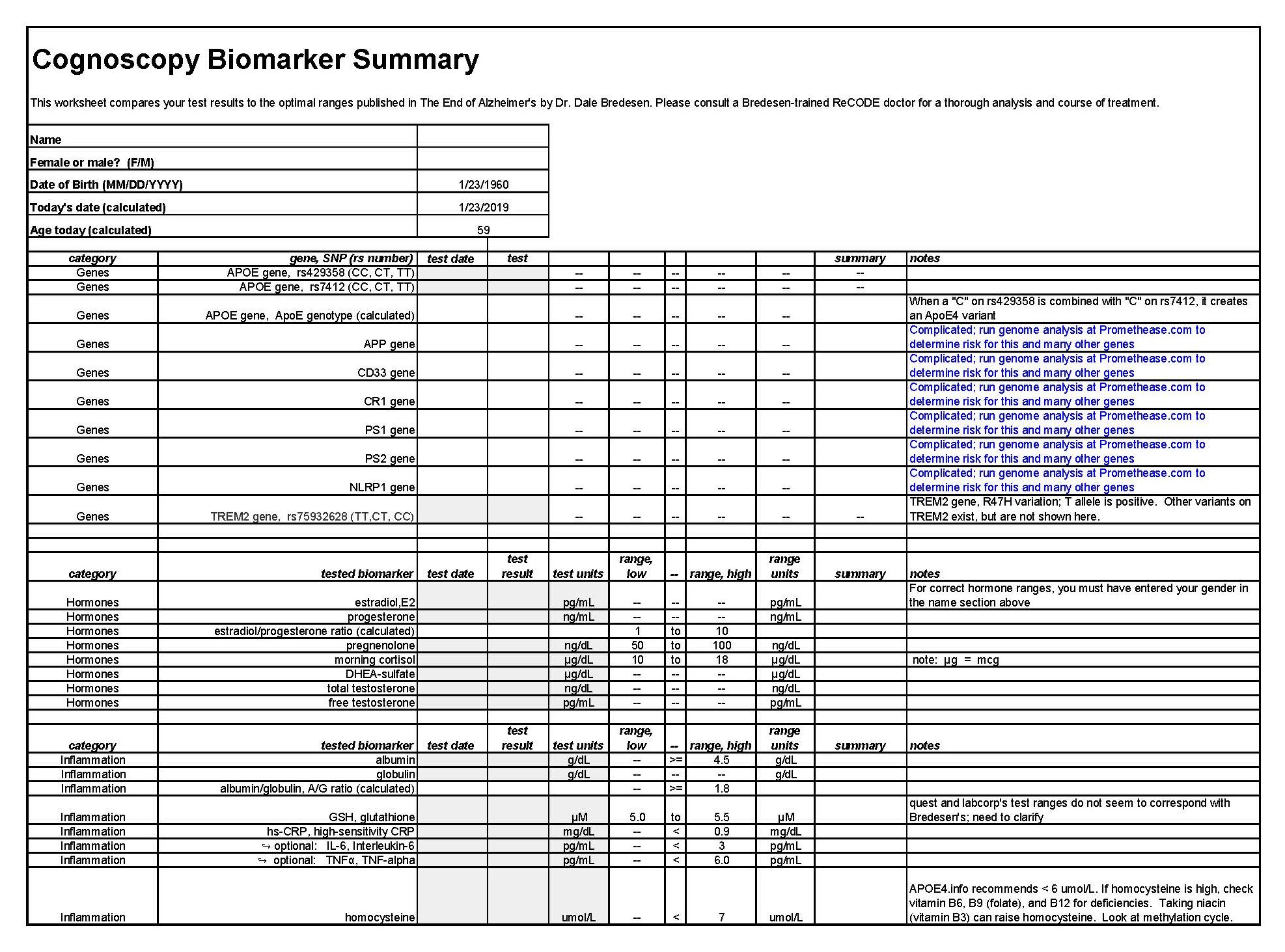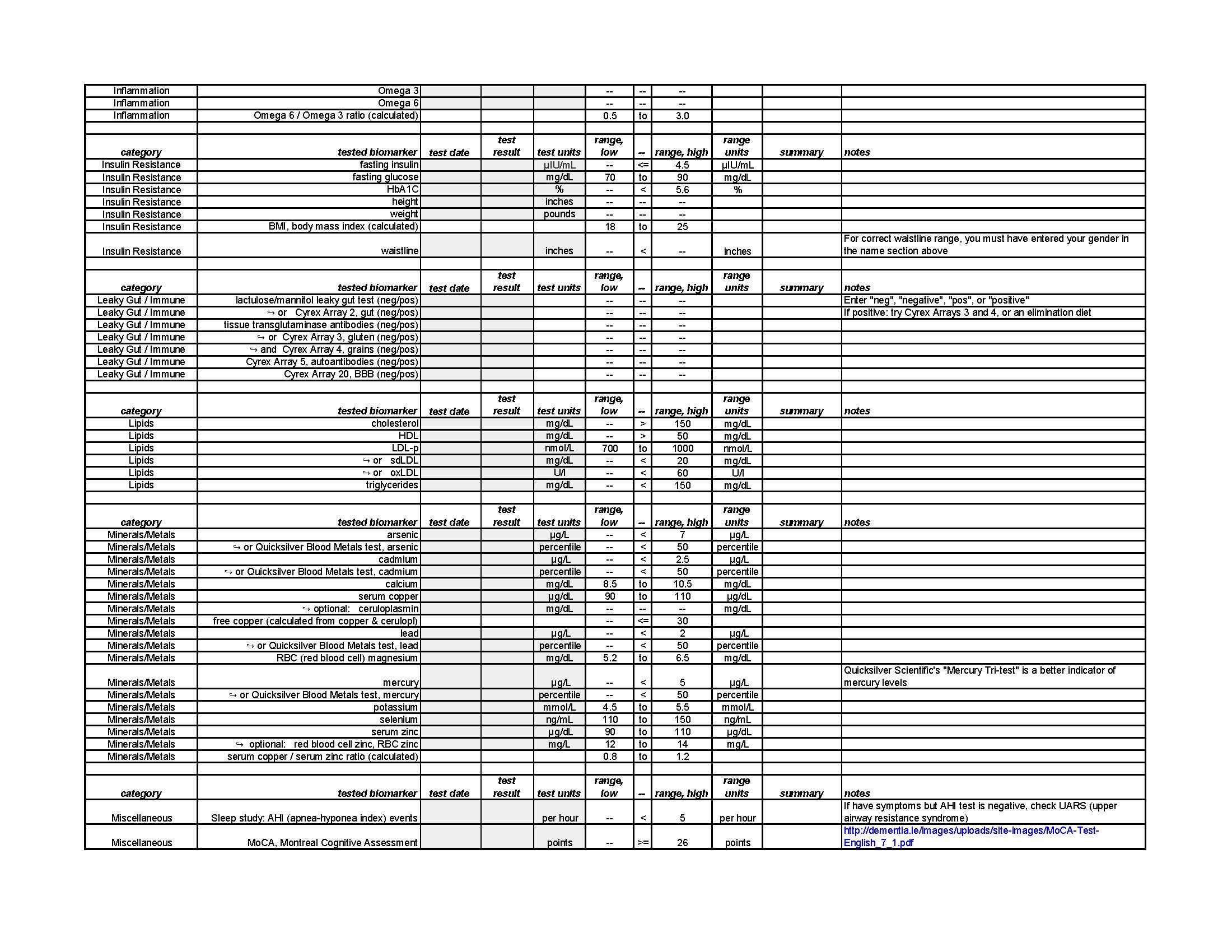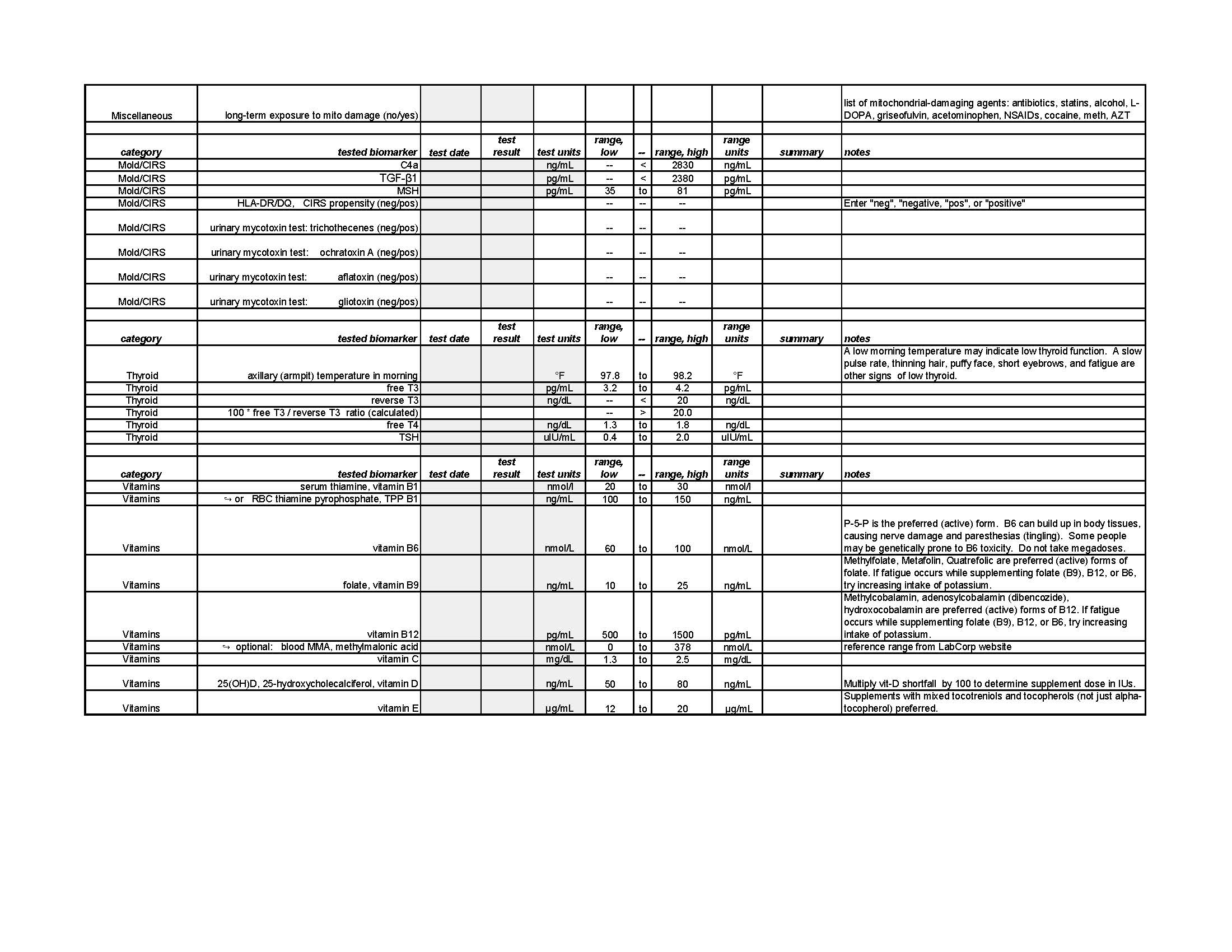
Bredesen Cognoscopy Test for Alzheimer’s Risk and Cognitive Decline
The Bredesen Cognoscopy is designed to look beyond a diagnosis of Alzheimer’s disease and ask what biological factors may be contributing to cognitive decline. Dr. Dale Bredesen’s approach emphasizes metabolic dysfunction, inflammation, insulin resistance, hormones, nutrient deficiencies, gut health, infections, toxins, sleep and genetic susceptibility. At Second Opinion Physician, we extend that assessment with important elements emphasized by the Walsh Approach, including functional methylation, SAM and SAH, whole-blood histamine, zinc, copper balance and biochemical patterns that may increase long-term stress on the brain.

What Is a Bredesen Cognoscopy Test?
Direct answer
A Bredesen Cognoscopy is a broad assessment of cognitive health designed to identify potentially modifiable contributors to cognitive decline. It may combine laboratory testing, cognitive assessment and, when appropriate, brain imaging to evaluate metabolic, inflammatory, hormonal, nutritional, toxic and genetic influences on brain function.
The concept is simple: instead of waiting until cognitive impairment is advanced, look earlier for the factors that may be increasing stress on the brain.
That makes the Cognoscopy different from a single Alzheimer’s blood test. It is intended to answer a broader question: why might this particular person’s brain be becoming vulnerable?
Who Is Dr. Dale Bredesen and What Is the Bredesen Protocol?
Dr. Dale Bredesen is a neurologist and researcher known for proposing a precision-medicine approach to Alzheimer’s disease and cognitive decline. His work emphasizes that Alzheimer’s should not be viewed only as an amyloid problem or as one disease caused by one pathway.
Instead, the Bredesen Protocol looks for multiple interacting factors that may reduce brain resilience over time, including insulin resistance, chronic inflammation, hormone decline, nutrient insufficiency, environmental exposures, infections, sleep disorders and genetic susceptibility.
This perspective overlaps with functional medicine and with the Walsh Approach in one particularly important way: patients with the same diagnosis may have very different biochemical abnormalities.
What Factors Does the Bredesen Protocol Look for in Cognitive Decline?
The Bredesen model emphasizes that several biological stresses may converge over years before significant memory problems become apparent.
Glucose and insulin resistance
Prediabetes, diabetes, elevated insulin, metabolic syndrome and poor metabolic flexibility may contribute to vascular injury, inflammation and impaired brain-energy metabolism.
Chronic inflammation
Inflammatory signaling may arise from obesity, infections, autoimmunity, food reactions, periodontal disease, gut dysfunction or environmental exposures.
Hormone and trophic support
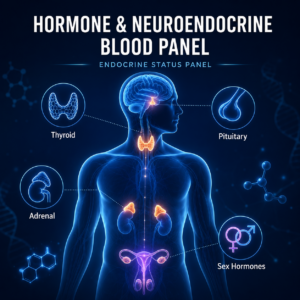
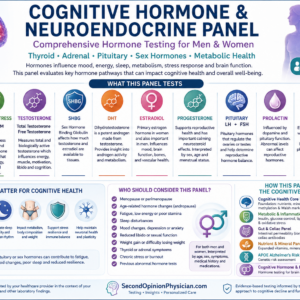
Thyroid hormones, estrogen, testosterone, DHEA and cortisol can influence sleep, metabolism, neuronal repair, mood and cognition.
Vitamin and mineral deficiencies
Vitamin D, B vitamins, zinc, magnesium, omega-3 fatty acids and other nutrients support mitochondrial function, neurotransmission and cellular repair.
Gut health and immune activation
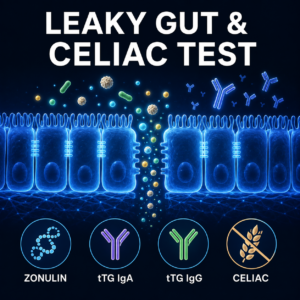
Dysbiosis, poor nutrient absorption, increased intestinal permeability and chronic immune activation may contribute to systemic inflammation.
Toxins and oxidative stress
Heavy metals, mold-related exposures, air pollutants, pesticides and other environmental burdens may increase oxidative stress and place additional demand on detoxification pathways.
How Are the Bredesen Protocol and Walsh Approach Similar?
The Bredesen Protocol and Walsh Approach arose from different clinical perspectives, but both emphasize biochemical individuality rather than assuming one treatment fits everyone with cognitive decline, depression or another neurological diagnosis.
| Clinical factor | Bredesen emphasis | Walsh / Second Opinion Physician emphasis |
|---|---|---|
| Inflammation | Major contributor to cognitive decline | Oxidative stress, toxic burden and biochemical drivers of inflammation |
| Glucose and insulin | Strong focus on insulin resistance and metabolic health | Included within the broader metabolic evaluation |
| Hormones | Thyroid, sex hormones, cortisol and trophic support | Evaluated when relevant to mood, cognition, sleep and metabolism |
| Gut health | Gut dysfunction, inflammatory triggers and infections | Gut absorption, nutrient status, inflammation and methylation demand |
| Genetic risk | Strong emphasis on APOE | Genetics considered alongside present biochemical function |
| Methylation | Part of the broader metabolic picture | Direct assessment of SAM, SAH and related methylation metabolites |
| Zinc and copper | May be included within nutrient evaluation | Major emphasis on zinc deficiency, copper regulation and ceruloplasmin |
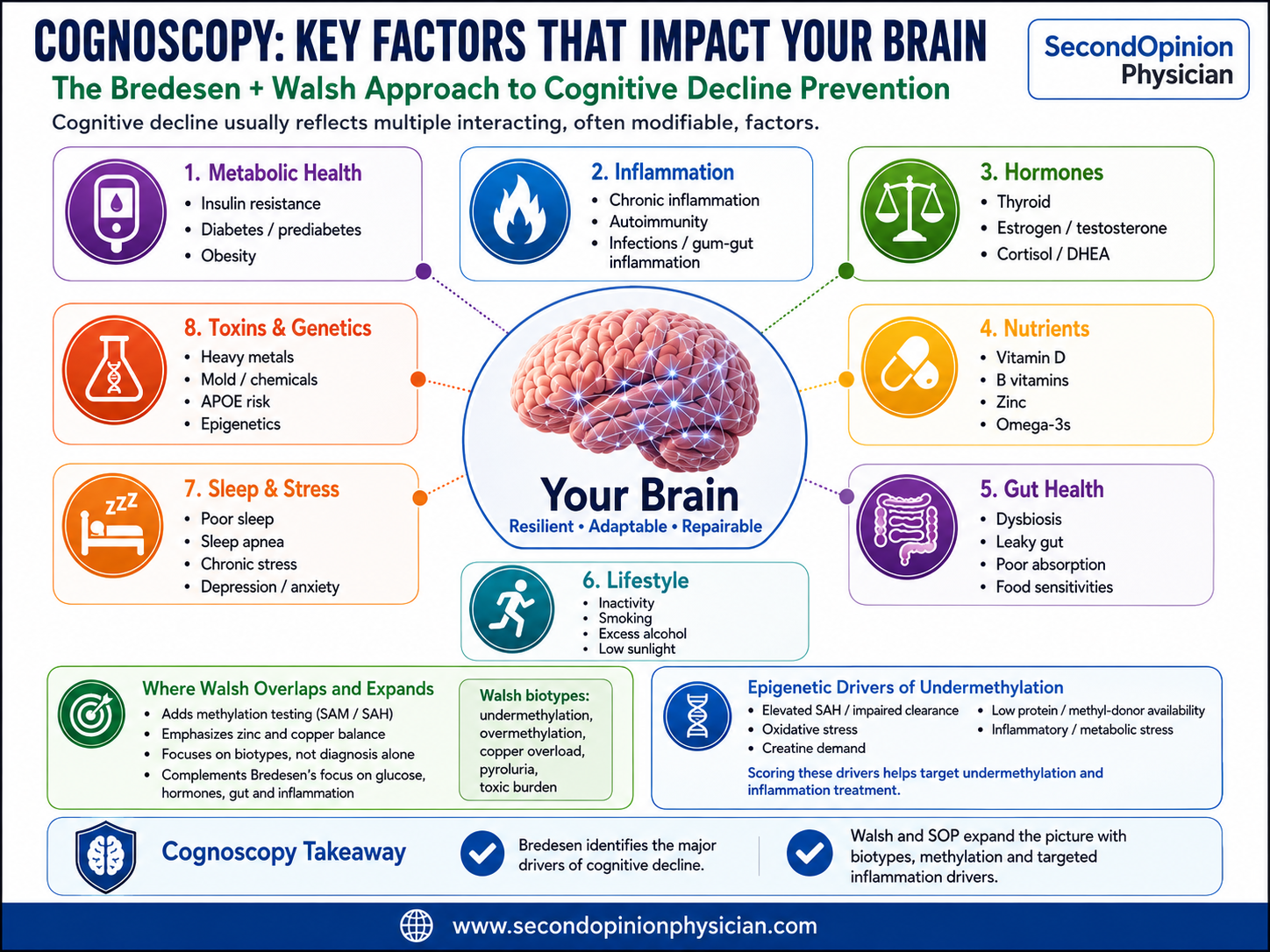
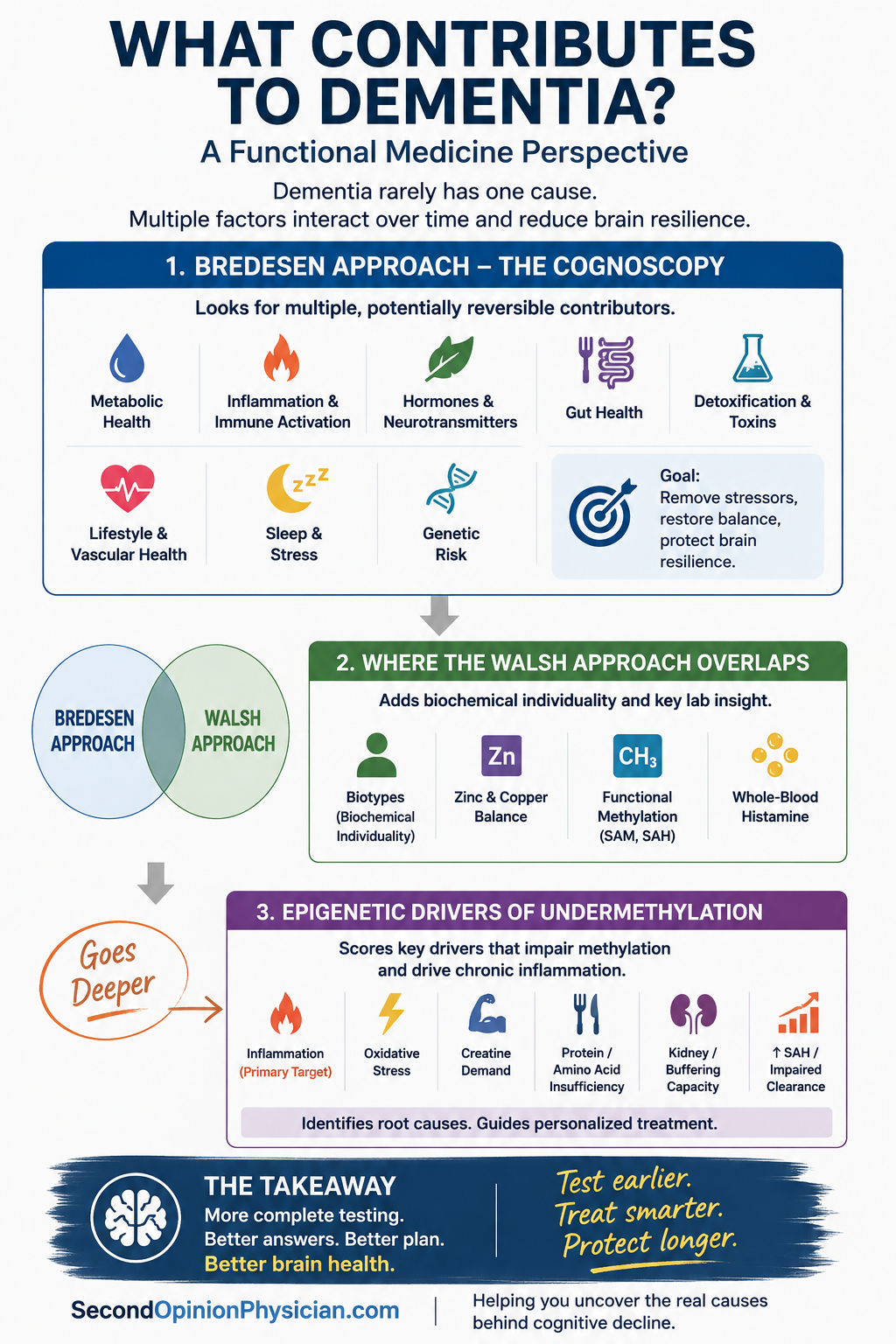
Cognoscopy looks for multiple contributors to cognitive decline. The Bredesen approach emphasizes metabolic health, inflammation, hormones, nutrients, gut health, sleep, stress, toxins and genetic risk. The Walsh Approach adds greater focus on biochemical biotypes, zinc and copper balance, and functional methylation, while the Epigenetic Drivers of Undermethylation assessment further evaluates factors that may impair methylation and contribute to chronic inflammatory stress.
What May Be Missing From a Bredesen Cognoscopy? Functional Methylation Testing
One area that deserves greater emphasis in cognitive decline is functional methylation testing.
Methylation is involved in gene regulation, neurotransmitter metabolism, phospholipid production, creatine synthesis, detoxification and cellular repair. These processes are particularly relevant to an aging brain because methylation demand can increase while nutritional, mitochondrial and metabolic capacity decline.
Why test SAM and SAH?
SAM is the major methyl donor used throughout the body. SAH is produced after methyl transfer and inhibits methylation when it accumulates. Measuring SAM, SAH, methionine and homocysteine can therefore reveal abnormalities that are not apparent from an MTHFR result or homocysteine measurement alone.
This is an important distinction. A person can have an apparently acceptable homocysteine value and still have impaired methylation because SAM is inadequate, SAH is excessive or both.
Why Do Zinc and Copper Matter in Alzheimer’s and Cognitive Decline?
The Walsh Approach places considerably greater emphasis on zinc status, copper regulation and the relationship between the two minerals than most routine cognitive evaluations.
Low zinc and brain health
Zinc is required for antioxidant defenses, immune regulation, DNA repair, neurotransmission, enzyme activity and cellular signaling. Chronic zinc deficiency may therefore influence inflammation, oxidative stress and the brain’s ability to maintain normal function.
Copper overload and oxidative stress
Copper is essential, but its transport and binding matter. Serum copper should be interpreted with ceruloplasmin, zinc status and the estimated amount of non-ceruloplasmin-bound copper when clinically appropriate.
A cognitive evaluation that looks only at glucose, cholesterol, vitamin D and thyroid function may therefore miss potentially useful information about mineral balance and oxidative stress.
How Can the Epigenetic Drivers of Undermethylation Affect Brain Aging?
Undermethylation is not necessarily explained by one genetic variant. Functional methylation can change during life in response to nutrient status, illness, oxidative stress, inflammation, protein intake, kidney function, mitochondrial energy and environmental burden.
Second Opinion Physician and WalshDoc extend the traditional Walsh model by examining several Epigenetic Drivers of Undermethylation that may either increase methylation demand or interfere with normal methylation efficiency.
Elevated SAH
Accumulation of SAH can directly inhibit methylation. Its disposal depends upon several connected metabolic processes rather than homocysteine alone.
Oxidative stress
Oxidative stress increases demand for antioxidant protection, repair and detoxification and may compete for nutritional resources needed elsewhere.
Creatine demand
The body uses substantial methylation capacity to make creatine. High demand or low dietary creatine intake can increase pressure on methylation pathways.
Protein and amino acids
Low protein intake, poor digestion or impaired intestinal absorption may reduce availability of methionine and other substrates needed for normal methylation.
Inflammatory and metabolic stress
Chronic inflammation, mitochondrial dysfunction, illness, gut dysfunction and environmental exposures can gradually change the biochemical environment in which methylation occurs.
Which Bredesen Cognoscopy Tests Are Most Useful?
There is no single Cognoscopy laboratory panel that is ideal for every person. Testing should be selected according to age, symptoms, family history, medications, metabolic health and tests already completed.
Cognoscopy + Walsh Testing
Combines important cognitive-risk laboratory markers with Walsh-related biochemical testing for a broader look at cognitive decline.
View Cognoscopy + Walsh Panel →Cognoscopy Inflammation Panel
Designed to identify inflammatory contributors that may accompany metabolic dysfunction and cognitive decline.
View Inflammation Panel →Glucose, Lipids and Inflammation
Useful when insulin resistance, cardiovascular risk, obesity or metabolic inflammation is a concern.
View Metabolic Cognoscopy Panel →Minerals and Vitamins
Evaluates nutrient factors involved in antioxidant defense, brain metabolism, repair and methylation.
View Minerals & Vitamins Panel →APOE Alzheimer’s Risk Test
APOE testing identifies inherited susceptibility. It does not diagnose Alzheimer’s disease, but may help determine how aggressively modifiable risks should be addressed.
View APOE Test →Comprehensive Hormone Testing
Hormonal changes may influence metabolism, sleep, muscle mass, mood and cognition and can be evaluated when clinically relevant.
View Men’s Hormone Panel →When Should Someone Consider Alzheimer’s Prevention or Cognitive Decline Testing?
Testing may be most useful before substantial memory loss develops.
People with a strong family history, APOE risk, subjective memory changes, insulin resistance, diabetes, sleep apnea, chronic inflammation, vascular disease or unexplained changes in cognition may have particular reason to investigate modifiable contributors.
A Cognoscopy does not replace a neurological evaluation when dementia, stroke, Parkinson’s disease or another neurological disorder is suspected. It provides a different layer of information by asking which metabolic and biochemical stresses may be contributing to the clinical picture.
Bredesen Videos: Cognitive Decline, Alzheimer’s Testing, Saunas and Detoxification
The interviews and educational videos on Second Opinion Physician explore Bredesen’s broader model of cognitive decline, laboratory testing, environmental contributors and strategies intended to improve brain resilience.
The End of Alzheimer’s
Learn why Dr. Bredesen views cognitive decline as a multifactorial biological process rather than a disorder driven by one abnormality.
Watch the Bredesen Interview →Alzheimer’s Testing and Treatment
A deeper discussion of laboratory assessment and the concept of building treatment around the abnormalities actually present in the individual patient.
Watch the Video →The interviews also discuss lifestyle and environmental strategies including exercise, dietary changes, sauna use and approaches to reducing toxic and inflammatory burden.
Combining Bredesen Cognoscopy Testing With the Walsh Approach
Bredesen’s work helped move Alzheimer’s prevention toward a broader question: what is causing this individual brain to become vulnerable?
The Walsh Approach adds additional biochemical detail through functional methylation, whole-blood histamine, copper regulation, zinc status and individualized nutrient patterns.
Depending on the person, a more complete cognitive evaluation may consider:
- Glucose and insulin resistance
- Inflammatory markers
- APOE genetic susceptibility
- Hormone and thyroid function
- Vitamin and mineral status
- Gut and intestinal factors
- Copper, ceruloplasmin and zinc
- Whole-blood histamine
- SAM, SAH and functional methylation
- Oxidative and environmental burden
- Epigenetic Drivers of Undermethylation
The objective is not to order every test available. The objective is to identify the tests most likely to explain why cognitive risk may be increasing in that particular patient and use those findings to guide a more targeted plan.
Bredesen Cognoscopy and Alzheimer’s Testing FAQs
What is a Bredesen Cognoscopy?
A Bredesen Cognoscopy is a broad cognitive-health assessment designed to identify potentially modifiable contributors to cognitive decline. It may combine laboratory testing, cognitive assessment and, when appropriate, brain imaging.
What blood tests are included in a Bredesen Cognoscopy?
Testing may include glucose and insulin markers, lipids, inflammatory markers, thyroid and hormones, vitamin and mineral status, genetic risk and other metabolic or environmental factors. The exact panel should be individualized.
What does a Cognoscopy test for?
A Cognoscopy looks for biological factors that may contribute to cognitive decline, including insulin resistance, inflammation, vascular risk, nutrient deficiencies, hormonal imbalance, gut dysfunction, toxins, sleep disorders and genetic susceptibility.
What may be missing from a standard Cognoscopy?
Functional methylation testing may provide additional information. Measuring SAM, SAH, methionine and homocysteine can reveal methylation abnormalities that are not apparent from homocysteine or genetic testing alone.
Why test zinc and copper in cognitive decline?
Zinc and copper influence antioxidant defense, neurotransmission, immune regulation and numerous enzyme systems. The Walsh Approach places particular emphasis on zinc deficiency, copper regulation and ceruloplasmin when assessing neurological and psychiatric symptoms.
Does APOE4 mean I will develop Alzheimer’s disease?
No. APOE4 increases susceptibility but does not determine whether Alzheimer’s disease will occur. Metabolic health, vascular risk, sleep, inflammation, exercise, diet and other environmental influences remain important.
Can Alzheimer’s risk factors be found before memory loss?
Yes. Insulin resistance, dyslipidemia, nutrient deficiencies, inflammation, sleep apnea, vascular disease and hormonal dysfunction can often be identified before major cognitive symptoms become obvious.
How is the Walsh Approach different from the Bredesen Protocol?
Bredesen emphasizes metabolic health, inflammation, hormones, gut health, infections, environmental exposures and genetic risk. The Walsh Approach places greater emphasis on biochemical individuality, whole-blood histamine, functional methylation, copper, zinc and pyroluria. The two approaches can be complementary.
What are the Epigenetic Drivers of Undermethylation?
They are factors evaluated by Second Opinion Physician and WalshDoc that may increase methylation demand or interfere with methylation efficiency, including elevated SAH, oxidative stress, creatine demand, inadequate protein or methyl-donor availability and chronic inflammatory or metabolic stress.
What is the best test for early cognitive decline?
There is no single best laboratory test. A useful evaluation often combines cognitive assessment with testing selected according to metabolic risk, inflammation, vascular health, hormones, nutrient status, genetics and other suspected contributors.
Bredesen's Lab Markers for Alzheimer's