
Histamine Intolerance or High Histamine? DAO, Mast Cells and Undermethylation
Histamine symptoms may come from food-derived histamine, impaired DAO activity, histamine intolerance, or a high whole-blood histamine pattern associated with undermethylation. Learn how to tell these pathways apart and choose the appropriate diet, testing and biochemical assessment.

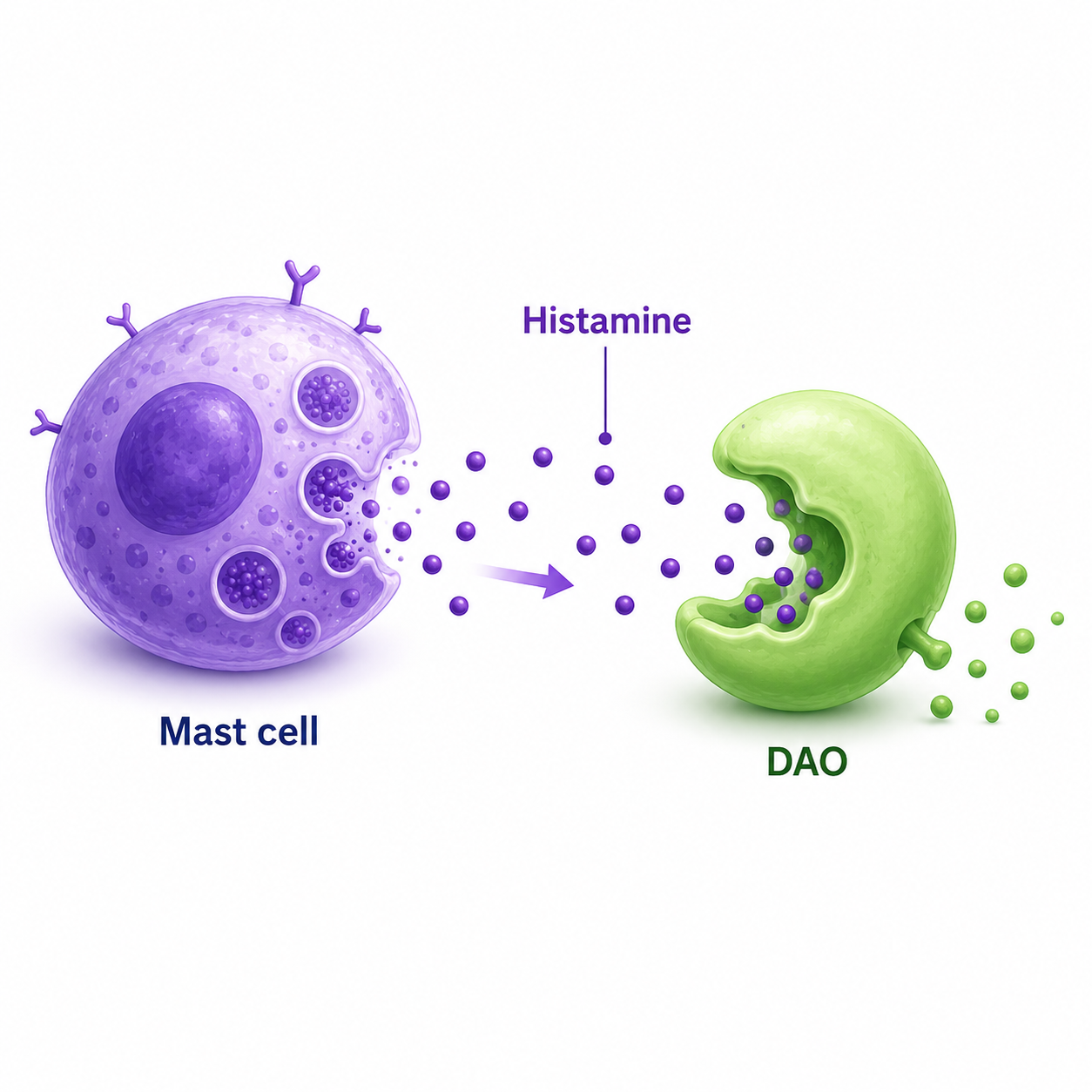
Histamine intolerance is often used as a catch-all explanation for flushing, congestion, headaches, hives, digestive symptoms, insomnia or anxiety. Sometimes food-derived histamine and low intestinal DAO are central. Sometimes the problem is allergy or mast-cell activation. In other patients, high whole-blood histamine occurs with depression, obsessive thinking, perfectionism, seasonal allergies and an undermethylation pattern.
These pathways can overlap, but they are not interchangeable. A patient who reacts to leftovers may need a different evaluation from a patient with chronic hives, and both may differ from a patient whose allergies occur with persistent mood or behavioral symptoms.
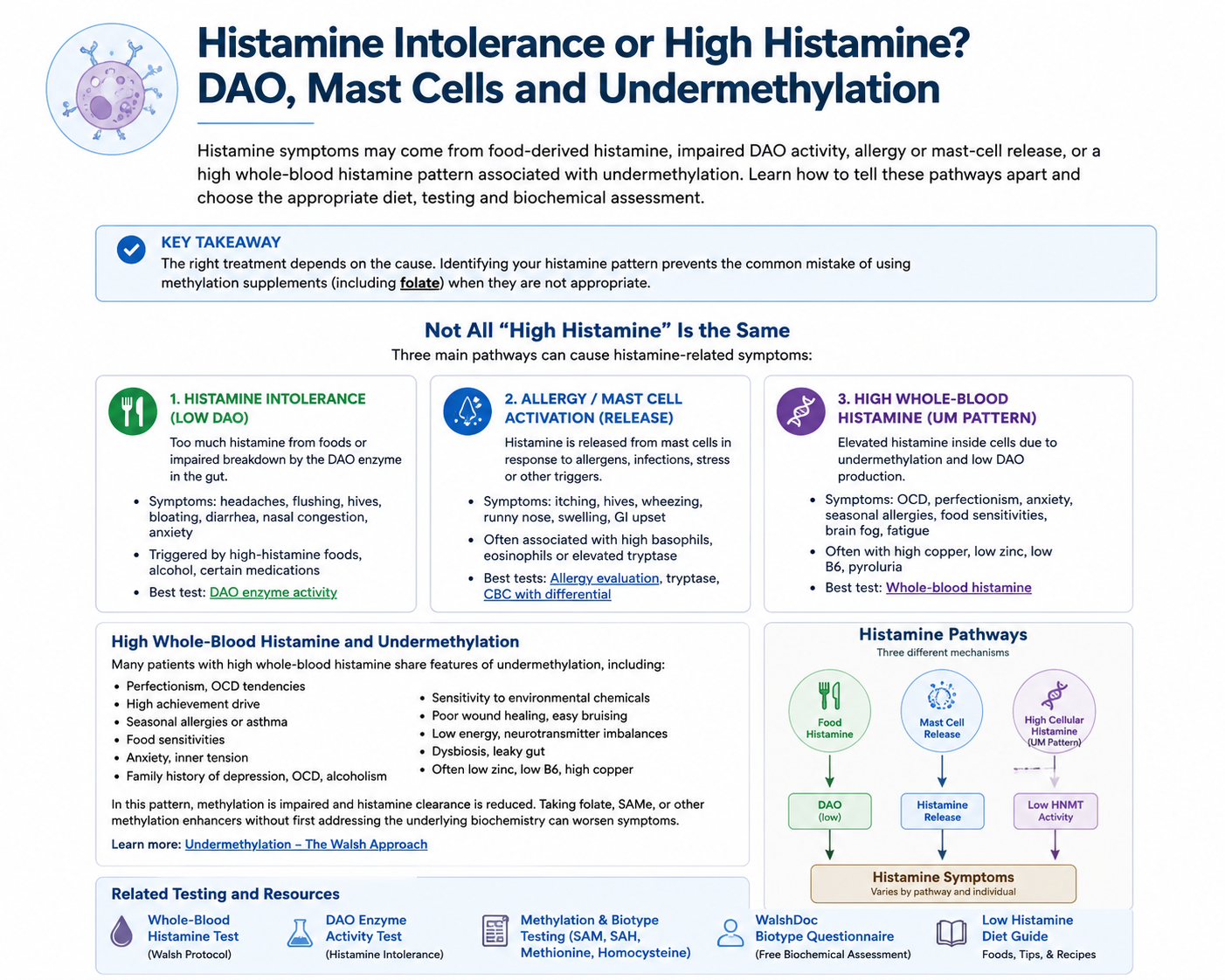
Histamine Intolerance or High Histamine? Three Different Patterns
Dietary Histamine and Low DAO
Symptoms tend to follow aged, fermented, cured, canned or poorly stored foods. Flushing, congestion, headache, diarrhea, abdominal discomfort or palpitations may begin after meals.
Allergy or Mast-Cell Histamine Release
Hives, itching, swelling, wheezing, rhinitis or reactions to allergens, temperature, medications or other triggers may reflect immune-cell activation rather than food histamine alone.
High Whole-Blood Histamine and Undermethylation
In the Walsh Approach, elevated whole-blood histamine may occur with seasonal allergies, depression, OCD traits, perfectionism, inner tension, high achievement and poor tolerance of folate supplements.
What Is Histamine and Why Does It Cause So Many Symptoms?
Histamine is a signaling molecule used throughout the immune system, gastrointestinal tract and nervous system. Its effects depend on where it is released and which histamine receptor is activated.
Allergy and inflammation
Mast cells and basophils can release histamine during allergic and inflammatory responses, contributing to itching, congestion, flushing, swelling and bronchial symptoms.
Digestion
Histamine influences stomach-acid secretion and gastrointestinal signaling. Excessive exposure or impaired breakdown may contribute to abdominal pain, diarrhea, nausea or food-related reactions.
Brain and wakefulness
Histamine is also a neurotransmitter involved in arousal, sleep-wake regulation, attention, appetite, memory and modulation of other neurotransmitter systems.
Histamine Intolerance Symptoms
Histamine intolerance is considered when symptoms repeatedly follow histamine-rich foods and improve when the dietary load is reduced. There is no single symptom or laboratory test that proves the diagnosis.
Skin and circulation
- Flushing
- Itching or hives
- Swelling
- Headache or migraine
- Palpitations or lightheadedness
Respiratory and allergy
- Nasal congestion
- Sneezing or watery eyes
- Postnasal drainage
- Wheezing in susceptible patients
- Seasonal symptom flares
Digestive and nervous system
- Abdominal pain or cramping
- Diarrhea or nausea
- Sleep disturbance
- Fatigue or brain fog
- Anxiety or internal agitation
DAO vs HNMT: Two Histamine Breakdown Pathways
| Pathway | Main location and role | Typical clinical clue | What it does not prove |
|---|---|---|---|
| DAO Diamine oxidase |
Helps metabolize extracellular and food-derived histamine, particularly in the intestinal tract. | Symptoms repeatedly follow aged, fermented, cured or leftover foods. | Low DAO does not automatically mean undermethylation. |
| HNMT Histamine N-methyltransferase |
Metabolizes histamine inside cells and uses SAM as a methyl donor. | Broader intracellular histamine handling may be relevant when methylation is impaired. | An HNMT concern does not by itself diagnose food intolerance. |
| Mast-cell or basophil release | Immune activation releases histamine and other mediators into tissues or blood. | Hives, swelling, allergy symptoms or trigger-related systemic reactions. | Immune release is not measured simply by a food list or DAO supplement response. |
When Food Sensitivity May Be the Main Problem
Dietary histamine becomes more likely when symptoms closely follow food freshness and storage. Histamine can accumulate as protein foods age, even when the food is not visibly spoiled.
Common higher-histamine exposures
- Aged cheese
- Cured or processed meats
- Fermented foods and alcohol
- Canned or smoked fish
- Long-stored leftovers
Practical first steps
- Use the freshest protein available
- Cool cooked food promptly
- Freeze individual portions rather than storing several days
- Keep a meal-and-symptom diary
- Reintroduce foods after a short structured trial
When Histamine Symptoms May Be Part of Undermethylation
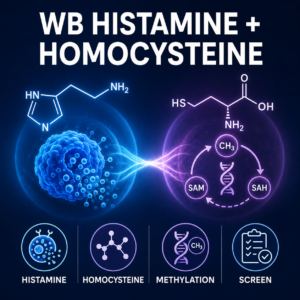
In the Walsh Approach, whole-blood histamine is used as one functional clue to methylation status in patients with mood or behavioral symptoms. It is not the same as serum or plasma histamine, and it is not a standard test for food allergy or mast-cell activation.
High histamine with mood traits
- Chronic or treatment-resistant depression
- Obsessive thinking or OCD traits
- Perfectionism or strong internal standards
- High achievement or competitiveness
- Seasonal allergies
- Inner tension despite outward control
Unexpected nutrient or medication response
- Worsening mood with folic acid or methylfolate
- Partial response to serotonin-targeting medication
- Persistent symptoms despite a low-histamine diet
- Food reactions that do not fully explain the psychiatric pattern
- Need to distinguish undermethylation from other Walsh biotypes
Why “Take Folate to Improve Methylation” Is Too Simplistic
The original version of this page treated folate, B12, SAMe and other methylation nutrients as if they were broadly appropriate for elevated histamine. That is not a safe assumption.
Undermethylation
Some patients with an undermethylated mood pattern report worsening of depression, agitation or obsessive symptoms with folic acid or methylfolate despite their biochemical role in one-carbon metabolism.
Overmethylation
Some patients with an overmethylated pattern may poorly tolerate SAMe, methionine or other methyl-donor strategies.
Food histamine
A DAO-related meal reaction may not improve by pushing methyl donors at all. Food freshness, intestinal health and DAO support may be more relevant.
Testing: Match the Test to the Question
Diet and DAO assessment
Use a structured food trial, symptom diary, review of gut disease, medication effects and possible DAO support. DAO testing has limitations and should not be treated as definitive by itself.
Whole-blood histamine
Used within the Walsh Approach when depression, OCD traits, anxiety, allergies or unusual nutrient responses suggest an undermethylation or overmethylation pattern.
SAM, SAH, methionine and homocysteine
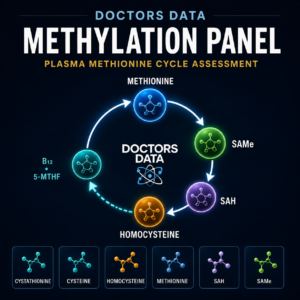
A plasma methylation panel gives more direct information about methyl supply, methylation inhibition and methionine-cycle dynamics.
Other Causes That Can Resemble Histamine Intolerance
Similar symptoms may result from food allergy, chronic urticaria, medication reactions, mast-cell disorders, migraine, dysautonomia, gastrointestinal disease, infection, hormonal changes or other inflammatory conditions.
Consider allergy or mast-cell evaluation when
- Hives, swelling or wheezing are prominent
- Symptoms occur without a clear food-histamine relationship
- Multiple environmental or medication triggers are present
- Episodes are systemic or severe
Consider broader functional evaluation when
- Chronic diarrhea or malabsorption is present
- Food restriction keeps expanding
- Symptoms began after infection or major gastrointestinal disruption
- Diet and DAO provide only partial benefit
A Practical Step-by-Step Plan
Identify the dominant pattern
Determine whether symptoms are mainly meal-related, allergy-related, mast-cell-like or associated with a persistent mood and behavioral pattern.
Use a short, structured food trial
Improve freshness, reduce the clearest high-histamine foods and track timing. Avoid indefinite restriction without reintroduction.
Test the broader biochemical pattern
When mood, OCD traits, sleep, allergies or treatment response remain unexplained, consider whole-blood histamine, biotype labs and direct methylation testing.
When Histamine Symptoms Extend Beyond Food
A low-histamine diet may reduce meal-triggered symptoms, but it cannot by itself determine whether the patient has undermethylation, copper overload, pyroluria, mast-cell activation or another biochemical pattern. Persistent depression, obsessive thinking, anxiety, poor sleep or paradoxical reactions to nutrients deserve a broader assessment.
Frequently Asked Questions
Is histamine intolerance the same as having high histamine?
No. Histamine intolerance usually refers to symptoms caused by dietary histamine exceeding the body’s capacity to metabolize it. High histamine may also result from allergy, mast-cell release or a whole-blood histamine pattern used in Walsh-oriented methylation assessment.
Can histamine intolerance cause anxiety or insomnia?
Histamine participates in arousal and nervous-system signaling, so anxiety, agitation or sleep disturbance may occur. These symptoms have many other causes and do not prove histamine intolerance.
Does a low-histamine diet treat undermethylation?
No. It may reduce food-derived histamine exposure, but it does not by itself correct a low-SAM, high-SAH or Walsh undermethylation pattern.
Is DAO deficiency the same as HNMT deficiency?
No. DAO mainly handles extracellular and dietary histamine, particularly in the gut. HNMT acts inside cells and requires SAM for methylation.
What is the best test for histamine intolerance?
There is no single universally accepted diagnostic test. Clinical history, food timing, response to a structured diet trial and exclusion of competing diagnoses are central. Whole-blood histamine answers a different Walsh-oriented methylation question.
When should whole-blood histamine be tested?
It may be useful when allergies or histamine symptoms occur with chronic depression, OCD traits, perfectionism, inner tension or unusual reactions to methylation supplements or psychiatric medications.
Selected References
Educational information only. Histamine-related symptoms can overlap with food allergy, chronic urticaria, mast-cell disorders, medication reactions, migraine, dysautonomia and gastrointestinal disease. Severe breathing difficulty, throat swelling, fainting or suspected anaphylaxis requires emergency care.
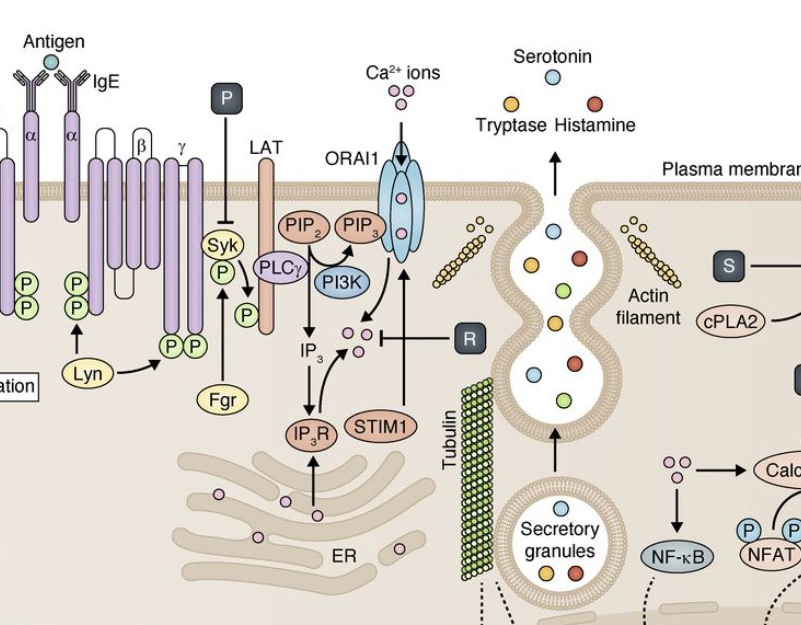
Managing Histamine Intolerance with Methylation & Nutrient Therapy
Histamine intolerance is a condition in which the body accumulates an excessive amount of histamine. This compound plays a vital role in our immune response and is responsible for triggering inflammation when the body is under attack. However, in some people, histamine can accumulate due to a variety of reasons, such as an underactive enzyme that breaks down histamine or overproduction of histamine in the body. The accumulation of histamine can result in various symptoms ranging from mild to severe, including migraines, gastrointestinal problems, and skin rashes. In this article, we will discuss the importance of methylation in managing histamine levels and explore the various treatment options available, including diet modifications, supplementation, and probiotics.
Understanding Histamine Intolerance
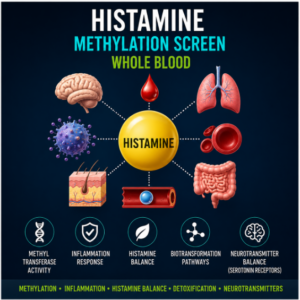
Histamine intolerance is commonly associated with symptoms such as respiratory issues, gastrointestinal problems, and skin rashes due to the build-up of histamine in the bloodstream. However, it is important to note that histamine intolerance can also affect neurological functions, as histamine is involved in neurotransmitter regulation. In particular, histamine is a key modulator of serotonin and dopamine activity, both of which play important roles in mood regulation through the activity of reuptake enzymes DERT and SERT. Therefore, measuring whole blood histamine levels can provide an estimation of the activity of these important neurotransmitters and help identify the potential impact of histamine intolerance on neurological symptoms and mood disorders.
It is worth noting that in addition to histamine intolerance, mast cell activation disorder (MCAD) is another condition that can lead to an excess release of histamine and other mediators from mast cells. MCAD is a complex and often underdiagnosed condition that can cause a wide range of symptoms, including gastrointestinal disturbances, headaches, fatigue, skin rashes, and neuropsychiatric symptoms such as anxiety and depression. Research suggests that impairments in the methylation cycle may be involved in mast cell dysfunction and the development of MCAD. Therefore, measuring whole blood histamine levels and assessing methylation status may be important considerations for individuals with suspected MCAD.
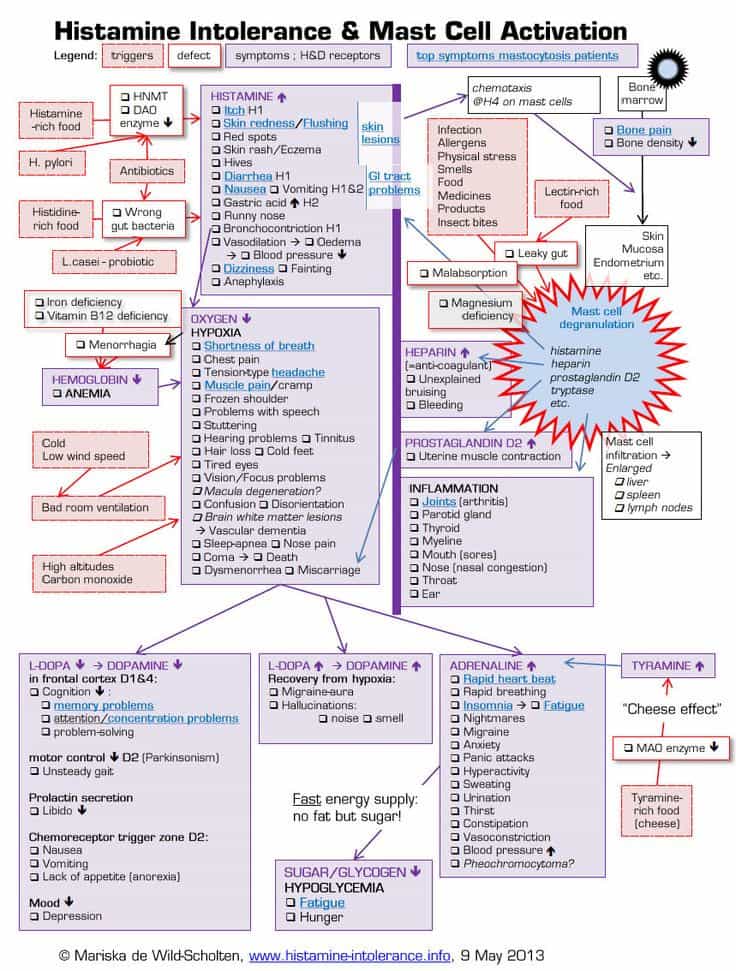
The Role of Methylation in Managing Histamine Levels
The one-carbon cycle, or methylation cycle, is a complex biochemical process that plays a key role in the regulation of many bodily functions, including the management of histamine levels. The cycle involves the transfer of a methyl group (CH3) from one molecule to another, which is facilitated by enzymes that are dependent on certain vitamins and nutrients, such as folate, vitamin B12, and SAMe. This cycle is responsible for many important processes, including the synthesis of DNA, RNA, and neurotransmitters, as well as the regulation of gene expression. Detecting methylation status can help identify imbalances in this cycle, which can lead to histamine intolerance and other health issues. By supplementing with nutrients that support methylation, such as folate and B12, and by avoiding factors that interfere with the cycle, such as toxins and stress, methylation can be improved, which can help manage histamine levels and reduce symptoms associated with histamine intolerance.
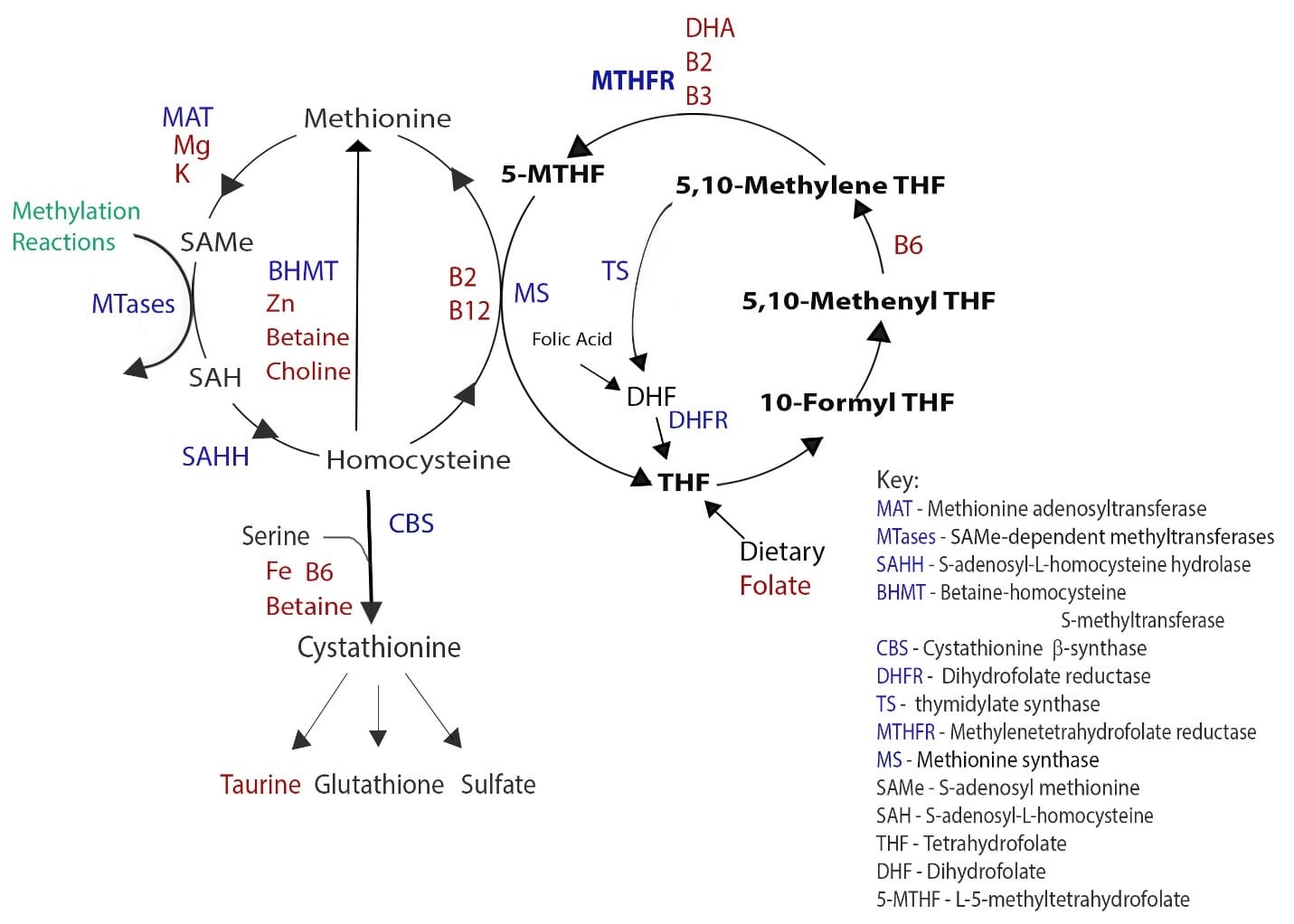
Testing for Undermethylation and Overmethylation
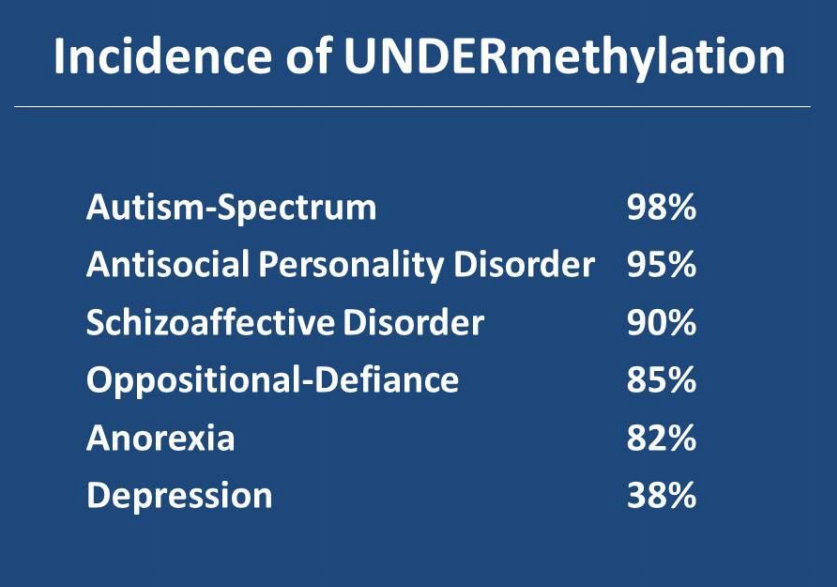
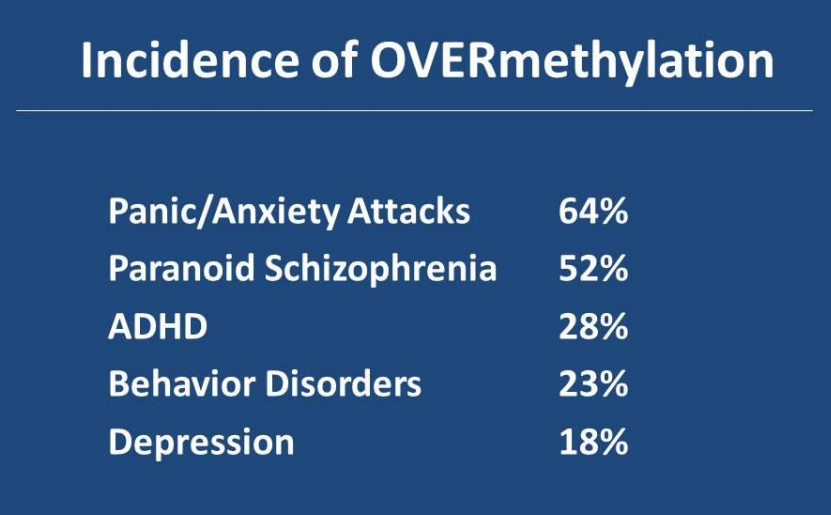
At this Second Opinion Physician website, patients can order the necessary testing to determine their methylation status and evaluate for overmethylation or undermethylation. It is important to note that MTHFR genetic testing is generally not useful in determining methylation status. Instead, the Walsh protocol is used to measure whole blood histamine and plasma methylation levels. This testing is especially important for patients experiencing mood disorders, which can be exacerbated by supplementation to increase or decrease methylation. With the results of these tests, nutrient therapy can be tailored to the patient's specific needs and symptoms, improving methylation and reducing symptoms associated with histamine intolerance.
Histamine Intolerance and Diet
Histamine intolerance is a condition where there is an accumulation of histamine in the body which can cause a range of symptoms such as headaches, itching, hives, and gastrointestinal issues. Foods high in histamine or histamine-releasing foods can trigger these symptoms in people with histamine intolerance. Fermented foods such as sauerkraut, yogurt, and kimchi are typically high in histamine due to the presence of histamine-producing bacteria. Certain types of fish, aged cheese, and processed meats also contain high levels of histamine. It's important to pay attention to food labels and avoid foods that trigger symptoms.
In Conclusion
In conclusion, histamine intolerance is a complex condition that can result in a variety of symptoms, including respiratory issues, gastrointestinal problems, and skin rashes. Testing for histamine levels, as well as methylation status, can be helpful in charting a plan to manage histamine intolerance. Supplementation with nutrients such as DAO, SAMe, methionine, magnesium, biotin, B12, TMG, vitamin B6, NAC, and folic acid can help improve methylation and reduce symptoms associated with histamine intolerance. It's important to work with a healthcare provider who understands the complexities of histamine intolerance and can guide patients in developing a personalized treatment plan. Additionally, paying attention to food labels and avoiding foods that trigger symptoms can also be helpful. Overall, with proper testing and management, individuals with histamine intolerance can experience relief from their symptoms and improved quality of life.
Symptoms of Elevated Whole Blood Histamine
Symptoms of Low Whole Blood Histamine
Hi, o have interest of knowing more about the probiotics thay increase and the others crpas that decrease histamine. Do you have the references? Thank you só much!
I have been suffering from high histamine issues…primarily hives and insomnia…ever since taking a round of Cipro. I’m waiting for my Dutch hormone testing but I already know my estrogen is extremely high and I have almost no progesterone. I’m taking Taurine, GABA, vitamin C, B-6, and zinc. I have a hunch I have low cortisol…I have always lived an extremely fast paced, super-stressed lifestyle. While I wait the 2-3 weeks for my Dutch results, will it hurt to take the taurine and GABA to calm my anxiety? I don’t want to lower my cortisol if it’s already too low…I can’t afford for my Histamine levels to get any worse.
Thanks for your question, however, it would not be appropriate for me to make medical recommendations via public chat without taking proper history and necessary labs.
Missy if you are injured from Cipro it may be wise to take P5P instead of straight B6, B6 can make any neuropathy much worse. Im not a Dr just a fellow Floxy that learned the hard way lol.
Excellent and helpful article…Can you recommend a physician in Naples,FL who could help treat my adult daughter ? We were recently exposed to significant mold ( that she is allergic to) in our house. We are out of the house until this can be remediated next Wed. Any recommendations would be greatly aporeciated.
This is a great article but some of the things mentioned are things found to be high in glyphosate and glufonisate which has been found to raise histamines. They use those herbicides to dry beans and grains. Also people may want to avoid GM products because it has been found the body reacts to the BT Toxin in them the same way they would if you had food poisoning.
Yes, you are correct when it comes to whole foods. It is important to source organic products whenever possible to avoid glyphosates. Supplements however are not commonly available as organic. Fortunately dosages are much smaller than the source agriculture product and extracts do not likely contain glyphosates.
This is excellent! Right on the money when it comes to explanation and advice to help. Thank you so much for publishing this.
Glad you found it helpful.
Great,informative post ,thanks.
Thank you
What is the best DAO Enzyme Supplement to take?
Allergy Research has a grass fed beef glandular that is offered at Biotype Nutrients, a website managed by Second Opinion Physician.
I find that so many who suffer with histamine problems are also sensitive to salicylates, and it is important to learn about oxalates. The best place to learn about oxalates is “Trying Low Oxalates TLO” facebook group and other groups Susan Owens is the expert. Oxalates cause kidney stones, gout, leaky gut, eye problems, joint pain, lower minerals and sulfur, if this isn’t addressed the other problems persist. Also iodine helps control histamines– and important to note meat must be very fresh (for histamines) so buy fresh and freeze right away. (No leftovers) Iodine info–https://www.youtube.com/watch?v=seymLq1ofXA– also, environmental stress is a trigger to histamine release– heat, cold, mold, … many also fine OMAD (one meal a day helps) and Intermittent fasting– at least 18 hours a day of clean fasting (Plain water only) gives the body a chance to heal — Dr. Jason Fung –“Intermittent fasting … That is the process of autophagy, where sub-cellular organelles are destroyed and new ones are …”
Thank you Jennifer, these are all excellent points. In regards to metals it is also important to consider copper, as it is a component of DAO. However, too much copper can also cause anxiety and ADHD, particularly if diet is inadequate or the body is low in metallothionines such as ceruloplasmin which bind free copper. Important to test copper levels prior to taking copper supplements. And a good idea to test RBC magnesium prior to taking iodine.
Hi
Thank you for the article. Well done.
I have a very complex situation. I suffer from gastritis. Had my gallbladder removed do to a pancreatic attack. Everything normalized , but I continue suffering from leaky gut, gastritis, gerd post nasal drip, possible ulcers lots of burning in the gut.
Recently developed a nagging pain that I believe may be an ulcer. I began taking Carnosine Zinc and I feel it helps my stomach, but I notice when I take carnosine the histidine makes my histamine worse. I also am gluten intolerance and recently also developed a geographical tounge which we think was a fungus infection. I was given several doses is Nystatin and Diflucan which only made it worse. I did take antibiotics a while back. I believe the Zinc carnosine can help me, but I need to balance my micro flora and control my histamine level. When I take Zinc Carnosine I get severe pain in my joints and an ache feeling as if I took gluten. My sinus are also very dry and I am always dehydrated regardless if I drink water. My E&T doctor says I have allergies but I have not suffer ed from any rashes or asthma just very dry sinus and post nasal drip. I also suffer from gerd if the acid gets out of control. Based on your article it appears I was taking the wrong probiotics.
I would dearly appreciate any suggestion or recommendation you may have.
Thank you,
Christine
Christine, thanks for your comment. It would be difficult to assess your situation from this information alone, and it would not be appropriate for me to do so in this comment section. Suggest that you have a Comprehensive Digestive Stool Analysis x 3 (I use Doctors Data) completed and start with identifying status of your digestive tract flora, parasites, yeast and food digestion. Nasal drip will disrupt the protective gastric mucosa and lead to leaky gut and a worsening of the sinus drainage. You might ask your doctor about chromalyn sodium, aka Nasalchrome. A low carb, low fruit, paleolithic diet along with a broad spectrum probiotic and other digestive support supplements should also give you some relief.
Pingback: Histamine Intolerance
Hi,
I was looking at the information on your website as I am researching to help with issues my 8yo son is suffering from…..chronic infections, chronic fatigue, rashes, chronic abdominal pain and vomiting. After much begging, we did additional blood work.
Histamine Level= 4913 nmol/L
Zinc= 77 ug/dl
Copper= 115 ug/dl
Cortisol (9am)= 5.4 ug/dl
Ferritin= 21 ng/ml
Any recommendations?
Thanks
Amanda
I hope this helps. Feel free to send an email to info@secondopinionphysician.com if you’d like to schedule a free pre-consultation with the doctor.
I cannot provide specific medical recommendations by open forum, however, the histamine we use in determining methylation status is from Whole Blood; this test was for plasma or serum. Judging from these labs there is a sufficient copper imbalance to suggest supplementation will be helpful for various mood disorders (none indicated in your comment). Whether or not the histamine or oxidative stress is contributing to rashes, pain, vomiting etc would have to be determined through more detailed assessment and supplements trial.
The histamine is not a whole blood histamine fraction. Evidently the sample was a plasma or serum specimen. Suggest retesting that for methylation status. We like to see a range of 40-70 for normal, assuming no antihistamines (including histamine lowering anti-depressants) were taken within a month prior to the labs. Higher levels of histamine suggest undermethylation, lower suggest overmethylation. Remember, it is not advisable to take folates for undermethylation or for high histamine when addressing mood disorders, because they increase the reuptake of serotonin and dopamine, lowering the action of these neurotransmitters. Zinc and copper levels should be flipped Zinc/Copper ratio of 1.25 is ideal. In this case the Copper/Zinc ratio is too high. Use caution when treating low zinc/high copper. Testing ceruloplasmin when testing copper is needed to determine free copper.
I have a history of Paroxysmal Atrial Fibrillation. A cardiologist said that he would normally do an ablation because of the number of episodes I had had but considering that I was on a blood thinner and have a high BMI he felt that proper pressure could not be applied at the catheter insertion site and that I could bleed and bruise excessively post ablation. So in spite of an anti arrhythmic I still had episodes. I read as much as I could and found that histamine excess due to a decrease in DAO production in older people can trigger A Fib. I have modified my diet to reduce histamine producing foods and rarely have break through A Fib. My cardiologist is skeptical. Is there a peer reviewed article that mentions excess histamine as an A Fib trigger that I can share with her?
suggest searching the NIH website: pubmed.gov
They have several benefits and I would like to try some of them. I didn’t know they have this excellent benefits other than they are nutritious.
Do you think rosacea can be linked to histamine and Mast Cell Activation Disorder? I’m wondering what test and/or supplement I could take to see if there is a correlation?
I would consider testing for copper overload and maybe a GI evaluatio. Rosacea tends to arise from intestinal inflammation and zinc deficiency. zinc/copper/ceruloplasmin
It certainly could be related. I also see a lot of folks who have zinc deficiency with rosacea. The digestive tract is a good place to start.
Where is the published research or Pubmed study or studies that show methionine lowers histamine levels. Thanks in advance.
You may wish to peruse the studies that indicate SAMe is the rate limiting factor behind 220 of 230 known methyltransferase activities. Histamine methyl transferase is the enzyme that lowers histamine within the red blood cells. By deduction, it is strongly argued that that reduced SAMe (methionine source) or low methylation will result in higher whole blood histamine. Here’s a usedful link: https://www.sciencedirect.com/topics/neuroscience/methyltransferase “3.1 Assay Formats – Methyltransferases utilize SAM as a methyl donor, regardless of their substrates as proteins, nucleic acids, or small-molecule substrates, and with the formation of SAH as a by-product (Carmel, Jacobsen, & Hajjar, 2001).”
Hey thanks for your reply, and sorry for my delayed response. That makes sense, especially with SAM-e. But if one doesn’t have enough methylcobalamin or other methyl-groups, then I’m guessing methionine won’t work quite as well as SAM-e.
So you mention that in under methylation one should not take folates in mood disorder because it lowers serotonin. I’m confused by this, if I was under myth elating wouldn’t I need folate? What about b vitamins that are already methylated?
‘Methylated’ B Vitamins are not a factor in contribution of total methyl compounds. They are advisable when genetic test suggests need for methylated, assuming one does not have low serotonin ACTIVITY, based on Walsh test measure of whole blood histamine. This is key, methylation may increase the production of serotonin, but folates lower the activity. The same goes for persons with chronic low levels of zinc or vitamin B6, common with pyroluria. These are considered to be low serotonin ‘level’ conditions. If low levels or low activity exists then folates, like niacin and DMAE are discouraged when patients are suffering from low serotonin or low dopamine mood and/or behavior disorders. If there is reason to believe the need to supplement with folates (pregnancy planning, macrocytosis, etc) outweighs the risk of lowering serotonin activity then this information must be reconsidered, case by case.
Thank you for this information, it has helped me immensely.
My whole blood histamine is elevated 1,722 nmol/L/191.4 ng/mL (serum was recently 0.29 ng/mL). I’ve been working on it over a year and have gotten it down from 2,541 nmol/L.
Copper is 1.2 ug/mL (120 ug/dL),
Ceruloplasmin 24 mg/dL,
rbc zinc 10.8 mg/L
Eosinophil % 7 (was 17 – shot up suddenly 11/2018)
This started after I had surgery and the doc recommended a vegan diet and prescribed Metformin for my A1C of 6%. I followed the diet but became sick from the Metformin and then malnourished from the diet and the messed up gut from the Metformin. She also advised me to take probiotics. Unfortunately, I believe many were high histamine probiotics. I have since stopped listening to her (and ditched the vegan diet for a mainly plant based with salmon/eggs/low histamine cheese) and have done my own research. I followed the plan of methionine (zinc methionine that also had b6), C, Magnesium and low histamine diet. I’ve stopped taking probiotics. Right now my b is too high 140 ug/L from the methionine supp. Need to find one where b6 is not included.
My main symptom now is runny nose. I have treated the insomnia with GABA and magnesium (CALM)
Does activated charcoal (coconut based) sop up extra histamine?
Do you have any suggestions? I’m starting to get frustrated at the slow pace.
Thank you,
Sam
Eosinophilia is commonly elevated with intestinal parasites. This is another pandemic that is hardly discussed. It does appear that you are undermethylated, though it is best to look at a history and review full Walsh Panel before treating. For instance treating methylation prior to proper evaluation of “plasma” zinc and copper overload status can be problematic. Some of the worst behavior disorders come from overmethylation (and overmethylating) plus elevated free copper. Suggest proper test of plasma zinc and then treat your copper overload, THEN work on methylation. Meantime, you’ll need a good natural protocol for intestinal parasites. These, worms in particular, are a major source of intestinal dysbiosis, skin rashes, back pain, sleep disorders, and mood problems.
My husband can’t function without daily anti-histamine drugs, namely Zyrtec. He’s been suffering terrible allergies all his life, and even with allergy shots he is still dependent on daily Zyrtec so it seems futile to order a whole blood histamine test since he can’t go off for a month duration. Does this pretty much mean that he is an under-methylator who needs to avoid folic acid? I recently gave him some organic celery juice (high in folate) and he definitely feels ill immediately after and did not feel well besides the juice causing acute diarrhea every single time. Within last few days, he’s been noticing muscle spasms and fatigue, and I’m trying to understand his methylation status especially because his stress/anxiety is sky high.
There’s a pretty good chance he’s an undermethylator. Best to test with another panel that is not affected by anti-histamines. This is the Methylation Panel by Doctor’s Data that measures SAMe, methionine, homocysteine, SAH and adenosine. That is the gold standard for methylation evaluation. But it is not a good test for overmethylators and it is not useful if someone has been taking SAMe and methionine.
How much SAMe and how much methionine is required for undermethylater with high histamine?
This depends on symptoms and weight, plus history and current medications. We don’t treat all undermethylators wwith SAMe, for instance Bipolar Disorder or those with high copper do not do well with SAMe or until copper and zinc levels are first corrected.
To be accurate, it is relative to body weight, symptoms (make sure to treat copper overload first) and to know if SAH is a factor or to rule out that SAMe levels are normal or even elevated, it is best to first do a Plasma Methylation Panel by Doctors Data.