
Undermethylation, Autism & Mitochondrial Dysfunction: The Epigenetic Connection
Undermethylation and autism may intersect with mitochondrial function through several energy-dependent pathways. Mitochondria supply the ATP required to convert methionine to SAM, while creatine synthesis, antioxidant defense, cellular repair and other processes continually consume methylation resources. When mitochondrial energy is impaired—or methylation demand becomes excessive—SAM may fall, SAH may accumulate, and oxidative stress may further disrupt both systems. This helps explain why identifying the biochemical driver of undermethylation, rather than simply labeling the pattern, can be important in autism.
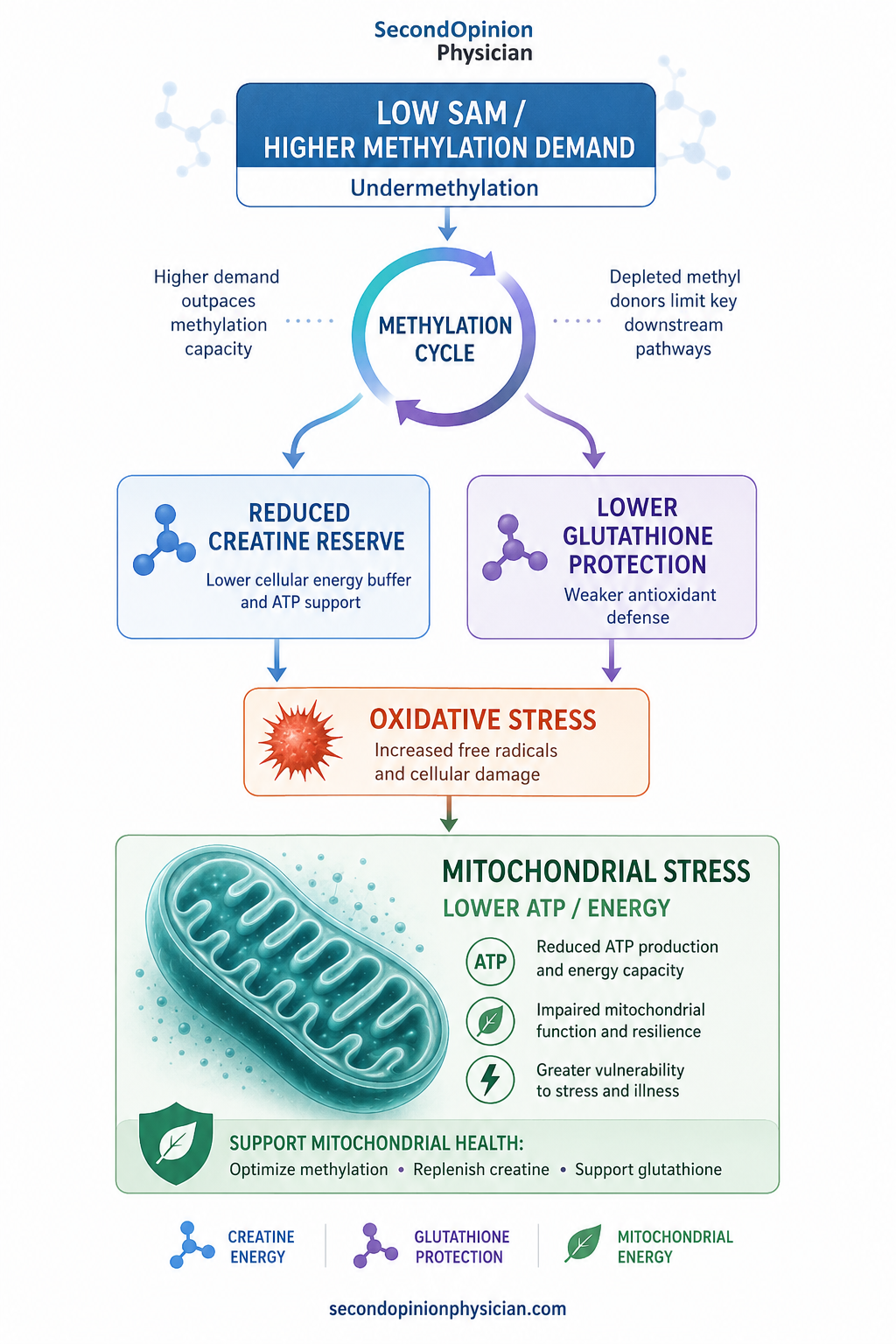
Mitochondrial dysfunction and undermethylation can intersect in autism through several important biochemical pathways. Cellular energy affects SAM production, creatine synthesis consumes methyl groups, oxidative stress increases metabolic demand, and impaired SAH clearance can directly inhibit methylation.
This creates a more useful clinical question than simply asking whether a patient is undermethylated: what may be driving or perpetuating the undermethylation?
In the Five Epigenetic Biotypes model, mitochondrial stress represents one potential driver of impaired methylation. It can also interact with creatine demand, toxic burden, increased methylation demand and impaired SAH clearance.
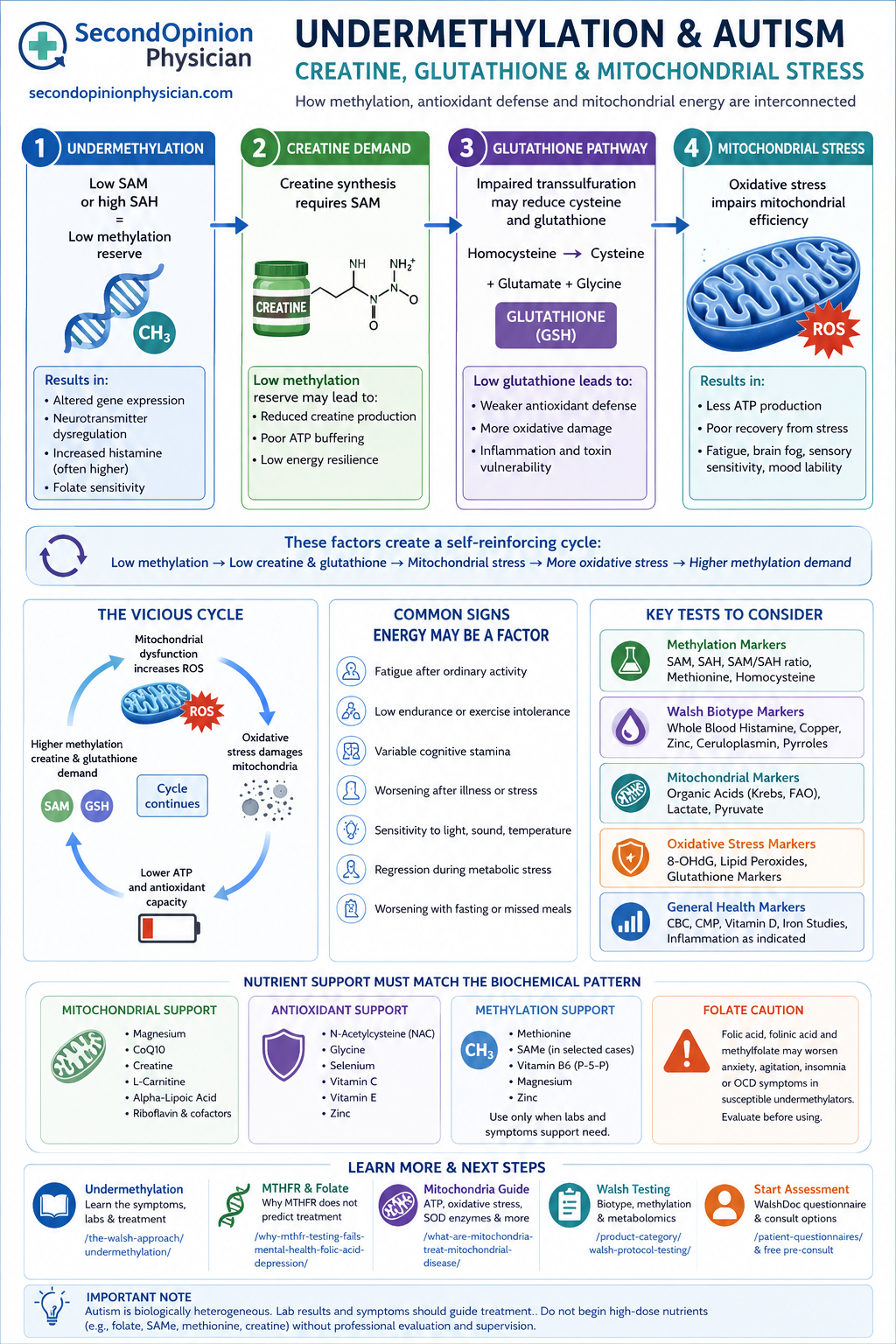
How Can Mitochondrial Dysfunction Affect Methylation?
ATP is required to make SAM
The conversion of methionine to S-adenosylmethionine (SAM) requires ATP. SAM then supplies methyl groups for hundreds of methylation reactions.
This means cellular-energy production and methylation are not separate systems. When mitochondrial energy metabolism is impaired, ATP availability becomes one possible contributor to inadequate SAM production or broader methylation dysfunction.
MITOCHONDRIAL ENERGY PRODUCTION
ATP
METHIONINE → SAM
METHYLATION CAPACITY
This relationship becomes particularly interesting when methionine is adequate but SAM remains unexpectedly low. Rather than automatically assuming that more methyl donors are needed, it may be useful to investigate cellular energy, nutrient cofactors, creatine demand and other metabolic bottlenecks.
Mitochondrial dysfunction should not be assumed from autism or from a methylation abnormality alone. The purpose of this framework is to identify measurable patterns that justify further investigation.
Undermethylation May Have Different Biochemical Drivers
The traditional Walsh Approach identifies undermethylation as an important biochemical phenotype. The next question is why that pattern is present and what may be sustaining it.
The Five Epigenetic Biotypes framework expands that question by looking for recurring metabolic pressures that can influence methylation.
Toxic Burden
Environmental or internally generated metabolic stress may increase oxidative burden, detoxification requirements and cellular demand.
Mitochondrial Stress
Reduced cellular-energy production can affect ATP-dependent metabolism, including the conversion of methionine to SAM.
Creatine Demand
Endogenous creatine synthesis consumes SAM-derived methyl groups while creatine itself supports rapid ATP buffering.
Increased Methylation Demand
Growth, inflammation, repair, stress and other biological processes can increase methyl-group utilization.
Impaired SAH Clearance
Accumulated SAH can inhibit methyltransferase activity even when SAM production is relatively preserved.
Creatine Connects Methylation Demand With Cellular Energy
Creatine occupies a particularly interesting position between methylation and mitochondrial energy.
Creatine Synthesis Uses SAM
The body's own synthesis of creatine requires a SAM-dependent methylation reaction. Endogenous creatine production therefore represents a significant physiological use of methyl groups.
Creatine Helps Regenerate ATP
Creatine and phosphocreatine provide a rapidly available energy-buffering system that helps regenerate ATP during periods of increased physical or cognitive demand.
SAM
CREATINE SYNTHESIS
CREATINE + PHOSPHOCREATINE
RAPID ATP BUFFERING
This creates a two-sided relationship. Creatine synthesis can increase methylation demand, while creatine availability helps support cellular energy buffering.
Elevated SAH Is a Different Problem From Low SAM
Methylation dysfunction should not automatically be interpreted as a shortage of methyl donors.
After SAM donates its methyl group, it becomes S-adenosylhomocysteine (SAH). SAH is a potent inhibitor of methyltransferase reactions.
Reduced Methyl-Donor Capacity
Low SAM may reflect inadequate substrate, impaired ATP-dependent SAM production, increased utilization or another metabolic limitation.
Methylation Inhibition
Elevated SAH can inhibit methyltransferase reactions even when SAM is not markedly low. The problem is therefore inhibition rather than simply inadequate methyl-donor supply.
SAM
SAH
HOMOCYSTEINE + ADENOSINE
DOWNSTREAM CLEARANCE
The SAH hydrolase reaction is reversible. Effective movement away from SAH depends in part on downstream handling of homocysteine and adenosine.
For this reason, elevated SAH with relatively normal homocysteine can raise a different clinical question: is adenosine clearance contributing to the bottleneck?
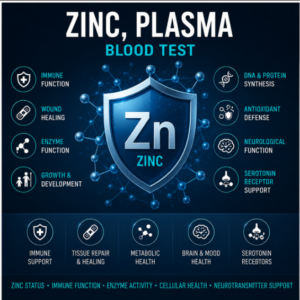
Zinc status may also become relevant because zinc-dependent metabolism participates in downstream adenosine handling. This provides another connection among mineral balance, methylation efficiency and metabolic function.
Why the SAM:SAH ratio matters
SAM indicates methyl-donor availability, while SAH reflects inhibitory pressure on methylation. Looking at both can provide more information than either marker alone.
Oxidative Stress Creates Another Link Between Methylation and Mitochondria
Glutathione is synthesized from glutamate, cysteine and glycine. It is not produced directly by methylation, but the pathways intersect through homocysteine and transsulfuration.
METHIONINE → SAM → SAH
HOMOCYSTEINE
TRANSSULFURATION
CYSTEINE → GLUTATHIONE
During increased oxidative stress, antioxidant requirements can rise. If glutathione production and other antioxidant systems cannot keep pace, mitochondrial membranes, proteins and DNA may become more vulnerable to oxidative injury.
A self-reinforcing cycle can develop
Mitochondrial stress → increased oxidative burden → mitochondrial damage → less efficient energy production → greater metabolic and antioxidant demand.
This helps explain why oxidative stress, toxic burden, inflammation, methylation and mitochondrial function should not always be viewed as independent problems.
When Should Cellular Energy Be Investigated?
Autism is biologically heterogeneous. Mitochondrial dysfunction is not present in every autistic patient, and symptoms alone cannot establish a mitochondrial disorder.
Certain patterns, however, may justify closer evaluation of cellular-energy metabolism.
Physical Energy & Recovery
- Marked fatigue after ordinary activity
- Exercise intolerance
- Reduced endurance
- Muscle fatigue or weakness
- Delayed recovery after exertion
- Prolonged recovery after illness
- Worsening with fasting or missed meals
Cognitive & Metabolic Stress
- Variable cognitive stamina
- Brain fog or reduced function during fatigue
- Reduced ability to sustain attention
- Sensory worsening during illness or stress
- Temperature intolerance
- Loss of function during metabolic stress
These findings are nonspecific. Their value is in identifying situations in which objective metabolic or mitochondrial testing may be reasonable.
MTHFR Does Not Tell Us Why a Patient Is Undermethylated
MTHFR variants can influence folate metabolism, but genotype alone does not directly measure SAM, SAH, mitochondrial function or current methylation capacity.
Likewise, folate therapy addresses a different biochemical question. Folinic acid, methylfolate and other forms of folate may be appropriate for selected patients, including some patients with impaired cerebral folate transport, but that does not establish whether the patient is undermethylated.
In autism, folate receptor antibody status, Walsh biochemistry, methylation findings, mitochondrial/metabolic findings and previous clinical response may need to be considered together rather than assuming that an MTHFR result determines treatment.
Testing Methylation and Mitochondrial Function in Autism
The objective is not to order every possible metabolic test. Testing should help distinguish traditional Walsh biotypes, low methyl-donor capacity, methylation inhibition, mitochondrial stress, oxidative burden and other potentially correctable contributors.
| Area | Useful Markers | What They May Clarify |
|---|---|---|
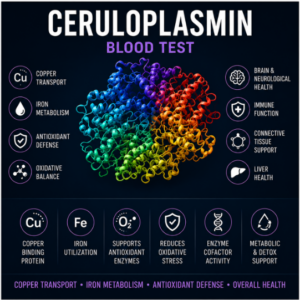
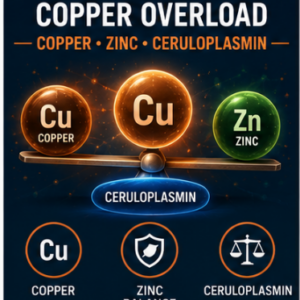
| Walsh Biochemistry | Whole-blood histamine, copper, zinc, ceruloplasmin and urinary pyrroles when indicated | Undermethylation, overmethylation, copper overload, pyroluria and overlapping biochemical patterns |
| Direct Methylation | SAM, SAH, SAM:SAH ratio, methionine, homocysteine and related methylation metabolites | Low methyl-donor capacity, elevated SAH, methylation inhibition and possible pathway bottlenecks |
| Core Cellular Energy | Lactate/pyruvate, CK and free + total carnitine | Oxidative metabolism, muscle involvement and carnitine availability |
| Deeper Mitochondrial Evaluation | Acylcarnitines, GDF-15 and additional testing when clinically indicated | Fatty-acid oxidation and evidence supporting deeper investigation of mitochondrial dysfunction |
| Oxidative Stress | Oxidative-damage and antioxidant-related markers when appropriate | Oxidative burden, antioxidant demand and possible mitochondrial stress |
| Broader Metabolic Context | Organic acids, CBC, CMP, iron, vitamin D, glucose, thyroid, inflammatory markers and nutritional testing as appropriate | Nutrient, metabolic, inflammatory, liver, kidney, gut and other contributors |
A Practical Mitochondrial Testing Sequence
When history and symptoms suggest mitochondrial involvement, a focused sequence can be more useful than beginning with a large collection of unrelated tests.
Start With Core Markers
Lactate/pyruvate, CK and free/total carnitine can provide an initial look at cellular-energy metabolism when clinically appropriate.
Investigate Persistent Abnormalities
Acylcarnitines, GDF-15 and other testing may be considered when symptoms, history or initial results justify deeper evaluation.
Broaden the Metabolic Picture
Organic acids and broader nutritional/metabolic testing may identify Krebs-cycle, nutrient, oxidative, gut or toxic contributors.
Testing should lead somewhere
A useful test identifies an abnormality that changes clinical thinking, guides treatment or provides a meaningful baseline for follow-up. The objective is not simply to apply a general “mitochondrial dysfunction” label to nonspecific symptoms.
Treatment Depends on the Biochemical Bottleneck
The connection among mitochondria, SAM, SAH, creatine and glutathione does not mean that every patient requires the same mitochondrial or methylation supplements.
Support Cellular Energy
Address identified nutrient deficiencies, carnitine abnormalities, creatine/ATP buffering, metabolic health or other barriers to energy production.
Reduce Oxidative Pressure
Address antioxidant reserve, glutathione substrates, inflammation, toxic burden and other identified sources of excessive oxidative demand.
Correct the Actual Methylation Pattern
Distinguish low SAM from elevated SAH and consider homocysteine, adenosine clearance, nutrient status and the broader Walsh biochemical pattern.
The principle: identify → correct → reassess
Correcting an identifiable driver can be more useful than simply adding another methylation or mitochondrial supplement.
Test → Treat → Retest
When an objective abnormality influences treatment, repeating that marker can help determine whether the suspected pathway actually changed.
Test
Identify the Walsh biotype, methylation pattern and the most plausible epigenetic or mitochondrial drivers.
Treat
Address the dominant measurable bottleneck rather than treating every possible pathway simultaneously.
Retest
Repeat meaningful abnormal markers and compare biochemical change with symptoms, development, function and treatment response.
The same principle can apply to SAM/SAH, homocysteine, copper/zinc balance, carnitine and other objective abnormalities that have directly influenced treatment.
How the Epigenetic and Mitochondrial Pieces Fit Together
AUTISM + INDIVIDUAL BIOCHEMISTRY
IDENTIFY WALSH BIOTYPE + METHYLATION PATTERN
ASK WHY UNDERMETHYLATION IS OCCURRING
MITOCHONDRIAL STRESS • CREATINE DEMAND • TOXIC BURDEN • METHYLATION DEMAND • IMPAIRED SAH CLEARANCE
TARGETED TESTING
TREAT → RETEST → REASSESS
This framework does not reduce autism to mitochondrial dysfunction or undermethylation. It provides a way to investigate biochemical patterns that may be measurable and potentially modifiable in the individual patient.
Related Autism, Methylation & Mitochondrial Resources
Undermethylation & Autism
Learn how whole-blood histamine, SAM, SAH and mitochondrial function can help characterize undermethylation in autism.
Undermethylation & AutismFive Epigenetic Biotypes
Explore the five metabolic patterns that may help explain why undermethylation develops or persists.
Five Epigenetic BiotypesMitochondrial Dysfunction
Review mitochondrial symptoms, cellular energy, testing, nutrients and treatment strategies.
Mitochondrial Dysfunction GuideCreatine & Methylation
Learn why endogenous creatine synthesis represents an important physiological use of methyl groups.
Creatine & MethylationMTHFR & Folate
Learn why genotype alone does not determine current methylation status or individual folate response.
MTHFR & FolateFolate Receptor Antibodies
Explore FRAT testing when impaired transport of folate into the brain is a separate clinical consideration.
FRAT TestingScreen the Biotype—Then Test the Pathways That Matter
Autism symptoms alone cannot determine methylation status, mitochondrial function or the dominant epigenetic driver. The first goal is to identify the biochemical pattern and then select testing that answers the next clinical question.
When undermethylation appears important, the Biotype + Undermethylation Assessment can evaluate the traditional Walsh patterns while also screening for features associated with mitochondrial stress, creatine demand, toxic burden, increased methylation demand and impaired clearance.
Educational information only. Autism and significant metabolic or mitochondrial disorders require individualized clinical evaluation.
Mitochondrial Dysfunction, Autism & Undermethylation FAQs
Can mitochondrial dysfunction contribute to undermethylation?
Potentially. The conversion of methionine to SAM requires ATP, so impaired cellular-energy metabolism represents one possible contributor to inadequate SAM production. Other methylation bottlenecks may occur independently or simultaneously.
Does mitochondrial dysfunction cause autism?
Autism is heterogeneous and cannot be explained by one metabolic abnormality. Mitochondrial dysfunction or altered cellular-energy metabolism may be relevant in a subgroup of patients and should be evaluated individually.
How does creatine connect mitochondria and methylation?
Endogenous creatine synthesis consumes SAM-derived methyl groups. Creatine and phosphocreatine also help regenerate ATP rapidly, linking methylation demand with cellular-energy buffering.
Why is elevated SAH important?
SAH inhibits methyltransferase reactions. Elevated SAH can therefore impair methylation even when SAM is relatively adequate, making methylation inhibition different from simply having insufficient methyl-donor supply.
How are SAH and adenosine connected?
SAH hydrolase connects SAH with homocysteine and adenosine in a reversible reaction. Efficient downstream removal of these products helps favor movement away from SAH. This makes homocysteine and adenosine metabolism relevant when evaluating elevated SAH.
How are glutathione and methylation connected?
Homocysteine can enter the transsulfuration pathway and ultimately contribute cysteine for glutathione synthesis. This creates an important connection among methylation, sulfur metabolism, antioxidant protection and oxidative stress.
Does MTHFR determine whether an autistic child is undermethylated?
No. MTHFR variants may influence folate metabolism but do not directly measure SAM, SAH or current functional methylation status.
What mitochondrial tests may be considered in autism?
Depending on the clinical picture, an initial evaluation may include lactate/pyruvate, CK and free/total carnitine. Acylcarnitines, GDF-15, organic acids or more specialized evaluation may be considered when deeper investigation is warranted.
Why combine Walsh testing with direct methylation testing?
Walsh markers can help identify biochemical phenotypes such as undermethylation, copper overload and pyroluria, while SAM, SAH, methionine and homocysteine provide a more direct view of the methionine/methylation cycle. The information is complementary.
Methylation and Mitochondrial Dysfunction in Autism
Autism is often discussed in terms of behavior or learning, but behind those challenges lies a hidden biological story—how the body produces and manages energy. Research on mitochondria in autism and methylation has revealed that many individuals on the spectrum share a pattern of low cellular energy, high oxidative stress, and difficulty maintaining biochemical balance.
Mitochondria are the body’s power plants, generating the energy (ATP) that keeps every organ, especially the brain, functioning. Methylation, meanwhile, controls how efficiently that energy is produced and protected. When methylation slows, the body struggles to make key molecules such as glutathione and creatine, which mitochondria depend on to stay healthy. This overlap between mitochondrial weakness and poor methylation explains much of the fatigue, mood instability, and sensory sensitivity often seen in autism.
What Mitochondria Do
Mitochondria are tiny power plants inside nearly every cell. Their main job is to turn nutrients—especially fats, glucose, and amino acids—into ATP, the molecule that fuels everything from brain signaling to muscle movement. When mitochondria work well, the body maintains stable energy, clear thinking, and calm mood regulation.
In mitochondrial dysfunction in autism, these energy-producing systems don’t run efficiently. The brain, which demands enormous amounts of ATP, can become energy-deprived. This contributes to symptoms like brain fog, poor focus, low stress tolerance, and fatigue. The same imbalance also affects digestion, immunity, and detoxification—systems that rely heavily on consistent cellular energy.
Mitochondria are also responsible for maintaining redox balance—managing the natural by-products of metabolism known as reactive oxygen species (ROS). When this process falters, oxidative stress rises, damaging enzymes and cell membranes. The body then needs strong antioxidant systems—like glutathione, catalase, and superoxide dismutase—to neutralize these molecules. Without enough methylation support, however, the body struggles to make glutathione, creating a cycle where energy production problems in autism feed oxidative stress, and oxidative stress further weakens mitochondrial function.
How Methylation Keeps Mitochondria Running
Methylation is one of the body’s most important biochemical systems — the process that donates small chemical groups (methyl groups) to regulate DNA, enzymes, and neurotransmitters. This mechanism controls energy production, detoxification, and emotional balance.
According to Dr. William Walsh’s research, up to 90% of individuals with autism are undermethylated. In this state, there is often low SAM (S-adenosylmethionine) and elevated SAH (S-adenosylhomocysteine), reflecting reduced methyl group availability. Because SAM is required for hundreds of methylation reactions, including those that build creatine and glutathione, low levels of SAM can ripple across nearly every body system.
- Creatine is vital for mitochondrial energy buffering — it stores and transfers phosphate groups that recycle ATP, the cell’s main energy currency. Without adequate SAM, creatine synthesis slows, leaving brain and muscle cells more vulnerable to fatigue and poor resilience under stress.
- Similarly, glutathione, the body’s master antioxidant, depends on both methylation and the transsulfuration pathway that follows it. When methylation falters, homocysteine and SAH accumulate, limiting the production of cysteine and glutathione. The liver and mitochondria then lose their main defense against oxidative damage, allowing inflammation and toxin buildup to worsen.
This is why Walsh’s approach emphasizes balancing methylation—not with folates, which can worsen symptoms in undermethylated individuals—but with nutrients that rebuild the methyl cycle naturally. These include zinc, magnesium, vitamin B6 or P-5-P, methionine, N-acetylcysteine (NAC), and creatine. Together they help restore SAM activity, improve detoxification, and strengthen mitochondrial function.
When methylation and energy metabolism are aligned, ATP production stabilizes, oxidative stress declines, and cognitive and behavioral symptoms often improve. In this way, methylation is not just a mood pathway—it’s the biochemical bridge between detoxification, energy, and the neurological balance seen in healthy brain function.
Oxidative Stress and Autism– The Missing Link
Every time mitochondria make ATP, they generate small amounts of reactive oxygen species (ROS)—tiny but reactive molecules that act like sparks from an engine.
Normally, antioxidants such as glutathione, catalase, and superoxide dismutase extinguish these sparks before they cause harm. But when mitochondria are already strained or methylation is impaired, the body’s antioxidant defenses falter. ROS accumulate, damaging membranes, enzymes, and DNA.
This oxidative stress in autism is widely observed and helps explain why many individuals experience rapid fatigue, sensitivity to light or sound, and difficulty handling infections or toxins.
How to Support Energy and Reduce Oxidative Stress
Restoring mitochondrial and methylation balance requires giving both systems the nutrients and environment they need to cooperate again.
1. Support mitochondrial energy production
-
Magnesium, CoQ10, L-carnitine, and alpha-lipoic acid (ALA) strengthen mitochondrial enzymes and improve ATP synthesis.
-
Adequate protein and healthy fats supply clean fuel for the energy cycle.
2. Restore methylation flow
-
SAMe, methionine, zinc, vitamin B6, and creatine provide the raw materials and cofactors for methylation.
-
Correcting these imbalances raises glutathione and helps mitochondria produce energy more cleanly.
3. Reduce oxidative and inflammatory load
-
A low-glycemic Mediterranean-style diet rich in vegetables, olive oil, eggs, garlic, and cruciferous plants provides antioxidants, sulfur, and minerals that feed detox pathways.
-
Avoiding processed foods and artificial additives lowers the burden on mitochondria and the liver.
Together, these steps create the conditions for better focus, calmer mood, and improved recovery from daily stressors.
Why Energy Equals Function
When methylation and mitochondria are synchronized, cells create energy efficiently and neutralize toxins before they cause harm.
This steady energy translates into better brain signaling, emotional resilience, and developmental progress. It’s not just a biochemical correction—it’s restoring the body’s ability to run its own repair systems.
The Takeaway
Mitochondrial dysfunction and undermethylation are two sides of the same coin. Weak methylation limits the antioxidants mitochondria need; struggling mitochondria increase oxidative stress that further slows methylation.
Addressing both is key to improving energy, detox, and behavior in autism. With the right nutritional and biochemical support, many individuals experience clearer thinking, steadier emotions, and a new level of vitality.
Elderly spouse cognition snd gait issues.
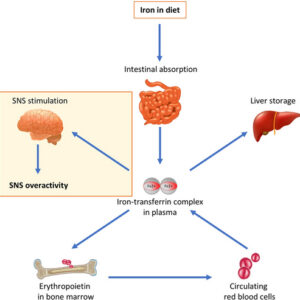
Also high iron sat, low homocysteine, low T3, high SHBG and assume elevated histamine
He has snps for HNMT, DAO enzyme , hepcidin deficiency and I believe one allele for CBS upregulation
He tested high for antibody intro is factor.
I tried low dose methylB12 very bad reaction.
Gets dehydrated so easily because of severe constpation needing laxative help
He reacts horribly to everything
I believe he is under methylated due to his characteristics
He has fast MAO and intermediate COMT
He reacts poorly to just about everything we try
He is down to 5’4 and 120 weight
He was a athlete professional cyclist
He always ate very healthy, exercised and never drank nor smoked anything
He was hit by car 4 years ago on bike so everything has intensified.
Prior to that cognition issues and high iron sat and ferritin
He donated blood but reacted poorly after besides decreasing his total iron intake
After listening to Levy probably not as good as we should have
So I just started giving creatine very low dose 500mg.
Thought about trying lactoferrin low dose also
Maybe doing the methylation panel ?
I’ve done so many lab studies trying to get answers and many different doctors and continue to spin my wheels trying to help this man.
Any suggestions?
He may react poorly to therapies because his methylation capacity is low. Methylation is necessary to metabolize compounds so they can be removed from the body. B12 is not a measure of need, though a methylation pathway panel can tell if he has low methylation from low methionine and low SAM or if he has high SAH, an “anti-methylator.” My suspicion is that he has high SAH. This compound is used to produce homocysteine, so if homocysteine is low, that gives a clue that either SAH is high, and not converting to homocysteine, or that the entire methylation pathway is subpar. That is also possible, since his weight is low, he has key genetic SNPS, and his muscles are trained for high creatine demand, which requires rigorous methylation and he probably does not eat much meat or methionine containing proteins. Constipation is another indicator that SAH is elevated. Creatine is a good start but that dose is insufficient. Otherwise, while the iron information is not clear, oxidative stress from iron and copper are a big cause of cognitive decline. With elevated SHBG and low T3 he would probably benefit from bioidentical hormone therapy – which can restore vitality. He needs a good workup.