
Long COVID & Post-Vaccine Syndrome: Causes, Testing & Treatment Options
Long COVID and persistent post-COVID vaccine symptoms can produce remarkably similar patterns of fatigue, brain fog, post-exertional worsening, dysautonomia, neurologic symptoms, inflammation and reduced exercise tolerance. Although the initiating event differs, both conditions may involve overlapping mechanisms including persistent viral or spike-related immune signaling, endothelial dysfunction, abnormal fibrin or microclot formation, mitochondrial stress, autonomic dysfunction and loss of nutritional or metabolic reserve.
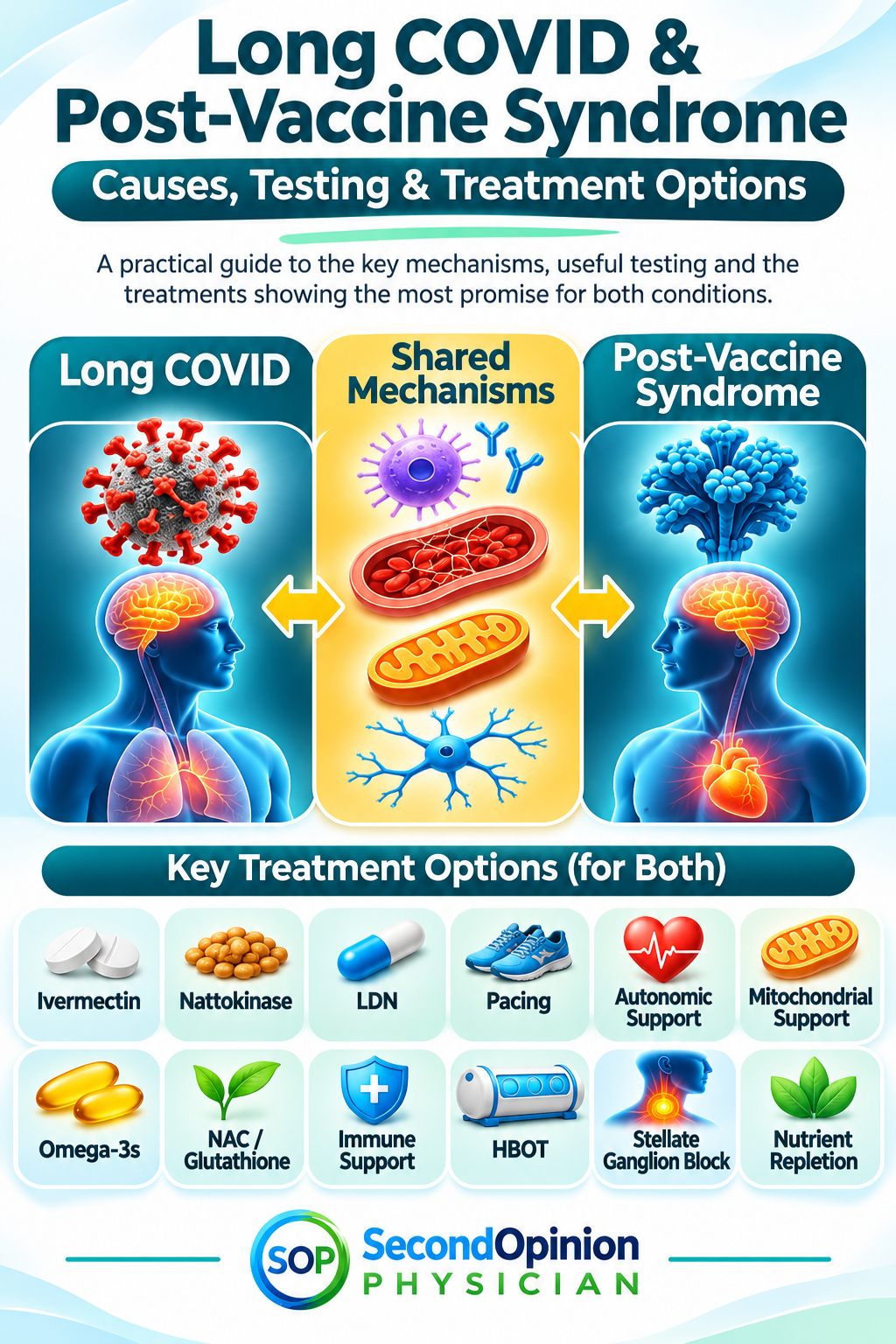
This article reviews the most important mechanisms, useful laboratory and physiologic testing, and treatment approaches showing the greatest clinical promise.
Persistent symptoms after COVID can arise from several overlapping problems: viral or viral-antigen persistence, immune dysregulation, endothelial and coagulation abnormalities, dysautonomia, mitochondrial stress, gut disruption, nutritional depletion and loss of physiologic reserve.
Post-COVID vaccine syndrome can produce a surprisingly similar symptom pattern, although the initiating event is different. The practical goal in either condition is to identify which mechanisms appear most important in the individual patient and then target those mechanisms rather than treating every patient identically.
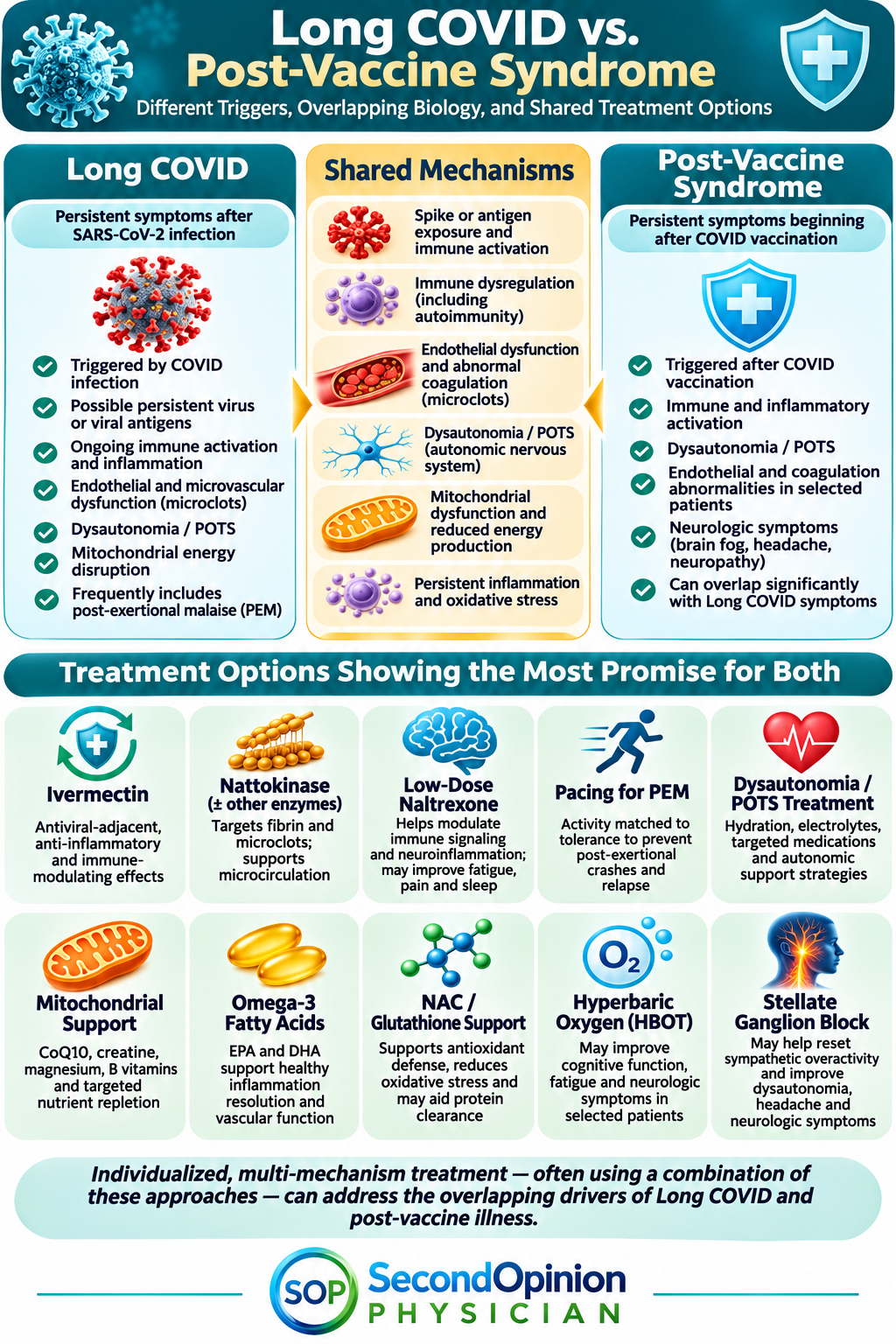
What Does Long COVID Look Like?
Long COVID can involve multiple organ systems and can fluctuate over time. Symptoms may improve, relapse or worsen following relatively minor physical or mental exertion.
Energy & Exercise
Persistent fatigue, reduced stamina, post-exertional malaise, weakness, exercise intolerance, delayed recovery and unrefreshing sleep.
Brain & Autonomic
Brain fog, memory problems, headaches, dizziness, altered smell or taste, neuropathic symptoms, palpitations, orthostatic intolerance and POTS-like symptoms.
Immune & Systemic
Muscle or joint pain, rashes, GI symptoms, histamine-type reactions, temperature dysregulation, inflammatory symptoms and recurrence of previously controlled conditions.
When relatively minor physical or mental activity causes a delayed worsening lasting a day or longer, repeatedly pushing through symptoms can perpetuate the cycle. Activity should be matched to tolerance, with pacing and progressive recovery rather than automatic use of conventional graded exercise.
What May Be Causing Long COVID?
Several mechanisms appear capable of producing persistent symptoms. More than one may be operating simultaneously.
Persistent Virus or Viral Antigens
SARS-CoV-2 RNA, proteins and other viral material have been identified in tissues after the initial infection. In some patients, persistent viral or viral-antigen reservoirs may continue stimulating the immune system long after the acute respiratory illness has resolved.
This provides one rationale for evaluating antiviral and antiviral-adjacent strategies in selected Long COVID patients.
Immune Dysregulation & Autoimmunity
Persistent inflammatory signaling, altered immune-cell function and autoantibodies have all been described after SARS-CoV-2 infection. Neurologic, autonomic and vascular symptoms may therefore continue even when acute infection is no longer clinically apparent.
Endothelial Dysfunction, Fibrin & Microclots
COVID can alter endothelial function, platelet activation and coagulation. Researchers have also identified abnormal fibrin-rich and amyloid-like microclot material in some patients with Long COVID.
This model has led to growing clinical interest in fibrinolytic approaches such as nattokinase and serrapeptase as well as broader strategies directed at endothelial health.
Mitochondrial & Cellular Energy Dysfunction
Long COVID frequently produces symptoms that look metabolic: reduced exercise tolerance, muscle fatigue, poor recovery, cognitive exhaustion and post-exertional worsening.
Inflammation, oxidative stress, nutrient depletion, hypoxia, inactivity and abnormal cellular signaling can all interfere with mitochondrial energy production and recovery.
Dysautonomia & POTS
Dizziness, rapid heart rate after standing, temperature intolerance, exercise intolerance, tremulousness, gastrointestinal slowing and abnormal sweating may reflect autonomic dysfunction.
POTS and other forms of dysautonomia have become major recognized clinical phenotypes within Long COVID.
Gut, Histamine & Mast-Cell Signaling
The intestinal microbiome, gut barrier and immune system interact closely. Infection can alter digestion, bowel patterns, food tolerance and microbial ecology.
Some patients also develop flushing, itching, food-triggered symptoms, tachycardia, congestion and other findings consistent with increased histamine or mast-cell activity.
Nutrient Depletion & Loss of Physiologic Reserve
A major infection can expose metabolic weaknesses that were previously compensated: iron deficiency, B12 deficiency, low vitamin D, inadequate magnesium or zinc, poor protein intake, abnormal fatty-acid balance, insulin resistance, sleep apnea, thyroid disease, impaired methylation or inadequate glutathione production.
Long COVID Testing: Find What Can Be Corrected
There is no single laboratory marker that describes every case of Long COVID. Testing becomes useful when it identifies treatable contributors or helps define the dominant physiologic pattern.
CBC, Iron & Ferritin
Identifies anemia, iron depletion and hematologic contributors to fatigue, weakness, restless legs, tachycardia or shortness of breath.
CMP & Electrolytes
Reviews kidney and liver function, glucose, protein status and major electrolyte abnormalities.
Inflammation
hs-CRP, ESR and selected inflammatory markers can help identify ongoing inflammatory activity and provide a baseline for treatment.
Thyroid & Glucose
TSH, thyroid hormones when indicated, glucose, HbA1c and fasting insulin can identify metabolic contributors that commonly overlap fatigue syndromes.
B12, Folate & MMA
Important when brain fog, neuropathy, cognitive symptoms, anemia, gastrointestinal disease or impaired absorption is present.
Vitamin D, Magnesium, Zinc & Copper
Useful when nutritional depletion, poor intake, immune dysfunction or prolonged recovery is suspected.
Methylation & Glutathione
SAM, SAH, methionine, homocysteine, transsulfuration and glutathione can identify bottlenecks in methylation and antioxidant reserve.
Fatty Acids
EPA, DHA, omega-6 fats and essential-fatty-acid markers can reveal abnormalities invisible on a conventional cholesterol panel.
Cardiac & Autonomic Testing
ECG, ambulatory monitoring, echocardiography, orthostatic vitals or tilt-table testing may be useful when palpitations, tachycardia, syncope or POTS-type symptoms dominate.
Long COVID Treatment: A Practical Hierarchy
Because Long COVID involves overlapping mechanisms, treatment often works best in layers. Some therapies address broad post-viral mechanisms, while others target a specific phenotype such as dysautonomia, histamine activation, mitochondrial dysfunction or nutrient depletion.
Restore Basic Physiologic Reserve
Correct dehydration, electrolyte imbalance, anemia, iron deficiency, B12 deficiency, vitamin D deficiency, inadequate protein intake, sleep disruption, glucose instability and other identifiable abnormalities.
Adequate protein, essential fatty acids, minerals and total caloric intake become especially important in patients who have lost substantial weight or appetite during prolonged illness.
Ivermectin as an Early Treatment Trial
Ivermectin remains one of the principal medications used in several physician-developed Long COVID and post-vaccine protocols. Proposed mechanisms include anti-inflammatory and immunomodulatory effects as well as effects involving viral proteins and host-cell signaling.
Clinical protocols generally use ivermectin for a longer duration in Long COVID or post-vaccine illness than was used in most acute-COVID trials.
Earlier Long COVID protocols have used approximately 0.2–0.3 mg/kg daily for 2–3 weeks. Post-vaccine protocols have used approximately 0.2–0.3 mg/kg daily for as long as 4–6 weeks.
By comparison, acute-COVID trials have studied shorter regimens ranging from approximately 0.3–0.4 mg/kg/day for 3 days to approximately 0.4–0.6 mg/kg/day for 6 days. Those studies addressed acute infection rather than treatment of established Long COVID.
Response to an empirical course can be followed through changes in fatigue, brain fog, inflammatory symptoms, post-exertional recovery, autonomic complaints and overall function.
Respect Post-Exertional Malaise
When exertion causes a delayed crash, pacing becomes treatment. The objective is to remain within the patient's current energy envelope while mitochondrial function, autonomic stability and overall physiologic reserve improve.
Exercise can then be expanded according to recovery rather than simply prescribed according to a fixed schedule.
Treat the Dominant Clinical Phenotype
Dysautonomia, POTS, migraine, insomnia, histamine symptoms, neuropathic pain, asthma, reflux, thyroid abnormalities, iron deficiency and other identifiable problems should be treated directly.
This frequently produces more benefit than treating “Long COVID” as though it were one undifferentiated condition.
Support Mitochondrial Function & Oxidative Balance
Depending on laboratory findings and clinical presentation, treatment may include magnesium, zinc, vitamin D, B vitamins, omega-3 fatty acids, protein or amino-acid support and glutathione support such as NAC or other precursors.
Creatine, CoQ10 and other mitochondrial supports may also be appropriate when reduced muscle function, exercise intolerance or impaired cellular energy production appears prominent.
Low-Dose Naltrexone
Low-dose naltrexone has become a common component of Long COVID treatment for patients with fatigue, pain, sleep disturbance, neuroinflammatory symptoms and related chronic inflammatory syndromes.
Protocols commonly begin around 0.5–1 mg daily and gradually increase toward approximately 4.5 mg daily according to response.
Nattokinase & Fibrinolytic Support
The endothelial and microclot model has generated substantial interest in nattokinase, serrapeptase and related fibrinolytic enzymes.
Nattokinase is often used in protocols targeting persistent fibrin, microvascular dysfunction and spike-associated endothelial injury. Some protocols combine it with bromelain, NAC or other agents aimed at inflammation, oxidative stress and protein clearance.
This approach becomes particularly relevant in patients whose illness includes exercise intolerance, chest symptoms, vascular complaints, persistent inflammation or other features suggestive of impaired microcirculation.
What Does “Spike Protein Detox” Mean?
The term spike protein detox is commonly used to describe strategies intended to reduce persistent spike or viral-antigen exposure, promote breakdown and clearance of abnormal proteins, reduce downstream inflammation and improve endothelial and immune function.
Targets Commonly Addressed
- Persistent viral or spike antigen
- Abnormal inflammatory signaling
- Endothelial dysfunction
- Fibrin and microclot formation
- Oxidative stress
- Impaired autophagy
- Gut and immune dysfunction
- Reduced glutathione reserve
Rather than focusing only on the presence of one protein, treatment can support the body's normal mechanisms for protein turnover, autophagy, antioxidant defense, endothelial repair, mitochondrial recovery and immune regulation.
Intermittent fasting, when appropriate, has also been incorporated into several protocols because fasting activates autophagy and mitophagy.
McCullough-Style Spike & Fibrin Protocols
Protocols associated with Peter McCullough and other physicians treating post-COVID and post-vaccine syndromes emphasize the interaction between persistent spike protein, endothelial injury, inflammation and abnormal fibrin formation.
A commonly discussed combination includes:
- Nattokinase for fibrinolytic activity
- Bromelain for proteolytic and anti-inflammatory activity
- N-acetylcysteine for glutathione support, antioxidant activity and effects on disulfide bonds and protein structure
This approach is particularly relevant to the hypothesis that persistent spike-related signaling and abnormal fibrin structure contribute to microvascular dysfunction.
Long COVID & Post-Vaccine Treatments Showing the Most Promise
Ivermectin
Used early in several Long COVID and post-vaccine protocols for its proposed antiviral-adjacent, anti-inflammatory and immunomodulatory effects.
Nattokinase
Targets fibrin and is incorporated into protocols addressing microclots, endothelial dysfunction and persistent spike-associated vascular injury.
Low-Dose Naltrexone
Used for chronic inflammatory signaling, pain, fatigue, neuroinflammatory symptoms and sleep disturbance.
Hyperbaric Oxygen
HBOT has shown encouraging effects in selected patients with cognitive impairment, fatigue, neurologic symptoms and impaired exercise tolerance.
Stellate Ganglion Block
May help selected patients with dysautonomia, abnormal sympathetic activation, headaches, altered smell or taste and neurologic symptoms.
Mast-Cell / Histamine Treatment
H1 and H2 antihistamines, mast-cell stabilization and dietary changes can be useful when flushing, itching, food reactions, tachycardia or histamine symptoms are prominent.
Mitochondrial Support
Magnesium, CoQ10, creatine, appropriate B vitamins and correction of nutrient deficiencies may help restore cellular energy production and physical reserve.
Omega-3 Fatty Acids
EPA and DHA support cell membranes, vascular function and production of inflammation-resolving lipid mediators.
Ozone Therapy
Medical ozone is used by some integrative physicians to influence redox signaling, oxygen metabolism, mitochondrial function and inflammatory pathways.
Long COVID and Post-Vaccine Syndrome: Similar but Not Identical
| Feature | Long COVID | Post-COVID Vaccine Syndrome |
|---|---|---|
| Initiating event | SARS-CoV-2 infection. | Symptoms beginning after COVID vaccination. |
| Persistent viral reservoir | A plausible and increasingly investigated mechanism because infection can leave viral RNA, proteins or antigens in tissues. | Persistent replicating SARS-CoV-2 infection is not required to explain symptoms. |
| Spike-related immune signaling | May originate from persistent viral or antigen reservoirs after infection. | Proposed as one possible contributor to persistent inflammatory symptoms following vaccination. |
| Immune dysregulation | Commonly investigated. | May also occur and can produce substantial symptom overlap. |
| Dysautonomia / POTS | Common Long COVID phenotype. | Also reported in persistent post-vaccine illness. |
| Neurologic symptoms | Brain fog, headache, neuropathy, smell/taste disturbance and cognitive dysfunction are common. | Neurologic and autonomic complaints can be particularly prominent in some post-vaccine patients. |
| Endothelial / coagulation dysfunction | Supported by a growing body of vascular and coagulation research. | Also considered in patients with compatible vascular or inflammatory symptoms. |
| Treatment overlap | Ivermectin, fibrinolytic strategies, LDN, mitochondrial and nutrient support, mast-cell treatment, autonomic therapy, HBOT and stellate ganglion block are among the approaches used or being investigated across these overlapping syndromes. | |
Post-Vaccine Symptoms
Some patients describe persistent fatigue, neurologic symptoms, dysautonomia, chest symptoms, inflammatory symptoms, exercise intolerance, headaches, neuropathy, cognitive impairment or other new problems beginning after COVID vaccination.
The symptom overlap with Long COVID can be substantial. For this reason, many of the same physiologic pathways are evaluated: autonomic regulation, inflammation, endothelial function, coagulation, mitochondrial energy production, nutritional status, mast-cell activity and immune signaling.
When More Urgent Evaluation Is Needed
| Symptom or Finding | Why It Deserves Prompt Evaluation |
|---|---|
| New chest pain, severe shortness of breath or fainting | Cardiac, pulmonary or vascular causes need to be evaluated rather than automatically attributed to a post-viral syndrome. |
| New focal weakness, speech difficulty or major neurologic change | Requires evaluation for stroke or another acute neurologic process. |
| Persistent resting tachycardia or major rhythm change | May reflect dysautonomia, arrhythmia, anemia, thyroid dysfunction or cardiac disease. |
| Progressive weight loss or inability to eat adequately | Can cause protein, electrolyte, vitamin and mineral depletion that compounds the original illness. |
| Marked anemia, low ferritin or B12 deficiency | These abnormalities can independently produce severe fatigue, dyspnea, cognitive dysfunction, neuropathy and exercise intolerance. |
What Does a Successful Long COVID Plan Look Like?
Success does not require proving one grand theory. It means identifying the parts of the illness that can be acted upon and progressively restoring physiologic reserve.
- Fewer post-exertional crashes
- Longer periods of physical and mental activity without relapse
- Improved sleep and daytime energy
- Improved orthostatic tolerance
- Reduced tachycardia and palpitations
- Improved cognitive function and reduced brain fog
- Correction of iron, B12, vitamin D, zinc, magnesium or essential-fat deficiencies
- Improved gastrointestinal tolerance and nutritional intake
- Reduction in inflammatory or metabolic abnormalities
- Gradual restoration of strength and exercise capacity
Frequently Asked Questions About Long COVID Treatment
Is there one Long COVID treatment protocol that works for everyone?
No. Long COVID appears to include several overlapping phenotypes involving viral or antigen persistence, immune dysregulation, dysautonomia, endothelial dysfunction, abnormal coagulation, post-exertional malaise, mitochondrial stress and nutritional depletion.
Where does ivermectin fit in Long COVID treatment?
Ivermectin is used early in several physician-developed Long COVID protocols. Common protocol ranges include approximately 0.2–0.3 mg/kg daily, with some protocols using 0.3 mg/kg daily initially and increasing to approximately 0.6 mg/kg daily for a shorter higher-dose trial in patients showing partial improvement.
How long is ivermectin used for Long COVID?
Long COVID protocols have used treatment periods ranging from approximately 2–3 weeks to longer individualized courses. Post-vaccine protocols have used approximately 0.2–0.3 mg/kg daily for as long as 4–6 weeks.
Why are ivermectin doses for Long COVID different from acute-COVID trials?
Most acute-COVID trials used shorter courses, generally several days. Long COVID protocols are addressing persistent post-viral symptoms and proposed longer-lasting inflammatory or antigen-related mechanisms, so some clinician-developed protocols use longer treatment periods.
What are microclots?
Researchers studying Long COVID have identified abnormal fibrin-rich and amyloid-like material that may interfere with microvascular circulation. This has led to interest in fibrinolytic strategies such as nattokinase and related enzymes.
What is spike protein detox?
The term generally refers to strategies intended to promote clearance of persistent viral or spike antigens while reducing associated inflammation, oxidative stress, endothelial dysfunction and abnormal fibrin formation.
What is the McCullough spike protocol?
Protocols associated with Peter McCullough have emphasized agents such as nattokinase, bromelain and NAC to address abnormal fibrin, protein breakdown, inflammation and oxidative stress associated with persistent spike-related signaling.
Does low-dose naltrexone help Long COVID?
LDN is widely used in chronic inflammatory and post-viral conditions and is increasingly used for Long COVID fatigue, pain, sleep disturbance and neuroinflammatory symptoms. Typical dosing is gradually titrated from a low starting dose toward approximately 4.5 mg daily.
Can hyperbaric oxygen help Long COVID?
Hyperbaric oxygen has shown encouraging results in selected patients, particularly those with cognitive dysfunction, fatigue and neurologic symptoms.
Can stellate ganglion block help Long COVID?
Stellate ganglion block is being used and studied in patients with dysautonomia, abnormal sympathetic activation, headaches, cognitive symptoms and disturbances of smell or taste.
Are Long COVID and post-vaccine syndrome the same condition?
No. Long COVID follows SARS-CoV-2 infection, while post-vaccine syndrome describes persistent symptoms beginning after vaccination. Their initiating events differ, but their downstream inflammatory, autonomic, endothelial, mitochondrial and neurologic features can overlap considerably.
What laboratory tests are most useful?
Testing is guided by symptoms but commonly includes CBC, CMP, iron and ferritin, thyroid studies, B12 and MMA, vitamin D, inflammatory markers, glucose metabolism and selected nutritional testing. Additional evaluation may include methylation and glutathione markers, fatty acids, zinc and copper, cardiac monitoring or autonomic testing.