What Is Pyroluria? Symptoms, Testing, Zinc, B6 and Oxidative Stress
Pyroluria, also called pyrrole disorder, is a proposed biochemical pattern in which elevated urinary pyrrole compounds, also called kryptopyrroles, are associated with increased need for zinc and vitamin B6. The pattern is most clinically meaningful when symptoms, low zinc, copper imbalance, stress history and a properly collected urine pyrrole test point in the same direction.
Pyroluria is best treated as a pattern requiring confirmation—not as an explanation for every case of anxiety, poor stress tolerance or low mood. Many pyroluria-like symptoms can also occur with copper overload, low zinc, vitamin B6 deficiency, inflammation or oxidative stress.
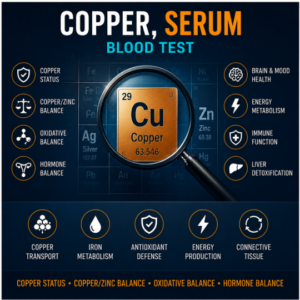
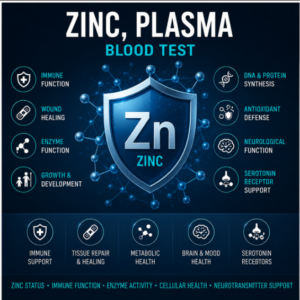
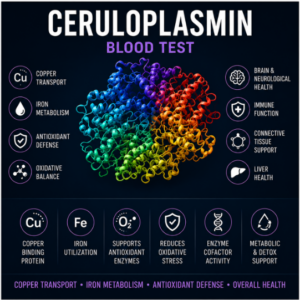
A useful assessment combines the symptom pattern with plasma zinc, serum copper, ceruloplasmin and, when indicated, a properly collected urine pyrrole test with specific gravity. This approach helps distinguish clinically meaningful pyrrole elevation from symptoms primarily driven by copper and zinc imbalance.
What Are Pyrroles and How Are They Formed?
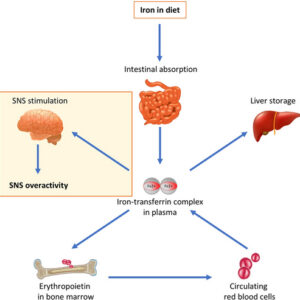
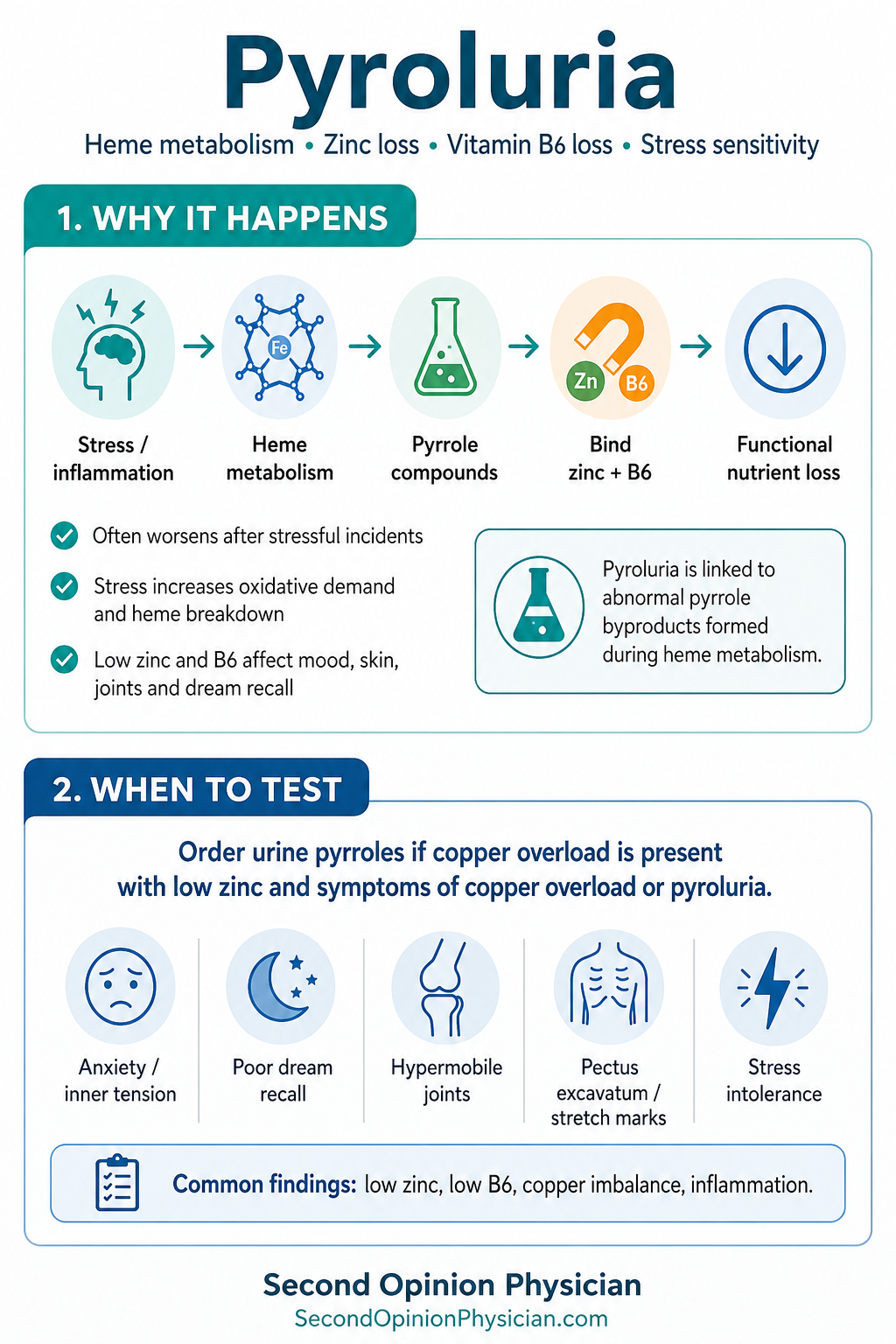
Pyrroles are ring-shaped compounds found within heme, the iron-containing structure used in hemoglobin and many enzymes. The Walsh model associates pyroluria with elevated urinary hydroxyhemopyrrolin-2-one (HPL), historically called kryptopyrrole or the “mauve factor.”
Who Is More Likely to Have a Meaningful Pyrrole Pattern?
Elevated pyrroles are reported more often in people with a family predisposition, severe or prolonged stress, childhood or in-utero trauma, alcohol misuse, infection, inflammatory burden or oxidative stress. These associations do not establish causation, but they help identify patients in whom targeted testing may be more useful.
Childhood or prenatal stress
Long-standing autonomic and oxidative stress may increase nutrient demand and worsen stress sensitivity later in life.
Alcohol-related nutrient loss
Alcohol may increase oxidative stress while worsening zinc, vitamin B6, magnesium and protein status.
Inherited susceptibility
A family pattern of poor stress tolerance, alcoholism, mood instability or pyrrole findings may increase clinical suspicion.
Why Pyroluria Is Not Automatically Included in the Comprehensive Biotype Panel
Pyroluria can be clinically important, but routine urine pyrrole testing is less useful when plasma zinc and copper are both well regulated and the symptom pattern is weak. Many symptoms attributed to pyroluria are also explained by low zinc, vitamin B6 deficiency or copper overload with normal urine pyrroles.
For that reason, the Comprehensive Biotype Panel emphasizes the core markers most broadly useful across Walsh biotypes: copper, ceruloplasmin, plasma zinc, whole-blood histamine, homocysteine, vitamin D, CBC and CMP. Urine pyrroles can then be added when the zinc-copper pattern and questionnaire make the result more likely to change treatment.
Why Copper Overload Can Look Like Pyroluria
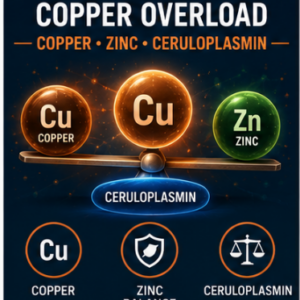
Much of the overlap occurs because zinc normally helps regulate copper. When zinc is low, free-copper activity may rise even if urine pyrroles are normal. Anxiety, panic, irritability, insomnia, sensory sensitivity and poor stress tolerance may therefore be driven primarily by copper-zinc imbalance.
Low zinc
Weakens copper regulation, antioxidant defense, tissue repair, immune balance and neurotransmitter function.
Review symptoms of low zinc →Copper overload
May raise norepinephrine activity and contribute to anxiety, insomnia, irritability and hormonal mood symptoms.
Explore copper overload →High-copper symptoms
Normal urine pyrroles do not exclude copper-driven anxiety, dumping episodes or free-copper effects.
Review high-copper symptoms →Why Zinc and Vitamin B6 Matter
Mineral regulation and tissue integrity
- Supports metallothionein and copper regulation
- Supports wound healing, collagen and connective tissue
- Supports immune regulation and antioxidant enzymes
- Helps maintain taste, appetite, digestion and skin health
- Supports hundreds of enzymes involved in brain function
Neurotransmitters, dreams and amino-acid metabolism
- Required for serotonin, dopamine and GABA synthesis
- Supports transsulfuration and glutathione production
- Participates in histamine and amino-acid metabolism
- Poor dream recall may be a clinical clue to low B6 status
- Deficiency may worsen irritability, sleep and stress tolerance
The questionnaire therefore gives additional weight to poor dream recall and connective-tissue clues such as hypermobile joints, ligament hyperextension, pectus excavatum and stretch marks. These findings are not diagnostic by themselves, but they strengthen the case for testing when they occur with low zinc, stress intolerance and copper-related symptoms.
Do Pyrroles Cause Inflammation?
There is not good evidence that urinary pyrroles directly cause inflammation. A more defensible explanation is that oxidative stress and inflammation may increase heme damage and pyrrole byproducts, while low zinc and B6 may weaken antioxidant, immune and barrier function. The relationship may therefore operate in both directions without pyrroles being the sole inflammatory trigger.
Oxidative heme damage
Reactive oxygen species may fragment heme-related molecules and increase urinary pyrrole compounds.
Low zinc defense
Low zinc may impair immune regulation, intestinal barrier integrity, metallothionein and antioxidant enzyme activity.
Low B6 and glutathione
B6 supports transsulfuration. Inadequate B6 may reduce cysteine flow and weaken glutathione-related antioxidant reserve.
Omega-6 Fatty Acids in Severe Pyroluria
Dr. Walsh has taught that patients with severe pyroluria may respond differently to fatty acids than patients with other inflammatory patterns. In this clinical model, arachidonic acid and selected omega-6 fatty acids are not assumed to be uniformly harmful. Some patients may benefit from gamma-linolenic acid (GLA) sources such as borage oil, evening primrose oil or hemp seed oil.
GLA can be converted to dihomo-gamma-linolenic acid, a precursor of series-1 prostaglandins that may support membrane function and selected anti-inflammatory signaling. Conversion further toward arachidonic acid depends on enzyme activity, nutrient status and individual metabolism.
Which Tests Are Most Useful?
| Test | What it helps answer | When it is most useful |
|---|---|---|
| Plasma zinc | Whether zinc is low enough to explain connective-tissue, immune, mood and copper-regulation symptoms. | Usually the most useful first laboratory clue. |
| Serum copper and ceruloplasmin | Whether copper overload or relatively high free copper could explain pyroluria-like symptoms. | Essential when anxiety, insomnia, irritability or hormone sensitivity is prominent. |
| Urine pyrroles with specific gravity | Whether urinary HPL/pyrrole compounds are elevated in a properly collected sample. | Best when zinc is low and questionnaire features strongly fit. |
| Oxidative stress screen | Whether lipid, DNA or antioxidant-reserve markers suggest excessive free-radical burden. | Useful when inflammation, toxic exposure, poor recovery or stress-triggered worsening is prominent. |
| CBC, CMP, vitamin D and inflammation markers | Broader nutritional, liver, kidney, immune and inflammatory context. | Helpful for safety and alternative explanations. |
Dietary Support for Pyroluria
A practical diet should support stable blood sugar, adequate protein, zinc, vitamin B6, healthy fats and lower inflammatory burden. A Mediterranean-style pattern is often a useful foundation because it emphasizes vegetables, quality proteins, olive oil, nuts, seeds and minimally processed foods.
Some patients with anxiety, obsessive symptoms, sensory sensitivity or glutamate-related overactivation may also benefit from reducing highly concentrated dietary glutamates, especially processed flavor enhancers, hydrolyzed proteins, yeast extracts and other sources that can intensify excitatory signaling in susceptible individuals.
Stable energy and lower inflammatory load
Emphasize vegetables, protein, healthy fats, legumes as tolerated, lower-glycemic carbohydrates and minimally processed foods.
Low-Glycemic Mediterranean Diet →Reduce excitatory food additives
Review processed foods, flavor enhancers and concentrated free-glutamate sources when anxiety, OCD-like symptoms or overstimulation are prominent.
Dietary Glutamates and OCD →When to Order a Pyrrole Test
Urine pyrroles are most likely to add useful information when low zinc or copper overload is already present and symptoms also suggest pyroluria: anxiety, marked stress intolerance, poor dream recall, hypermobile joints, pectus excavatum, stretch marks, poor wound healing or a strong family and trauma history.
When zinc and copper are normal and the symptom pattern is weak, pyrrole testing is less likely to change treatment.
Frequently Asked Questions
What is pyroluria?
Pyroluria is a proposed biochemical pattern associated with elevated urinary HPL or pyrrole compounds and increased need for zinc and vitamin B6. The diagnosis remains controversial, so laboratory findings should be interpreted with zinc, copper, ceruloplasmin, symptoms and collection quality.
How are pyrroles formed?
Pyrrole rings are part of heme. One current hypothesis is that oxidative fragmentation of heme-related molecules produces urinary pyrrole compounds such as HPL. The exact human pathway and clinical significance are still being studied.
Why can pyroluria worsen after stress?
Major emotional or physical stress may increase catecholamine turnover, inflammation and reactive oxygen production. In susceptible patients, this may increase oxidative heme breakdown, nutrient demand and urinary pyrrole findings.
Do pyrroles directly cause inflammation?
Direct causation has not been established. Oxidative stress and inflammation may increase pyrrole byproducts, while low zinc and B6 may weaken immune, barrier and antioxidant systems. The relationship may therefore be bidirectional.
Why are zinc and vitamin B6 important in pyroluria?
Zinc supports copper regulation, metallothionein, connective tissue, immune function and many brain enzymes. Vitamin B6 supports neurotransmitter synthesis, amino-acid metabolism, dream recall, transsulfuration and glutathione production.
Can copper overload cause pyroluria-like symptoms with normal pyrroles?
Yes. Low zinc and elevated free-copper activity can produce anxiety, insomnia, irritability, poor stress tolerance and other symptoms commonly attributed to pyroluria even when urine pyrroles are normal.
Why is the pyrrole test not included in every Comprehensive Biotype Panel?
Urine pyrroles are most useful when low zinc, copper imbalance and characteristic questionnaire findings already make pyroluria plausible. When zinc and copper are normal, the test is less likely to change the initial treatment strategy.
Why do poor dream recall and hypermobile joints matter?
Poor dream recall is a traditional clinical clue to inadequate vitamin B6 activity. Hypermobile joints, stretch marks and pectus excavatum may point toward impaired connective-tissue support, in which zinc and other nutrient factors may be relevant. Neither finding is diagnostic alone.
Should people with pyroluria avoid omega-3 fatty acids?
Not automatically. Walsh-oriented teaching suggests that some severe pyroluria patients may need more arachidonic acid or GLA-containing omega-6 oils, but fatty-acid needs vary. Borage, evening primrose and hemp seed oil may be considered selectively rather than used as a universal rule.
Which test confirms pyroluria?
A urine pyrrole or HPL test with specific gravity is the targeted test, but no single result should be used alone. Proper collection, protection from light, timely processing and correlation with zinc, copper and symptoms are important.
Educational information only. Pyroluria remains a debated clinical concept, and nutrient treatment should be individualized. High-dose zinc can create copper deficiency, and excessive vitamin B6 can cause neuropathy. Supplement use and psychiatric medication changes should be supervised appropriately.