Category: Walsh Approach
The Walsh Approach organizes
mood, behavior and cognitive symptoms around measurable biochemical patterns
rather than diagnosis alone. This section covers undermethylation,
overmethylation, copper overload, pyroluria and toxic overload, including the
laboratory findings and nutrient considerations used to distinguish
them.
Articles explain how whole-blood histamine, copper,
zinc, ceruloplasmin, pyrroles, homocysteine, SAM and SAH may help guide a
more individualized biochemical assessment.
Cause and Therapy Options for Autism
Focus on detoxification, immune status and brain biochemistry A leaky gut syndrome is an inflammatory [...]
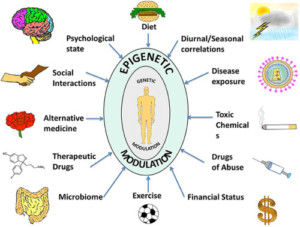
The Epigenetic Theory of Autism
The following was taken from an intereview with Dr Walsh by Dan E Burns [...]
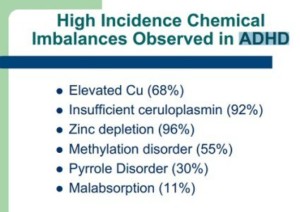
ADHD Nutrient Imbalance
#adhd in children exists in about 8-9% of the general population. However as many as 35% [...]