
Category: Depression
Depressive symptoms—low mood, loss of
interest, slowed thinking, sleep and appetite shifts—can arise across all
Walsh biotypes. Chronic, recurrent depression is more often associated with
undermethylation, while other cases reflect secondary low serotonin/dopamine
tone or pyroluria/inflammation with significant vitamin B6 and zinc
deficiency. Less commonly, overmethylation (with comparatively higher
serotonin activity) also presents with depression, but medication/nutrient
responses may differ. We clarify the pattern with labs: whole-blood histamine
(biotype screen), homocysteine (methylation stress), SAM/SAH when indicated,
urinary pyrroles (HPL) for pyroluria, Zn/Cu with ceruloplasmin, 25-OH vitamin
D, and basic inflammation/metabolic markers (e.g., CRP, ApoB/TG-HDL if
energy/weight issues coexist). Care plans are individualized—protein-first
meals, omega-3s, sulfur-rich vegetables to support glutathione as tolerated,
low-fructose whole foods, light/sleep regularity, and biotype-matched
nutrient strategies (e.g., zinc/B6 when deficient; cautious folate/methyl
donors only when appropriate). This approach helps distinguish whether
depression is driven primarily by undermethylation, neurotransmitter
scarcity, or pyroluria/inflammation—and guides targeted, test-anchored
support.
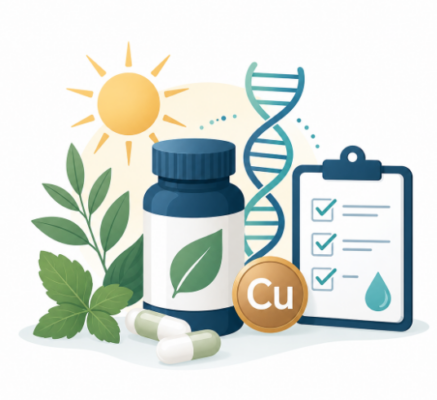
Natural Remedies and Supplements for Depression | What to Test
Natural Remedies and Supplements for Depression: What Helps, What Fails and What to Test Learn [...]
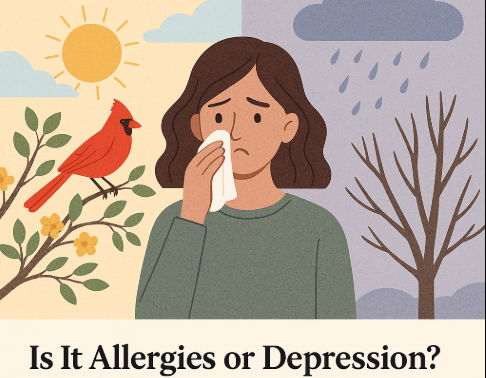
Understanding Methylation
SECOND OPINION SERIES What Does Methylation Mean in the Body? Methylation is one of the [...]
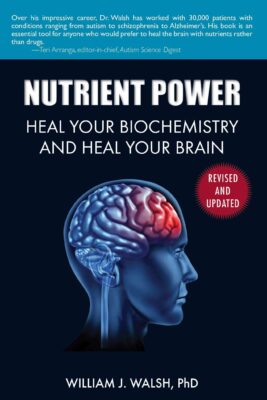
Treat Depression Naturally
Treat Depression Naturally: Understanding Nutrient Imbalances and the Biotypes of Depression Depression can often be [...]

Concierge Telemedicine
Concierge Telemedicine with David Epstein, D.O. Epigenetics and Your Biochemisty: A New Way to Address [...]
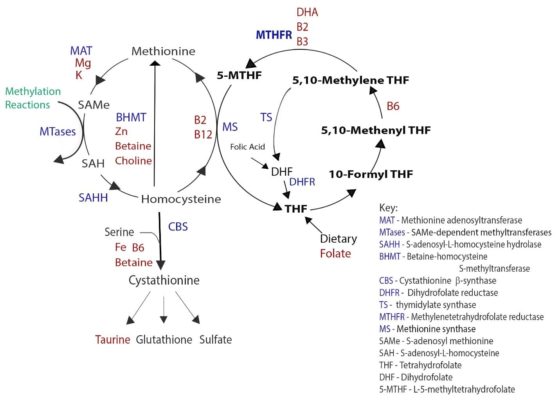
Depression and the Methylation Pathway
Methylation and Depression What is Methylation? Methylation is not one specific reaction that occurs in [...]
Benefits of Vitamin D – Video Rhonda Patrick
“Our genes influence the way we absorb and metabolize micronutrients. Nutrigenomics looks at the influence [...]