How to Increase Ceruloplasmin Naturally: Understanding Copper Balance, Free Copper, and Mental Health
If you’re searching for how to increase ceruloplasmin, you or a loved one may be experiencing symptoms of copper imbalance such as anxiety, irritability, hormonal sensitivity, fatigue, or insomnia. Ceruloplasmin is the primary protein responsible for binding and transporting copper safely through the bloodstream. When ceruloplasmin levels fall, copper becomes unbound and reactive, creating oxidative stress that can significantly worsen neurochemical and hormonal symptoms. Understanding how to increase ceruloplasmin naturally is essential for improving copper metabolism, reducing free copper, and restoring biochemical balance.
What Ceruloplasmin Does and Why It Matters
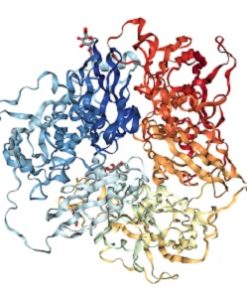
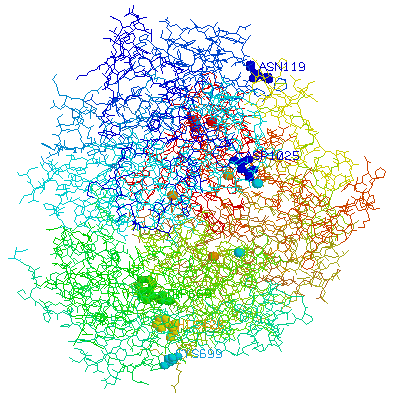
Ceruloplasmin is a multi-copper oxidase produced in the liver. Its primary role is to bind copper and prevent it from generating free radicals. When ceruloplasmin is adequate, copper remains stable and useful for enzymatic functions like energy production, neurotransmitter synthesis, and iron metabolism.
When ceruloplasmin is low, however, free copper rises. Free copper is highly oxidative and easily disrupts dopamine, norepinephrine, and glutamate pathways. This explains why patients with low ceruloplasmin often experience anxiety, panic, emotional reactivity, insomnia, or depression — particularly during hormonal fluctuations.
How to Increase Ceruloplasmin
The process of figuring out how to increase ceruloplasmin involves identifying both the factors that raise free copper and the factors that suppress ceruloplasmin production. Treatment focuses on correcting mineral balance, strengthening the liver, controlling inflammation, improving amino acid availability, and reducing triggers that elevate copper.
Below are the foundational strategies used clinically to increase ceruloplasmin and improve copper stability.
1. Correct Zinc–Copper Imbalance
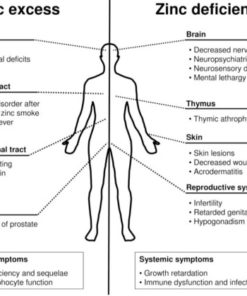
Zinc is the most important mineral involved in ceruloplasmin production. Low zinc contributes directly to low ceruloplasmin and high free copper. When patients ask how to increase ceruloplasmin naturally, zinc correction is almost always the first step.
Zinc improves metallothionein activity, supports liver detoxification, and increases ceruloplasmin synthesis. When zinc rises, the free copper ratio improves, oxidative stress decreases, and symptoms often stabilize within weeks.
2. Reduce Estrogen Excess
Estrogen raises total copper while also destabilizing copper-binding proteins. This is why women with PMS or PMDD frequently experience dramatic increases in anxiety, irritability, or intrusive thoughts—symptoms driven by increased free copper and reduced ceruloplasmin stability.
Balancing estrogen metabolism, supporting liver function, and reducing inflammatory burden are essential steps in determining how to raise ceruloplasmin in estrogen-sensitive individuals.
3. Repair Digestive and Microbiome Health
Gut dysfunction reduces zinc absorption, increases inflammation, and disrupts amino acid availability — all of which lower ceruloplasmin production. Yeast overgrowth, dysbiosis, SIBO, leaky gut, and high-sugar diets all worsen copper imbalance.
For many patients, improving gut health is the missing piece when learning how to increase ceruloplasmin naturally. Better absorption of zinc and sulfur amino acids allows ceruloplasmin to normalize.
4. Increase Sulfur Amino Acids
Ceruloplasmin requires cysteine, methionine, and histidine for proper formation. These amino acids also support glutathione production, which reduces oxidative stress and enables the liver to synthesize ceruloplasmin efficiently.
Nutrients that help increase ceruloplasmin through amino acid support include NAC, methionine, taurine, MSM, and high-quality dietary protein.
5. Support Antioxidants and Reduce Oxidative Stress
Free copper generates oxidative stress, which directly suppresses ceruloplasmin synthesis. Antioxidants help break this cycle and allow ceruloplasmin to rise naturally.
Helpful antioxidants include vitamin C, vitamin E, selenium, alpha-lipoic acid, and glutathione precursors. These nutrients indirectly support ceruloplasmin by reducing the oxidative burden of unbound copper.
6. Reduce Excessive Copper Intake
Copper can build up from drinking water, copper cookware, chocolate, nuts, seeds, shellfish, multivitamins, birth control pills, plant-heavy diets, and environmental exposure. If copper intake exceeds the body’s capacity to bind it, ceruloplasmin becomes overwhelmed and free copper rises.
For individuals trying to understand how to increase ceruloplasmin levels, minimizing unnecessary copper exposure is essential.
Ceruloplasmin vs. Metallothionein
Both ceruloplasmin and metallothionein regulate copper, but they function differently. Ceruloplasmin binds copper in the bloodstream, while metallothionein binds copper and zinc inside tissues. Ceruloplasmin is far easier to measure and is a reliable indicator of copper stability and free copper activity.
This is why ceruloplasmin is used clinically as the primary marker for copper overload and oxidative stress conditions.
Copper Toxicity and Neurochemical Symptoms
High free copper disrupts several neurotransmitter pathways:
-
Dopamine → norepinephrine conversion accelerates
-
Glutamate activity increases
-
GABA modulation decreases
-
Estrogen becomes more reactive
-
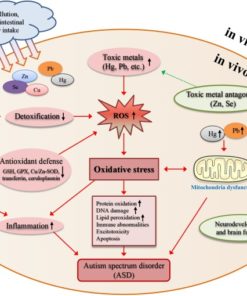
Oxidative stress increases inflammation
For this reason, low ceruloplasmin is strongly associated with:
-
Anxiety
-
OCD
-
Panic attacks
-
Irritability
-
Depression
-
Autism spectrum physiology
-
Hormonal sensitivity (PMS/PMDD)
Addressing copper imbalance often leads to rapid improvement in these symptoms.
Nutrients That Support Ceruloplasmin Production
Primary cofactors
-
Zinc
-
Vitamin A
-
Vitamin C
-
Vitamin E
-
Copper (only when total copper is truly low—rare)
Sulfur amino acids
-
NAC
-
Methionine
-
Taurine
-
MSM
Antioxidant minerals
-
Selenium
-
Molybdenum or manganese (when clinically indicated)
These nutrients support ceruloplasmin synthesis, reduce free copper, and improve the body’s ability to regulate oxidative stress. This is also where patients searching for a ceruloplasmin supplement benefit from a targeted protocol instead of a single product.
Testing Copper, Zinc, Ceruloplasmin, and Free Copper
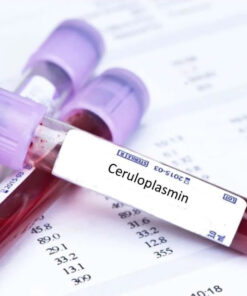
To understand whether you need to increase ceruloplasmin, the following labs are essential:
-
Ceruloplasmin
-
Total copper
-
Zinc
-
Free copper calculation
-
Zinc:copper ratio
This panel identifies whether symptoms are related to copper overload, zinc deficiency, low ceruloplasmin, or a combination of these biochemical patterns.
Order the Copper–Zinc–Ceruloplasmin Test
This is the same panel used in Walsh Protocol–based assessments to evaluate copper overload, free copper, and ceruloplasmin status. It provides a clear biochemical roadmap for treatment.
Summary: How to Increase Ceruloplasmin Naturally
Understanding how to increase ceruloplasmin begins with identifying zinc deficiency, excess copper, inflammation, and impaired liver or gut function. Whether you're trying to learn how to increase ceruloplasmin naturally, stabilize mood, improve hormonal symptoms, or reduce oxidative stress, restoring this protein is central to achieving long-term balance. Knowing how to increase ceruloplasmin levels is far easier and safer when your copper, zinc, and ceruloplasmin values are measured accurately.
Testing your copper–zinc–ceruloplasmin ratio is the most important step toward correcting free copper overload and improving emotional and neurological symptoms.
Articles on Copper Overload



Copper Overload Tests