What Is Pyroluria? Understanding Pyrrole Disorder, Symptoms, Testing & Treatment
Many people search for what is pyroluria because they or their child live with anxiety, mood swings, poor stress tolerance, or erratic sleep and appetite that don’t respond to therapy, medication, or “healthy lifestyle” changes. Learn about symptoms of pyroluria and order a pyrrole test at home kit.

Pyroluria—also called pyrrole disorder—is a biochemical pattern in which the body produces excess pyrroles (usually measured as HPL, hydroxy-hemopyrrolin-2-one), a by-product of hemoglobin synthesis. In susceptible people, these pyrroles bind tightly to vitamin B6 and zinc and pull them out through the urine, creating a chronic “leak” of two nutrients that are central to brain chemistry.PubMed+1
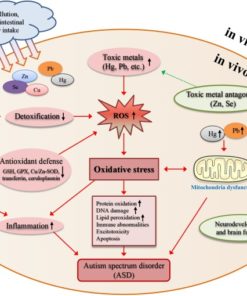
Current research suggests that elevated urinary pyrroles are best viewed as a marker of oxidative and heme stress: redox imbalance in the bone marrow and liver leads to regulatory damage in the heme pathway, and pyrroles accumulate as a result.
Genetic vulnerability, childhood stress, infections, inflammatory illness, and environmental toxins can all increase oxidative stress and may help explain when pyrrole levels begin to climb.
Pyroluria Symptoms — Signs People Commonly Notice
When people look up pyroluria symptoms, they usually recognize a familiar pattern in themselves or their children:
-
chronic inner tension or anxiety
-
poor stress tolerance, irritability, or “short fuse”
-
mood swings or emotional flatness
-
restless sleep, vivid dreams, or night-owl patterns
-
sensitivity to light, noise, or crowds
-
low appetite, nausea, or IBS-like symptoms
-
white spots on nails, slow wound healing, or frequent stretch marks
-
pale skin, small facial features, narrow dental arches (zinc-related growth effects)
-
brain fog, poor focus, underperformance at school or work
-
behavioral ups and downs in children; social withdrawal in teens and adults
Our Second Opinion Physician (SOP) questionnaire, adapted from Dr. Walsh’s clinical symptom lists, screens for these recurrent features because they map closely to B6/zinc deficiency, copper overload, and oxidative stress.
Why these symptoms?
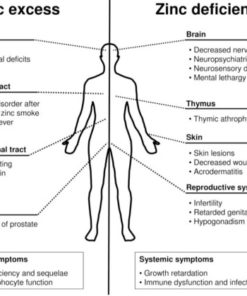
B6 is a cofactor in more than 50 brain reactions, including synthesis of serotonin, dopamine, GABA, and melatonin; zinc is crucial for receptor function, synaptic stability, and immune control.
When these nutrients are chronically low, the nervous system loses both its brakes (serotonin/GABA) and its ability to recover from stress, so life feels louder, faster, and harder to regulate.
Why Pyroluria Depletes Zinc & B6 — The Walsh Biotype Explanation
Historically, Abram Hoffer and Carl Pfeiffer observed a mauve-colored compound in the urine of psychiatric patients; later work identified this as HPL and linked high levels to functional zinc and B6 deficiency.
The model proposed—and still used clinically—is:
-
Metabolic error / oxidative strain in heme synthesis → excess pyrrole compounds.
-
Pyrroles have a strong affinity for pyridoxal-5-phosphate (active B6) and zinc.
-
Complexes of pyrroles + B6 + zinc are excreted in urine faster than the body can replace them.
Why might this develop?
-
Genetic predisposition: family clusters and association with other Walsh biotypes suggest heritable vulnerability in heme regulation and stress handling.
-
In-utero and childhood stress: infections, poor maternal nutrition, or high cortisol in pregnancy increase oxidative load on fetal heme synthesis, potentially priming pyrrole production.
-
Ongoing oxidative stress: chronic inflammation, gut dysbiosis, environmental toxins, and psychological stress further drive pyrrole generation and nutrient loss.
Once zinc and B6 are chronically low, the body cannot easily turn off this cycle, so pyroluria persists into adulthood unless it’s deliberately treated.
Pyroluria, Undermethylation & Copper Overload — How They Interact
Pyroluria rarely exists by itself. In Dr. Walsh’s datasets, a large percentage of patients with pyrrole disorder also show undermethylation, zinc deficiency, copper overload, and essential-fatty-acid deficits (EPA/DHA/arachidonic acid).
Here’s why they cluster:
-
Low zinc → high copper.
Zinc and copper literally share transport systems; when zinc falls, copper rises. Serum Cu/Zn ratios in many Walsh patients approach 2:1 instead of the healthy ~1:1 balance.Colab Services+1 Elevated free copper stimulates dopamine β-hydroxylase, converting dopamine into norepinephrine and triggering adrenaline-like, hypervigilant states—racing thoughts, panic, insomnia, and rapid mood shifts. -
Low B6 and zinc → impaired methylation and fatty-acid metabolism.
B6 and zinc are needed for histamine breakdown and for delta-6 desaturase, the enzyme that converts dietary fats into critical membrane lipids such as arachidonic acid (AA). Deficits here promote undermethylation, high histamine, low AA, fragile membranes, and exaggerated stress responses. -
Oxidative stress both causes and results from pyrroles.
Modern work on pyrroles identifies them as biomarkers of redox imbalance and heme damage, especially in psychotic disorders and other stress-related conditions.PubMed+1 So the same oxidative burden that drives pyroluria also increases mitochondrial strain, brain inflammation, and sensitivity to stimuli.
Clinically, this explains why so many adults getting tested for the first time report a lifetime pattern of inner tension, academic underperformance relative to intelligence, erratic sleep, and difficulty maintaining stable energy and mood.
Pyroluria Testing — Urine Pyrrole Test At Home Plus Copper/Zinc/Ceruloplasmin
The most practical pyroluria testing strategy combines a urine test for pyrroles with a serum copper/zinc/ceruloplasmin panel:
-
Urine pyrrole test at home kit - kryptopyrrole (HPL):
Confirms whether pyrrole excretion is high enough to plausibly deplete zinc and B6. Numerous clinical series show high pyrroles in behavior disorders, ASD, ADHD, depression, and schizophrenia, and use it as a biomarker of oxidative stress.
-
Serum copper, plasma zinc, and ceruloplasmin:
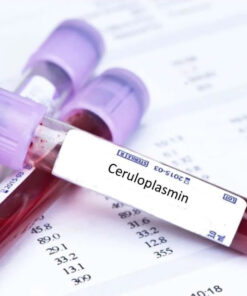
These reveal whether copper is adequately bound or circulating “free.” In Walsh-style workups, an elevated Cu/Zn ratio and low ceruloplasmin are among the most actionable findings because targeted zinc therapy and copper-modulating strategies reliably move both lab numbers and symptoms. -
Optional: whole blood histamine & SAM/SAH methylation panel:
Clarify undermethylation vs overmethylation, refine B12/folate strategy, and help prioritize interventions.
Why not just test B6 itself? Active B6 (P5P) is short-lived in blood, so serum values may look normal even when tissues are deficient. Clinical signs—poor dream recall, irritability, fatigue, and SOP questionnaire scores—are often more accurate than a single B6 number.
How Treatment Works — Beyond “Take Zinc and B6”
Most popular articles on pyrrole disorder stop at “supplement zinc and vitamin B6.” Walsh-style treatment goes further and explains why each step matters.
-
Targeted zinc & B6 replenishment
Correcting the leak restores neurotransmitter synthesis (serotonin, dopamine, GABA, melatonin), supports histamine breakdown, and improves dream recall and sleep architecture. Clinical reports and lab flyers on Mauve factor show rapid symptom relapse when supplements are stopped, consistent with a true dependency state.
-
Lowering free copper
As zinc rises, copper increasingly binds to ceruloplasmin, reducing the pool of free copper that drives anxiety, agitation, and insomnia. This is one of the fastest ways to take the “edge” off the nervous system without sedating it. -
Restoring fatty-acid balance (EPA/DHA/AA)
Because zinc and B6 are required to make arachidonic acid and other long-chain fats, many pyroluria patients show low AA, EPA, and DHA. Walsh’s datasets highlight this as a high-incidence imbalance with strong impact on neurotransmitter regulation.
Correcting these fats stabilizes membranes, improves signal conduction, and lowers neuroinflammation. -
Reducing oxidative and inflammatory load
NAC, vitamin C, vitamin E, selenium, magnesium, and gut-directed therapies help lower the oxidative stress that drives pyrrole formation in the first place. This is where diet, sleep hygiene, trauma work, and stress management become biochemical interventions, not just lifestyle advice. -
Supporting digestion and absorption
Low zinc → low stomach acid → poor protein and mineral absorption. Replacing zinc and B6 often improves appetite, reduces nausea, and allows the gut to participate in recovery instead of perpetuating deficiency.
Because these pathways are slow-adapting, improvements often appear in phases: first better dream recall and mornings, then calmer days and more stable energy, followed by improved academic/work performance and resilience to stress.
When to Suspect Pyrrole Disorder in Yourself or Your Child
It may be time to think about symptoms of pyroluria and testing if you notice:
-
lifelong inner tension or “wired but tired” feeling
-
disproportionate anxiety in response to ordinary stressors
-
erratic appetite, nausea, IBS, or long-standing picky eating
-
night-owl behavior, hard time waking, or vivid dreams
-
pale skin, weak nails, frequent stretch marks, small jaw or narrow dental arches
-
history of emotional or physical stress with poor recovery
-
family history of depression, anxiety, bipolar disorder, ASD, or alcoholism
Many of my adult patients only discover pyrrole disorder in mid-life, after decades of “trying everything” for mood and focus. Seeing the biochemical pattern for the first time is often a profound relief: “So there is a reason.”
Start Here — Copper/Zinc/Ceruloplasmin and Pyrrole Testing
If this pattern sounds familiar, the most useful next step is a Walsh-style baseline panel:
-
Whole blood histamine and homocysteine (for methylation and folate/B12 strategy)
-
Optional essential-fatty-acid panel (EPA, DHA, AA)
These tests give a concrete, biochemical map that explains why symptoms have been so stubborn—and, more importantly, where to intervene first.
Once zinc, B6, copper balance, and oxidative stress are addressed, most people experience:
-
calmer mood and greater emotional range
-
more predictable sleep and appetite
-
clearer thinking and better academic or work performance
-
stronger resilience to everyday stress
Frequently Asked Questions
It’s a pattern where the body makes extra pyrroles. Those pyrroles leave in the urine and carry zinc and vitamin B6 with them, slowly upsetting mood, sleep, and stress control.
Stress raises pyrroles for a few days, increasing zinc/B6 loss. People often feel more “wired” after illness, conflict, or big changes until they restabilize.
The active form of B6 (P5P) breaks down quickly in blood, so results can look “normal” while tissues are low. Symptoms and response to care are more reliable than a single plasma value.
Begin with a urine pyrrole (Kryptopyrrole – HPL) test. If elevated, add copper, zinc, and ceruloplasmin to check mineral balance.
It suggests more free copper acting like a stimulant and oxidant—pushing anxiety and poor sleep. Restoring zinc helps bind copper to ceruloplasmin so it’s safer and more stable.
Early wins (calmer mornings, better dream recall, easier sleep) often show up within weeks. Fuller stability builds over a few months as zinc/B6 stores rebuild and copper–zinc balance holds.
Diet helps—especially protein and zinc-rich foods—but most people do best with targeted nutrients (zinc, B6/P5P, magnesium, antioxidants) and guidance on copper balance.
Better dream recall, fewer meltdowns after stress, less sound/light sensitivity, steadier focus, and smoother sleep. Labs usually follow after symptoms start to settle.