
SECOND OPINION SERIES
What Does Methylation Mean in the Body?
Methylation is one of the most important regulatory processes in human biology, yet most discussions online reduce it to MTHFR—which explains almost nothing about what is actually happening inside the brain or body. When patients ask what does methylation mean in the body, the most accurate answer is that methylation represents the cell’s real-time ability to add methyl groups to molecules that regulate neurotransmitters, inflammation, detoxification, gene expression, and immune balance.
To understand the meaning of methylation in the body, imagine it as a biochemical switchboard. Proper methylation determines how efficiently serotonin and dopamine are regulated, how histamine is broken down, how resilient the brain is to stress, and how gene expression adapts to daily environmental demands. In Walsh-trained clinical work, methylation status reveals predictable patterns in mood, motivation, attention, sleep, anxiety, irritability, and how a person responds to medications. For a more scientific explanation of how methylation works at the cellular level, click here.
Methylation function vs. MTHFR assumptions
Most people mistakenly believe methylation = MTHFR. But genetics only show potential, not function. Someone with an MTHFR variant may methylate perfectly well, while someone without the mutation may be severely undermethylated.
Functional methylation testing looks at:
-
SAM production
-
SAH accumulation
-
Relative methylation efficiency
-
Histamine breakdown
-
Neurotransmitter transporter activity
This level of detail is why understanding what methylation means in the body cannot come from a genetic report alone.
Why methylation matters for mental health
Methylation regulates the expression of SERT and DERT—transporters that determine how quickly serotonin and dopamine are cleared from the synapse. Undermethylators tend to have:
-
Increased transporter expression
-
Faster reuptake
-
Lower functional serotonin activity
-
Strong inner tension and perfectionistic traits
Summary
-
Methylation = functional biochemistry, not genetics.
-
It regulates neurotransmitters, histamine, and inflammation.
-
MTHFR ≠ methylation status.
-
Walsh-based methylation explains patterns of anxiety, OCD, chronic depression, and high inner tension.
Symptoms of Undermethylation
Among all methylation patterns, undermethylation is the one most consistently associated with OCD tendencies, chronic depression, high inner tension, competitiveness, perfectionism, and strong drive. When patients search for symptoms of undermethylation, they are often describing themselves long before they understand the biochemical cause.
Undermethylation leads to excessive expression of serotonin and dopamine transporters, which accelerates reuptake and lowers the functional activity of both neurotransmitters. This explains why individuals may feel emotionally restricted, tense, agitated under stress, or driven by rigid routines. These same individuals often excel academically, display strong work ethic, push through fatigue, and show a predictable response to supplements and medications.
Why these symptoms occur
Undermethylation reduces SAM availability, increases SAH, and lowers the methylation pressure needed to regulate gene expression. This imbalance leads to:
-
Faster serotonin/dopamine clearance → low mood, OCD features
-
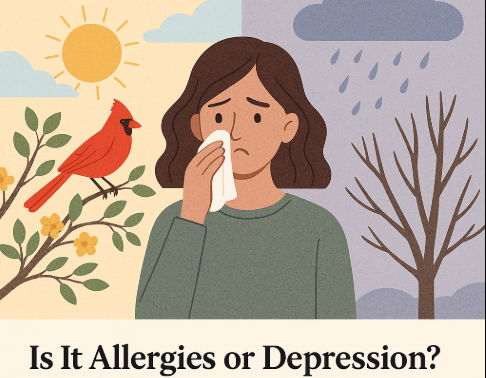
High whole blood histamine → irritability, agitation, seasonal allergies
-
Elevated inner tension → rigidity, perfectionism
-
Strong inflammatory tendencies → migraines, fatigue, skin issues
Common clinical traits
Not exhaustive; these are the most consistent Walsh-verified patterns:
-
Chronic depression beginning early in life
-
High inner tension despite appearing calm
-
OCD features, ritualized behavior, or overthinking
-
Irritability or anger under pressure
-
Strong competitiveness in sports or academics
-
High libido relative to peers
-
Seasonal allergies or chronic congestion
-
Poor response to benzodiazepines
-
Initial good response to SSRIs followed by “flattening”
-
Good response to antihistamines
Summary
-
Symptoms of undermethylation reveal predictable biochemical patterns.
-
Reuptake transporters are overexpressed → low serotonin activity.
-
Whole blood histamine is elevated in most cases.
-
Zinc, B6, methionine/SAM, and antioxidant support typically improve stability.
Histamine and Methylation
Histamine is one of the most overlooked signals in mental health. The relationship between histamine and methylation is central to the Walsh model: histamine is broken down primarily through methylation, so poor methylation leads to elevated histamine levels. High histamine then influences inflammation, sleep, irritability, focus, and neurotransmitter regulation.
In undermethylated patients, histamine often becomes a measurable biomarker that mirrors methylation efficiency. When methylation slows, histamine accumulates—creating irritability, rashes, allergies, agitation, and a tendency toward obsessive thoughts. Conversely, overmethylators often have low histamine and display entirely different behavioral traits.
Why histamine rises when methylation is low
-
Histamine is degraded by HNMT, a methylation-dependent enzyme.
-
Low methylation → HNMT inefficiency → histamine accumulation.
-
High histamine amplifies reactivity, sensory sensitivity, and agitation.
For many patients, whole blood histamine is the clearest initial marker of methylation status, and when paired with SAM/SAH testing, it tells the full story.
Summary
-
Histamine increases when methylation pathways slow down.
-
Elevated histamine contributes to irritability, inflammation, and anxiety.
-
Whole blood histamine is one of the best screening tools for methylation function.
Best Test for Methylation
Primary keyphrase: best test for methylation
Synonyms: best methylation test, test for methylation status
Patients often search for the best test for methylation, but end up with incomplete answers—usually a single SNP test or an oversimplified “methylation panel.” Genetic testing does not reveal methylation function. The best methylation test evaluates the biochemical activity currently taking place in the body, not hereditary tendencies.
In a Walsh-aligned framework, the best methylation test includes:
1. Whole Blood Histamine
A reliable screening tool for undermethylation vs. overmethylation.
2. SAM/SAH Methylation Pathway Panel (Doctor’s Data)
This is the most precise functional test available.
It reveals:
-
SAM levels
-
SAH levels
-
SAM:SAH ratio
-
Methylation efficiency
-
Methylation “pressure”
-
Detoxification bottlenecks
-
Transsulfuration stress
-
Homocysteine dynamics
3. Homocysteine
Supports interpretation of methylation flow but should never be used alone.
4. Zinc, Copper, Ceruloplasmin
Essential cofactors for neurotransmitter synthesis and methylation balance.
Why these tests matter
These markers together show:
-
Whether methylation is slow or fast
-
Whether neurotransmitter transporters are over- or under-expressed
-
Whether inflammation is driving methylation demand
-
Whether nutritional deficiencies are suppressing SAM production
Summary
-
The best test for methylation evaluates function, not genetics.
-
Walsh-based testing reveals how methylation affects mood, cognition, and inflammation.
-
Functional testing guides individualized nutrient therapy with unmatched accuracy.