
SECOND OPINION SERIES
Creatine Improves Methylation | Supplementation Strategy
This article explains how creatine improves methylation by reducing the body’s need to make creatine from SAMe. Methylation affects nearly every system in the body - from neurotransmitter production to detoxification, energy metabolism, and DNA expression. For many people exploring symptoms of undermethylation, the conversation quickly turns to MTHFR, even though the story is much larger. Methylation is a dynamic, adaptive cellular process influenced by nutrients, metabolic workload, stress, and lifestyle. One of the most overlooked influences on methylation efficiency is creatine methylation—because creatine synthesis consumes an estimated 30–40% of all methyl groups produced in the body. This connection raises a common question in practice: does creatine help methylation by reducing this internal demand?
As part of the Second Opinion Series, this post examines biochemical patterns that shape mood, behavior, energy, cognition, and resilience. Although creatine is not part of the original Walsh Protocol, the Second Opinion Physician approach evaluates how creatine and methylation interact in real physiology—particularly in individuals with heavy methylation demand or low SAMe availability. The Doctor’s Data Methylation Pathways Panel helps reveal this relationship by showing whether SAMe is being depleted, whether SAH is accumulating, and whether the methionine cycle is under strain. These patterns may indicate that a significant portion of methylation capacity is being diverted toward creatine synthesis. Understanding these markers allows us to determine when creatine supplementation may reduce methylation load, conserve SAMe, and support more balanced neurochemistry.
What Does Methylation Mean in the Body?
Methylation refers to the transfer of a methyl group (a carbon + three hydrogens) to molecules that influence gene expression, neurotransmitters, immune function, and cellular repair. While often discussed as a genetic problem related to MTHFR, methylation is actually a daily biochemical process occurring millions of times per second. The body’s ability to methylate depends on nutrient status, protein intake, creatine demand, stress levels, inflammation, cellular energy capacity and SAM/SAH balance. Understanding what methylation means in the body helps people recognize that “symptoms of undermethylation” are not merely genetic — they are biochemical patterns influenced by metabolic load.
Summary:
-
Methylation supports neurotransmitters, detoxification, and DNA repair.
-
MTHFR genes contribute but do not define methylation capacity.
-
Stress, illness, and nutrient demand can overwhelm methylation.
-
Creatine demand is one of the biggest contributors to methylation strain.
Creatine Methylation Pathway: Why the Two Are Linked
The creatine methylation pathway is the single biggest consumer of methyl groups in the body, using an estimated 30–40% of total methylation capacity. The relationship between creatine and methylation is not widely discussed in clinical practice, but it is one of the strongest biochemical leverage points we have for undermethylators. The body uses S-adenosylmethionine (SAMe) to methylate guanidinoacetate into creatine, and this single reaction alone may account for up to 40% of all daily methylation activity. When creatine demand is high — due to exercise, stress, cognitive load, vegetarian diets, or illness — methylation strain increases. For individuals with symptoms of undermethylation, this may reduce SAMe availability for neurotransmitter synthesis and DNA repair.
Summary:
-
Creatine synthesis consumes more methyl groups than any other reaction.
-
High creatine demand increases SAMe use and raises SAH levels.
-
Low dietary creatine (e.g., vegetarian diets) increases endogenous synthesis needs.
-
Reducing creatine synthesis may free up methylation capacity.
Does Creatine Help Methylation? (Short Answer: Yes — Here’s Why)
Many patients ask, does creatine help methylation, or is it only about muscle strength? The evidence suggests creatine supplementation can significantly reduce methylation burden, support SAMe availability, and improve patterns often seen in undermethylation. When creatine is supplied externally, the liver no longer needs to methylate guanidinoacetate at the same rate. This conserves SAMe, reduces SAH buildup, and improves methylation efficiency. Clinically, this often results in better mood regulation, fewer neurochemical fluctuations, and improved energy stability.
Summary:
-
Supplemental creatine bypasses the methylation-heavy synthesis pathway.
-
Conserves up to one-third of the body’s methylation activity.
-
Reduces SAH accumulation, improving enzyme activity.
-
Benefits those with undermethylation symptoms or high methylation demand.
Creatine for Undermethylation: Symptoms That Improve When Demand Is Reduced
“Using creatine for undermethylation makes sense when the methylation cycle is overworked, because reducing creatine synthesis frees SAMe for serotonin, dopamine, and DNA repair. Many individuals with symptoms of undermethylation experience inner tension, rigid thinking patterns, obsessive tendencies, high achievement drive, seasonal depression, and elevated histamine. When creatine demand is high, these patterns can worsen because SAMe is diverted away from neurotransmitter pathways. By increasing creatine availability through diet or supplementation, some individuals observe improvements in emotional regulation, resilience, and energy. This does not replace the Walsh Protocol but complements it by removing a major metabolic strain.
Summary:
-
Undermethylation symptoms often relate to low SAMe availability.
-
High creatine demand increases methylation strain.
-
Reducing endogenous creatine synthesis may improve mood stability.
-
Works synergistically with zinc, B6, methionine, and methylation support.
How Creatine Synthesis Works and Why It Uses So Many Methyl Groups
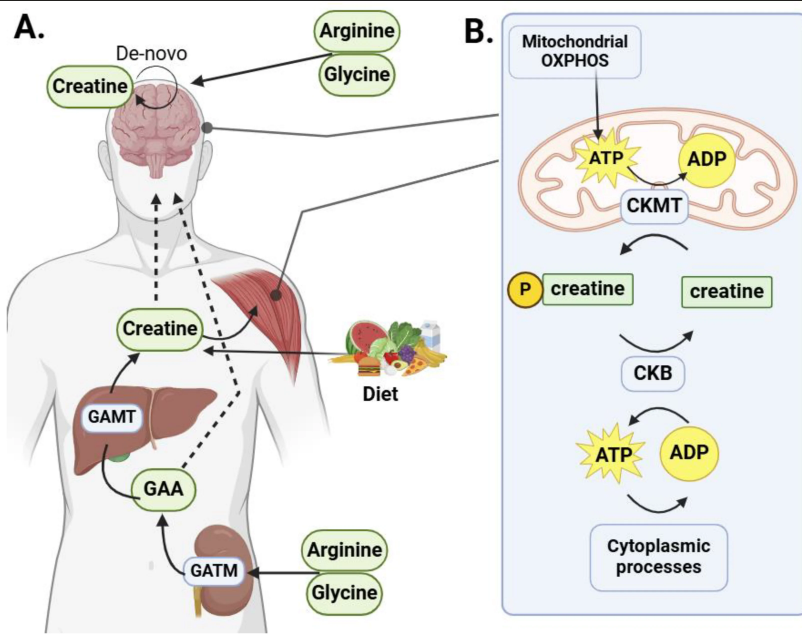
Creatine synthesis occurs through two major reactions. First, arginine and glycine combine to form guanidinoacetate in the kidneys and pancreas. Next, guanidinoacetate travels to the liver, where GAMT (guanidinoacetate methyltransferase) uses SAMe to methylate it into creatine. This second step is one of the most methylation-intensive reactions in human physiology. Elevated S-adenosylhomocysteine (SAH) can inhibit GAMT and AGAT enzymes, leading to downstream issues in both methylation and energy metabolism.
Summary:
-
Creatine synthesis is one of the biggest consumers of SAMe.
-
SAH accumulation inhibits methylation enzymes.
-
Alkalinity supports the SAHH enzyme, improving SAH clearance.
-
Creatine supplementation reduces the need for endogenous synthesis.
Methylation Testing Creatine Demand: How We Use the Doctor’s Data Panel
There is no single “best test for methylation,” but several panels help clarify methylation status and creatine demand. The Doctor’s Data Methylation Panel evaluates SAM, SAH, homocysteine, and methionine patterns, offering insight into methylation efficiency. Organic acids can indicate creatine turnover and metabolic stress. The Walsh symptom questionnaire also provides clues: individuals with high athletic demand, high stress, low protein intake, vegetarian diets, or chronic fatigue often show increased creatine demand.
Summary:
-
SAM/SAH ratio is one of the strongest indicators of methylation efficiency.
-
Homocysteine, methionine, and MMA provide additional context.
-
Organic acids can show downstream consequences of poor ATP recycling.
-
Questionnaire patterns help identify lifestyle-driven creatine needs.

How to Supplement Creatine for Methylation Support
Creatine monohydrate is the most studied and clinically reliable form. For supporting methylation, daily doses of 3–5 grams are generally sufficient, although neurological or high-demand cases may require 5–10 grams. Creatine does not appear to increase overmethylation — it reduces methylation use rather than adding methyl donors. Hydration is important, and those with kidney disease should consult a physician. For undermethylators, the goal is not muscle building but reducing methylation demand to free SAMe for neurotransmitter balance.
Summary:
-
5-10 g/day supports methylation efficiency.
-
10–20 g/day may help neurological or high-demand individuals.
-
Monohydrate is the preferred form.
-
Works synergistically with alkalinity (bicarbonate) to optimize SAHH activity.
Histamine and Methylation: Why Undermethylators Benefit from Conserved SAMe
High histamine is a classic marker of undermethylation because histamine is degraded by methylation. When SAMe is limited, histamine clearance slows, contributing to anxiety, irritability, insomnia, and allergic tendencies. By improving the efficiency of the methylation cycle — including reducing creatine-related SAMe usage — many individuals observe better histamine regulation. This effect is subtle but clinically meaningful, especially for those with longstanding patterns of undermethylation.
Summary:
-
Histamine breakdown requires methylation (HNMT enzyme).
-
Low SAMe means histamine clearance slows.
-
Conserving SAMe through creatine supplementation may improve symptoms.
-
Supports Walsh-style biochemical balance without overstimulating serotonin.
FAQ's: Creatine and Methylation
How does the creatine methylation pathway affect serotonin and dopamine?
The creatine methylation pathway consumes up to 40% of SAMe. When SAMe is depleted, serotonin and dopamine production may fall as well. Supplementing creatine can free SAMe for healthy neurotransmitter support—one reason undermethylated patients often report improved emotional steadiness.
Can creatine help undermethylation symptoms like inner tension or perfectionism?
Yes. For some patients, creatine for undermethylation reduces the chronic internal pressure, overthinking, rigidity, and emotional intensity that go hand-in-hand with undermethylation. When methylation strain is lowered, patients often experience calmer mood, better sleep, and less compulsive thinking.
Does creatine reduce homocysteine?
Indirectly. When creatine supplementation reduces the body’s need to synthesize creatine internally, SAMe is used more efficiently and SAH tends to fall, which may help regulate homocysteine. It is not a homocysteine therapy by itself, but it can reduce the biochemical load.
How do I know if creatine synthesis is stressing my methylation cycle?
We use methylation testing creatine demand through the Doctor’s Data Methylation Pathways Panel. Patterns like low SAMe, elevated SAH, or a strained methionine cycle suggest creatine synthesis is pulling heavily on methyl resources.
Is creatine safe for people with high histamine or undermethylation?
Usually yes—sometimes beneficial. Undermethylators have elevated histamine because they recycle methyl groups poorly. By lowering the methylation cost of creatine, supplementation can indirectly free SAMe, helping stabilize histamine metabolism.
Can creatine worsen anxiety?
Occasionally, if the patient is overmethylated—not undermethylated. In those cases, creatine may increase SAMe availability too much. This is why personalization matters. For undermethylators with high histamine, creatine generally reduces anxiety by conserving methyl groups.
Does creatine interact with SSRIs or other psychiatric medications?
Creatine is generally compatible, and there is research suggesting it may enhance SSRI effects in low-SAMe states. The key is whether a patient is undermethylated. If SAMe is low and creatine synthesis is consuming methyl groups, creatine can improve treatment response.
How quickly do undermethylators feel improvement after adding creatine?
Some notice reduced inner tension or improved cognitive stamina in 5–10 days. Others require several weeks while the methylation cycle stabilizes. Improvements usually correlate with what we see on methylation testing pathways—especially increases in SAMe:SAH ratio.
Should everyone with fatigue or brain fog take creatine?
No. While creatine can support ATP production, it is most effective when fatigue stems from methylation strain or high creatine demand. If a patient’s DD panel shows a robust SAMe pool and efficient methylation, creatine may have no meaningful effect.
Scientific Reference: Creatine, SAMe, SAH, and Methylation Efficiency
Below is a more technical discussion for readers who want a deeper biochemical understanding. Creatine synthesis is regulated by AGAT and GAMT enzymes. GAMT requires SAMe to methylate guanidinoacetate into creatine. Each methylation event produces SAH, which must be cleared by SAHH to regenerate homocysteine. When SAH accumulates, it inhibits methyltransferases including GAMT, COMT, PEMT, and others. Alkalinity improves SAHH function, reducing SAH and restoring methylation flow. Studies demonstrate that creatine supplementation reduces the need for this reaction, leading to improved SAM/SAH ratios and better global methylation efficiency.
Supporting study:
Stead et al., American Journal of Physiology – Endocrinology and Metabolism (2001):
“The methylation of guanidinoacetate to form creatine consumes more methyl groups than all other methylation reactions combined.”
Scientific Resource
For additional technical reading, Examine.com offers a well-reviewed overview of creatine’s metabolic roles, including its connection to SAMe utilization. It is a helpful complement for readers who want deeper biochemical context without medical complexity.