
Category: Walsh Protocol & Biotypes
The Walsh Protocol identifies five core biochemical patterns—called the Five Biotypes of Depression—that explain why people respond differently to medications, supplements, and stress. These biotypes include undermethylation, overmethylation, copper overload, pyroluria, and toxic overload. Each pattern reflects a distinct imbalance in neurotransmitter activity, nutrient status, and gene regulation that can be measured through targeted lab testing. Posts in this section explain how to recognize each biotype through symptoms and lab markers such as histamine, SAM/SAH, copper, zinc, ceruloplasmin, pyrroles, and homocysteine, and how personalized nutrient therapy can restore balance. The goal is to replace trial-and-error psychiatry with a biochemical roadmap—helping identify which nutrients to use, which to avoid, and how to address the root causes of mood and behavior changes using evidence-based nutritional psychiatry.
Mast Cell Activation Disorder – Lab Testing and Diagnosis
Diagnosis of Mast Cell Activation Disorder is made by Lab Testing and Review of Symptoms [...]
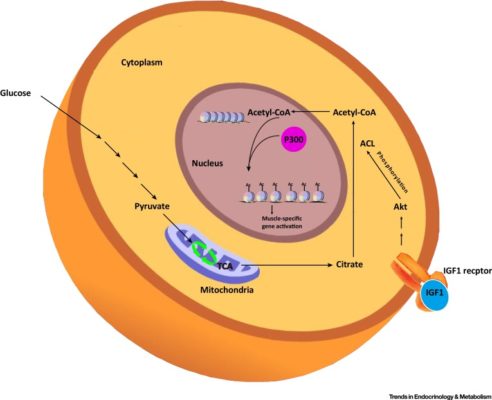
Epigenetic Benefits of ALA in Treatment of Cancer
Extensively published researcher and clinician, Dr Berkson utilizes high doses of racemic ALA (IV and Orally) [...]
Toxic Elements Biotype
This is an excellent summary of toxic elements and oxidative stressors due to heavy metals. [...]
Dr Mercola interviews Dr Walsh; Role of nutrients for treating autism, anxiety, depression and more
It only a matter of time before Dr Walsh and his nutritional protocol for [...]

Dr Mercola interviews Dr Walsh on role of epigenetics, methylation and folates in mental health.
The Importance of Methylation and Folates in Mental Health In his interview with Dr Mercola, [...]

Assessing Cause and Treating Autistic Kids and Autism Spectrum Adults
Focus on detoxification, immune status and brain biochemistry A leaky gut syndrome is an inflammatory [...]
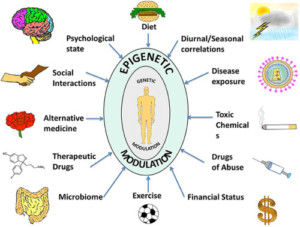
The Epigenetic Theory of Autism
The following was taken from an intereview with Dr Walsh by Dan E Burns [...]
Walsh Slide Presentation on Epigenetics
This Dr Bill Walsh Video presenting his research on Epigenetics and Methylation
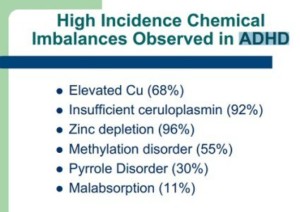
ADHD Nutrient Imbalance
#adhd in children exists in about 8-9% of the general population. However as many as 35% [...]