
SECOND OPINION SERIES
High Basophils, Histamine, and Methylation — Second Opinion Series
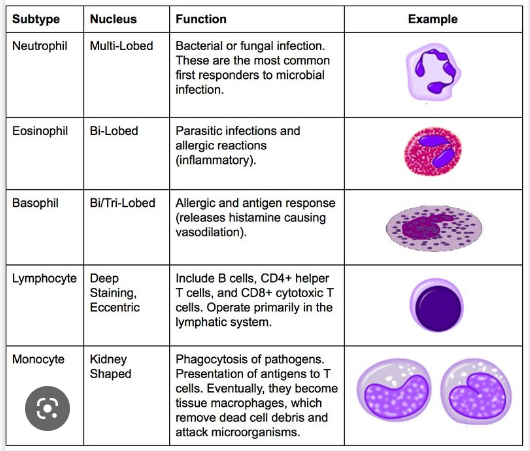
Understanding Increased Basophils: A Second Opinion Perspective
This article is part of the Second Opinion Series, where complex lab findings are explained in practical, patient-focused terms before transitioning into a deeper scientific discussion. Many patients arrive after seeing “high basophils” on a CBC and wonder if it relates to depression, anxiety, OCD traits, or long-standing tension. Basophils are small white blood cells involved in histamine release, allergy responses, and inflammation. When elevated, basophils can provide meaningful insight into methylation, neurotransmitter activity, and the Walsh biotype patterns frequently associated with persistent mood symptoms. The sections below explain what high basophils mean clinically, why they matter for symptoms, and which tests help clarify the underlying biochemical pattern.
What Are Basophils?
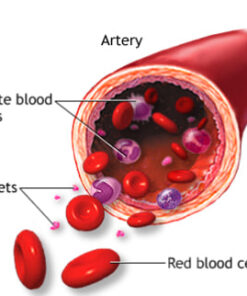
Basophils are one of the rarest types of white blood cells and play a central role in histamine release, allergic reactions, and inflammatory signaling. They contain granules filled with histamine and cytokines, which they release when the immune system senses irritation, allergens, or chronic inflammatory activity. Although basophils represent less than 1% of circulating white blood cells, elevations on a CBC often signal persistent immune activation that may correlate with high histamine levels or the undermethylated biotype. Later sections explore why this matters for patients experiencing depression, anxiety, OCD traits, or lifelong emotional tension.
Summary
-
Basophils store and release histamine.
-
Elevation often reflects chronic immune activation.
-
High basophils frequently appear alongside high whole blood histamine and undermethylation.
High Basophils and Histamine
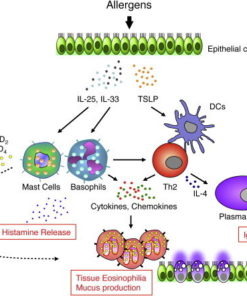
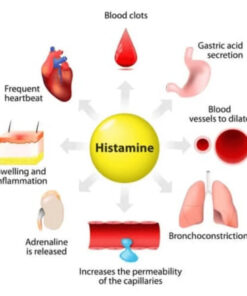
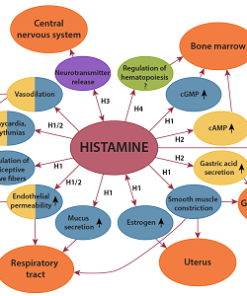
Basophils store and release histamine, making them directly tied to allergy-related inflammation, mast-cell-like symptoms, and ongoing immune signaling. When basophils rise, the body often remains in a heightened state of histamine activity, even without an obvious allergic trigger. This can create irritability, reactivity, and heightened sensitivity to stress or environmental stimuli. High histamine also influences the nervous system and is a hallmark of the undermethylated biotype described in Walsh nutrient therapy.
Summary
-
Elevated basophils frequently reflect elevated histamine.
-
Persistent histamine signaling affects inflammation, sleep, stress sensitivity, and mood.
-
Whole blood histamine testing helps determine whether histamine imbalance is driving symptoms.
Elevated Basophils and Undermethylation
Undermethylation is closely associated with high histamine, increased neurotransmitter reuptake, and traits such as drive, inner tension, and perfectionism. When basophils are elevated in this pattern, it suggests a longstanding biochemical tendency rather than a short-term imbalance. Undermethylated individuals typically show increased expression of serotonin and dopamine transporters (SERT and DERT), leading to rapid reuptake and lower synaptic availability. This explains why symptoms often persist despite normal serotonin production and why patients respond inconsistently to antidepressants but improve with targeted nutrient therapy.
Summary
-
High basophils correlate with high histamine, a marker of undermethylation.
-
Undermethylation increases transporter activity, reducing serotonin and dopamine availability.
-
Walsh testing (whole blood histamine, zinc, copper) clarifies the biotype and guides treatment.
High Basophils and Depression
Depression in undermethylated, high-histamine individuals is not due to low neurotransmitter production but rather to excessively fast reuptake. Basophils do not cause depression directly, but they indicate a biochemical state associated with low serotonin activity despite adequate production. This pattern often presents as chronic, lifelong depression with brief responses to antidepressants that fade quickly. Patients frequently describe internal pressure, emotional overcontrol, and difficulty relaxing—fit patterns seen repeatedly in high-histamine biotypes.
Summary
-
Increased basophils support the pattern of high histamine and undermethylation.
-
This biotype produces fast serotonin reuptake, contributing to persistent depression.
-
Whole blood histamine and Walsh methylation markers clarify whether nutrient therapy is appropriate.
Increased Basophils and Anxiety or Stress Sensitivity
Anxiety in this biotype arises from heightened histamine, rapid neurotransmitter clearance, and a nervous system that remains in a “high alert” state. Patients often describe racing thoughts, internal tension, and physical anxiety that seems disproportionate to the situation. Elevated basophils indicate histamine-driven activation that amplifies stress responses and makes calm states harder to sustain. Over time, this creates cycles of hyperreactivity followed by exhaustion.
Summary
-
Increased basophils reinforce a high-histamine, high-tension physiological pattern.
-
Anxiety results from amplified stress signaling and low synaptic serotonin availability.
-
Antihistamines often help briefly; long-term improvement requires addressing methylation.
Basophils, OCD Traits, and High-Drive Personalities
OCD-like traits—rigidity, intrusive thoughts, overresponsibility, perfectionism—frequently appear in undermethylated individuals with elevated histamine. High basophils signal that histamine-linked activation is contributing to the mental pressure that drives looping thoughts and compulsive behaviors. Patients often excel academically or professionally but struggle with internal tension that others cannot see. When basophils are high, this supports the interpretation that biochemical factors—not personality flaws—underlie the OCD traits.
Summary
-
High histamine and undermethylation can amplify OCD-like patterns.
-
Elevated basophils reinforce the role of histamine-driven tension.
-
Walsh methylation testing helps determine whether nutrient support may reduce intrusive thoughts.
What Tests to Order When Basophils Are High
A CBC showing high basophils provides a clue, but not a full picture. When mood symptoms, anxiety, or OCD traits are present, whole blood histamine is the most direct next step because it identifies the high-histamine undermethylated biotype. The Walsh Panel (zinc, copper, ceruloplasmin, plasma histamine, metallothionein markers) helps determine whether copper overload or undermethylation is contributing to symptoms. The Doctor’s Data Methylation Pathway Panel offers deeper insight into SAM, SAH, methionine, and homocysteine balance and can reveal whether methylation defects are driving serotonin and dopamine clearance.
Summary
-
CBC → identifies high basophils.
-
Whole blood histamine → confirms high-histamine biotype.
-
Walsh Panel → identifies undermethylation and copper/zinc imbalance.
-
DD Methylation Panel → clarifies SAM/SAH balance and shows degree of neurotransmitter reuptake.
Biotype Patterns Seen With High Basophils
High basophils often appear in patients who show the classic undermethylated Walsh biotype: high motivation, perfectionism, internal tension, seasonal allergies, strong competitiveness, high libido, OCD tendencies, and long-standing depression or anxiety. These individuals often have strong family backgrounds, high achievement, and a tendency to “hold themselves together” until an emotional or physical stressor overwhelms the system. Basophils, histamine, and methylation data together allow the entire symptom pattern to be understood biochemically rather than psychologically.
Summary
-
High basophils frequently accompany the undermethylated, high-histamine biotype.
-
Symptoms include high drive, internal tension, OCD traits, and resistance to antidepressants.
-
Proper testing clarifies treatment direction and reduces the guesswork in mood disorder management.
Next Steps
If basophils are high and symptoms align with the patterns described above, targeted biochemical testing can help determine whether methylation therapy, nutrient balancing, or copper regulation may be appropriate. The Second Opinion Series provides both the simplified explanation above and a deeper scientific review below for readers who want to understand the underlying physiology.
Thank you so much for sharing such an informative post!
A very informative article on what Histamines are and their role that they play on our overall health. Thank you for taking the time to explain and post this.
Pingback: My Homepage
Pingback: Interior Paint in Cedar Park
Pingback: pgslot
Pingback: เว็บปั้มไลค์
Pingback: Codename:Pepe
Pingback: pigspin
Pingback: บาคาร่าเกาหลี
Pingback: pin up application
Pingback: chicken road casino