
Autism Signs & Symptoms Explained Through Biochemistry, Methylation, and Oxidative Stress
Parents searching for early autism signs & symptoms often find long lists of behaviors but very little explanation about the underlying biological reasons these traits appear. While classic autism symptoms such as language delay, social differences, and sensory sensitivity help guide diagnosis, research from the Walsh Research Institute reveals deeper biochemical patterns behind these behaviors — specifically undermethylation autism, oxidative stress autism, and copper overload. Understanding these metabolic patterns helps parents interpret behaviors more clearly and identify next steps for testing and support.
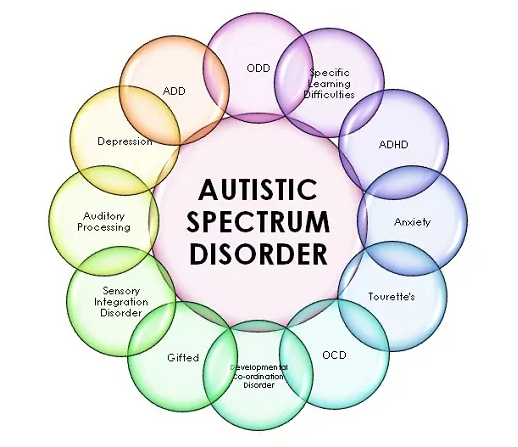
Understanding the Core Autism Symptoms
Autism is not defined by one trait but a constellation of patterns. The most recognized autism symptoms appear in three broad categories, though each child expresses them differently.
Social and Communication Autism Signs
Many of the earliest autism signs involve social connection and communication. Parents may notice:
-
reduced eye contact
-
limited response to name
-
difficulty engaging with peers
-
challenges interpreting facial expressions or gestures
-
preference for solitary play
These autism symptoms overlap strongly with the biochemical pattern of undermethylation autism, in which serotonin activity is low and internal tension is high. The child may want to connect but finds social interaction overwhelming on a neurological level.
Speech, Language, and Developmental Autism Symptoms
Speech and language delays rank among the most widely recognized autism symptoms. These may include:
-
late speech
-
unusual tone or rhythm
-
echolalia (repeating words without clear purpose)
-
difficulty sustaining conversation
-
literal interpretation of language
Oxidative stress is a major contributor here. Children with oxidative stress autism often have impaired antioxidant capacity, affecting neurodevelopment, receptive language, and processing speed. When oxidative stress is high, speech development frequently slows or becomes uneven.
Repetitive Behaviors and Sensory Autism Signs
Another hallmark of early autism signs is repetitive behavior, sameness, and sensory sensitivity:
-
hand-flapping, rocking, pacing
-
fixation on objects or parts of objects
-
rigid routines and resistance to change
-
hypersensitivity to light, sound, or textures
-
fascination with spinning movement
These patterns frequently correspond to oxidative stress autism, which heightens sensory input and reduces the ability to filter overwhelming sensations. Copper overload, elevated free copper, and glutamate excess contribute as well.
Undermethylation Autism — The Most Common Biotype
One of the strongest biochemical patterns identified in ASD is undermethylation autism, present in more than half of all individuals on the spectrum. Undermethylation affects multiple core brain functions, including serotonin production, stress regulation pathways, detoxification capacity, and the ability to adapt to change. When methylation is low, the nervous system becomes rigid, highly reactive, and easily overwhelmed — the same behavioral patterns parents often identify as early autism signs and autism symptoms.
Undermethylation contributes to predictable traits: high internal tension, strong preference for structure, difficulty shifting attention, and repetitive or ritualistic behaviors that serve as self-soothing. These are not “personality quirks.” They reflect a neurochemical imbalance in serotonin and SAMe pathways that influence emotional flexibility, sensory integration, and cognition.
What makes undermethylation autism particularly important is that it responds exceptionally well to targeted nutrient therapy — far better than to typical psychiatric medications. Stimulants, SSRIs, and mood stabilizers often worsen symptoms in undermethylated children because these drugs further unbalance serotonin and dopamine pathways that are already dysregulated. In contrast, personalized nutrient therapy supports the underlying biochemical architecture: methyl donors, zinc therapy, protein-based diets, and avoidance of synthetic folic acid help restore a child’s natural serotonin synthesis, lower internal tension, and stabilize behavior without sedation.
Parents frequently report improvements in emotional regulation, sleep, transitions, and social engagement once undermethylation is corrected — changes not typically achieved through behavioral therapy alone. This is why methylation assessment is a foundational step in a Walsh-based autism analysis.
Testing for undermethylation autism
Recommended labs:
-
whole blood histamine
-
SAM/SAH (methylation panel)
-
homocysteine
These tests reveal whether the child fits the undermethylation-dominant ASD pattern and whether nutrient therapy is likely to produce improvement.
-
serotonin production
-
emotional regulation
-
stress tolerance
-
cognitive flexibility
-
repetitive patterns (as self-soothing)
Traits commonly associated with undermethylation autism include:
-
rigidity or insistence on sameness
-
perfectionistic behavior
-
high internal tension
-
difficulty shifting attention
-
anxiety or agitation during transitions
Copper Overload Autism — Emotional Intensity, Sensory Reactivity, and Poor Stress Tolerance
Another major biochemical pattern identified in autism is copper overload, a condition in which there is too much unbound (free) copper circulating relative to ceruloplasmin, the protein that should bind and neutralize copper. This imbalance severely disrupts neurotransmitters such as dopamine and norepinephrine, increasing emotional reactivity, sensory overload, and impulsivity. Many parents who notice sudden emotional storms, panic, irritability, or sensory defensiveness in their child are witnessing the effects of elevated free copper.
Copper is essential for development, but in the right proportion. When ceruloplasmin is low, copper becomes a potent neuro-excitatory metal. Free copper intensifies stress responses, amplifies fear-based reactions, and increases the sensitivity of the auditory and sensory pathways. Children with copper overload often experience interior chaos — the world feels too loud, too bright, too unpredictable. These are frequently interpreted as behavioral issues but are actually biochemical effects that respond poorly to standard therapies.
Copper overload is especially common in ASD because undermethylation and oxidative stress autism both impair the body’s ability to regulate copper and support ceruloplasmin synthesis. Zinc deficiency — also widely present in autistic children — further worsens copper excess, since zinc and copper compete for the same transport pathways. As a result, high free copper becomes a predictable pattern in this population.
Why conventional psychiatric medications fail in copper overload
Medications commonly prescribed for autistic children — SSRIs, stimulants, antipsychotics — do not lower free copper levels. In fact:
-
SSRIs often intensify emotional volatility when copper is high because serotonin metabolism is impaired.
-
Stimulants can worsen anxiety and agitation in a copper-overloaded brain.
-
Antipsychotics may sedate but do not correct the problem, and long-term use increases metabolic stress.
This is why many families cycle through medications with only partial improvement, unpredictable reactions, or worsening behavior. The core issue — copper overload — remains unaddressed.
Why targeted nutrient therapy is more effective
Copper overload autism responds exceptionally well to a structured nutrient protocol that includes:
-
Zinc therapy — the strongest clinical tool for lowering free copper
-
Vitamin C, selenium, and glutathione supports — reducing oxidative stress generated by excess copper
-
Ceruloplasmin support nutrients (vitamin A, copper rebalancing, protein-based diets)
-
Avoidance of synthetic folic acid in undermethylators
-
Improvement of metallothionein function, which helps detoxify excess metals
Parents often report dramatic improvements once free copper decreases: calmer mood, fewer meltdowns, improved eye contact, less panic, better sleep, and enhanced focus.
Clinical behaviors frequently associated with copper overload autism
-
Sudden emotional outbursts without clear external trigger
-
High irritability or agitation during noise, transitions, or crowds
-
Panic or fear-based behavior
-
Sensory oversensitivity (especially auditory)
-
Hyperactivity alternating with emotional collapse
-
Cyclical mood swings
-
Poor tolerance to stimulants or SSRIs
These patterns represent a neurochemical imbalance — not behavioral stubbornness or lack of discipline.
Testing for Copper Overload Autism
The most useful labs include:
-
Serum copper
-
Ceruloplasmin
-
Serum zinc
-
Free copper calculation (copper – 3 × ceruloplasmin)
This calculation is the most accurate predictor of copper-related neurological symptoms.
A child may have “normal copper” on standard lab ranges yet still have very high free copper, because the ceruloplasmin binding capacity is low. This creates a biochemical imbalance missed by most pediatric and psychiatric evaluations.
Oxidative Stress Autism — Low Antioxidant Capacity and Mitochondrial Strain
A second major biotype is oxidative stress autism, a state in which the child’s antioxidant and detoxification systems are overwhelmed. This pattern is extremely common in ASD and is strongly associated with developmental delay, sensory overload, immune activation, gastrointestinal inflammation, and post-illness behavioral regression. Children with oxidative stress autism often consume more glutathione than their bodies can produce, leaving the brain vulnerable to free-radical injury and environmental stress.
Oxidative stress impacts mitochondrial energy production — the engine of the developing brain. When mitochondria struggle to produce ATP efficiently, the child experiences slower processing speed, difficulty with motor planning, sensory defensiveness, and fatigue after mental or emotional effort. These are highly recognizable autism symptoms, but in this biotype, they stem directly from impaired cellular metabolism.
Conventional psychiatry does not evaluate oxidative stress. Mood-altering drugs such as SSRIs, benzodiazepines, or antipsychotics do nothing to improve glutathione status, mitochondrial function, or detoxification. In fact, some medications may increase oxidative stress. Behavioral therapy also fails to address the biological cause: a child cannot “train out” sensory overload or emotional volatility when their antioxidant systems are depleted.
This is why targeted nutrient therapy is uniquely effective for oxidative stress autism. Nutrients like NAC, glutathione, selenium, vitamin C, vitamin E, and mitochondrial support compounds directly replenish the biochemical pathways that fuel neurological development. When oxidative stress is corrected, it’s common for parents to notice improved language, better tolerance of noise or touch, fewer meltdowns, more stable mood, and better sleep — improvements that occur because the child’s brain is finally able to regulate itself.
Correcting oxidative stress also increases resilience to environmental triggers. Children who previously regressed after illness, immune activation, or emotional stress often regain stability once glutathione levels rise.
Testing for oxidative stress autism
Recommended labs:
-
Organic acids test
-
Glutathione
-
Cysteine / sulfur amino acids
-
Antioxidant markers
Identifying oxidative stress early gives parents a roadmap for addressing root causes rather than managing symptoms.
Understanding the Root Causes: How These Biotypes Interact in Autism
Most parents assume autism is caused by a single factor — genetics, environment, diet, or stress. But in clinical practice, autism emerges when multiple biochemical vulnerabilities interact, especially undermethylation, copper overload, and oxidative stress. These biotypes are not independent conditions. They feed into one another, amplifying emotional reactivity, sensory overload, and developmental strain.
Below is a clearer explanation of how these factors combine to create recognizable autism signs and autism symptoms.
1. Inherent Undermethylation Sets the Biochemical Foundation
Many autistic children are born with a methylation imbalance, a trait inherited across generations. This doesn’t cause autism by itself — but it creates a metabolic environment in which the developing brain becomes:
-
more sensitive to stress
-
slower to regulate serotonin
-
more rigid in emotional and cognitive patterns
-
more vulnerable to inflammation and immune activation
Undermethylation also reduces the ability to neutralize excess copper and manage oxidative stress, making both of those patterns far more likely to occur.
In other words:
undermethylation is the soil; the other biotypes grow from it.
2. Copper Overload Intensifies Emotional and Sensory Reactivity
Because undermethylation reduces the body’s ability to produce ceruloplasmin, copper easily becomes unbound (free copper). As free copper rises:
-
norepinephrine spikes
-
dopamine destabilizes
-
stress responses surge
-
sensory pathways become hyperreactive
This is why copper overload so often shows up as:
-
sudden meltdowns
-
panic with noise
-
emotional storms
-
extreme sensitivity to change
-
ADHD-like hyperreactivity
And importantly — copper overload directly increases oxidative stress, making it one of the most influential biotypes in ASD.
Copper is not the whole cause, but it is often the first and most effective point of intervention.
3. Oxidative Stress Is the Bottleneck in Development
Multiple studies show that autistic children have chronically low antioxidant capacity, especially glutathione. Oxidative stress does not occur randomly — it is driven upward by:
-
undermethylation
-
copper overload
-
immune activation
-
high sugar diets
-
nutrient deficiencies
-
sleep disruption
-
physical or emotional stress
-
environmental exposures
When antioxidants are low, the brain cannot:
-
regulate sensory input
-
maintain mitochondrial energy
-
detoxify inflammatory byproducts
-
stabilize mood or attention
-
manage stress hormones
This creates a vulnerability window — a period in which developmental timing can be disrupted by ordinary childhood stressors.
Correcting oxidative stress is often the turning point where improvements in language, mood, sleep, sensory tolerance, and emotional stability finally begin to appear.
How These Biotypes Work Together
A simplified view:
Undermethylation → low ceruloplasmin → copper overload → oxidative stress → developmental strain and ASD traits
These biotypes form a self-reinforcing cycle:
-
Undermethylation increases free copper
-
Free copper amplifies oxidative stress
-
Oxidative stress intensifies undermethylation symptoms
-
All three disrupt neurotransmitters, sensory pathways, and emotional regulation
This is why autism cannot be understood through behavior alone.
And it’s why behavior-only treatments cannot correct the underlying problem.
Why Nutrient-Based Biotype Therapy Works Better Than Symptom-Targeted Approaches
Traditional autism treatments — behavioral therapy, psychiatric medication, speech therapy — focus on the symptoms of autism rather than the causes. While these modalities are valuable, they do not correct the biochemical patterns driving the child’s difficulty.
Targeted nutrient therapy works because it restores the actual systems that regulate:
-
serotonin and dopamine
-
glutathione and antioxidant capacity
-
mitochondrial energy
-
ceruloplasmin and copper regulation
-
stress hormones
-
immune balance
-
sensory filtering
-
cognitive flexibility
And unlike medications, nutrients do not override or suppress the brain —
they repair it.
Once the underlying biotypes improve, parents frequently report:
-
calmer mood
-
fewer meltdowns
-
increased eye contact
-
reduced sensory defensiveness
-
better sleep
-
improved speech
-
more flexible thinking
-
stronger social engagement
These are outcomes that drug-based approaches, by themselves, rarely accomplish.
How to Begin Testing for Biochemical Patterns in Autism
Parents who notice consistent autism signs can obtain clearer answers through targeted laboratory testing.
For undermethylation autism
-
Whole blood histamine
-
SAM/SAH methylation panel
-
Methionine levels
For oxidative stress autism
-
Organic acids test
-
Glutathione
-
Cysteine
-
Antioxidant markers
For copper overload
-
Copper
-
Zinc
-
Ceruloplasmin
-
Free copper ratio
These labs help identify whether undermethylation autism or oxidative stress autism is contributing to the child’s autism symptoms.
Does This Sound Like Your Child?
A Biotype Evaluation Can Give You Clear Answers
If you are recognizing these patterns — emotional storms, sensory overload, rigid routines, developmental delays, or inconsistent gains with therapy — your child may fit one or more of the core biotypes common in autism: undermethylation, copper overload, or oxidative stress. These are not abstract concepts. They are measurable, correctable imbalances that directly influence the brain’s ability to regulate mood, language, behavior, and sensory input.
For many families, understanding these biotypes is the moment things finally begin to make sense.
Most parents who seek testing tell us the same thing:
“I’m not looking for another label — I’m looking for what I can actually do to help.”
A biotype-guided approach gives you:
-
A clear explanation for why your child behaves the way they do
-
Objective laboratory markers to confirm underlying imbalances
-
A targeted plan using nutrients that support healthy neurodevelopment
-
The possibility of real, sustained improvement — not symptom suppression
This is a highly individualized, non-drug therapeutic model built on more than 30 years of clinical research and more than 30,000 evaluated patients.
Step 1 — Get the Right Testing
A targeted panel can identify whether your child fits:
-
Undermethylation Biotype
-
Copper Overload / Low Ceruloplasmin
-
Oxidative Stress & Low Glutathione
This testing is available through my practice and can be ordered directly.
Step 2 — Schedule a Free Introductory Consultation
If you’re not sure where to begin, or want to understand how biotype-based treatment works, I offer a brief consultation to help you decide whether this approach is appropriate for your child.
Step 3 — Continue Learning About Your Child’s Biotype
If you prefer to read more before deciding, below are the next high-value pages
This educational pathway is designed to help parents understand the science behind the behaviors — and why a biochemical approach often produces improvements long after traditional therapy has plateaued.
Thanks for sharing