
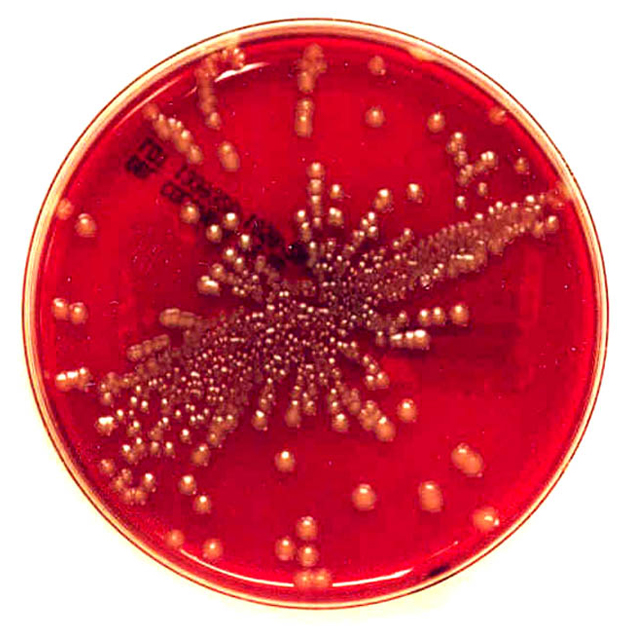
Urine Culture –
A urine culture is a laboratory test used to detect and identify bacterial growth in the urinary tract. It helps determine whether urinary symptoms are due to an infection and, when positive, guides appropriate treatment.
What this test evaluates
-
Presence of bacteria in the urine
-
Type of organism causing infection (if present)
-
Degree of bacterial growth (significant vs contamination)
Why a urine culture is ordered
-
Burning or pain with urination
-
Urinary frequency, urgency, or nocturia
-
Cloudy or foul-smelling urine
-
Pelvic or lower abdominal discomfort
-
Recurrent or persistent urinary symptoms
-
Incomplete response to prior antibiotics
-
Screening in patients with complex medical histories
How it differs from a urinalysis
-
A urinalysis looks for indirect signs of infection (white blood cells, nitrites, blood)
-
A urine culture directly grows and identifies bacteria, making it the definitive test for infection
What results may show
-
No growth: infection unlikely
-
Mixed or low-level growth: possible contamination
-
Significant growth of a single organism: consistent with urinary tract infection (UTI)
If a pathogen is identified, the ordering clinician may add antibiotic susceptibility testing (reported separately) to determine which medications are most effective.
Specimen requirements
-
Clean-catch midstream urine sample
-
No special preparation unless instructed
-
Best collected before starting antibiotics when possible
Important notes
-
Recent antibiotic use may suppress bacterial growth
-
Proper collection technique is important to avoid contamination
After ordering, you will receive a LabCorp requisition with instructions for specimen collection at a participating laboratory.
This test is commonly used as part of an evaluation for urinary symptoms, recurrent infections, or unexplained urinary changes.