
Ozone Therapy at Home: Safety, Ozone Generator, Rectal Insufflation & Physician References
This page is for patients who have been advised to review home ozone therapy equipment, rectal insufflation safety, oxygen source requirements, and ozone-compatible supplies. It also includes physician references from Dr. Frank Shallenberger and Dr. Robert Rowen, plus an SOP Lyme disease article for patients researching ozone therapy in relation to chronic infection burden.
Important Safety Warning
Ozone gas must not be inhaled. Ozone can irritate or injure the lungs and airways. Never breathe directly from an ozone generator, syringe, tubing, catheter, bag, or ozone output. Use ozone equipment only in a well-ventilated area and keep ozone output away from the face.
This page does not provide instructions for IV ozone, ozone injections, blood ozone treatments, nebulized ozone, breathing ozone, ophthalmic use, ear use, nasal use, or non-extremity ozone applications. Those routes require separate medical evaluation and separate written instructions.
What This Page Covers
Oxygen source
What type of oxygen source is appropriate for home ozone equipment.
Supplies
Ozone-compatible syringe, silicone catheter, tubing, and regulator considerations.
Safety boundaries
Clear warnings about inhalation, IV use, injections, and unsupported routes.
Videos and references
Instructional videos plus Shallenberger, Rowen, and Lyme disease ozone references.
Why patients use ozone therapy at home
Home ozone therapy is usually discussed as a redox-support tool, not as a stand-alone cure. In SOP patients, ozone is most often considered in relation to gut dysbiosis, rectal insufflation, biofilm burden, chronic infection burden, inflammation, oxidative stress, glutathione response, mitochondrial function, and detoxification tolerance.

Physician references: Shallenberger, Rowen and Lyme disease
Patients frequently ask about Dr. Frank Shallenberger, Dr. Robert Rowen, ozone therapy for chronic infections, and whether ozone fits into a broader Lyme disease or toxic burden strategy. These links are provided as educational references. They do not replace individual medical advice, and they do not authorize IV ozone, injections, blood ozone, or any route not personally recommended for the patient.
Dr. Frank Shallenberger and ozone therapy
Dr. Frank Shallenberger is commonly associated with ozone therapy education, mitochondrial oxygen utilization, Prolozone, and physician training. This reference helps patients understand why his name comes up in ozone therapy discussions.
Read Shallenberger PageDr. Robert Rowen and ozone therapy
Dr. Robert Rowen is a well-known physician advocate for ozone therapy, particularly in discussions of infections, immune burden, and clinical ozone applications. This reference is useful for patients comparing physician perspectives.
Read Rowen PageOzone, Lyme disease and chronic infection burden
SOP patients researching Lyme disease often also ask about biofilms, chronic infection burden, neurologic symptoms, immune activation, and whether ozone belongs in a broader treatment strategy.
Read Lyme Disease ArticleOzone generator option through Biotype Nutrients
Patients who have been advised to review home ozone equipment may need an ozone generator intended for ozone applications. Biotype Nutrients offers the Synergy Ozone WPS 120 ozone generator. Review safety instructions first, including oxygen source, regulator, tubing, syringe, catheter, ventilation, and the warning that ozone gas must never be inhaled.
Equipment is not a treatment plan
Purchasing an ozone generator does not determine whether ozone therapy is appropriate for you. Home ozone use should follow patient-specific guidance regarding route, volume, concentration, oxygen flow, frequency, and stop criteria.
Oxygen Source Requirement
For rectal or vaginal insufflation, and for any internal, mucosal, respiratory, ear, nasal, ophthalmic, injection, IV, or blood-related route, patients should use medical-grade or appropriate high-purity oxygen intended for ozone equipment.
Do not use industrial, welding, aviation, food-grade, or non-medical oxygen for rectal insufflation, vaginal insufflation, inhalation, IV therapy, injections, ear, nasal, ophthalmic, or any internal or mucosal route.
External extremity ozone bagging is a separate protocol
Instructions for external wound or extremity bagging should not be assumed to apply to rectal, vaginal, respiratory, IV, injection, ear, nasal, ophthalmic, or other internal ozone routes.
Suggested Oxygen Source and Ozone-Compatible Supplies
The following links are provided for convenience. Product availability, pricing, package contents, and specifications may change. Confirm the product description and compatibility before ordering.
Synergy Ozone WPS 120 Ozone Generator
Ozone generator option available through Biotype Nutrients. Review oxygen source, ozone-compatible accessories, and safety instructions before using.
Important: ozone gas must never be inhaled. Equipment should be used only for the route and frequency recommended for the individual patient.
View Ozone GeneratorO2Ready Prefilled Oxygen Tanks
Prefilled high-purity oxygen tanks intended for ozone equipment. First-time users should add the O2Ready low-flow regulator unless they already own the correct O2Ready regulator.
Important: O2Ready tanks use their own regulator system. Do not assume a standard CGA 870 or CGA 540 regulator will fit.
View O2Ready Tanks200 ml Ozone Syringe
Ozone-compatible 200 ml syringe with Luer lock connection and silicone plunger. This is commonly used for insufflation protocols when prescribed.
Do not substitute ordinary syringes unless they are specifically labeled ozone-compatible.
View 200 ml SyringeSilicone Luer Lock Catheters
Ozone-compatible silicone catheters for insufflation use. Replace catheters if they become stiff, cracked, sticky, discolored, contaminated, or damaged.
View CathetersRegulator and Tank Connection Notes
O2Ready tanks
O2Ready tanks require the O2Ready-specific low-flow regulator. Do not assume other regulators will fit.
Medical oxygen tanks
Small portable medical oxygen tanks often use a CGA 870 yoke/post-valve regulator. Larger medical oxygen tanks often use a CGA 540 threaded regulator.
Do not force or adapt the wrong regulator
The oxygen regulator must match the oxygen tank valve. Do not force a regulator onto a tank and do not use improvised adapters to make the wrong regulator fit. Low-flow control matters because many standard 0–15 LPM regulators are too coarse for ozone equipment.
Ozone-Compatible Equipment Checklist
- Appropriate oxygen source for ozone equipment
- Correct low-flow regulator for the oxygen tank
- Ozone generator intended for ozone applications
- Standard oxygen tubing from regulator to generator oxygen inlet
- Ozone-compatible silicone tubing from generator output
- Ozone-compatible 200 ml syringe with silicone plunger
- Ozone-compatible silicone catheter for prescribed route
- Water-based lubricant, if needed
- Well-ventilated treatment area
Instructional Ozone Therapy Videos
Watch these ozone therapy safety and setup videos before using ozone equipment. These videos are provided for general education only and do not replace patient-specific instructions from Dr. Epstein regarding route, dose, oxygen source, volume, frequency, or equipment.
Intro to Ozone Therapy
Start here for a general introduction to ozone therapy concepts, basic equipment, and home-use precautions.
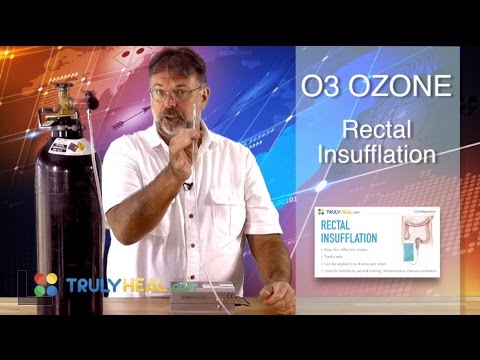
How to Use Ozone at Home
Practical home ozone overview, including equipment concepts and safety considerations.

Ozone Water — Free Ozone Training
Truly Heal video discussing ozone water and common home ozone therapy applications.

The Danger in Using Ozone
Safety-focused video explaining why ozone must be handled carefully and why inhalation exposure should be avoided.
Additional Truly Heal Ozone Videos
For more general ozone therapy education, patients may review additional videos from the Truly Heal YouTube channel. These videos are educational only and should not be used to change the route, dose, frequency, or equipment instructions provided by the office.
For Patients Prescribed Rectal or Vaginal Insufflation
Use only as personally instructed
Rectal or vaginal insufflation should be performed only if it was specifically recommended for you. Use only the route, volume, concentration, oxygen flow rate, and frequency recommended by the office. Do not increase dose or frequency on your own.
Rectal insufflation safety
- Use only an ozone-compatible syringe and silicone catheter.
- Apply water-based lubricant if needed.
- Insert gently. Do not force the catheter.
- Deliver the gas slowly and stop if discomfort occurs.
- Stop for pain, bleeding, severe cramping, dizziness, coughing, chest tightness, or shortness of breath.
Vaginal insufflation safety
- Use only if specifically recommended for vaginal use.
- Use ozone-compatible tubing or catheter supplies.
- Insert gently. Do not force the catheter or tubing.
- Do not use during pregnancy, active bleeding, pelvic infection, or immediately after gynecologic surgery unless specifically cleared.
- Stop for pelvic pain, burning, bleeding, unusual discharge, dizziness, coughing, chest tightness, or shortness of breath.
General Safety Precautions
Do not inhale ozone
Never breathe ozone directly. Keep tubing, syringes, catheters, bags, and generator output away from the face. Use only in a well-ventilated area.
Use only the prescribed route
Do not change from rectal to vaginal, vaginal to rectal, or any other route without medical direction.
Not for IV or injection therapy
This home setup is not for IV ozone, ozone injections, major autohemotherapy, blood treatments, or any blood-based procedure.
Do not change dose on your own
Use only the ozone concentration, oxygen flow rate, gas volume, and frequency recommended by the office.
Oxygen fire safety
Oxygen supports combustion. Keep oxygen away from flames, smoking materials, candles, heating elements, petroleum products, oils, grease, children, and pets. Store tanks upright and protected from falling.
Do Not Use Without Medical Clearance If You Have
- Pregnancy or possible pregnancy
- Active rectal or vaginal bleeding
- Recent pelvic, vaginal, rectal, intestinal, or abdominal surgery
- Active inflammatory bowel disease flare
- Severe hemorrhoids or fissures
- Pelvic infection, vaginal infection, or unexplained pelvic pain
- Recent childbirth unless cleared
- Severe lung disease or uncontrolled asthma
- Unstable heart disease or unstable medical condition
- Immunocompromised state or active serious infection
Stop Treatment and Contact the Office If You Develop
Stop and call the office
- Coughing, chest tightness, shortness of breath, or wheezing
- Dizziness, faintness, or unusual weakness
- Rectal or vaginal bleeding
- Severe cramping, pelvic pain, or abdominal pain
- Burning, rash, fever, or unusual discharge
- Any reaction that feels unusual or concerning
Seek urgent care
- Chest pain
- Trouble breathing
- Fainting
- Heavy bleeding
- Severe abdominal or pelvic pain
- Severe allergic-type symptoms
Routes Not Covered by This Page
This page does not teach or authorize inhalation, nebulized ozone, IV ozone, ozone injections, blood ozone treatments, ophthalmic or eye use, ear use, nasal use, non-extremity ozone applications, or any route not specifically prescribed.
Frequently Asked Questions
Can I use an Airgas or industrial oxygen tank?
Do not use industrial, welding, aviation, food-grade, or non-medical oxygen for rectal insufflation, vaginal insufflation, inhalation, IV therapy, injections, ear, nasal, ophthalmic, or any internal or mucosal route.
Can I use standard tubing or a standard syringe?
No. Use ozone-compatible materials in the ozone gas pathway. Standard rubber or non-ozone-rated plastic may degrade when exposed to ozone.
Can I breathe ozone?
No. Ozone gas should not be inhaled. Keep all ozone output away from the face and use equipment in a well-ventilated area.
Where can I purchase an ozone generator?
Biotype Nutrients offers the Synergy Ozone WPS 120 ozone generator. Patients should review home ozone safety instructions before purchasing or using any ozone generator. View the ozone generator here.
Why are Dr. Frank Shallenberger and Dr. Robert Rowen referenced?
Dr. Frank Shallenberger and Dr. Robert Rowen are frequently referenced in integrative ozone therapy education. Their pages are included as educational references for patients who want physician perspectives on ozone therapy, mitochondria, infections, and clinical ozone use.
Does the Lyme disease article mean ozone treats Lyme disease?
No. The Lyme disease article is included because patients researching ozone therapy often also research biofilms, chronic infection burden, neurologic symptoms, and immune activation. Ozone therapy should not be viewed as a stand-alone Lyme treatment.
Does this page explain IV ozone?
No. This page does not provide instructions for IV ozone, ozone injections, blood ozone treatments, or any blood-related ozone procedure.
Is external wound or extremity bagging the same as rectal or vaginal insufflation?
No. External extremity bagging is a separate protocol. Instructions for external bagging should not be applied to internal, mucosal, respiratory, IV, injection, ear, nasal, ophthalmic, or blood-related ozone routes.