
Understanding the Methylation Test: How to Identify Undermethylation and Biochemical Imbalances
Many people learn about the methylation cycle through MTHFR genetics or whole blood histamine, but still struggle to understand what their results mean—and what to do next. A methylation test that measures biochemistry, not just genes, provides the clearest picture of how the methylation cycle is functioning in real time.
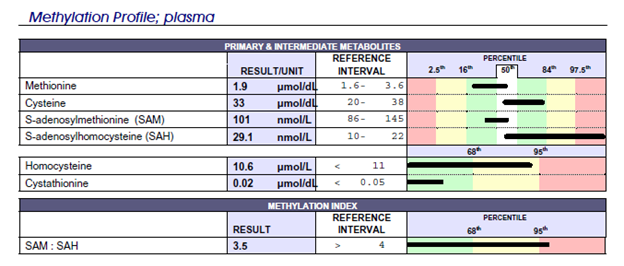
This post explains why traditional testing is often incomplete, why undermethylation requires more than folate-focused advice, and how plasma markers such as SAM, SAH, and methionine reveal patterns that drive mood, cognition, inflammation, and detoxification.
Why a Methylation Test Should Measure Chemistry, Not Just Genes
Most people arrive at methylation questions because of symptoms: anxiety, OCD traits, depression, irritability, inflammation, poor detoxification, or chronic fatigue. Others are told they have an MTHFR mutation but are given no practical guidance.
While genetic information can be helpful, genes do not tell you what is happening right now. A true methylation blood test evaluates the actual metabolic activity behind neurotransmitter synthesis, glutathione production, and SAM-dependent methylation reactions.
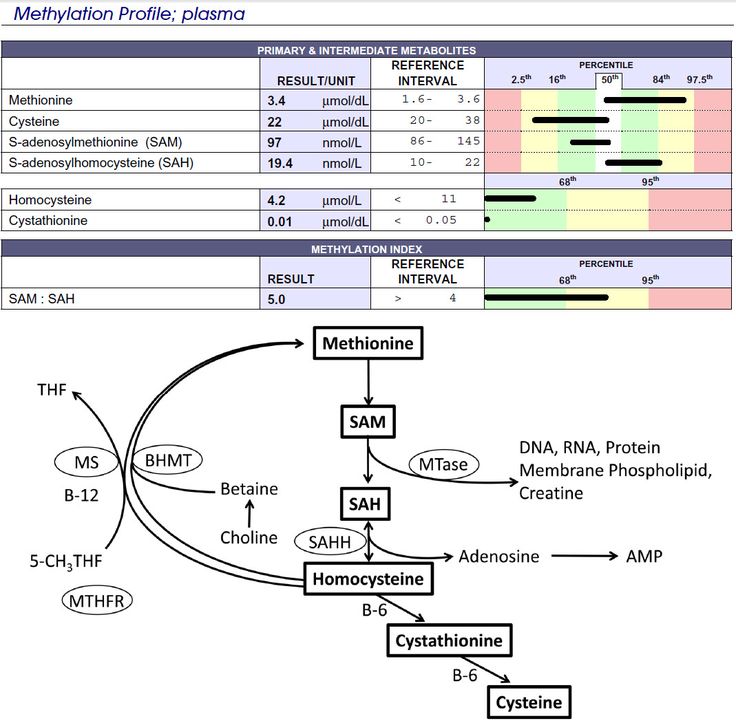
The Doctor’s Data Plasma Methylation Panel is a biochemical assessment designed to evaluate:
-
Methionine (the methylation substrate)
-
SAM (the primary methyl donor)
-
SAH (a potent methylation inhibitor)
-
Homocysteine
-
Cystathionine
-
Cysteine
-
The SAM:SAH ratio
These markers reveal the functional status of the pathway better than any genetic test can.
Signs You May Need an Undermethylation Test
People frequently search for an undermethylation test because symptoms and labs don’t fully align. Whole blood histamine may be elevated, or an MTHFR result may suggest risk for methylation problems, but neither of these confirm how well the pathway is working.
Functional signs that may suggest undermethylation or impaired methylation efficiency include:
-
High internal tension
-
Perfectionism, rumination, or OCD traits
-
Chronic anxiety
-
Low serotonin or low motivation
-
Poor response to SSRIs
-
Sensitivity to folate or methyl donors
-
Increased inflammation
-
Elevated homocysteine with normal or low B-vitamin status
A methylation test that measures SAM, SAH, and homocysteine helps clarify the exact biochemical pattern.
How to Test for Undermethylation: The Markers That Matter
Many patients ask how to test for undermethylation in a reliable way. The answer is: look at metabolite flow through the methylation cycle.
Here’s what the key markers show:
1. Low SAM + Low Methionine → Classical Undermethylation
This reflects low methylation capacity and reduced production of neurotransmitters such as serotonin, dopamine, and norepinephrine.
Treatment often focuses on:
-
Methionine
-
SAMe (when oxidative stress is controlled)
-
Zinc and magnesium
-
B6/P5P
-
Avoiding folate-heavy protocols that worsen symptoms in this biotype
2. High Homocysteine + High SAH → Methylation Congestion
This is one of the most important distinctions in a methylation test.
High SAH inhibits methylation reactions more strongly than low SAM ever could.
Standard labs often call SAH “normal,” but Walsh-trained clinicians consider the SAM:SAH ratio a key determinant of methylation efficiency.
If methylation is congested, the correct strategy is to:
-
Support SAH clearance
-
Reduce oxidative stress
-
Use magnesium, zinc, and B6
-
Avoid aggressive methyl donors
This pattern is common in patients with inflammation or mitochondrial impairment.
3. Low Cystathionine → Impaired Transsulfuration
This affects homocysteine methylation because homocysteine cannot efficiently convert toward glutathione.
Treatment may include:
-
B6/P5P
-
NAC, glycine, serine
-
Sulfur-rich foods
-
Mitochondrial support to reduce oxidative load
This is one of the reasons homocysteine may remain elevated despite “normal” genetics or B-vitamin levels.
Why Homocysteine Methylation Is Central to Interpretation
Homocysteine is often misunderstood as simply a heart risk marker.
In reality, homocysteine methylation is one of the best indicators of:
-
Detoxification capacity
-
Glutathione production
-
Oxidative stress
-
Cognitive function
-
Mitochondrial efficiency
A proper methylation blood test clarifies whether homocysteine is:
-
Too high because of SAH buildup
-
Too low because it cannot convert to cystathionine
-
Disproportionate to SAM (signaling blocked methylation)
Understanding these relationships prevents ineffective supplement strategies and ensures that treatment matches biochemistry, not generic protocols.
Why Interpretation by a Walsh-Trained Physician Matters
Methylation patterns are nuanced.
Standard reference ranges do not reflect optimal function, and treatment must be tailored to the individual’s biotype and symptom pattern.
A Walsh-trained physician considers:
-
Zinc/copper ratio
-
Neurotransmitter tendencies
-
Sensitivity to folate
-
Oxidative stress load
-
Inflammatory markers
-
Medication interactions
-
Genetic tendencies without being limited by them
A proper methylation test provides the biochemical map.
Expert interpretation provides the correct therapeutic route.
When a Methylation Blood Test Makes Sense
A methylation panel is recommended for:
-
Individuals previously diagnosed with undermethylation
-
Those with confusing MTHFR results
-
Patients whose symptoms don’t improve with standard functional medicine protocols
-
Anyone wanting to confirm where methylation is blocked
-
People needing a non-genetic, actionable assessment
-
Patients experiencing high homocysteine or oxidative stress with no clear cause
If you’re trying to understand how to test for undermethylation, this panel is the most accurate tool available.
Summary: Who Benefits Most from a Methylation Test
A methylation test offers clarity when symptoms are confusing, histamine levels are inconclusive, or genetic testing alone doesn’t provide direction. By measuring SAM, SAH, methionine, homocysteine, cystathionine, and the SAM:SAH ratio, patients and clinicians get a real-time picture of methylation efficiency and treatment priorities.
For individuals wondering whether they are undermethylated, struggling with elevated homocysteine, or seeking targeted nutrient therapy, a methylation blood test provides actionable insight that supports a precise and individualized approach.