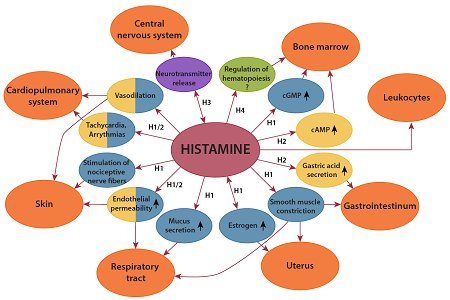
Description
Whole Blood Histamine Test
A Functional Marker of Methylation Balance in Mood, Behavior, and Brain Health
Whole blood histamine is one of the most reliable functional markers for assessing methylation balance in mental health. Unlike genetic SNP testing (such as MTHFR), which only suggests theoretical tendencies, whole blood histamine reflects real-time methylation activity in the body.
This test is a cornerstone of the Walsh Approach and is commonly used when symptoms such as depression, anxiety, OCD traits, emotional rigidity, or paradoxical reactions to supplements and medications do not respond as expected.
What This Test Helps Clarify
Whole blood histamine helps determine whether symptoms may be driven by undermethylation or overmethylation, two biochemical patterns that respond very differently to nutrients and medications.
This test may be helpful if you or your patient experience:
-
Chronic or treatment-resistant depression
-
Anxiety with inner tension or rumination
-
OCD-like thinking or behavioral rigidity
-
Poor or paradoxical response to SSRIs or supplements
-
Sensitivity to methylfolate, SAMe, or B-vitamins
-
Sleep disturbance with mental overactivation
This test does not diagnose psychiatric conditions. It provides biochemical context that can guide more appropriate treatment decisions.
Why Whole Blood Histamine — Not Genetic Testing
Genetic SNP panels (including MTHFR testing):
-
Do not measure current methylation function
-
Do not identify overmethylation
-
Do not account for opposing genetic influences
-
Do not predict how the brain will respond to nutrients
Whole blood histamine, by contrast, reflects global methylation activity as it exists now, influenced by diet, stress, medications, inflammation, and nutrient status.
This is why Walsh-trained practitioners rely on functional biochemical markers, not genetics alone, when treating mental health conditions.
How Whole Blood Histamine Reflects Methylation Status
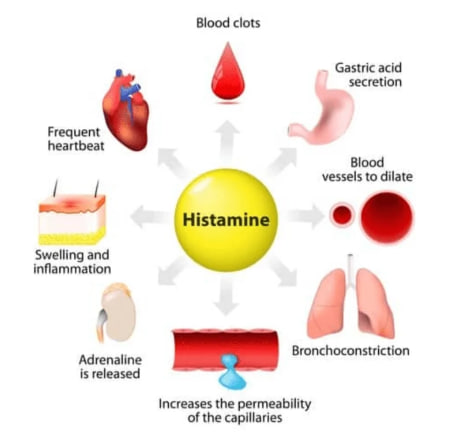
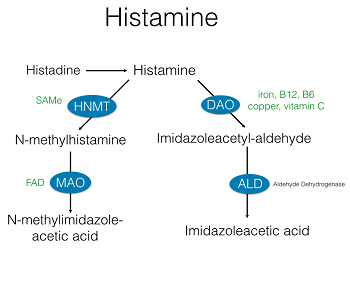
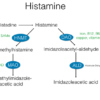
Histamine is degraded in the body by the enzyme histamine-N-methyltransferase (HNMT), which requires SAMe as a methyl donor.
-
Higher histamine levels often correlate with undermethylation
-
Lower histamine levels often correlate with overmethylation
Interpretation is never based on numbers alone — symptom patterns and medication effects must be considered.
Important Notes on Interpretation (Walsh Approach)
Functional ranges differ from standard lab reference ranges.
In general:
-
Elevated whole blood histamine may suggest undermethylation when symptoms correlate
-
Low whole blood histamine may suggest overmethylation when symptoms correlate
Medications matter.
Many antidepressants and psychiatric medications have antihistamine effects that can influence results. This does not invalidate the test, but it must be accounted for during interpretation.
This is why professional review is essential.
Optional Physician Guidance (Recommended)
Dr. Dave offers a 10-minute physician consultation ($50) when this test is ordered.
During this call, he will:
-
Review your whole blood histamine result
-
Explain what it suggests about methylation balance
-
Discuss how medications or supplements may affect interpretation
-
Outline general next-step strategies consistent with the Walsh Approach
This is educational guidance, not a diagnosis or full treatment plan.
Why This Test Is Often Used Before Treatment Changes
Treating methylation incorrectly can worsen symptoms.
For example:
-
Some undermethylated individuals worsen with folic acid or methylfolate
-
Some overmethylated individuals worsen with methyl donors
-
Antidepressant responses may differ dramatically by methylation status
Knowing methylation balance before adding or removing supplements can prevent months or years of ineffective or harmful trial-and-error.
Who This Test Is For
-
Individuals with mood or behavioral symptoms seeking biochemical clarity
-
Patients confused by MTHFR results or methylation supplements
-
Practitioners using Walsh-informed nutrient psychiatry principles
Who This Test Is Not For
-
Those seeking a psychiatric diagnosis
-
Emergency mental health situations
-
Individuals unwilling to consider symptom context in interpretation
Historical Context (Why This Marker Matters)
Early work by Dr. Carl Pfeiffer and later expanded by Dr. William Walsh identified distinct biochemical patterns related to histamine balance and mental health. Over time, elevated histamine (undermethylation) has become increasingly common in chronic depression and certain behavioral profiles.
Whole blood histamine remains one of the simplest and most informative entry points into understanding these patterns.
What Happens After You Order
-
Lab requisition with instructions regarding preparation are provided
-
Blood is drawn through your nearest Lab Corp
-
Results are returned
-
Optional physician guidance helps interpret findings in context
Once Test is Complete:
Whole blood histamine is not a diagnostic test. It is a functional marker used to assess methylation balance in context with symptoms and treatment response.
When whole blood histamine is elevated and symptoms align with mood or behavioral patterns characteristic of undermethylation, follow-up testing—with the Doctor’s Data methylation panelDoctor’s Data Methylation Test | Plasma SAM, SAH & Homocysteine Panel—is the appropriate next step to further evaluate SAM, SAH, and methionine dynamics to determine best plan for nutrient therapy.
When mental health treatment isn’t working as expected, unrecognized methylation imbalance is often a contributing factor.
Additional information
| Histamine Test | Test Only, Test plus 10 Minute Phone Consult |
|---|