
Vitamin B12 and Folate
$54.00
CPT# 82607, 82746
Vitamin B12 and Folate (Serum)
What this test evaluates
This test measures circulating vitamin B12 and folate, two essential nutrients required for:
-
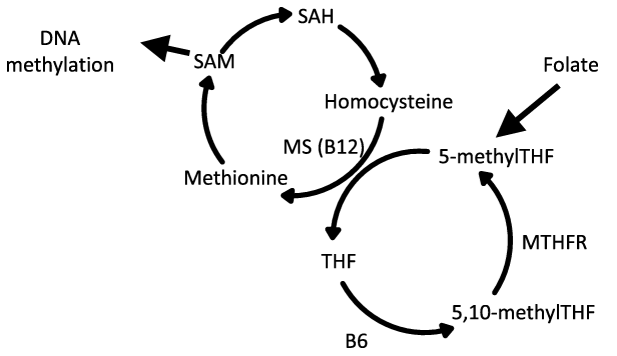
Methylation function
-
Homocysteine metabolism
-
Red blood cell formation
-
Neurologic and nerve health
When this test is useful
This test is recommended when there is concern for:
-
Elevated or borderline homocysteine
-
Macrocytosis (elevated MCV) with or without anemia
-
Neuropathy, tingling, numbness, or fatigue
-
Poor response or sensitivity to methylated B-vitamin supplements
-
Conflicting or unclear results from genetic methylation testing (e.g., MTHFR)
How results are interpreted
-
Low B12 or folate may indicate a true deficiency contributing to anemia, neuropathy, fatigue, or cognitive symptoms.
-
Normal or high levels do not always rule out methylation impairment, but help determine whether symptoms are due to deficiency versus impaired utilization or clearance.
-
Normal homocysteine with macrocytosis may suggest a functional block in methylation rather than vitamin shortage.
-
High folate with symptoms may indicate intolerance or inappropriate supplementation in certain biochemical patterns.
Why this test matters in methylation assessment
Genetic tests identify potential enzyme variants but do not show how the pathway is functioning in real time.
Vitamin B12 and folate levels help determine whether methylation issues are driven by:
-
Nutrient deficiency
-
Supplement excess or intolerance
-
Functional blocks downstream (e.g., SAH accumulation, impaired clearance)
-
Non-nutrient factors such as kidney, liver, or inflammatory stress
Commonly ordered with
-
Homocysteine
-
Methylmalonic Acid (MMA)
-
Complete Blood Count (CBC)
-
Comprehensive Methylation Panel (if indicated)
Clinical note
Results should always be interpreted in context of symptoms, red blood cell indices, homocysteine levels, and current supplementation.