

Description
Free & Total Testosterone Test
Assess Hormone Status, Energy, Mood & Healthy Aging
Testosterone plays a central role in energy, motivation, muscle mass, bone strength, metabolic health, libido, and emotional resilience—particularly in men as they age. This lab measures both Total Testosterone and Free Testosterone, providing a more complete picture of biologically available hormone activity.
Labcorp Testosterone Free + Total
-
Labcorp Order Code: 070195 — Testosterone, Free + Total (LC-MS-MS)
This test measures both Free Testosterone (the biologically active fraction) and Total Testosterone in serum, typically using LC-MS/MS methodology.
Why Order a Testosterone Test?
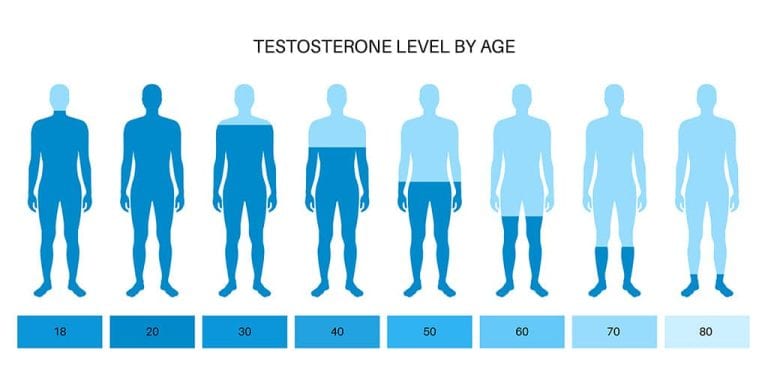
Testosterone levels naturally decline with age, but symptoms can appear years before levels fall outside standard reference ranges. Measuring testosterone helps identify whether symptoms such as fatigue, low motivation, mood changes, reduced strength, or diminished libido may be related to hormonal balance.
This test is useful for:
-
Persistent fatigue or low vitality
-
Decreased motivation, drive, or confidence
-
Reduced muscle mass or strength
-
Increased body fat or metabolic slowdown
-
Mood changes, irritability, or low mood
-
Reduced libido or sexual performance
Why Measure BOTH Total and Free Testosterone?
Most testosterone in the bloodstream is bound to proteins (primarily SHBG and albumin). Only a small fraction—free testosterone—is biologically active and able to interact with tissues.
Total Testosterone
-
Reflects overall testosterone production
-
Can appear “normal” even when symptoms are present
Free Testosterone
-
Represents the active, usable hormone
-
More closely correlates with symptoms such as fatigue, low libido, and mood changes
Measuring both provides a clearer assessment, especially in aging men, where SHBG often rises and reduces free testosterone despite adequate total levels.
Testosterone & Healthy Aging in Men
In men, testosterone supports:
-
Muscle protein synthesis and strength
-
Bone density and skeletal integrity
-
Red blood cell production
-
Cognitive clarity and motivation
-
Emotional stability and stress tolerance
-
Cardiovascular and metabolic health
Age-related testosterone decline is common and does not necessarily indicate disease. However, identifying low or borderline levels allows for targeted, individualized support rather than assuming symptoms are “just aging.”
How Addressing Low Testosterone Can Be Restorative*
When low testosterone is identified and appropriately addressed under medical supervision, many men experience improvements in:
-
Energy and physical endurance
-
Motivation and mental clarity
-
Mood and emotional resilience
-
Body composition and strength
-
Libido and overall well-being
Testing is the first step in determining whether hormonal balance may be contributing to symptoms and whether further evaluation or supportive strategies are appropriate.
What This Test Includes
-
Total Testosterone
-
Free Testosterone
Simple blood draw. Results reviewed in context of age, symptoms, and overall health.
Who Should Consider This Test
-
Men over 35–40 experiencing fatigue or vitality changes
-
Men with low motivation, mood shifts, or reduced drive
-
Men concerned about healthy aging and metabolic health
-
Men considering or already using hormone-support strategies
-
Individuals seeking objective data before making treatment decisions
Important Notes
-
Testosterone levels fluctuate and should be interpreted clinically
-
Results should be reviewed alongside symptoms and other labs
-
Therapy decisions should always be made with a qualified healthcare professional
Disclaimer:
This test is intended for informational and educational purposes and is not intended to diagnose, treat, cure, or prevent any disease.