

Description
Lipid Panel
CPT Code: 80061
This test is a standard fasting lipid panel used to assess cardiovascular and metabolic risk by measuring circulating blood lipids.
What this test measures
-
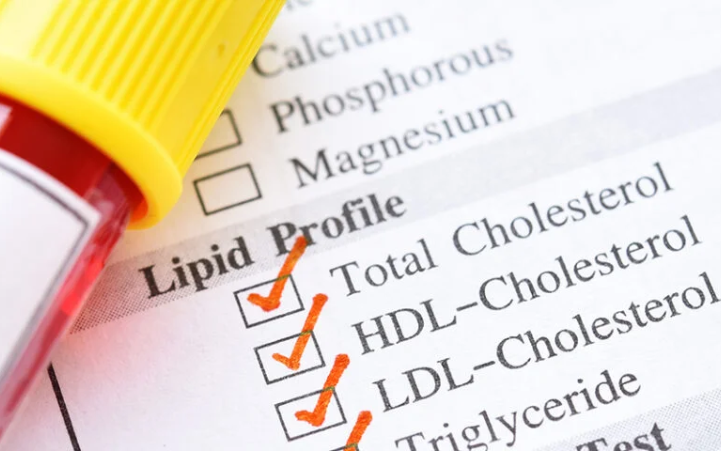
Total Cholesterol – overall cholesterol level in the blood
-
LDL Cholesterol (calculated or direct) – primary cholesterol fraction associated with plaque formation
-
HDL Cholesterol – protective cholesterol involved in reverse cholesterol transport
-
Triglycerides – circulating fats linked to insulin resistance and vascular risk
Why this test is important
The lipid panel is a foundational screening tool for:
-
Cardiovascular disease risk
-
Atherosclerosis and coronary artery disease
-
Metabolic syndrome
-
Monitoring response to diet, lifestyle, or lipid-lowering medications (including statins)
It is commonly used for baseline assessment and longitudinal monitoring.
What results may suggest
-
Elevated LDL or triglycerides: Increased atherosclerotic and metabolic risk
-
Low HDL: Reduced vascular protection
-
High triglycerides: Insulin resistance, carbohydrate intolerance, or alcohol-related effects
-
Balanced lipid profile: Lower cardiovascular risk, especially when paired with favorable inflammatory markers
Important limitations
-
LDL reflects cholesterol content, not particle number
-
Normal LDL does not always rule out vascular risk
-
Does not measure particle burden (ApoB) or inflammation
For this reason, lipid panels are often paired with Apolipoprotein B, Lp(a), or inflammatory markers for deeper risk stratification.
Preparation
-
Fasting recommended (9–12 hours) for most accurate triglyceride measurement
-
Water permitted
Specimen
-
Blood draw at LabCorp
Clinical notes
-
Appropriate for routine screening, annual exams, and medication monitoring
-
Remains useful even in patients already on statins
-
Best interpreted in the context of glucose markers, blood pressure, and family history
After ordering, a LabCorp requisition will be provided for sample collection.