
Glutathione Blood Test
$139.00
CPT: 82978
Glutathione, Reduced (GSH)
What this test measures
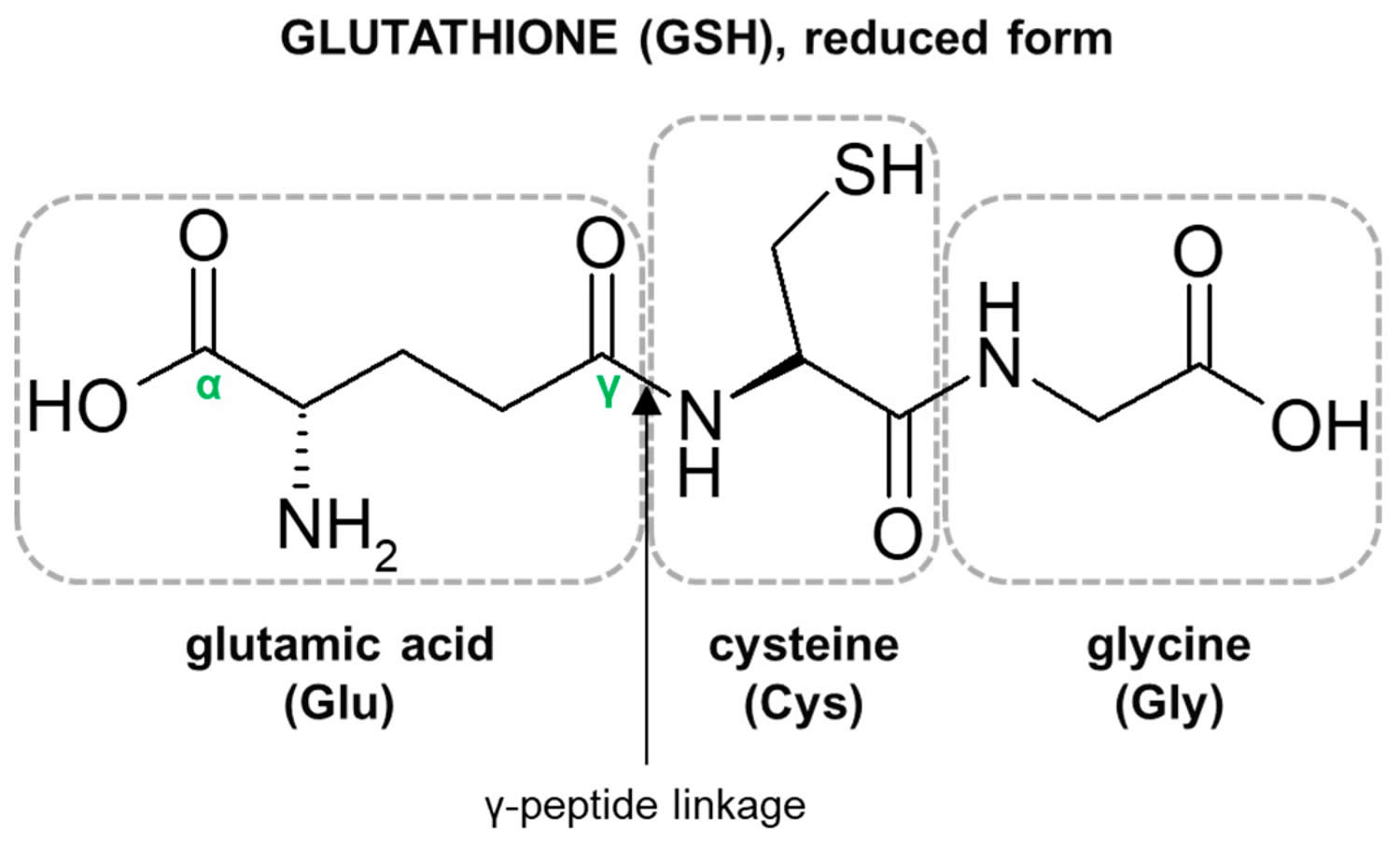
This test measures reduced glutathione (GSH), the active form of glutathione available to protect cells from oxidative damage and support detoxification. Reduced glutathione reflects both antioxidant capacity and the functional performance of key metabolic pathways involved in sulfur metabolism and methylation balance.
How glutathione is formed
Glutathione is synthesized through the transsulfuration pathway, which begins with homocysteine. In this pathway, homocysteine is converted into cystathionine and then cysteine, which is a direct precursor for glutathione synthesis.
This process depends on:
-
Vitamin B6 (P5P) as an essential enzyme cofactor
-
Adequate availability of glycine and glutamate
-
Sufficient cellular energy (ATP)
-
Proper liver and mitochondrial function
When this pathway is inefficient, glutathione production may be impaired even if homocysteine, B12, or folate levels appear normal.
Relationship to methylation
Glutathione production is closely linked to methylation balance. When methylation demand is high or inefficient, homocysteine may accumulate or be diverted away from glutathione synthesis. Conversely, when transsulfuration is stressed, methylation capacity may also be affected.
Reduced glutathione therefore serves as a functional downstream marker of how well methylation and sulfur metabolism are working together to support detoxification and oxidative balance.
Why reduced glutathione is useful
Reduced glutathione plays a central role in:
-
Neutralizing reactive oxygen species
-
Supporting liver phase II detoxification
-
Protecting mitochondrial and nervous system function
-
Maintaining redox balance within cells
-
Recycling antioxidants such as vitamins C and E
Low reduced glutathione may be seen in states of:
-
Chronic oxidative or inflammatory stress
-
Toxic or environmental exposures
-
High metabolic or detoxification demand
-
Impaired methylation or transsulfuration function
-
Aging or chronic illness
How glutathione becomes depleted
Reduced glutathione can be depleted by:
-
Ongoing oxidative stress or inflammation
-
Toxic exposures (environmental, metabolic, or medication-related)
-
Inadequate B6 or sulfur amino acid availability
-
Excess demand on detoxification pathways
-
Mitochondrial dysfunction
How this test is used
Reduced glutathione testing is used to:
-
Establish baseline antioxidant and detoxification capacity
-
Assess functional output of sulfur and methylation pathways
-
Guide metabolic or nutritional support strategies
-
Monitor recovery of antioxidant defenses over time
Testing details
-
Blood test
-
Performed through Labcorp
-
After purchase, a Labcorp requisition will be provided for specimen collection