
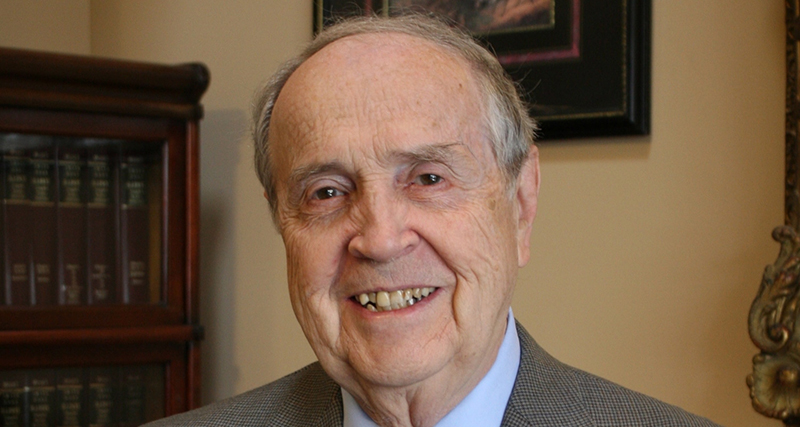
William J. Walsh, PhD Research Publications, Books and Practitioner Education
Dr. William J. Walsh’s work helped define biochemical patterns associated with depression, anxiety, ADHD, behavior disorders, autism, violent behavior, and bipolar disorder. This page highlights selected publications, his books, and Walsh Research Institute education resources.
Second Opinion Physician uses the Walsh framework with WalshDoc questionnaires, lab review, and functional medicine interpretation to help organize complex mental health and neurodevelopmental patterns into clearer next steps.
Start a WalshDoc Questionnaire View Walsh Protocol Testing Free Pre-ConsultationFeatured Walsh Books
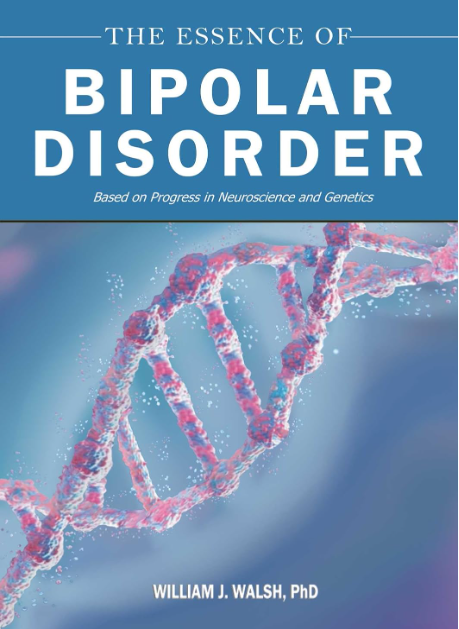
The Essence of Bipolar Disorder
Dr. Walsh’s newer bipolar disorder work presents bipolar illness through progress in neuroscience and genetics, including ion-channel gene weaknesses, accelerated DNA damage, oxidative stress, neurotransmitter switching, and the mania-depression cycle.
The book offers patients, families, clinicians, and researchers a biologic framework for understanding bipolar disorder beyond symptom labels.
View on Amazon Walsh Institute Page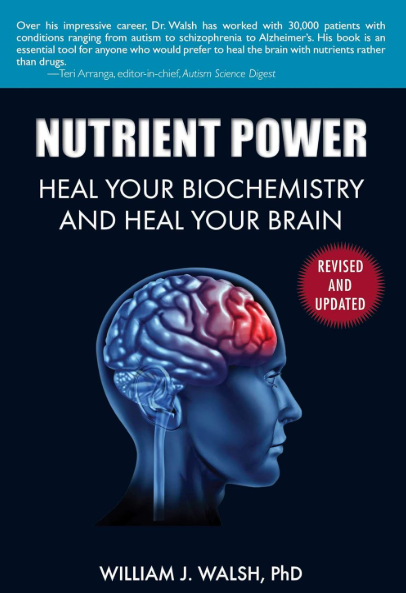
Nutrient Power
Nutrient Power presents the foundation of the Walsh nutrient therapy model, including individualized biochemical patterns seen in depression, ADHD, autism, behavior disorders, schizophrenia, and other mental health conditions.
It is a useful starting point for patients, families, and clinicians who want to understand why symptom patterns and laboratory testing matter before choosing nutrient therapy.
View on Amazon Walsh Institute PageWalsh Research Institute Training and Webinars
Walsh Research Institute offers online education for medical professionals, informed patients, families, and caregivers. These programs help explain biochemical patterns, nutrient therapy, bipolar disorder, ADHD, behavior disorders, and brain chemistry.
Informational Webinar Series
Webinar resources include advanced understanding of bipolar disorder for medical professionals and recent advances in bipolar disorder for patients, families, and caregivers.
View Bipolar WebinarsMastering Brain Chemistry
A practitioner-focused course covering brain biochemistry, neurotransmission, epigenetics, nutrient imbalances, and clinical challenges in mental, learning, and behavioral disorders.
View CourseAdvanced Course for Walsh-Trained Practitioners
Advanced education for practitioners who have completed Walsh training and want updated brain chemistry and protocol instruction.
View TrainingEssential Principles: ADHD and Behavior Disorders
Introductory education focused on Walsh Protocol principles for ADHD, behavior disorders, and related biochemical patterns.
View TrainingSelected Walsh Research Publications
The following publications illustrate several major areas of Walsh-related research: pyrrole disorder, copper-zinc imbalance, violent behavior, oxidative stress, autism, and individualized micronutrient therapy.
Discerning the Mauve Factor, Part 1
This review discusses the urinary “mauve factor,” its relationship to abnormal tryptophan metabolism, and its association with behavioral and neurological conditions.
Discerning the Mauve Factor, Part 2
Part 2 continues the review of the mauve factor, including diagnostic significance, oxidative stress, imbalanced biochemistry, and individualized nutrient therapy.
Micronutrient Therapy for Violent and Aggressive Male Youth
An open-label trial evaluating micronutrient therapy in male youth with violent and aggressive behavior, reporting improvement after 16 weeks of treatment.
Elevated Blood Copper/Zinc Ratios in Assaultive Young Males
This study reported higher blood copper levels and copper/zinc ratios in assaultive young males, supporting the relevance of mineral balance in behavior-control patterns.
Reduced Violent Behavior Following Biochemical Therapy
This clinical trial evaluated biochemical therapy in violent male inmates and reported a reduction in violent behavior after targeted correction of blood chemistry imbalances.
How Second Opinion Physician Uses This Work
Second Opinion Physician applies Walsh concepts through structured questionnaires, laboratory testing, biotype interpretation, methylation review, toxic burden screening, and follow-up tracking. The goal is not simply to name a diagnosis, but to identify the biochemical and functional patterns that may help explain symptoms and guide the next step.
Start With a Questionnaire, Lab Panel or Pre-Consultation
Walsh Protocol Testing
Review lab panels that support biotype and methylation interpretation.
View PanelsFree Pre-Consultation
Ask which questionnaire, lab panel, or consultation path fits best.
Schedule Call