
Description
Vitamin B6 (Pyridoxine), Plasma
What this test evaluates
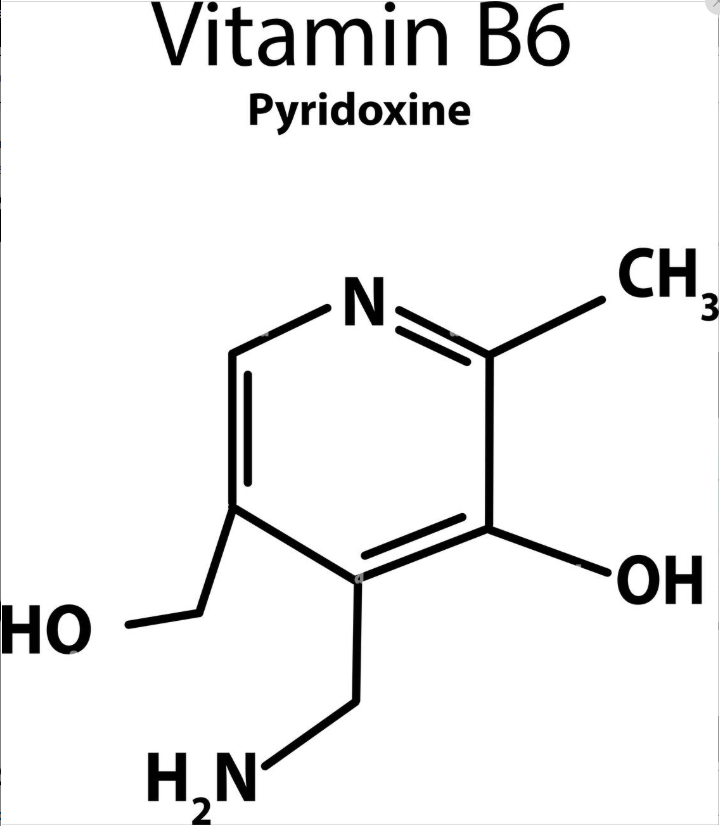
This test measures circulating vitamin B6 (pyridoxine) levels in plasma. Vitamin B6 is a critical cofactor for:
-
Homocysteine metabolism
-
Glutathione production
-
Neurotransmitter synthesis
-
Nerve and immune function
Why vitamin B6 matters
Vitamin B6 is required for the transsulfuration pathway, where homocysteine is converted into cystathionine and ultimately glutathione, the body’s primary intracellular antioxidant. Inadequate B6 can impair this pathway, leading to:
-
Accumulation of homocysteine
-
Reduced glutathione and antioxidant capacity
-
Increased oxidative and neurologic stress
Vitamin B6 also plays a key role in the synthesis of serotonin, dopamine, GABA, and norepinephrine, working in coordination with zinc and other B-vitamins. Low B6 availability can therefore affect mood regulation, stress tolerance, and sleep.
When this test is useful
This test is recommended when there is concern for:
-
Elevated or borderline homocysteine
-
Neuropathy, tingling, numbness, or burning sensations
-
Anxiety, irritability, poor stress tolerance, or insomnia
-
Poor glutathione status or oxidative stress
-
Suspected pyroluria, where vitamin B6 and zinc are depleted through increased urinary loss
-
Sensitivity or adverse reactions to B-vitamin supplementation
What results may suggest
-
Low B6 may contribute to impaired homocysteine clearance, reduced glutathione production, neuropathy, mood symptoms, poor stress tolerance, and immune dysfunction.
-
Normal levels help rule out B6 deficiency as a primary contributor and guide focus toward other metabolic or clearance issues.
-
Elevated levels may reflect recent supplementation and should be interpreted in clinical context, especially if neurologic symptoms are present.
Symptoms commonly associated with B6 deficiency
-
Peripheral neuropathy (tingling, numbness, burning pain)
-
Anxiety, irritability, or depression
-
Poor stress tolerance or sleep disturbance
-
Fatigue or low energy
-
Impaired immune function
-
Reduced tolerance to stress, inflammation, or toxins
Commonly ordered with
-
Homocysteine
-
Zinc and Copper (with Ceruloplasmin)
-
Glutathione or Transsulfuration Markers
-
Methylation Panel (if indicated)
Clinical note
Vitamin B6 status should be interpreted alongside homocysteine, zinc levels, symptom history, and current supplementation, as functional deficiency may exist even when intake appears adequate.