
Ferritin, Serum
$46.00
CPT# 82728
Ferritin
What this test measures
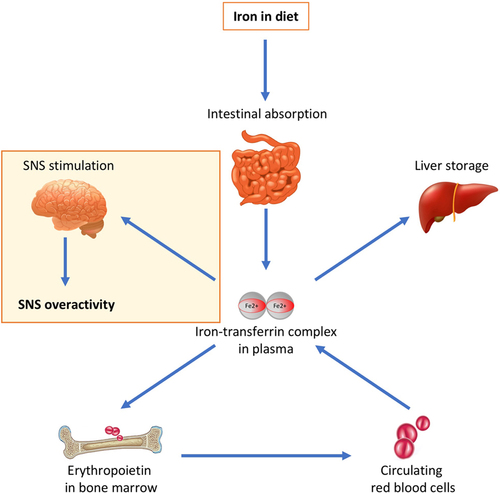
Ferritin is the primary iron storage protein in the body. This test measures circulating ferritin levels, which reflect stored iron availability, not just iron currently moving in the bloodstream.
Ferritin provides a more stable picture of iron status than serum iron alone and is essential for understanding iron sufficiency, overload, and inflammatory iron trapping.
Why ferritin is important
Iron is required for:
-
Oxygen delivery to tissues
-
Mitochondrial energy production
-
Neurotransmitter synthesis
-
Myelination and brain function
-
Immune system regulation
Ferritin represents the body’s iron reserve, which must be sufficient—but not excessive—for normal cellular function.
Low ferritin (iron deficiency state)
Low ferritin indicates depleted iron stores, even when hemoglobin or red blood cell counts appear normal.
Low ferritin may contribute to:
-
Fatigue and reduced stamina
-
Cognitive slowing or brain fog
-
Sleep disturbance
-
Restless legs or neuromuscular symptoms
-
Poor stress tolerance
-
Impaired neurotransmitter function
Iron deficiency can occur due to:
-
Low dietary iron intake
-
Poor absorption (gut inflammation, low stomach acid)
-
Chronic blood loss
-
Increased demand (growth, illness, inflammation)
High ferritin (iron excess or inflammatory state)
Elevated ferritin does not always mean iron overload. Ferritin is also an acute-phase reactant, meaning it rises in response to inflammation or oxidative stress.
Elevated ferritin may reflect:
-
Excess stored iron
-
Chronic inflammation
-
Liver stress
-
Metabolic dysfunction
-
Increased oxidative burden
-
Total metal load interacting with iron metabolism
Excess iron can promote oxidative stress, as iron catalyzes free-radical formation. This can affect:
-
Brain tissue and neurotransmitter balance
-
Gut lining integrity
-
Liver detoxification pathways
-
Vascular and mitochondrial health
Dietary and lifestyle factors influencing ferritin
Ferritin levels can be influenced by:
-
High intake of iron-rich foods (especially heme iron from red meat)
-
Iron supplementation
-
Alcohol intake
-
Chronic inflammatory diets
-
Poor gut regulation or absorption disorders
Gut and brain relevance
Iron balance is tightly linked to gut health. Inflammation or dysbiosis can impair iron absorption or cause iron sequestration. In the brain, both iron deficiency and excess can disrupt dopamine and mitochondrial function, contributing to fatigue, cognitive changes, and neurological symptoms.
Why ferritin is measured
Ferritin testing is used to:
-
Identify iron deficiency before anemia develops
-
Detect iron excess or inflammatory iron retention
-
Clarify unexplained fatigue, neurological, or cognitive symptoms
-
Assess oxidative stress risk related to metal burden
-
Guide appropriate nutritional or metabolic support
About related iron tests
Ferritin is often the first and most informative test for iron status. Additional tests such as serum iron, TIBC, or transferrin saturation may be added if further clarification is needed, but ferritin alone provides critical baseline information.
Testing details
-
Blood test
-
Performed through Labcorp
-
After purchase, a Labcorp requisition will be provided for specimen collection